
Service area · Fillmore
Garage Door Service for Fillmore Homes
Serving Fillmore's mostly 1970s housing stock, 13 miles from our Simi Valley shop. Spring, opener, and panel repair suited to the area's older hardware.
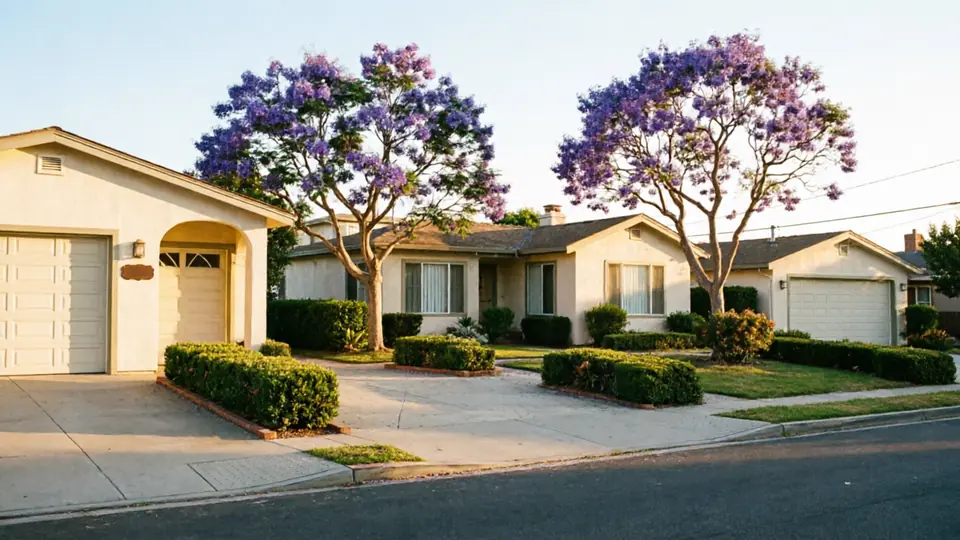
In Fillmore
Garage door services in Fillmore
What each job involves for Fillmore homes specifically.
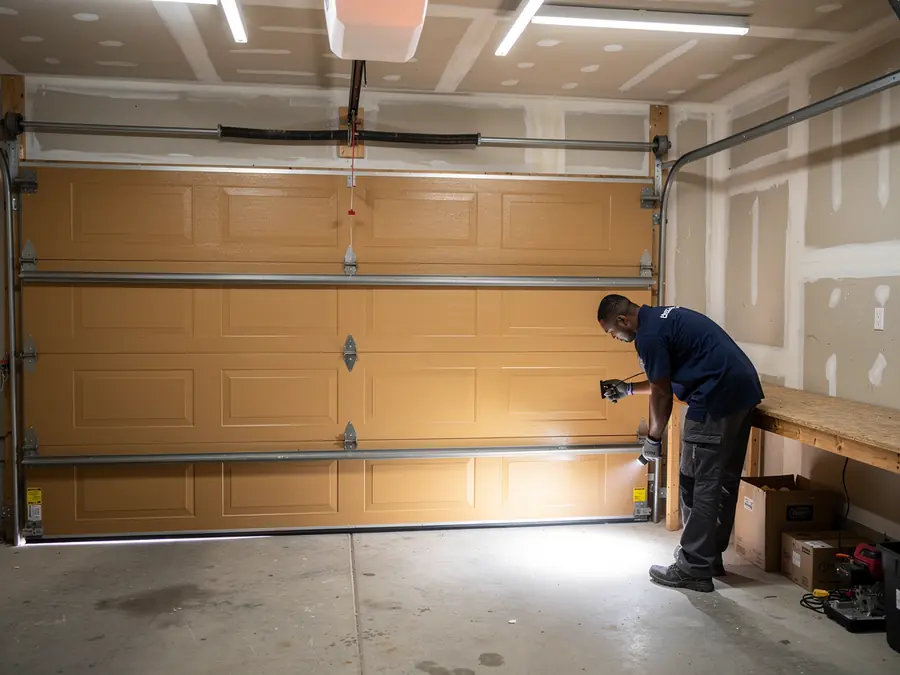 01Garage Door RepairFillmore has about 5,105 households and a lot of 1970s-era doors. We drive out from Simi Valley, 13 miles away, to fix springs, openers, and tracks built for that stock.Read more
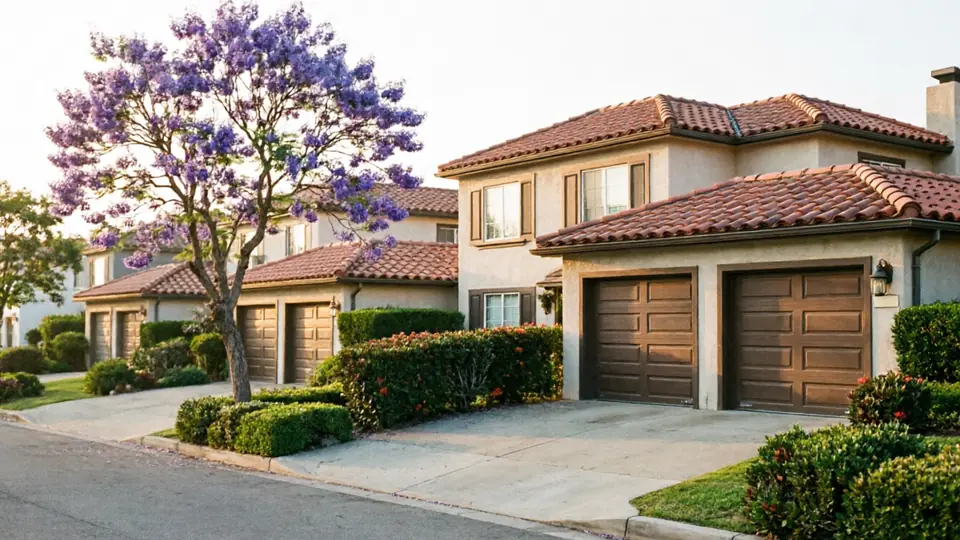 02Garage Door InstallationFillmore's homes run older than the rest of the service area - median build year 1975. That changes door sizing, spring type, and what a new install actually involves here.Read more
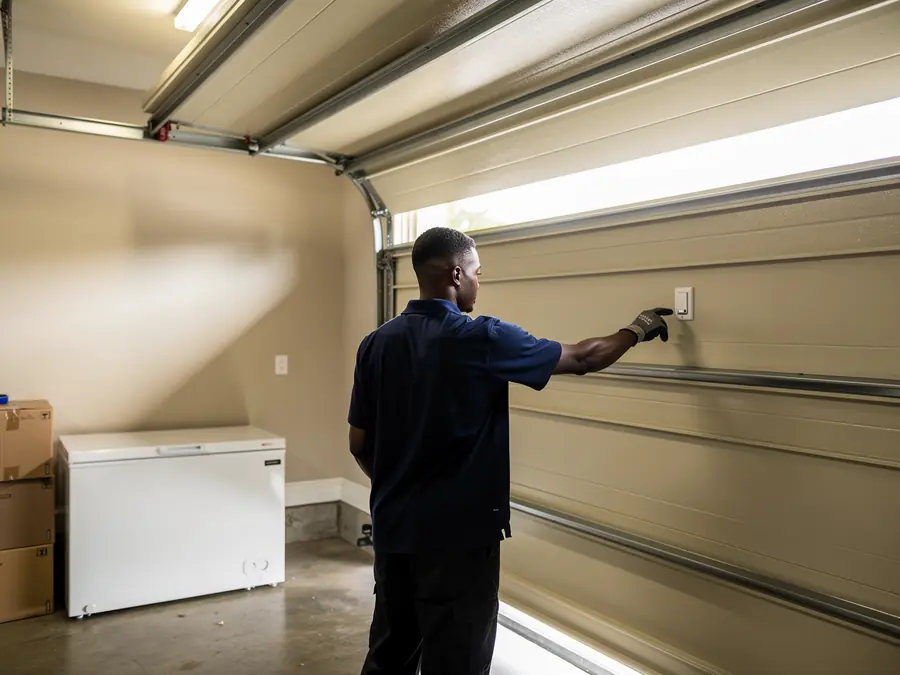 03Garage Door ServiceGarage door repair for Fillmore homes built around 1975, serviced by a Simi Valley crew that travels 13 miles and prices the job to local income, not citywide averages.Read more
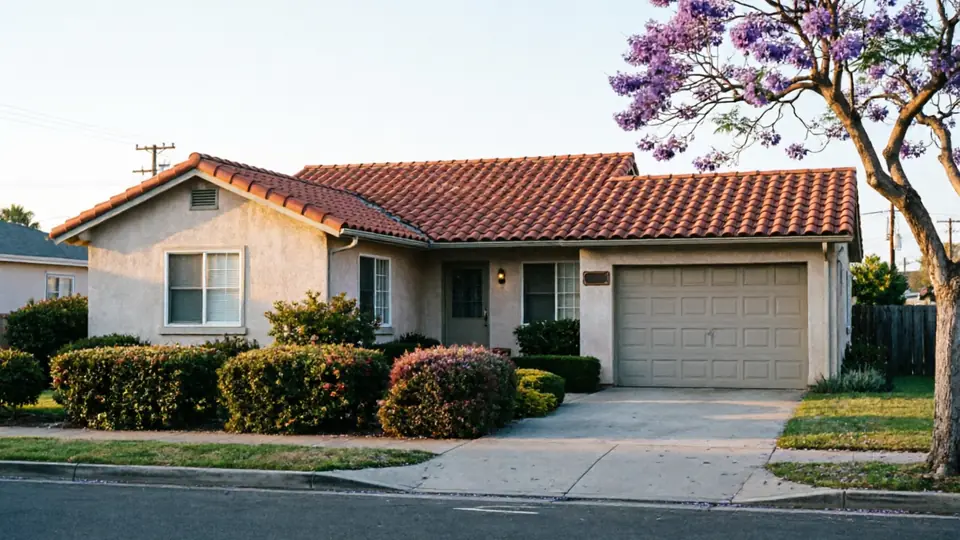 04Opener RepairOpeners on Fillmore's mid-1970s garage doors run older chain-drive units and worn logic boards. We carry the parts and make the 13-mile drive from Simi Valley.Read more
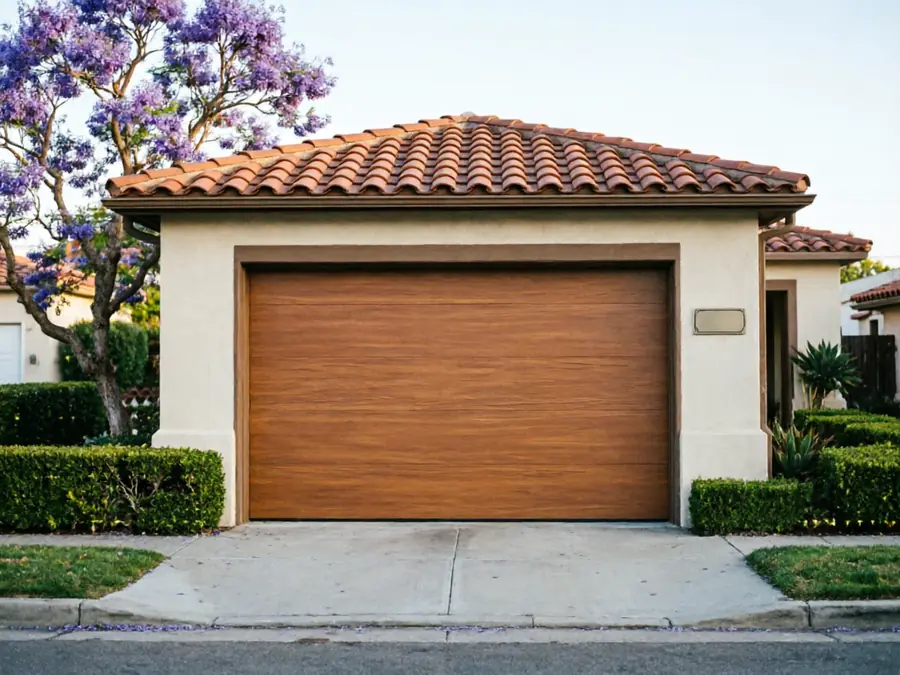 05Spring RepairSpring repair for Fillmore homes, 13 miles from our Simi Valley shop. We load parts for mid-1970s doors before we leave, not after we see your garage.Read more
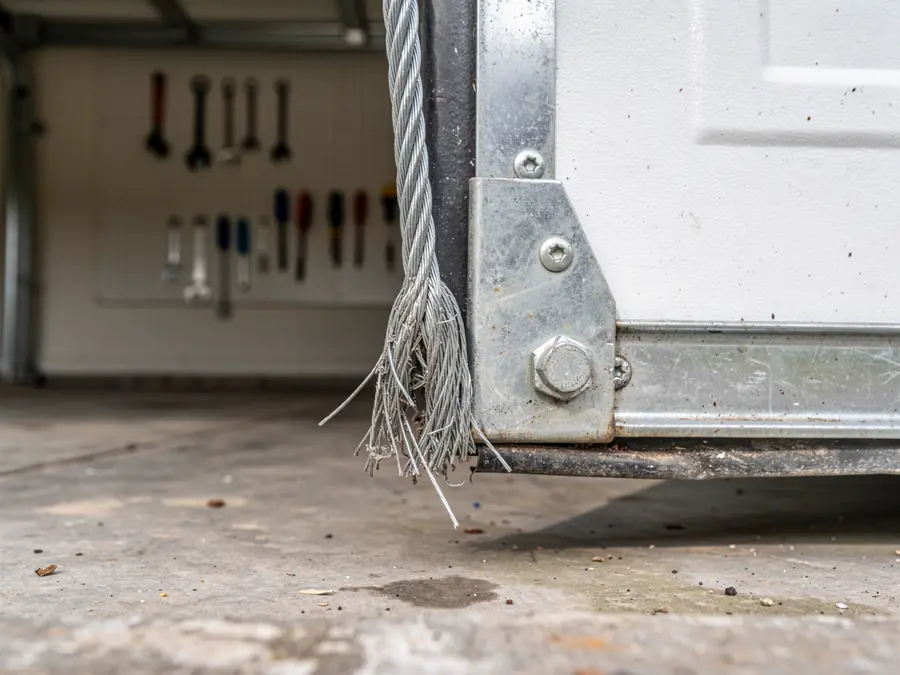 06Cable RepairCable repair for Fillmore's mid-1970s garage doors, serviced from Simi Valley 13 miles away. What breaks, what it costs, and what parts we carry on the truck.Read more
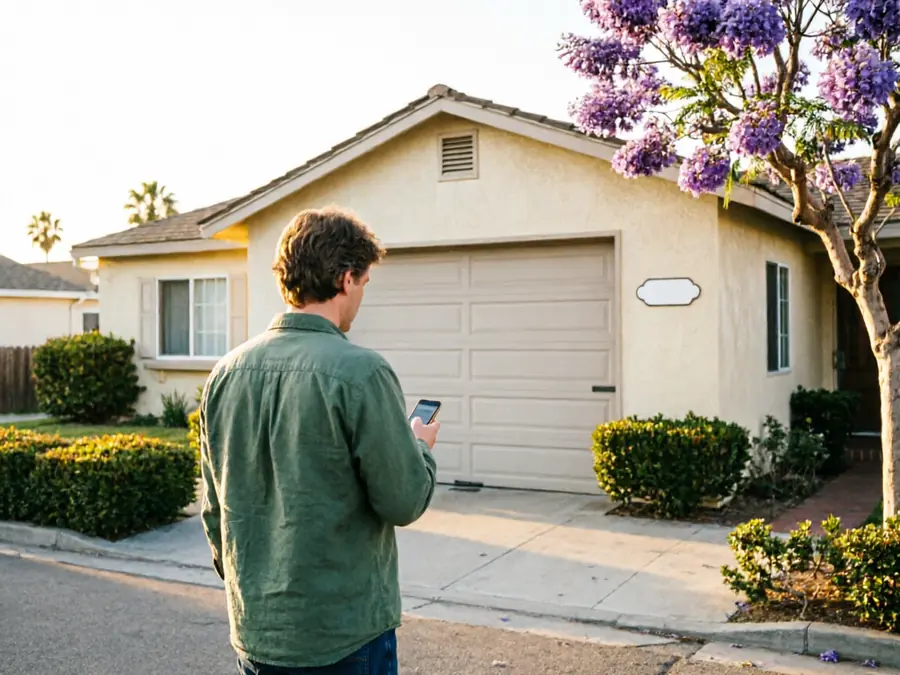 07Off-Track RepairFillmore homes built around 1975 often still have original track brackets. We drive out from Simi Valley to re-seat and repair off-track doors without replacing parts that still work.Read more
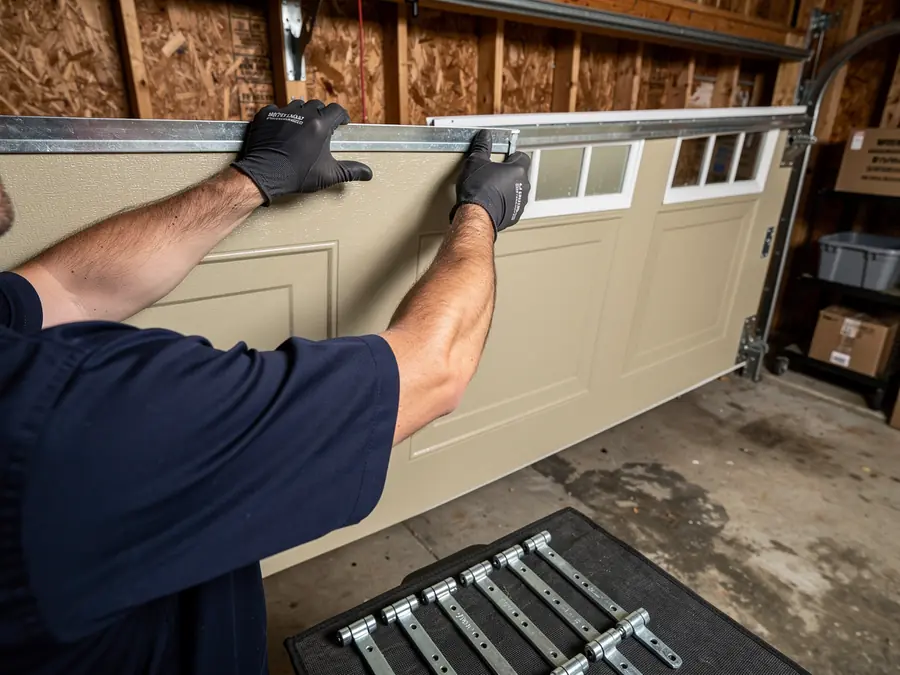 08Panel ReplacementFillmore's garage doors mostly date to the mid-1970s, a decade ahead of the area's 1983 median. See what that means for panel matching and replacement costs.Read more
This Area's Housing
Fillmore sits about 13 miles out from our shop in Simi Valley, and the houses here skew older than what we see on the newer side of the service area. The median home in Fillmore went up around 1975, compared to 1983 across the wider 17-area territory we cover. With roughly 5,105 households in Fillmore, that's a fair number of garages still running original or first-replacement hardware from the Carter and Reagan years. Median household income here runs about $90,343, well under the $146,404 figure for the service area as a whole, which tends to track with how long people hold onto a working door before they replace it instead of repair it. None of that is a knock on the town. It just means the calls we get from Fillmore skew toward older torsion setups and tired openers rather than warranty work on something installed last year.
What We Do Most in This Area
The most common call out of Fillmore is a torsion spring that's finally given out on a door that's been cycling since before anyone in the house owned it. Second most common: an opener, usually a chain-drive unit from the 80s or 90s, that's started grinding or stopped responding to the wall button. We also see galvanized track that's pitted enough to throw the rollers, which shows up more on older installs than newer ones. We don't carry every obsolete opener logic board on the truck, and if your unit is old enough that the manufacturer's stopped making parts for it, we'll tell you straight that a new opener is the better money than chasing a part that may not exist anymore.
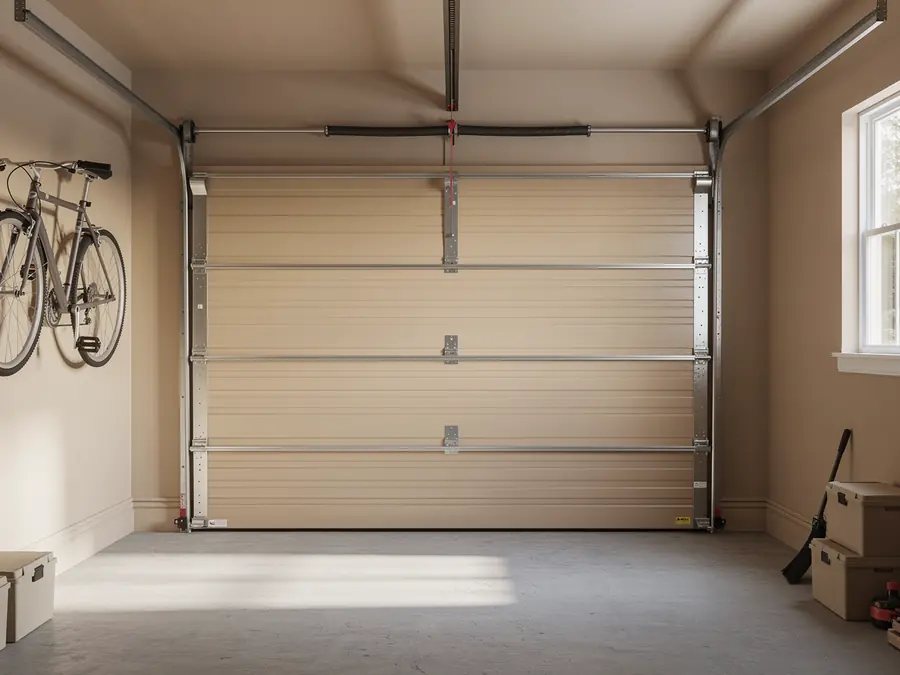
The Split Between Old and New
Across the full service area, the housing stock runs 1956 to 1999, with the median landing at 1983 and most of it concentrated in 1980s and 90s construction. Fillmore doesn't follow that curve. Its median build year sits closer to 1975, which puts a good share of the town's garages ahead of the typical spring and opener upgrades that came standard by the mid-80s. That eight-year gap between Fillmore's median and the area median isn't huge on paper, but on a garage door it's the difference between a door built with later safety reversal sensors as a factory feature and one where those got added on as a retrofit, if at all.
What That Means for Doors
A door from the mid-70s in Fillmore is more likely to run on a one-piece or early sectional panel with hardware that doesn't match anything sold today off the shelf. Springs wound to older tension specs, drums sized differently than current stock, and brackets that take a specific bolt pattern all show up more here than in the newer pockets of the service area. The mild temperate climate across the territory keeps rust and wood rot from being the main failure driver, so it's almost always age and cycle count wearing the metal down, not weather. When we're out this far from Simi Valley, we try to diagnose and fix in one visit, but a part that needs to be special-ordered for an older setup can mean a second trip.
FAQ
Questions about this
Do you have a shop in Fillmore?
No. We're based in Simi Valley, about 13 miles away, and we travel out to Fillmore for calls. We don't keep a local depot here, so scheduling is built around the drive.
Why does my 1970s door act different from newer ones?
Older doors and openers in Fillmore often predate features that became standard in the 80s and 90s, like factory safety reversal. Springs and drums from that era also use different sizing than what's commonly stocked now, so repairs can take an extra step to match parts.
Is it worth repairing an old opener instead of replacing it?
Depends on the unit. If the manufacturer's stopped supporting the logic board, we'll say so and recommend replacement rather than chase a part that may not be available. If it's a mechanical issue like gears or a chain, repair usually still makes sense.
Tell us what your door is doing.
We serve Simi Valley, CA and nearby communities. Every job starts with a diagnosis, so you know what failed before any work begins.