
Blog
When to Repair and When to Replace an Older Door in Simi Valley
Most Simi Valley houses date from 1956 to the late 1990s, median build year 1983. Here's how that housing stock and our mild climate decide repair vs. replace.
Season by Season
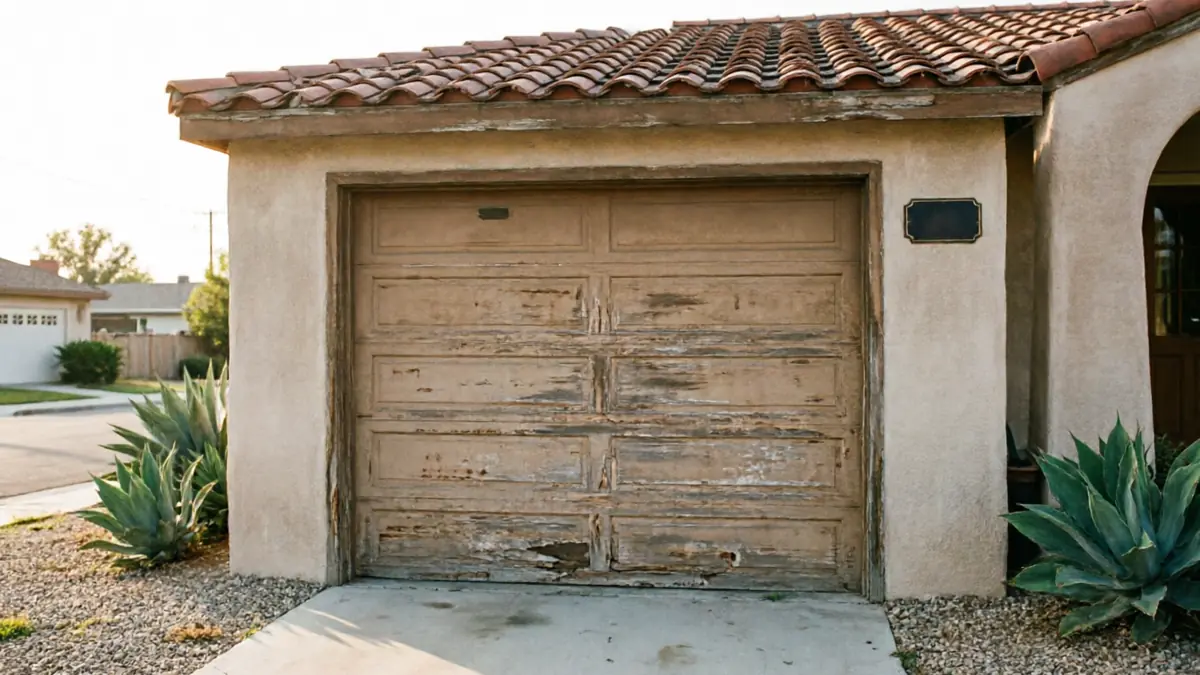
Simi Valley sits in a mild temperate band, so we don't deal with the freeze-thaw cracking or deep winter cold snaps that wreck hardware in colder parts of the country. That's good news for an older door, but it doesn't mean the door gets a free pass. Steel panels and torsion springs still go through daily heat-up and cool-down cycles, and over enough years that cycling dries out lubrication, loosens hinge screws, and lets rollers wear unevenly in their tracks. Without the hard freezes other regions get, a door built in the 1970s or 80s around here often outlasts its counterparts elsewhere structurally, but the moving parts - springs, cables, rollers - wear on a timeline that has more to do with cycle count and age of the metal than the weather. So the question for an older door isn't usually "did the cold crack something," it's "how many thousand open-close cycles has this spring seen, and is the steel starting to fatigue." That's a different kind of inspection than you'd do in a snow state, and it's the one that actually matters here.
What Local Conditions Do
Housing in the Simi Valley service area was mostly built between 1956 and 1999, with the median year sitting around 1983, and the bulk of it falling into 1980s and 90s construction across the 17 named areas we work in. That matters because garage door hardware changed a lot over that stretch. A door from the late 1950s or 60s is more likely to be on an older extension-spring setup with side brackets that current parts don't always match. A door from the 1983-ish median year is more likely on torsion hardware, but an early version of it - lighter-gauge shafts, smaller drums, cable sizes that have since been standardized differently. When we get a service call on a door from that era, the first question isn't the brand, it's which hardware generation we're looking at, because that decides whether we can source a matching part or whether the smart move is replacing the assembly instead of chasing a part that doesn't exist anymore.
The Situation
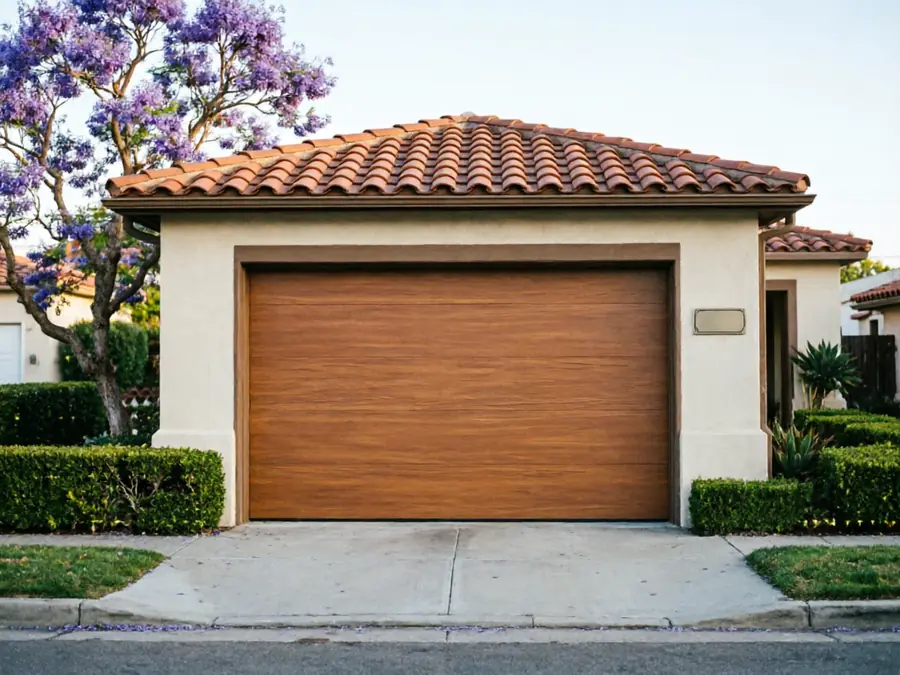
The service area has roughly 37,120 owner-occupied houses out of about 69,002 households, and a median household income of $146,404. That's relevant here because it changes the math on repair versus replace - people in this area can generally afford to replace rather than nurse along a door that's fighting them, and a lot of them do, once they understand the real cost of repeated service calls on an aging unit. If you're in one of the closer-in areas - Santa Susana, Bell Canyon, Oak Park - or further out toward Moorpark or Santa Rosa Valley, the housing age runs the same range, so the same hardware questions apply. A door that's original to a house built in the median 1983 window has usually had one or two spring replacements by now if it's been maintained at all. If it hasn't, that's usually the door we get called about.
The Common Mistake
The mistake we see most is treating every symptom on an older door as a spring problem, because that's the failure everyone's heard of. A door that's slow, noisy, or crooked on an older torsion setup is just as often a worn roller, a stretched cable, or a track that's walked out of alignment over years of cycling - not the spring at all. Replacing a spring on a door with bad rollers buys you a few months before the next call. The other side of that mistake is the opposite: replacing an entire door and opener when the actual problem is one worn part on hardware that's otherwise sound. We'll say plainly that we don't keep every obsolete bracket or panel size in stock for doors from the 1960s and early 70s - sometimes sourcing a match costs more than a new door, and in those cases we'll tell you that instead of running up a parts bill chasing something that isn't worth chasing.
Services
Garage door services in Simi Valley
- 01
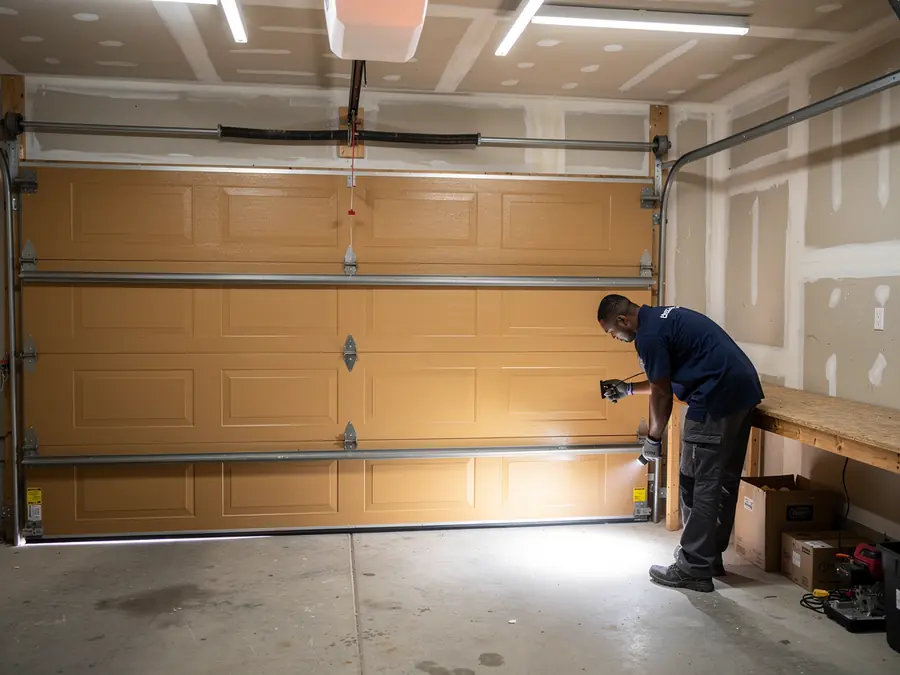 Garage Door RepairTorsion springs and openers from Simi Valley's 1960s-90s building boom are hitting the end of their service life together. Here's what the repair actually involves.
- 02
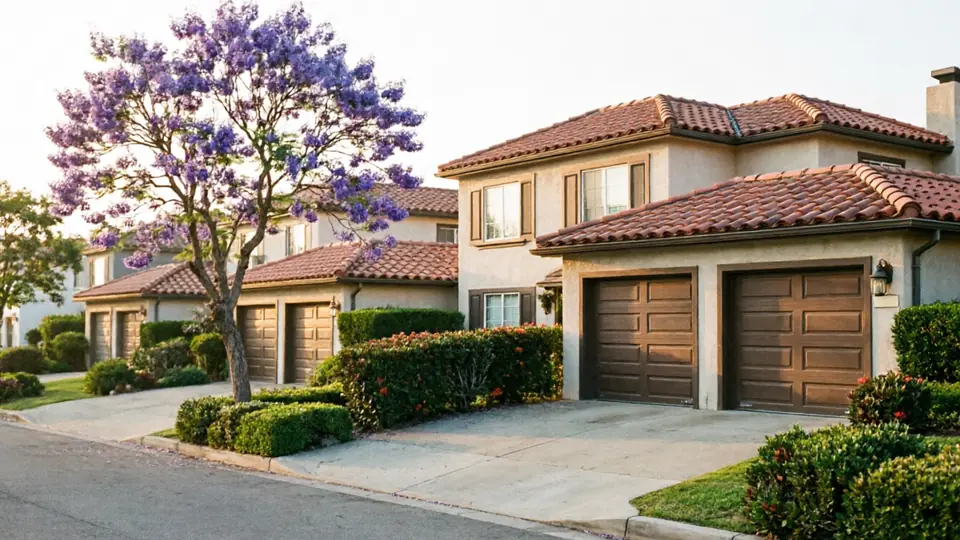 Garage Door InstallationNew garage door installation in Simi Valley, CA. Older 1960s-90s openers and doors in this mild climate often need full replacement, not another repair.
- 03
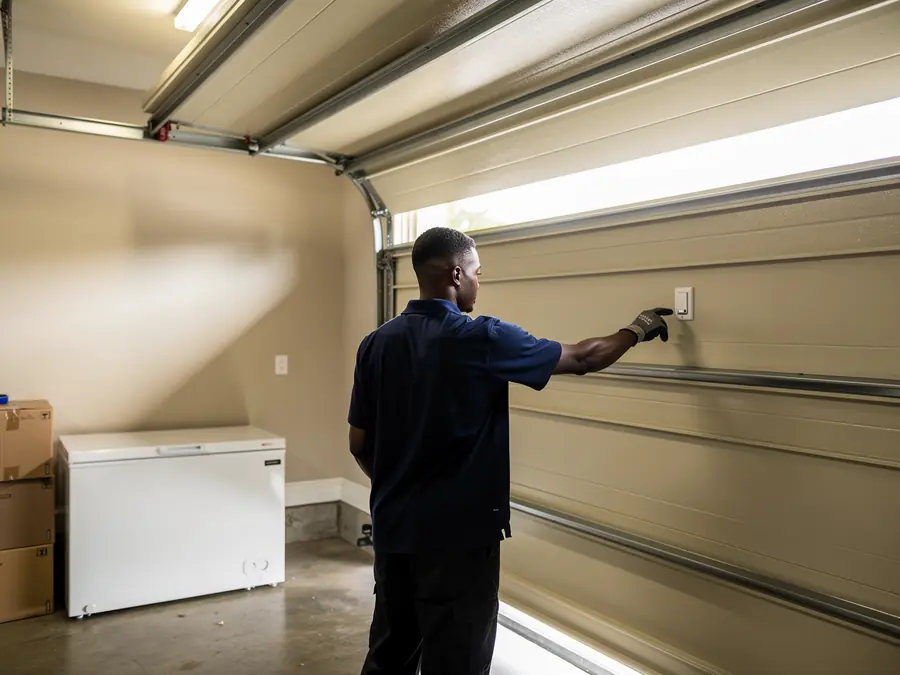 Garage Door ServiceGarage door repair for Simi Valley homes built mostly between 1956 and 1999 - spring, opener, and track fixes sized to this housing stock, not a generic checklist.
- 04
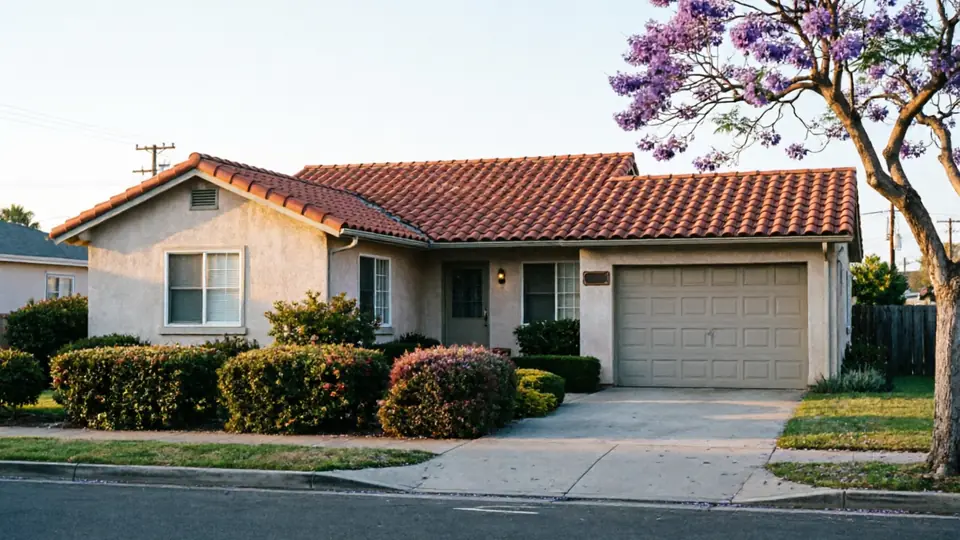 Opener RepairOpener repair for Simi Valley homes built mostly between 1956 and 1999, where original chain-drive units and aging circuit boards are the most common calls we get.
- 05
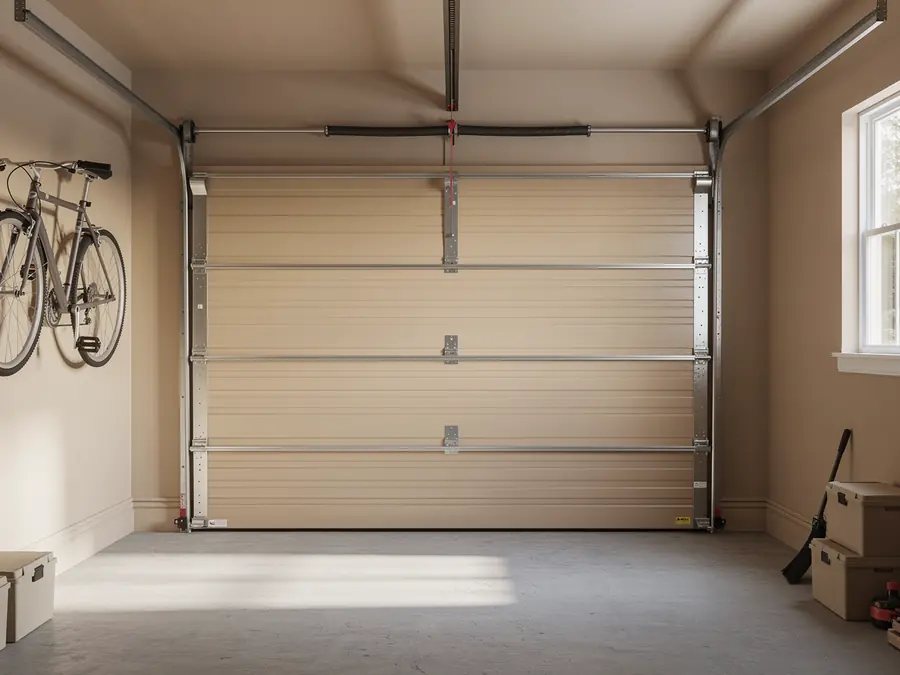 Spring RepairBroken torsion spring on a Simi Valley garage door? See why 1956-1999 construction and mild-climate wear make springs fail here, and what the repair takes.
- 06
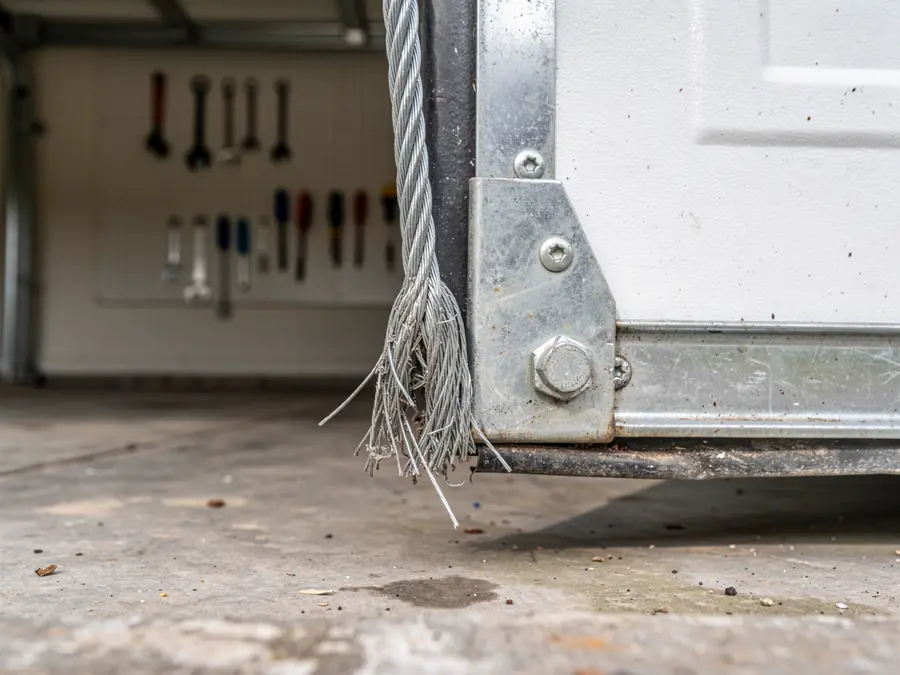 Cable RepairFrayed or snapped cable on a torsion or extension system? We repair garage door cables on the 1956-1999 housing stock common across Simi Valley and nearby areas.
- 07
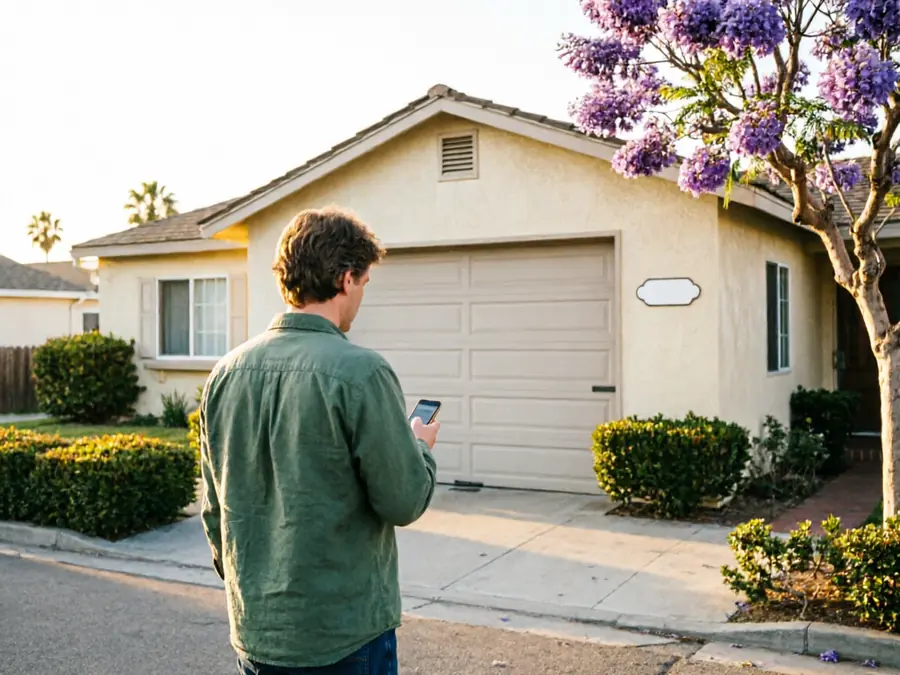 Off-Track RepairGarage Door Pros fixes off-track doors on the 1956-1999 housing stock common across Simi Valley, where original rollers and bent track are the usual cause.
- 08
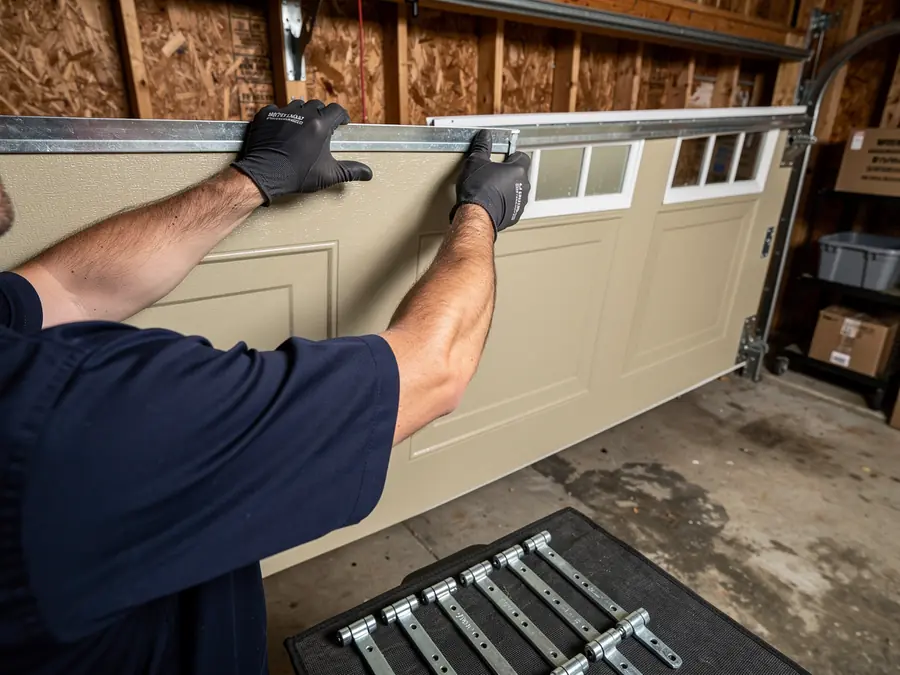 Panel ReplacementDented or cracked garage door panels are common on Simi Valley's 1956-1999 housing stock. We match panels to older steel and wood doors and replace what the sun has aged.
FAQ
Questions about this
My garage door is from the 1980s. Is it worth repairing or should I replace it?
Depends what's actually wrong. If it's a worn spring, cable, or roller on otherwise sound torsion hardware, repair makes sense. If the hardware generation is old enough that matching parts aren't available, or multiple systems are failing at once, replacement usually costs less over time than repeated service calls.
Does Simi Valley's climate wear out garage doors faster?
Not in the way cold climates do. We don't get the freeze-thaw cracking that damages hardware elsewhere. Wear here comes mostly from age and cycle count - how many times the door has opened and closed - rather than weather extremes.
How do I know if my door's hardware is outdated?
The clearest sign is a technician telling you a part doesn't match current stock sizes. Doors built before and around the early 1980s often have lighter-gauge shafts or older cable and drum sizing that newer hardware doesn't directly replace.
Tell us what your door is doing.
We serve Simi Valley, CA and nearby communities. Every job starts with a diagnosis, so you know what failed before any work begins.