
Blog
Why a Mild Climate Still Breaks Springs in Simi Valley
Simi Valley sits in a mild climate band, but a 40-degree night is still enough to snap a tired torsion spring on a 1960s-90s door. Here's why.
Season by Season
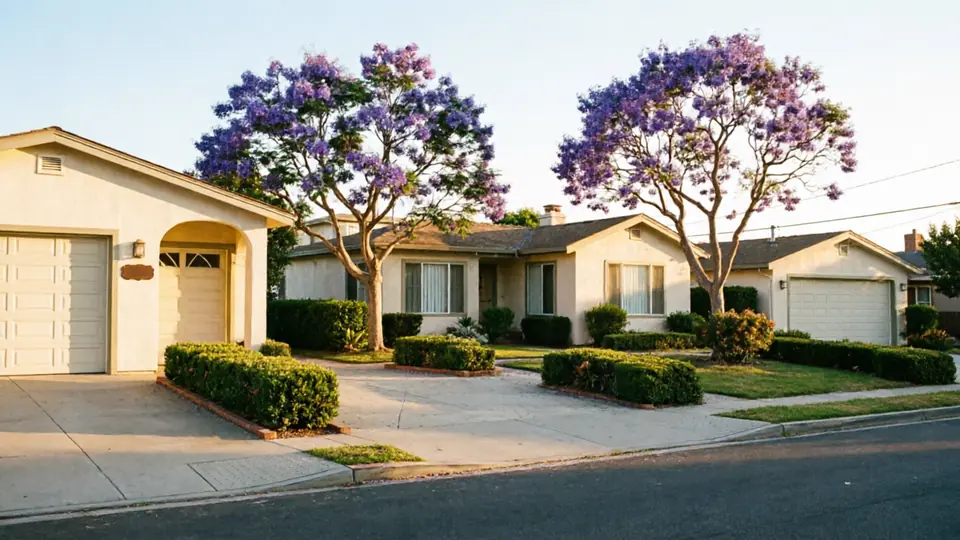
Simi Valley doesn't get the kind of winter that cracks sidewalks. It sits in a mild temperate band, and most years the thermometer never gets near what people in colder states call cold. That's exactly why a broken spring here catches owners off guard. You don't need a hard freeze to snap a torsion spring that's been cycling for thirty years - you need one night in the 30s or 40s, a quick contraction in the metal, and a spring that was already fatigued past the point of forgiving it. Those nights show up here every winter, usually in December and January, often without anyone noticing the temperature dropped at all. People notice the door instead: it won't lift, or it drops the last foot with a bang. The pattern repeats every year because the climate here never forces anyone to think about it the rest of the time. Summer heat doesn't do this to a spring. A cold snap, even a mild one, finds the weak link first. If your door has felt heavier than usual on a cold morning, that's not your imagination - it's the spring telling you it's close.
What Local Conditions Do
Housing across this service area went up mostly between 1956 and 1999, with the median build year sitting at 1983. That's the age range you'll find across the 17 named neighborhoods here, not just one street or one tract. A torsion spring rated for roughly 10,000 cycles starts showing its age well before it snaps, and a door installed in the early 1980s has had four decades to use those cycles up. Cold doesn't create the fatigue. It exposes it. Steel that's already stressed from thirty-plus years of opening and closing loses a little flexibility every time the temperature drops, and the night it finally lets go is almost always a cold one, not a hot one. This is why the failures cluster in winter even though the climate here barely qualifies as cold by national standards. It's not the weather doing the damage - it's the weather finding the damage that was already there. A newer door with a spring from the last five or ten years can usually shrug off the same temperature swing without trouble.
The Situation
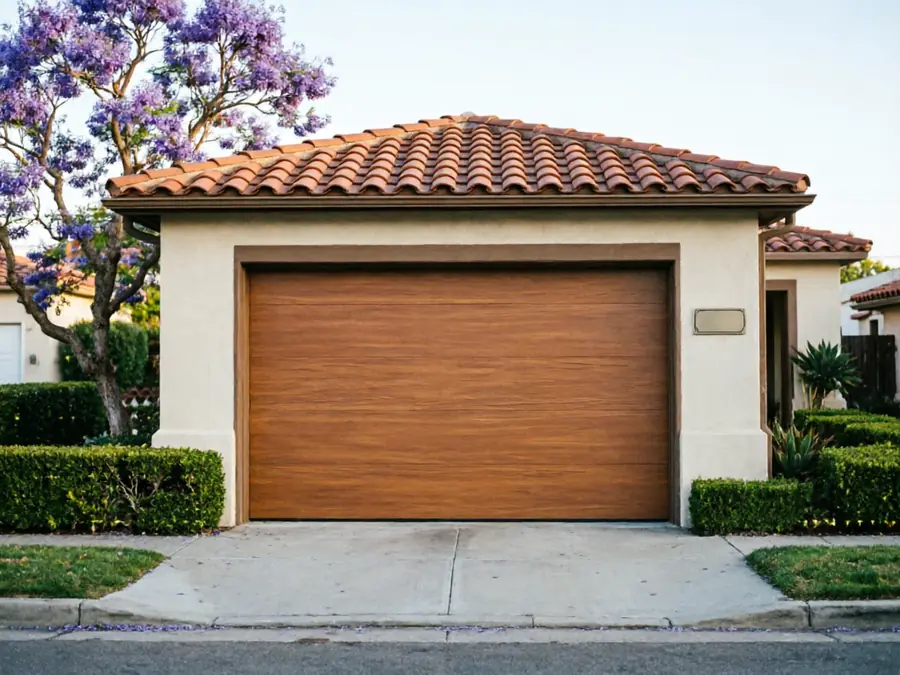
When a spring goes in cold weather, it's usually sudden - a loud bang from the garage, then a door that won't budge or one that comes down too fast when someone tries to lift it manually. On a double door especially, a broken spring means the full weight of the panel is now unsupported, and the opener motor isn't built to carry that load; running it anyway tends to burn out the motor or strip the gear. With median household income across this service area at $146,404 and 37,120 owner-occupied houses among the 69,002 households here, most owners we see choose to replace both springs on a double door at once rather than patch the one that broke, since the second one is usually close behind it on the same cycle count. That's a judgment call, not a rule, and it depends on the door's age and how the first spring went. One thing worth saying plainly: if your door is original to a house built in the 1950s or 60s, we may need a day or two to source hardware sized for that era, since it's not what gets stocked for current builds.
The Common Mistake
The mistake we see most is someone assuming that because Simi Valley doesn't get real winter, cold has nothing to do with a spring breaking. So they chalk it up to bad luck, replace the one spring, and don't think about the other side - even though it's the same age, same cycle count, same exposure to the same cold night. Out toward Bell Canyon or Oak Park, where a lot of the housing stock dates from that same 1956-1999 build wave, that second spring is often within a season of going too. The other common mistake is trying to release spring tension with the door still under load on a cold morning, which is a bad idea year-round but worse when the metal is stiffer than usual and more likely to shift unpredictably. If a spring has already broken, leave the door down, keep the opener off, and don't try to force it manually. There's no fix here that benefits from waiting.
Services
Garage door services in Simi Valley
- 01
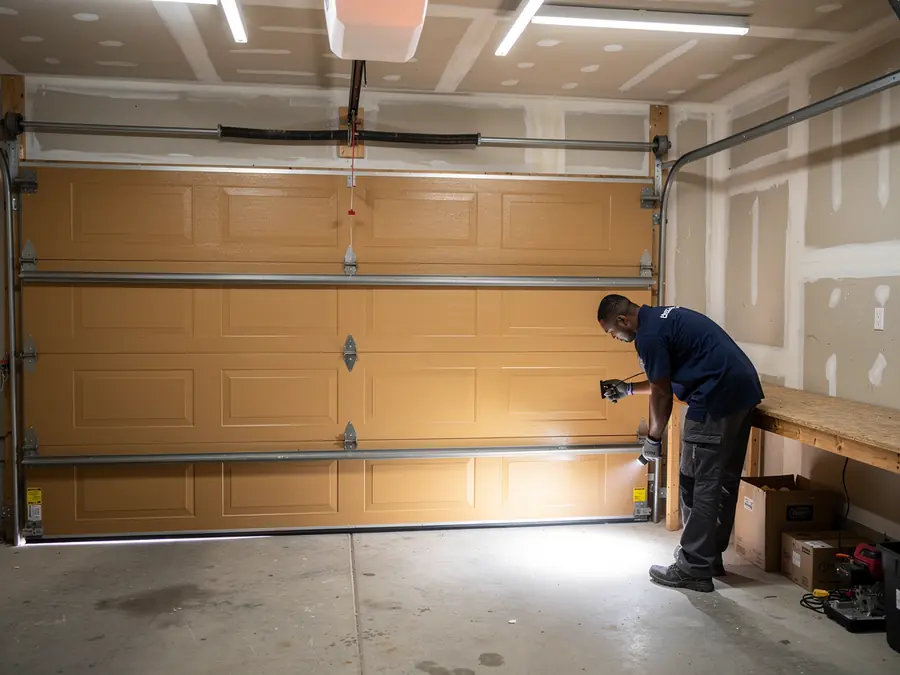 Garage Door RepairTorsion springs and openers from Simi Valley's 1960s-90s building boom are hitting the end of their service life together. Here's what the repair actually involves.
- 02
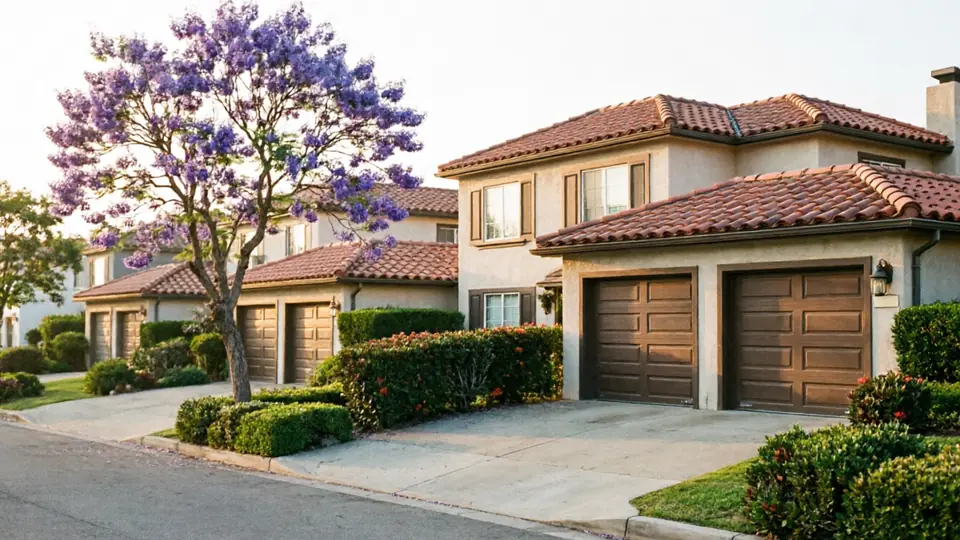 Garage Door InstallationNew garage door installation in Simi Valley, CA. Older 1960s-90s openers and doors in this mild climate often need full replacement, not another repair.
- 03
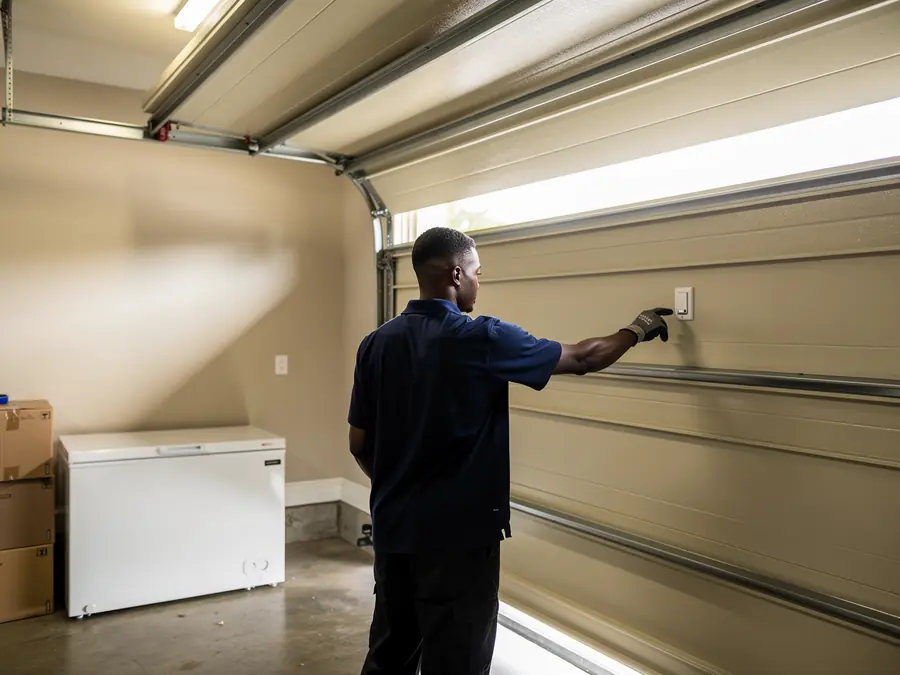 Garage Door ServiceGarage door repair for Simi Valley homes built mostly between 1956 and 1999 - spring, opener, and track fixes sized to this housing stock, not a generic checklist.
- 04
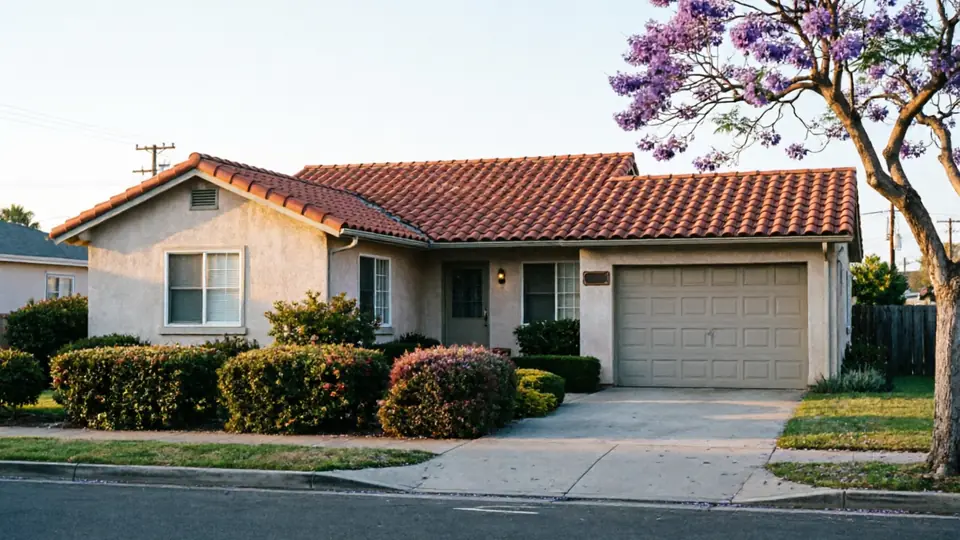 Opener RepairOpener repair for Simi Valley homes built mostly between 1956 and 1999, where original chain-drive units and aging circuit boards are the most common calls we get.
- 05
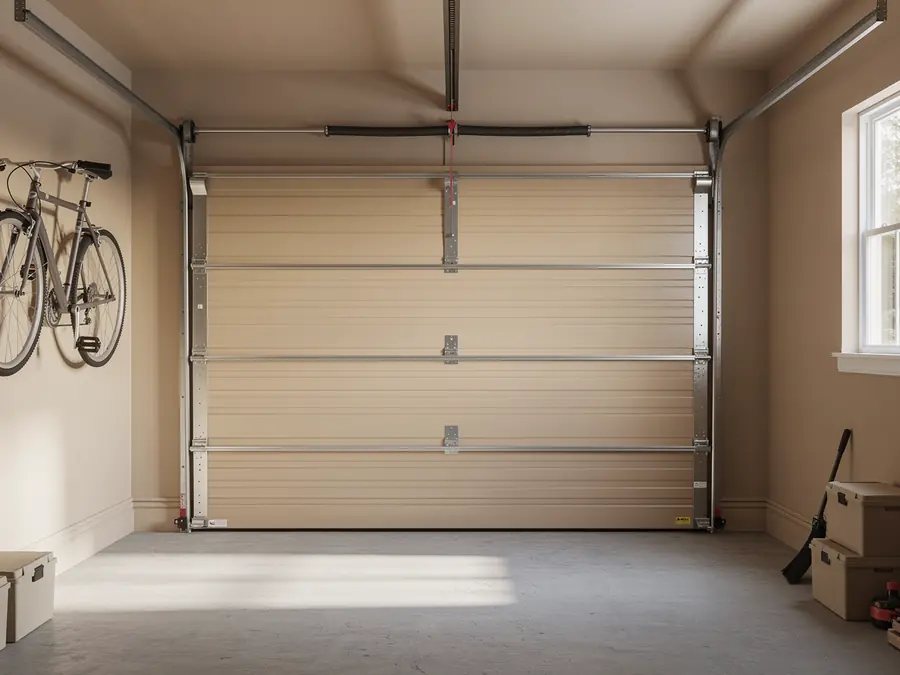 Spring RepairBroken torsion spring on a Simi Valley garage door? See why 1956-1999 construction and mild-climate wear make springs fail here, and what the repair takes.
- 06
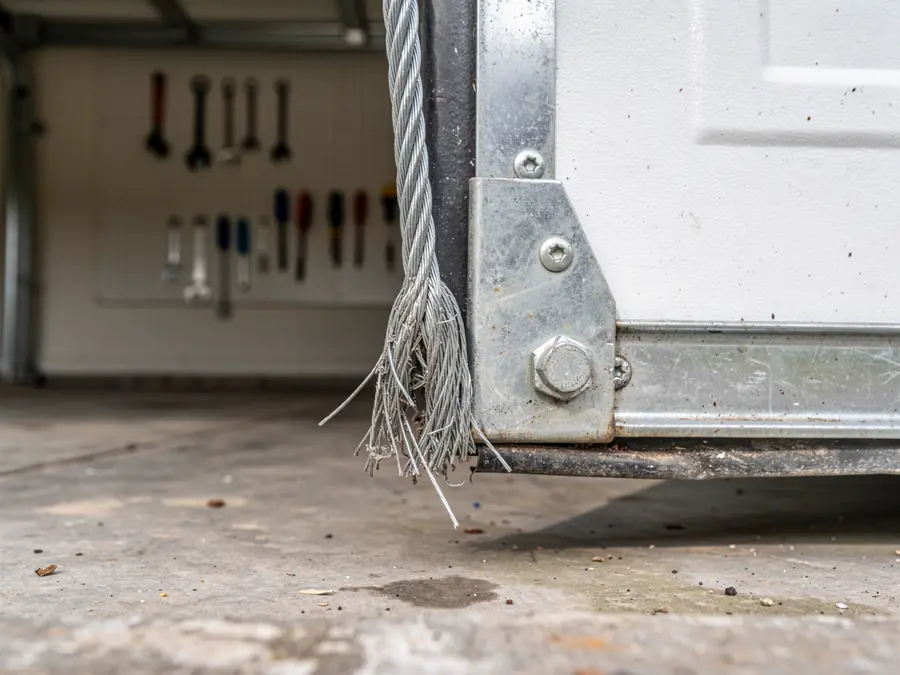 Cable RepairFrayed or snapped cable on a torsion or extension system? We repair garage door cables on the 1956-1999 housing stock common across Simi Valley and nearby areas.
- 07
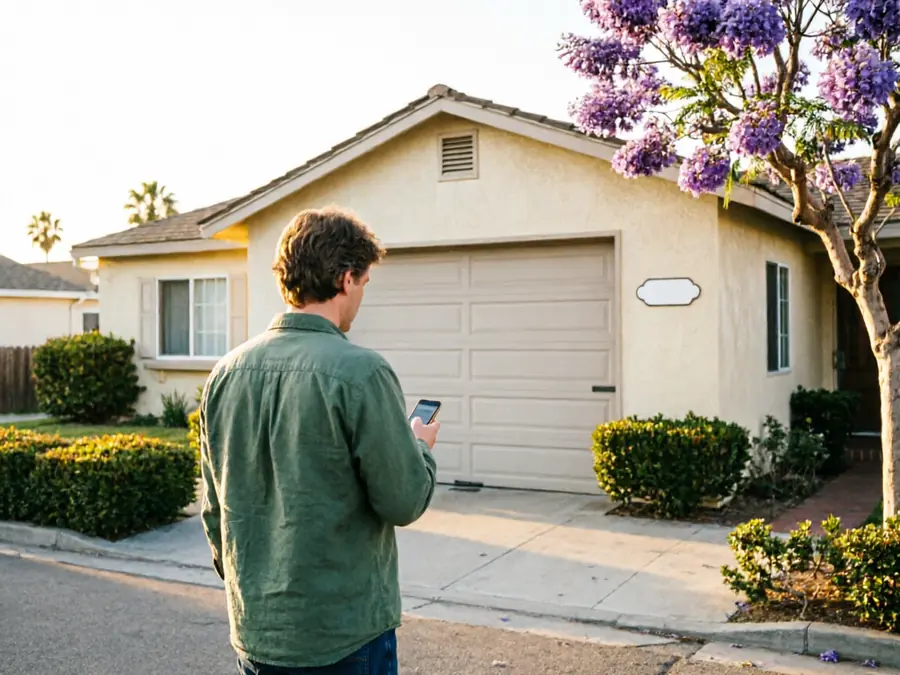 Off-Track RepairGarage Door Pros fixes off-track doors on the 1956-1999 housing stock common across Simi Valley, where original rollers and bent track are the usual cause.
- 08
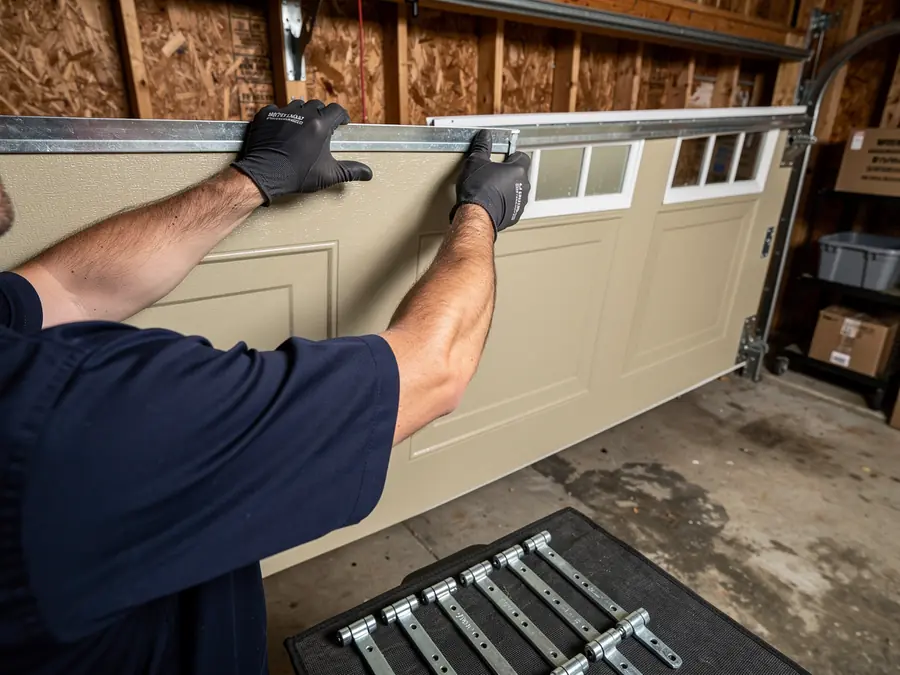 Panel ReplacementDented or cracked garage door panels are common on Simi Valley's 1956-1999 housing stock. We match panels to older steel and wood doors and replace what the sun has aged.
FAQ
Questions about this
Does Simi Valley get cold enough to actually break garage door springs?
Yes. The region sits in a mild temperate band, so it rarely drops below freezing for long, but a 30-to-40-degree night is enough to stiffen a spring that's already fatigued from decades of use. The cold doesn't cause the weakness - it just tends to be the moment an already-worn spring finally gives out.
My house was built in the 1980s. Should I replace the spring before it breaks?
If your door hasn't had the spring replaced since the house was built, it's likely near or past its rated cycle life. Given the median build year across this area is 1983, a lot of original hardware is due. Replacing a visibly worn spring before a cold night takes it out is cheaper than an emergency call.
Why did both springs on my double door need replacing when only one broke?
Springs installed together usually have the same cycle count and the same age, so when one fails from fatigue, the other is often close behind it. We'll look at wear on both before recommending a full replacement rather than assuming it's needed automatically.
Tell us what your door is doing.
We serve Simi Valley, CA and nearby communities. Every job starts with a diagnosis, so you know what failed before any work begins.