
Opener Repair · Simi Valley, CA
Garage Door Opener Repair for Simi Valley Homes
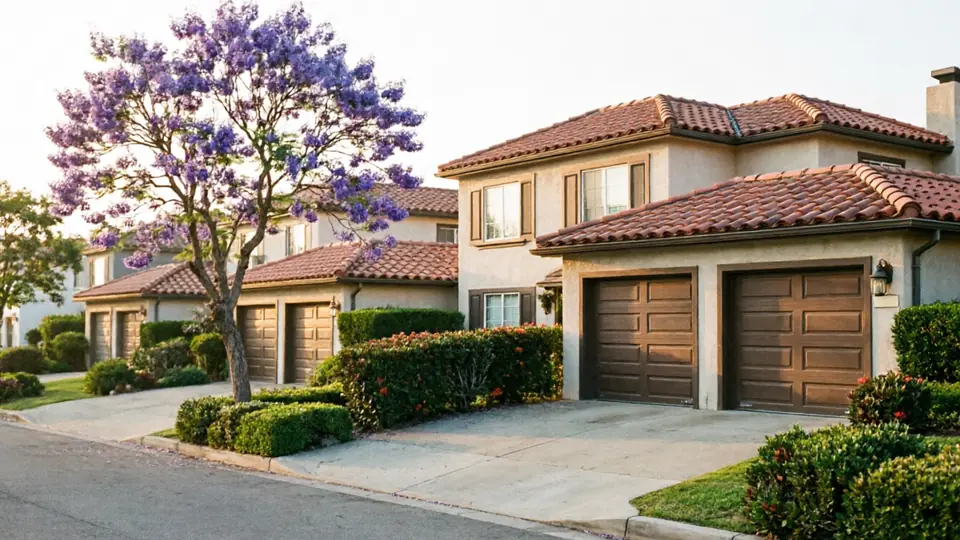
Opener repair for Simi Valley homes built mostly between 1956 and 1999, where original chain-drive units and aging circuit boards are the most common calls we get.
What the Repair Takes
Most opener calls in this area break down into one of three jobs: a dead circuit board, a worn drive gear, or a logic board that's lost its memory and won't talk to the wall switch or remote. On a chain or belt-drive unit from the 1980s or 90s, the gear kit itself is cheap, but it's a full teardown to get at it, and if the motor bearing has gone with it, a gear-only fix just buys you another service call in a year. We test the opener under load before touching anything, because a unit that strains on a double-wide door often has a spring problem doing the damage, not the opener. If the circuit board is the failure, we replace it rather than patch it; board-level repair on consumer garage door electronics isn't something any shop in this area does reliably, including us. Safety sensors get checked every time regardless of what you called about. A sensor knocked out of alignment reads to the homeowner as 'the opener died' when it's a five-minute fix, and we'd rather tell you that than sell you a board.
How Long It Takes
A sensor realignment or wall-switch swap is usually done inside thirty minutes. A logic board replacement or full gear-and-sprocket rebuild runs closer to an hour once the old unit is open, longer if the housing bolts have corroded in place, which happens more on units that have sat through a few decades of temperature swings in an unconditioned garage. If the opener itself is original to a house built in the 1960s through the 1980s, replacement parts for that specific chassis are often out of production, and we'll tell you straight that a new opener costs less than hunting down a board nobody stocks anymore. We don't pad a quote with a rebuild just because the part search is annoying.
Why This Fails Locally
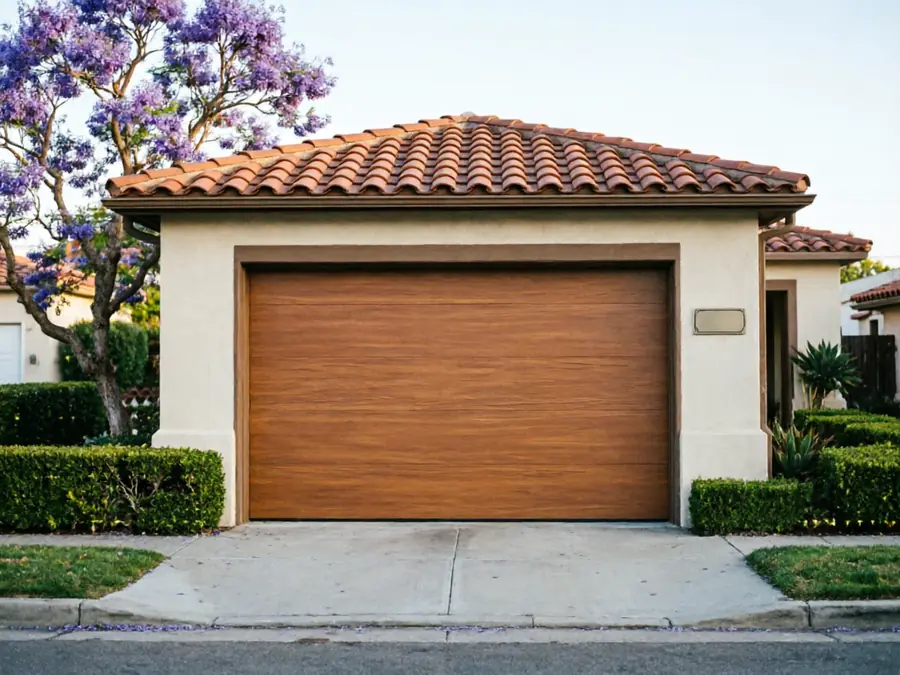
Housing across this service area mostly dates from 1956 to 1999, with the bulk of it built in the 1980s and 90s across the many named tracts here. That means a large share of openers are either original units reaching the end of any reasonable service life, or first-generation replacements installed sometime in the 1990s or early 2000s - both now well past the point where circuit boards and capacitors hold up. The mild temperate climate here doesn't bring the harsh freeze-thaw cycling that kills openers faster elsewhere, but it does mean most garages are unconditioned and uninsulated, so the opener sits through wide daily temperature swings in direct heat exposure that degrades solder joints and capacitor life over the decades. That combination, old housing stock plus hot, unconditioned garages, is why board failure and gear wear show up here on a predictable timeline rather than as a random fluke.
The Symptom
The opener hums but the door doesn't move: almost always a stripped drive gear, common on units original to the 1980s-era tract housing that makes up most of this area. The door reverses halfway up for no reason: usually a misaligned safety sensor, sometimes a logic board losing its position memory. Remote works from the driveway but not from inside the car: weak antenna or a board going intermittent, which tends to show up first in older units that have run for two or three decades without issue. Opener runs but the lights flash and nothing resets: that's a board fault code, and on an opener this old, replacement usually makes more sense than hunting down the exact board revision. None of these point to the opener being broken from a single event - they're wear patterns that match how long the unit has been running in this kind of housing.
Service areas
Where we work around Simi Valley
Simi Valley and 7 nearby communities, each with its own page.
FAQ
Questions about this
Why does my garage door opener work sometimes and not others?
That's usually a logic board starting to fail, or a safety sensor just slightly out of alignment from vibration over the years. Both are common on openers that have been running since the 1980s or 90s, which describes a lot of the housing stock in this area. We test both before quoting a board replacement.
Is it worth repairing an opener from the 1980s or earlier?
Depends what's broken. A gear or sensor fix is worth doing. A board failure on a unit that old usually isn't, since the exact replacement board is often out of production. We'll tell you which one you're dealing with before we recommend anything.
Does the heat here affect garage door openers?
Indirectly. The mild temperate climate doesn't stress openers with freeze cycles, but most garages here are unconditioned, so the opener runs through wide daily heat swings for years, which shortens the life of its solder joints and capacitors faster than a climate-controlled space would.
Tell us what your door is doing.
We serve Simi Valley, CA and nearby communities. Every job starts with a diagnosis, so you know what failed before any work begins.