
Blog
What We Actually Check When We Show Up
A breakdown of what a real service call checks on Simi Valley's 1956-1999 housing stock, tuned to the valley's mild climate and the parts that wear out on doors this age.
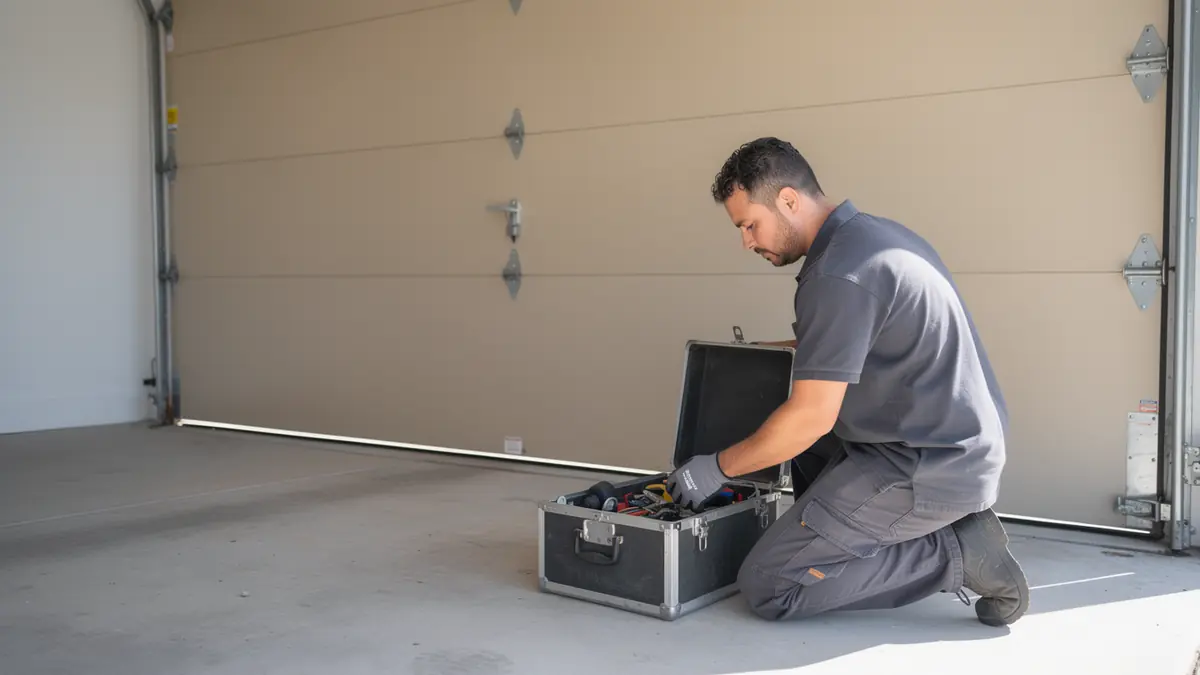
Season by Season
Simi Valley sits in a mild temperate band, so you don't get the freeze-thaw cycles that crack concrete slabs or stiffen lubricant the way colder inland valleys do. That doesn't mean the door is maintenance-free year-round. Summer heat in this basin still bakes the sealant on wood-composite panels and dries out the lithium grease on rollers faster than most owners expect. Winter here brings rain more than cold, and water that pools at the base of a door on an older slab - common across the 1956-1999 housing stock that makes up most of this area - finds its way into the bottom seal and the first foot of track. Spring is when we get the most calls: homes that sat closed through winter rain get opened up for yard work, and that's when a stiff spring or a track that's walked out of alignment finally gets noticed. Fall is mild enough here that nobody thinks about the door until something binds. Because the climate doesn't force seasonal shutdowns, people go years without lifting the door manually to feel whether the spring tension has drifted. That's the one check that costs nothing and catches the most.
What Local Conditions Do
With median construction around 1983 and most of the 17 named areas built between the 1980s and 90s, a large share of doors in Simi Valley are either original to the house or one replacement cycle in. The mild climate band means components don't fail from cold the way they do elsewhere - galvanized track doesn't ice up, extension springs don't seize from frost. What does happen is slower and sneakier: UV and heat cycling break down nylon rollers and the plastic idler bearings that were standard on builder-grade openers from that era. On a 1983-built house, that's forty-plus years of thermal expansion and contraction on the same torsion spring, even if it's never snapped. We also see a lot of original steel track that's held its shape fine but has rust blooming at the mounting brackets where water sits after rain, since this region's building stock from that period didn't always flash those brackets well. None of this is dramatic. It's wear that happens on schedule, and the schedule here is set by sun exposure and age, not by harsh winters.
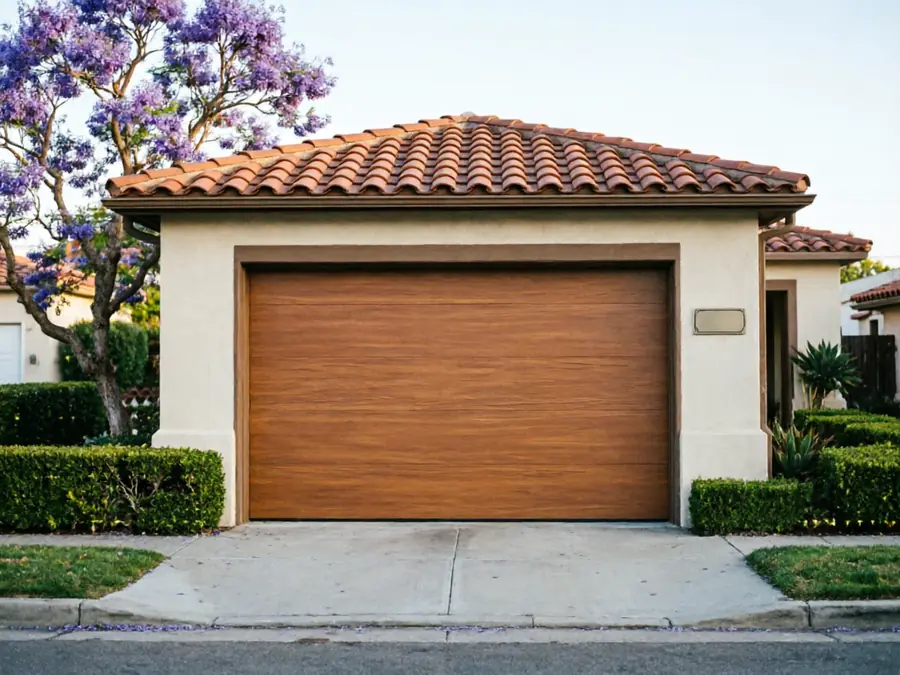
The Situation
A service call starts with the door itself, not the opener, because most calls about a 'broken opener' turn out to be a spring or cable problem that's making the motor work too hard. We check torsion spring tension and wind count, inspect both cables for fraying at the drum, run a hand along the tracks for bends or rust pitting, and check roller condition - plastic, nylon, or steel, since all three show up across a housing stock spanning 1956 to 1999. We test the auto-reverse safety sensors, since that's a liability item regardless of how old the door is. We also check the bottom seal and weatherstrip, which take more damage from this area's dry heat than from rain. If the door is original to a house built in the earlier part of that 1956-1999 range, we flag the spring type, because older installs here sometimes still run a single spring instead of a matched pair, and that changes the repair math. We give a straight answer on repair versus replace before touching anything.
The Common Mistake
The mistake we see most in Simi Valley is waiting for total failure before calling anyone, which makes sense given how mild the climate is here - nothing forces a maintenance check the way a hard freeze does elsewhere. Owners of houses from the 1983 median construction era often assume a quiet door is a healthy door. A spring can lose tension gradually for a year before it snaps, and in that time the opener motor is absorbing the extra load, which shortens its life too. The other version of this mistake is the reverse: replacing a whole door because one panel is dented, when the panel is the only thing wrong. We'll say plainly that we don't carry replacement panels for every discontinued builder-grade door from the 80s and 90s - sometimes a dent repair isn't available and full replacement is the honest answer, but we check before we assume.
Services
Garage door services in Simi Valley
- 01
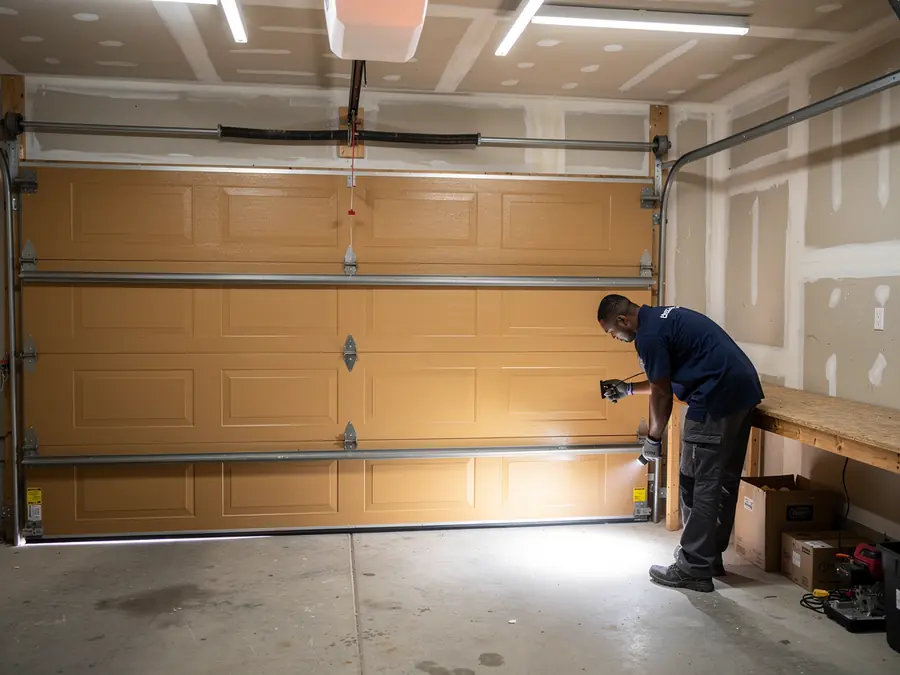 Garage Door RepairTorsion springs and openers from Simi Valley's 1960s-90s building boom are hitting the end of their service life together. Here's what the repair actually involves.
- 02
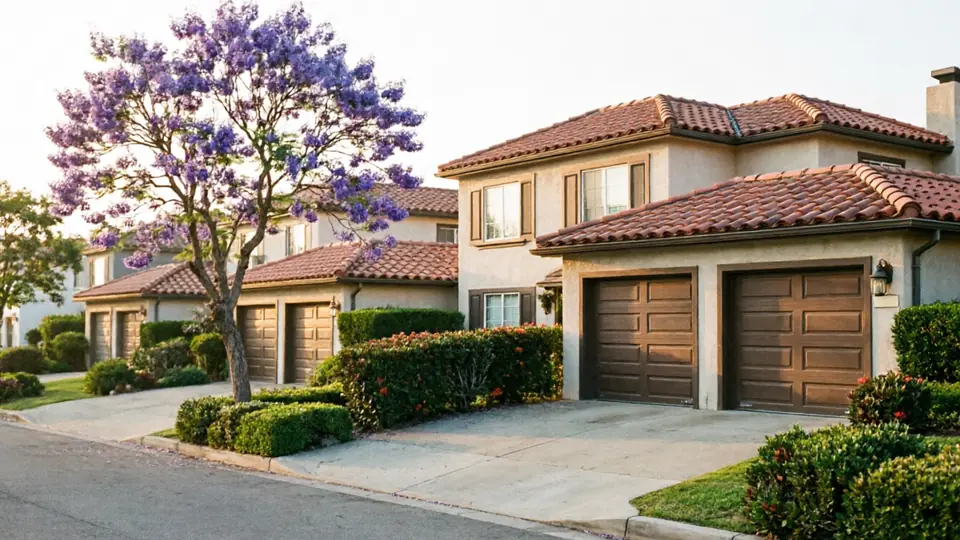 Garage Door InstallationNew garage door installation in Simi Valley, CA. Older 1960s-90s openers and doors in this mild climate often need full replacement, not another repair.
- 03
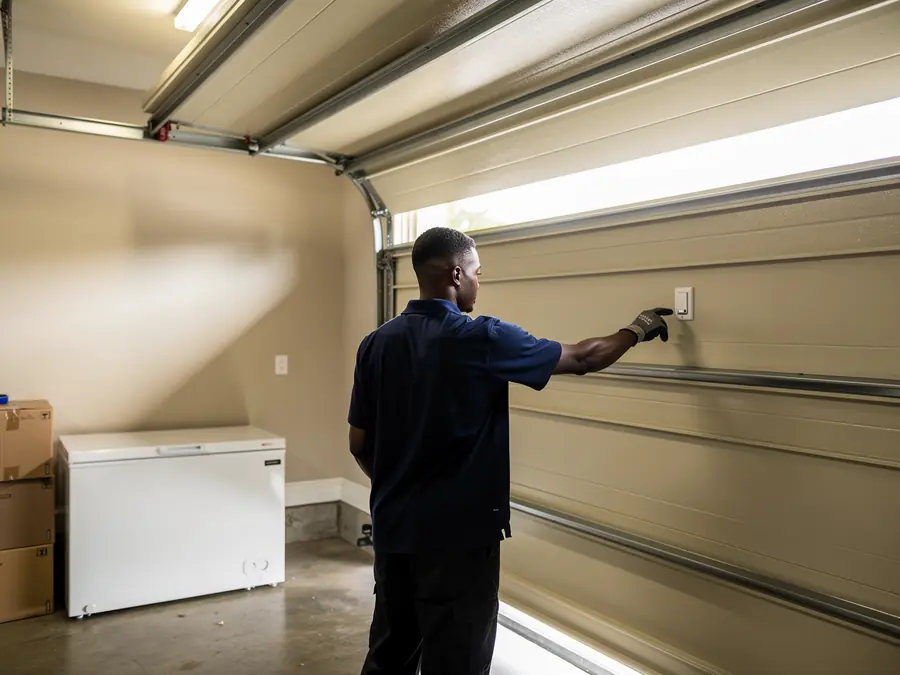 Garage Door ServiceGarage door repair for Simi Valley homes built mostly between 1956 and 1999 - spring, opener, and track fixes sized to this housing stock, not a generic checklist.
- 04
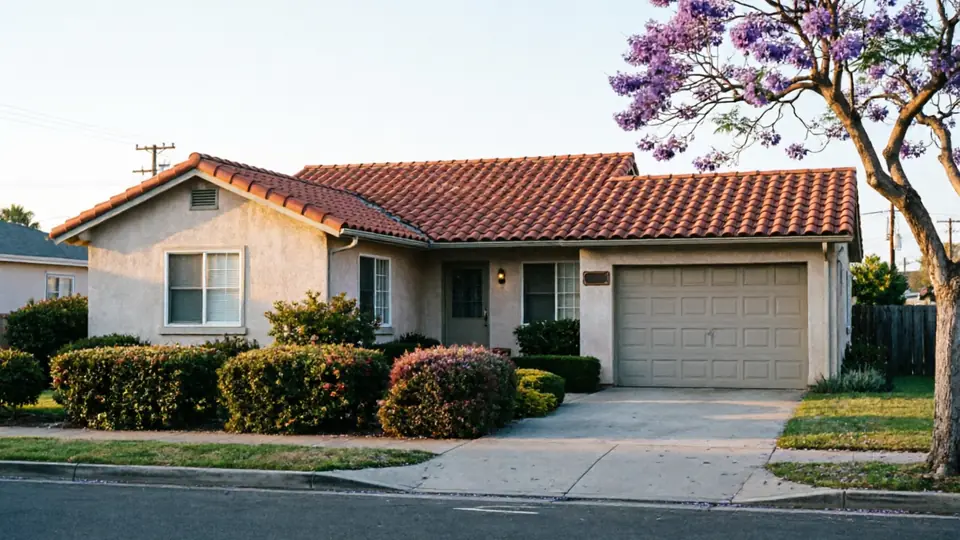 Opener RepairOpener repair for Simi Valley homes built mostly between 1956 and 1999, where original chain-drive units and aging circuit boards are the most common calls we get.
- 05
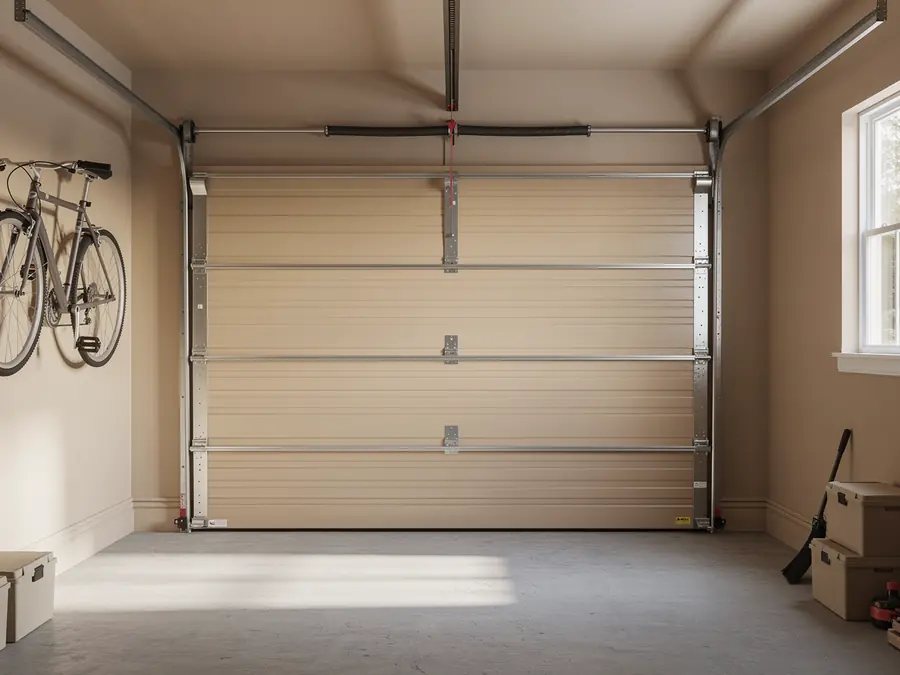 Spring RepairBroken torsion spring on a Simi Valley garage door? See why 1956-1999 construction and mild-climate wear make springs fail here, and what the repair takes.
- 06
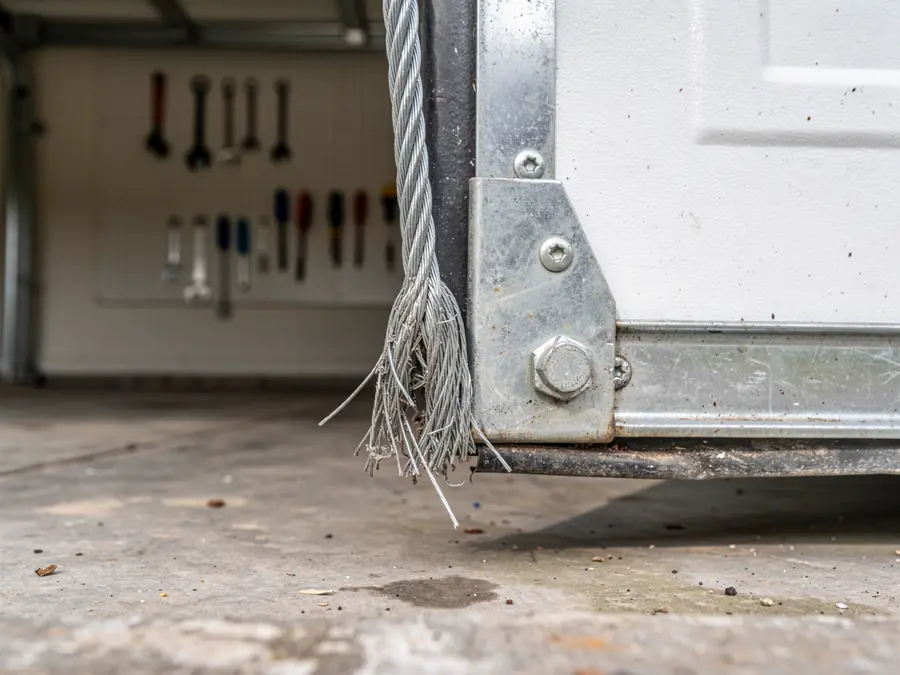 Cable RepairFrayed or snapped cable on a torsion or extension system? We repair garage door cables on the 1956-1999 housing stock common across Simi Valley and nearby areas.
- 07
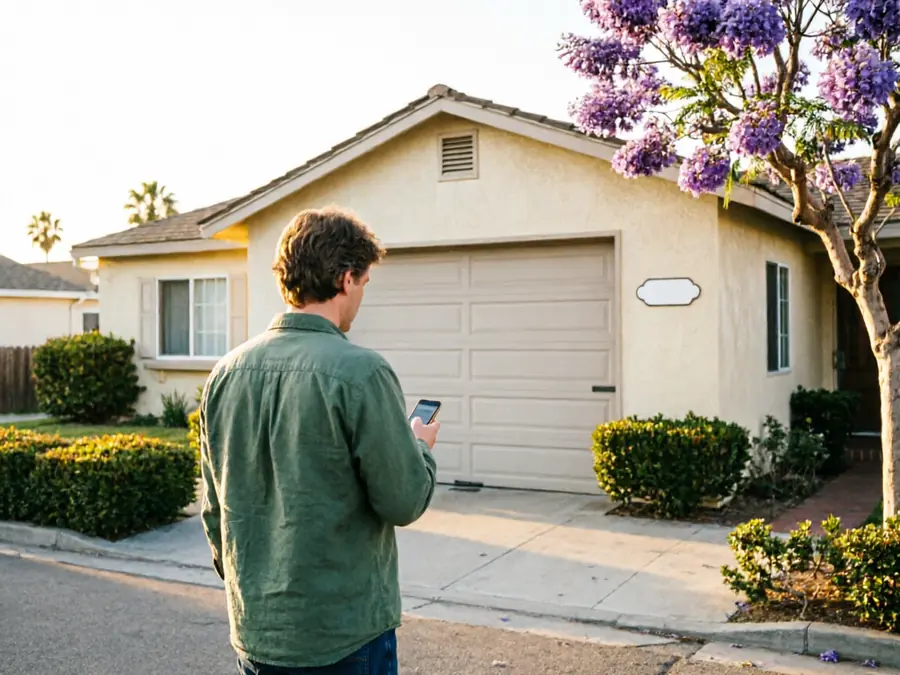 Off-Track RepairGarage Door Pros fixes off-track doors on the 1956-1999 housing stock common across Simi Valley, where original rollers and bent track are the usual cause.
- 08
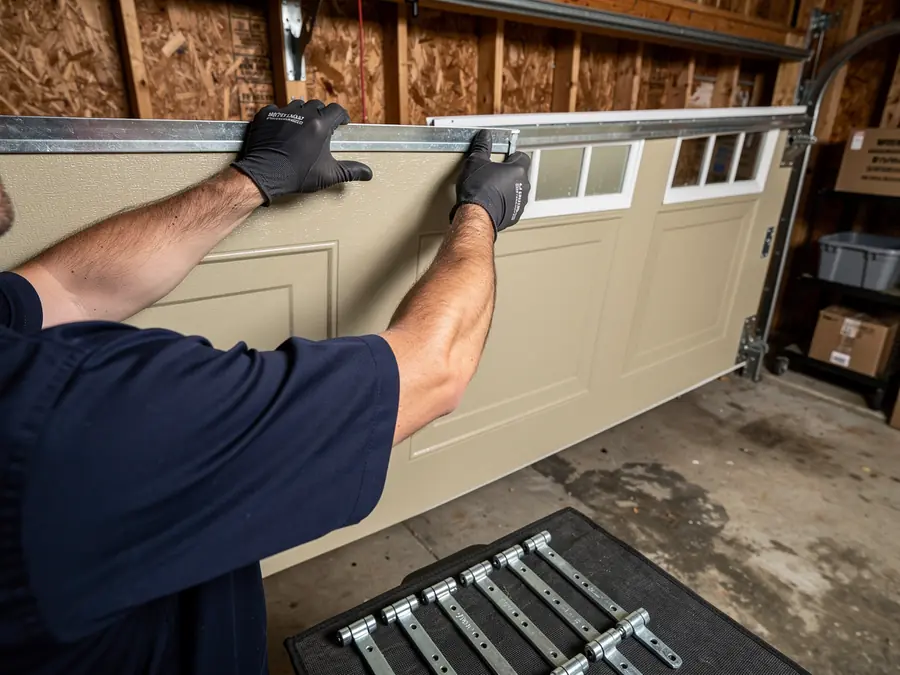 Panel ReplacementDented or cracked garage door panels are common on Simi Valley's 1956-1999 housing stock. We match panels to older steel and wood doors and replace what the sun has aged.
FAQ
Questions about this
How often should I get my garage door serviced in Simi Valley?
There's no hard rule, but given the age of housing here - much of it built between 1956 and 1999 - we'd suggest a check every couple of years once a door passes the 15-year mark, more if you hear new noise or feel the door getting heavier to lift by hand.
Does Simi Valley's climate wear out garage doors faster?
Not from cold - the mild temperate climate here spares doors the freeze-thaw damage you'd see further inland. The wear we see instead comes from sun and heat cycling on rollers, seals, and plastic opener parts over the decades.
Can you repair an original door from an older Simi Valley house?
Often, yes. A lot of 1956-1999 era doors have steel track and hardware that's still serviceable even if the spring or rollers need replacing. We check condition before recommending a full replacement.
What's the one thing you don't do on a service call?
We don't replace panels on every discontinued builder-grade door from the 80s and 90s - some older panel styles simply aren't available anymore, and in that case full door replacement is the honest answer.
Tell us what your door is doing.
We serve Simi Valley, CA and nearby communities. Every job starts with a diagnosis, so you know what failed before any work begins.