
Off-Track Repair · Fillmore
Off-Track Door Repair for Fillmore's 1970s Garage Hardware
Fillmore homes built around 1975 often still have original track brackets. We drive out from Simi Valley to re-seat and repair off-track doors without replacing parts that still work.
Can You Do This Yourself
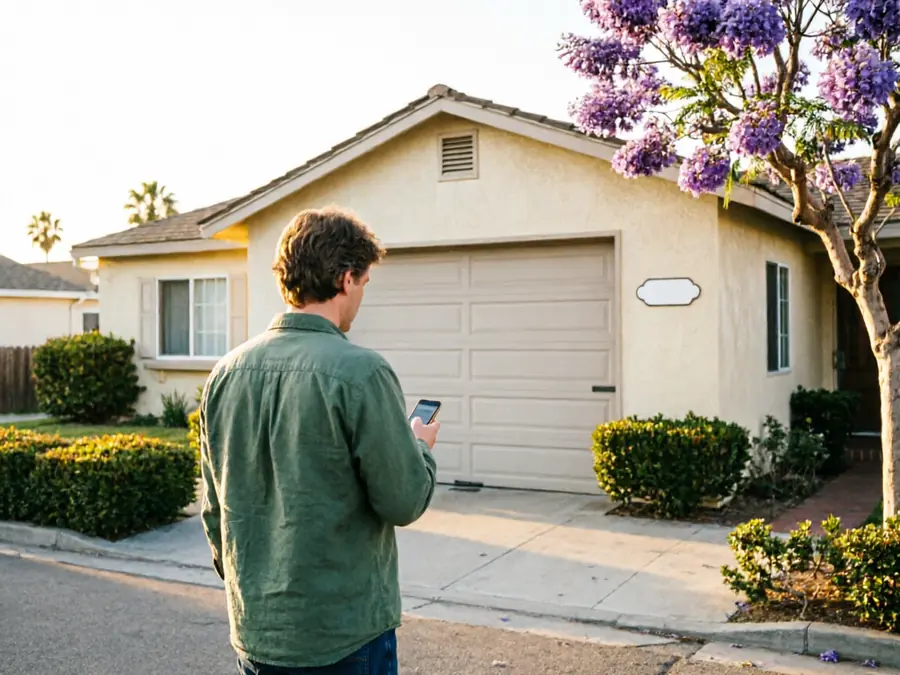
A door that's jumped its track usually means a roller has slipped free or a track bracket has worked loose, and on a house built around 1975 - the median build year for Fillmore - there's a decent chance that bracket has never been touched since the day it was installed. That's close to fifty years of screws backing out a sixteenth of a turn at a time into aging wood jambs.
You can sometimes push a light door back onto its track yourself if it's only off on one side and the opener is disconnected. What you should not do is force it, pry it, or run the opener to try to seat it - that's how a track bends or a cable comes off a drum, and then it's not a twenty-minute fix anymore. If the door came off because a cable snapped or a spring let go, stop. Springs under tension are not a DIY repair, full stop, regardless of how old the hardware is.
Our honest limit here: we're coming from Simi Valley, about 13 miles out, so we're not a same-hour walk-in operation for Fillmore the way we might frame things closer to home. If your door is off-track and leaning, block the opening and wait for the truck rather than keep working the door.
The Cost of This Job
Fillmore's median household income sits at $90,343, noticeably below the $146,404 median across the wider service area, and that gap shows up in how we scope these jobs - we try hard to re-seat and repair existing track and rollers rather than default to full replacement, since a lot of the hardware from a 1975 build is steel gauge that's still sound even when it's bent or pitted.
What drives the bill on an off-track call is usually not the labor, it's what broke to cause the derailment. A roller popped out of a worn track is a cheap fix. A bent track from someone trying to force the door back on is a track section swap. A snapped cable that let the door drop sideways off its rollers is cable-and-roller work together, sometimes with a trip to re-balance the spring.
We don't quote a number sight unseen for this one, because the range between those three scenarios is wide. What we can tell you is we'll look at the bracket and jamb condition first - on hardware this age, loose lag screws into softened wood are at least as common as a bad roller.
Parts We Carry
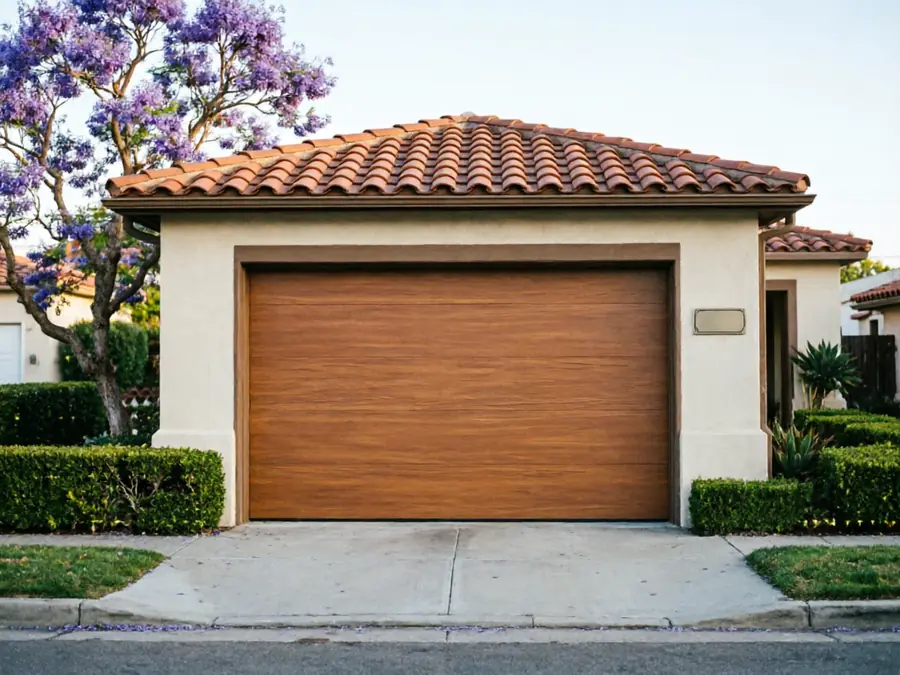
We stock the rollers, track sections, and cable that cover most off-track calls on houses from Fillmore's era - galvanized steel rollers to match the heavier gauge track common on builds from the mid-1970s, plus standard 2-inch track sections sized for single and double doors of that period.
What we don't carry on the truck is anything proprietary to a specific original manufacturer bracket if your door still has one - some houses from 1975 have track hangers that aren't a standard retail part anymore, and if yours is one of those, we may need to adapt a current bracket rather than match the old one exactly. We'll tell you on site if that's the case before we start cutting anything.
The area's mild temperate climate means we're not dealing with the rust-through failures you'd see on track hardware somewhere with real humidity or salt air, so when a bracket or roller has failed here, it's almost always mechanical wear or a loose fastener rather than corrosion eating through the metal. That actually works in your favor - it means more of the original hardware is salvageable than you'd guess from the age alone.
What the Repair Takes
Most off-track calls on a door this age break down the same way: disconnect the opener, check the spring tension is safe to work around, pull the door off what's left of the track engagement, inspect every roller and the full length of both tracks for bends, then re-hang and re-align before testing with the opener reconnected.
If it's a single roller out and the track is straight, that's a short job. If the track got bent from the door running off-center before anyone noticed, we have to true up or replace that section, which takes longer and means the door's out of service for the visit.
One thing worth knowing going in: on a 5,105-household town like Fillmore where a lot of garages haven't had the track hardware serviced since the original build, we often find more than one issue once we're actually looking - a worn roller near a loose bracket, for instance. We'd rather catch and quote that on the spot than have you call us back for a second off-track incident on the same door next month.
FAQ
Questions about this
Why is my garage door off-track if nothing hit it?
On houses built around Fillmore's median year of 1975, the usual cause is gradual wear - a roller that's worn thin, a track bracket with backed-out screws, or a spring that's lost enough tension that the door runs crooked. It rarely takes an impact; it's almost always years of small slack adding up until the door finally jumps the rail.
Do you have a local Fillmore office for faster response?
No. We run out of Simi Valley, about 13 miles from Fillmore, so we don't carry a same-hour walk-in presence there. We do carry the rollers, cable, and standard track sections that cover most off-track repairs on Fillmore's housing stock, so the trip out doesn't usually mean a second visit for parts.
Is it cheaper to replace the track than repair it?
Usually not, if the track itself is straight. Most off-track failures are a roller or bracket problem, not the track rail, and replacing a whole track on hardware from the 1970s when only a section needs attention costs more than it needs to. We replace track sections only when they're visibly bent or no longer holding alignment.
Tell us what your door is doing.
We serve Simi Valley, CA and nearby communities. Every job starts with a diagnosis, so you know what failed before any work begins.