
Blog
The Door on Your Simi Valley House Predates Insulation Rules
Most Simi Valley homes went up between 1956 and 1999, long before insulation standards applied to garage doors. Here's what that means for the door on your house.
Season by Season
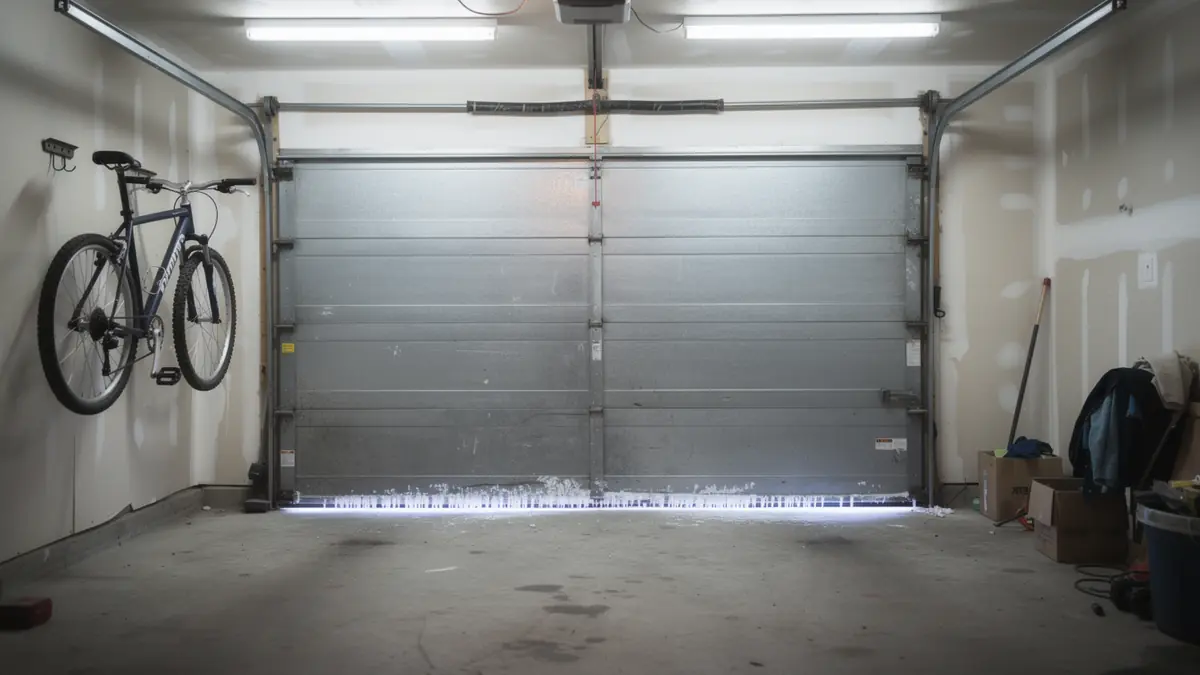
Simi Valley sits in a mild temperate band, so you're not fighting the freeze-thaw cycles that crack panels in colder states, and you're not dealing with the humidity swings that warp wood doors on the coast. That's the good news. The bad news is that mild weather is exactly why nobody ever went back and upgraded these doors - there was never an emergency cold snap forcing the issue. A door installed in 1983 with no insulation layer has sat there for decades doing fine on temperature alone, which is why most owners never think about it until the hardware fails and they're standing in front of the garage looking at what's actually on the track. The weather here doesn't punish a bad door. It just lets it sit, unexamined, for forty years.
That's worth knowing before you call anyone for a quote. A cosmetic crack or a slow-closing door isn't weather damage in this climate. It's age, plain and simple, and it tells you more about the install date than any inspection would.
What Local Conditions Do
Housing across this area runs 1956 to 1999, with the median landing around 1983, and the stock across the 17 named neighborhoods in the service area is mostly 1980s and 90s construction. Insulation standards for garage doors weren't something builders were routinely specifying through most of that window. What you get on a lot of these houses is a single layer of steel or a wood panel door with no foam core - functional, holds up fine in a mild climate, but it does nothing for sound and not much for the temperature swing between the garage and an attached laundry room or workshop.
This isn't a defect. It's just what builders put in at the time, and in a climate band this mild, it rarely mattered enough for anyone to replace it. The part that does matter now is that a door this old is running original hardware - springs and rollers rated for a different era of daily cycles - and that's usually where the actual failure shows up, not in the panel itself.
The Situation
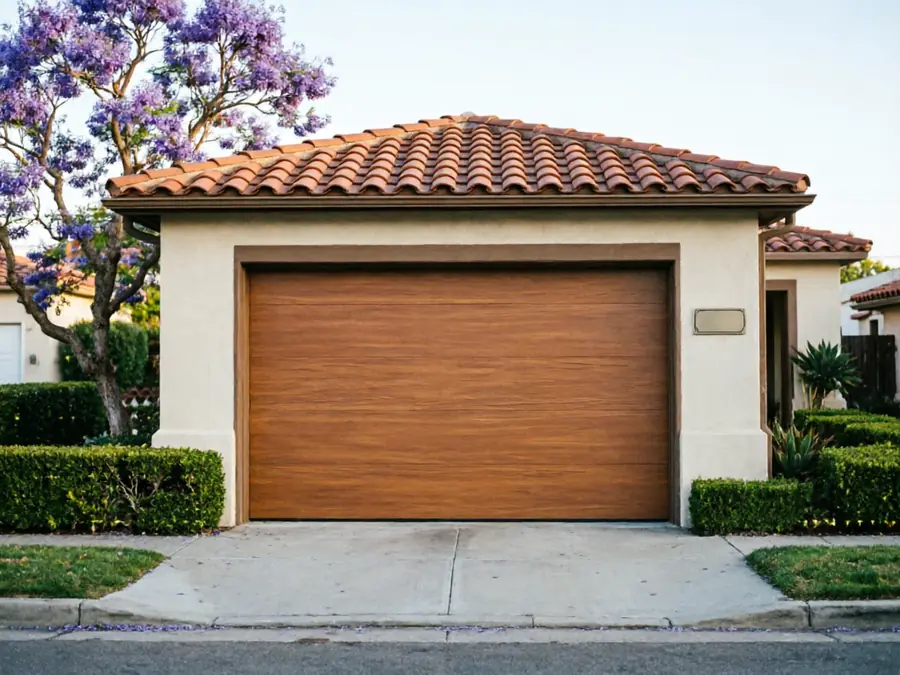
Across the service area there are roughly 69,002 households and about 37,120 owner-occupied houses, and given the 1956-1999 build window, a large share of those owners are living behind a door that's never been touched since the original install. Median household income here runs $146,404, which tells you something different than the housing age does: most of these owners can afford a real replacement, they just haven't had a reason to prioritize it because the door still closes.
The gap between "still works" and "still insulated to current expectations" is the whole story on this page. A door from the median build year does the first job. It was never built to do the second.
The Common Mistake
The mistake we see is homeowners assuming that because Simi Valley doesn't get brutal winters, an insulated door doesn't buy them anything. In a mild climate that's half true for raw temperature - but it ignores sound transmission and the fact that an uninsulated steel panel from the 80s flexes more and dents easier than a double-layer door with a foam core. If the garage backs onto a bedroom or a home office, that thin original panel is doing nothing to quiet it down, climate aside.
One limitation worth saying plainly: we don't push insulation upgrades on a door that's otherwise sound just because of its age. If the panel's straight, the hardware's serviceable, and it's not cracking or dented, replacing it for insulation alone is a judgment call for the owner, not something we'll talk you into. Where it does make sense is when the original door is already failing - bent track, a spring that's given out, rollers grinding - because at that point you're replacing it anyway, and choosing an insulated panel costs little extra over matching what's already there.
Services
Garage door services in Simi Valley
- 01
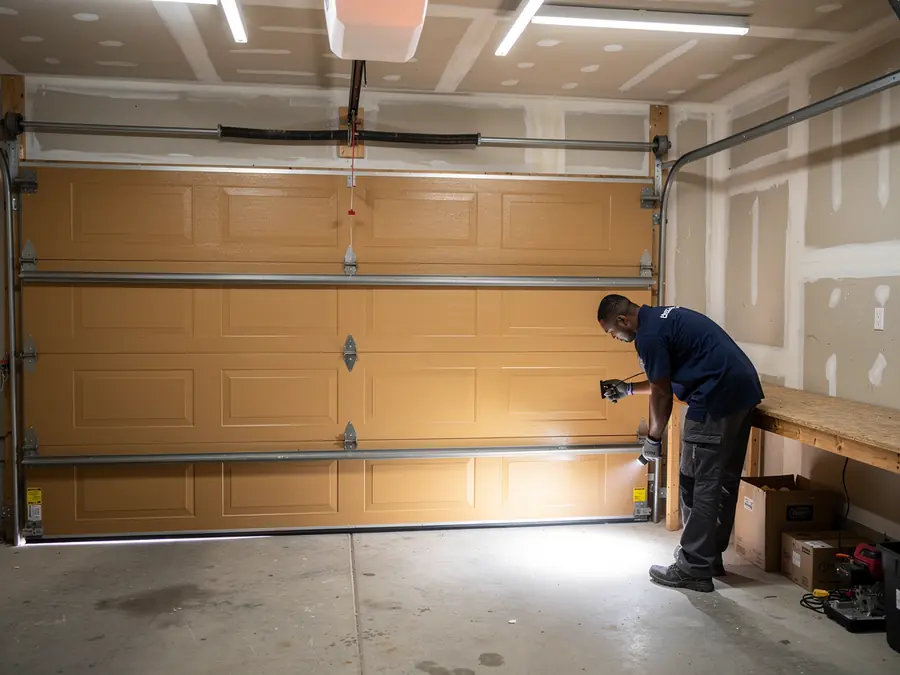 Garage Door RepairTorsion springs and openers from Simi Valley's 1960s-90s building boom are hitting the end of their service life together. Here's what the repair actually involves.
- 02
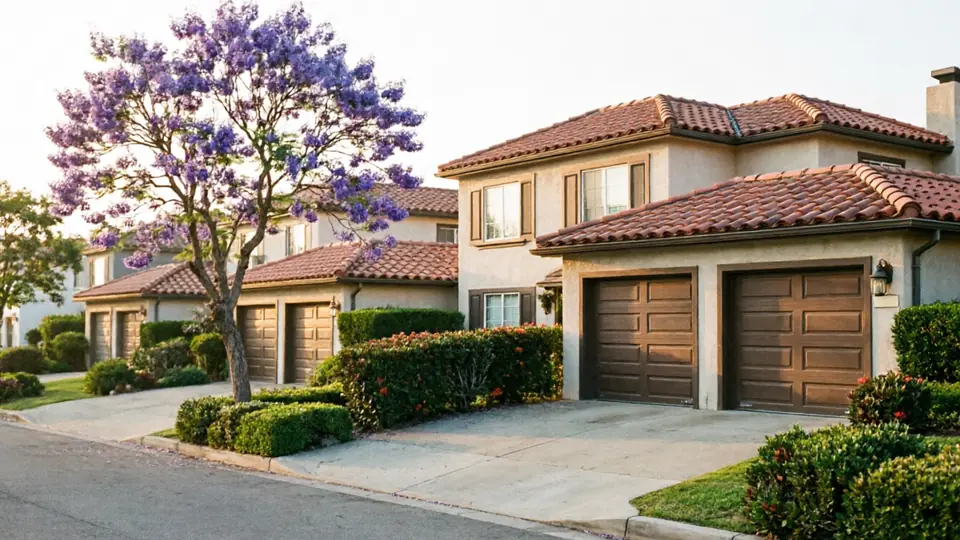 Garage Door InstallationNew garage door installation in Simi Valley, CA. Older 1960s-90s openers and doors in this mild climate often need full replacement, not another repair.
- 03
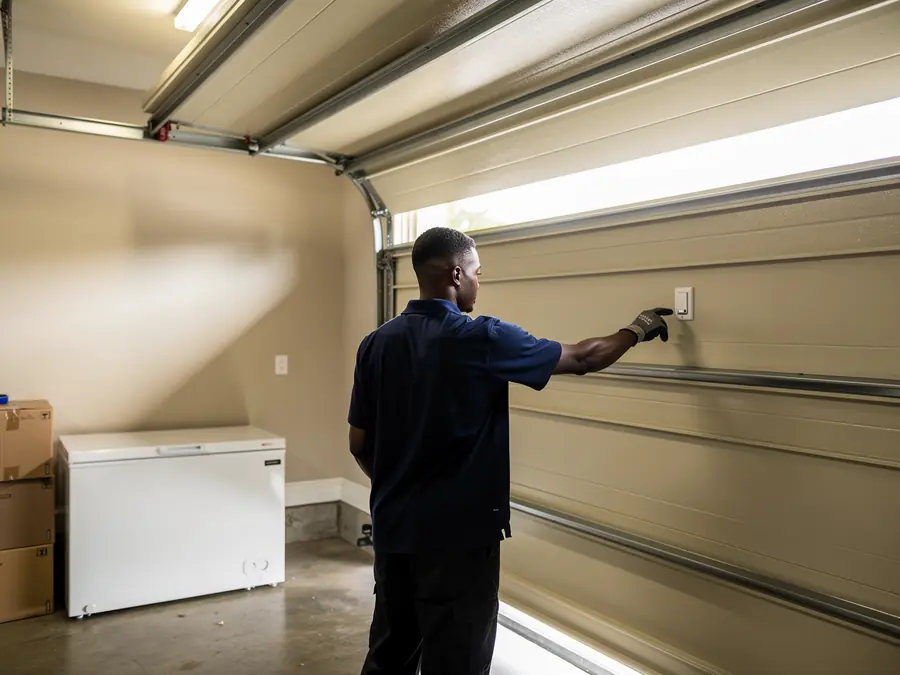 Garage Door ServiceGarage door repair for Simi Valley homes built mostly between 1956 and 1999 - spring, opener, and track fixes sized to this housing stock, not a generic checklist.
- 04
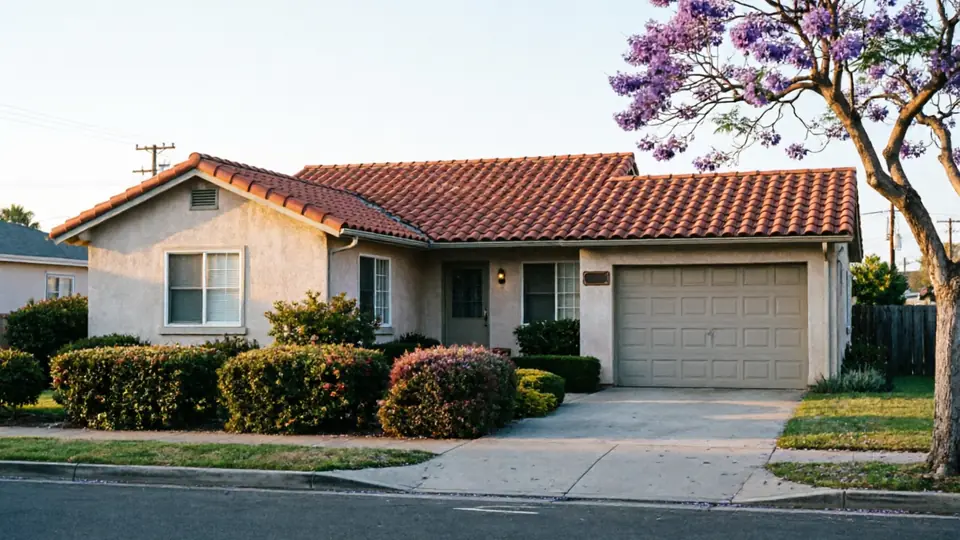 Opener RepairOpener repair for Simi Valley homes built mostly between 1956 and 1999, where original chain-drive units and aging circuit boards are the most common calls we get.
- 05
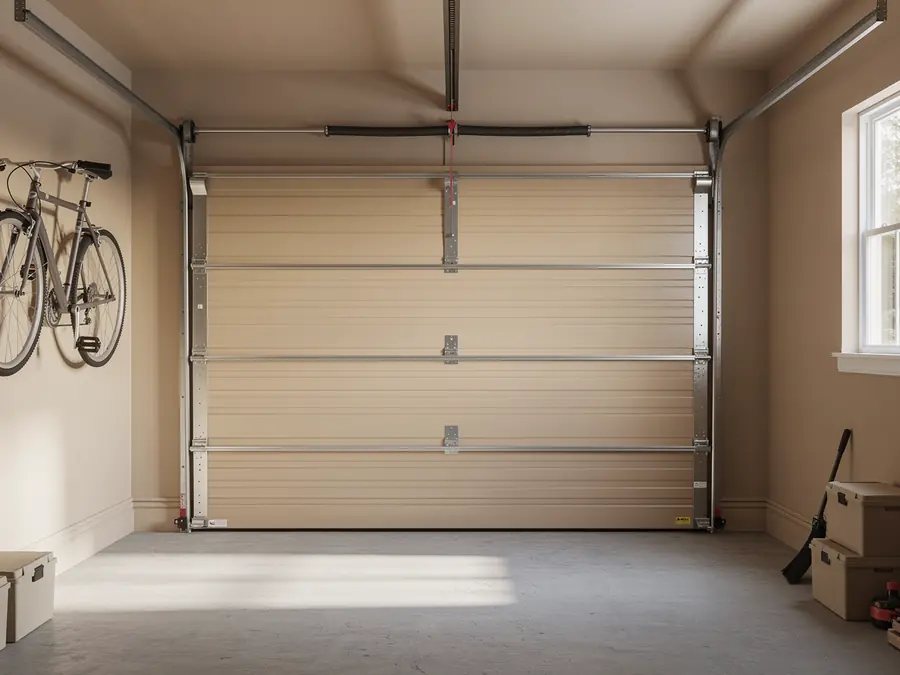 Spring RepairBroken torsion spring on a Simi Valley garage door? See why 1956-1999 construction and mild-climate wear make springs fail here, and what the repair takes.
- 06
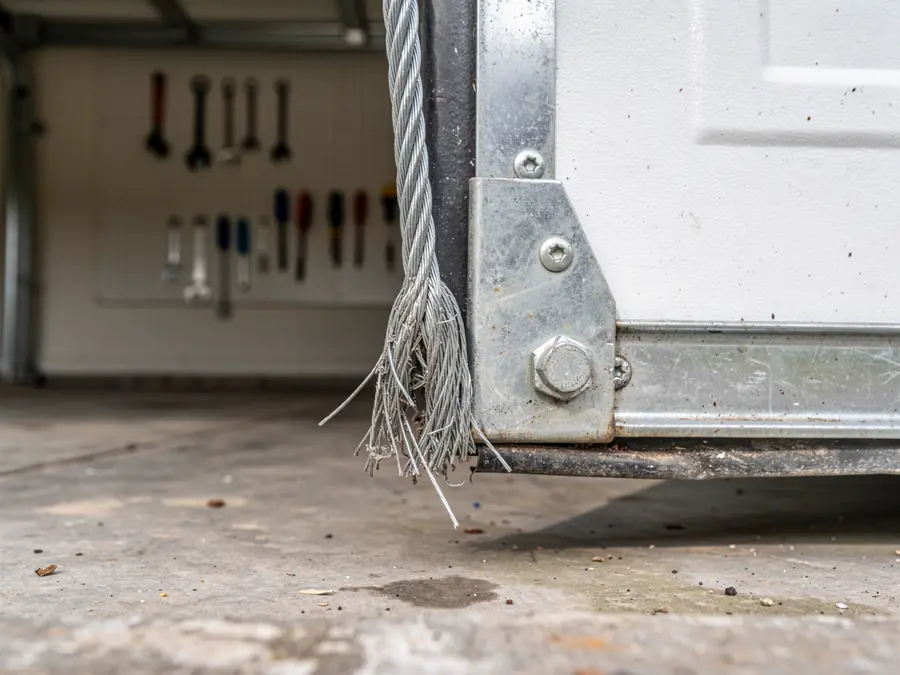 Cable RepairFrayed or snapped cable on a torsion or extension system? We repair garage door cables on the 1956-1999 housing stock common across Simi Valley and nearby areas.
- 07
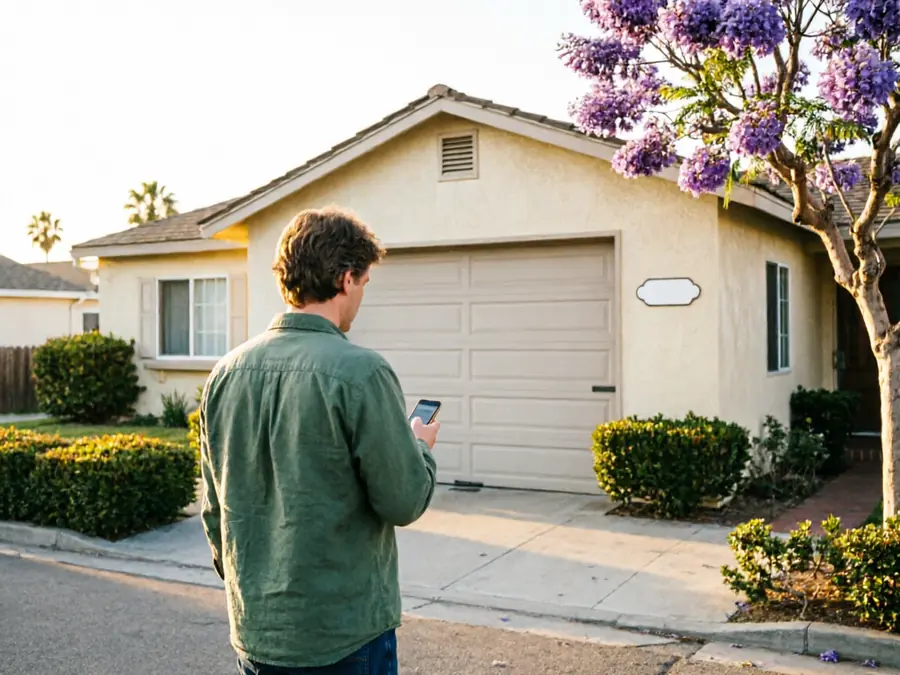 Off-Track RepairGarage Door Pros fixes off-track doors on the 1956-1999 housing stock common across Simi Valley, where original rollers and bent track are the usual cause.
- 08
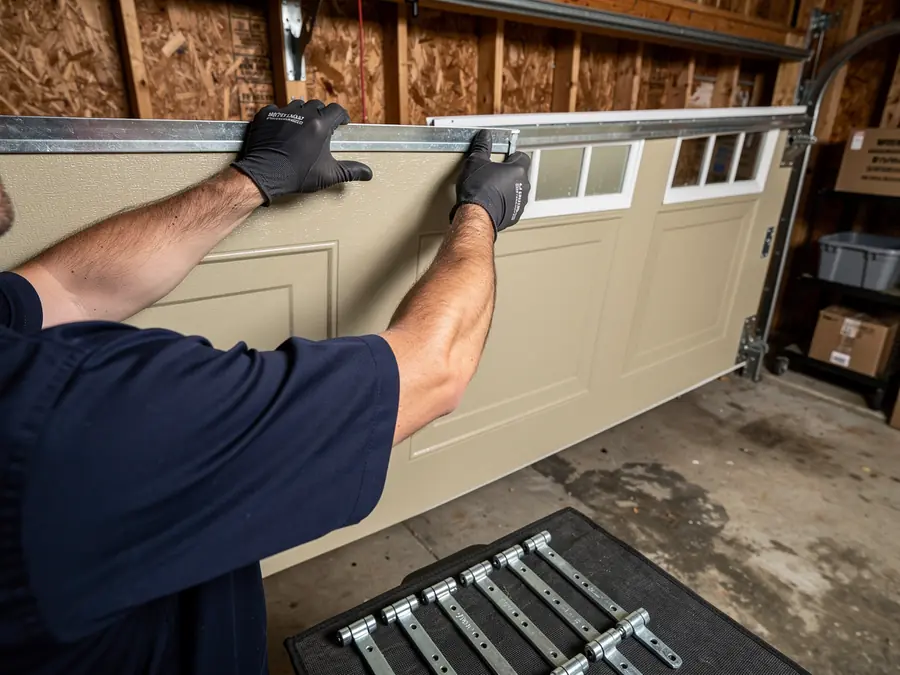 Panel ReplacementDented or cracked garage door panels are common on Simi Valley's 1956-1999 housing stock. We match panels to older steel and wood doors and replace what the sun has aged.
FAQ
Questions about this
Is my garage door insulated if my house was built in the 1980s?
Not necessarily. Most houses in this area were built between 1956 and 1999, with the median around 1983, and insulation wasn't a standard spec on garage doors through most of that period. If your door is original to the house, assume it's a single layer with no foam core unless you've had it replaced.
Does it matter that Simi Valley has mild weather if my door isn't insulated?
Less than it would in a harsher climate, but it's not nothing. An uninsulated door still lets more sound through and dents more easily than a double-layer panel, regardless of temperature. The mild climate here just means the lack of insulation shows up as noise and durability issues rather than energy bills.
Should I replace an old door just to add insulation?
Not if it's otherwise sound. If the panel's straight and the hardware works, an insulation-only upgrade is optional. If the door's already failing on hardware or panel damage, that's the point where swapping in an insulated door costs little extra over a like-for-like replacement.
Tell us what your door is doing.
We serve Simi Valley, CA and nearby communities. Every job starts with a diagnosis, so you know what failed before any work begins.