
Blog
When the Power Drops, Your Opener's Age Is What Matters
Simi Valley's housing stock runs 1956-1999, median 1983 - a lot of original openers here predate battery backup. Here's what that means when the power drops.
Season by Season
Simi Valley sits in a mild temperate band, which means you're not dealing with the kind of seasonal swing that cracks openers from heat or seizes them from cold. That's the good news. The bad news is that a mild climate doesn't explain away a power cut - those happen any month, any season, and they don't care that it's 72 degrees outside. What changes through the year isn't your opener's risk of failing; it's whether you're home to deal with it when it does. A cut during daylight on a mild afternoon is an inconvenience. The same cut at 9pm with a car stuck in the garage is a different problem, and the opener itself doesn't know the difference. There's no storm season here forcing you to think about backup power the way there might be elsewhere, so most owners never think about it until the lights go out and the door won't move. That's really the whole story for this section - the climate isn't doing the work of reminding you. You have to think about it on your own schedule, not the weather's.
What Local Conditions Do
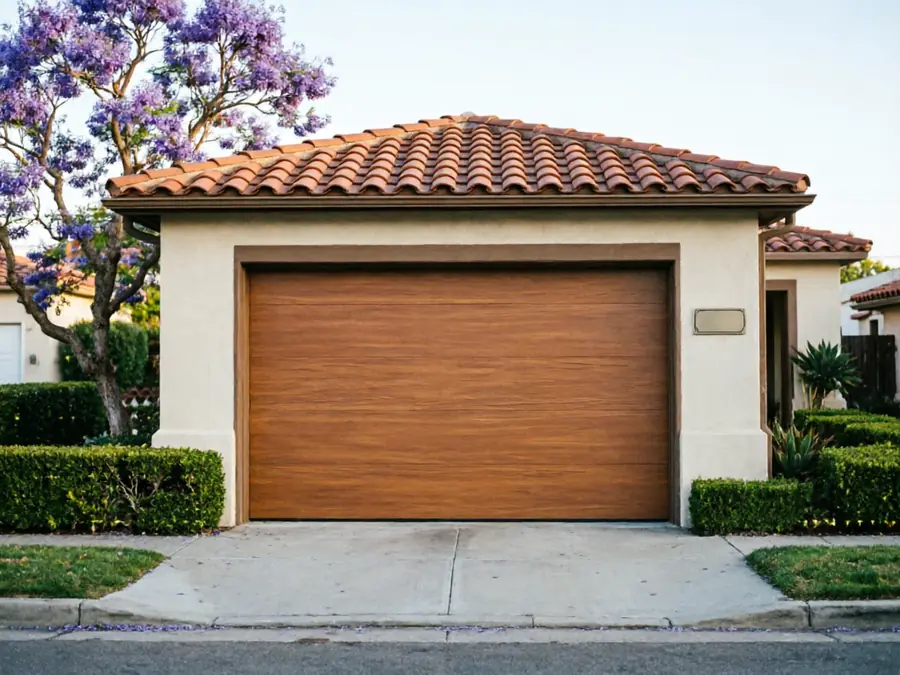
The housing across this service area mostly went up between 1956 and 1999, with the median landing around 1983, concentrated across the 17 named pockets of 1980s and 90s construction that make up most of the stock here. That matters for one specific reason: battery backup on garage door openers wasn't a widespread feature, let alone a code requirement, back when most of these units were installed or even replaced the first time. An opener bought for a house built in 1983 is very likely a chain-drive unit with no backup battery at all - it runs on wall power, full stop. With 37,120 owner-occupied houses in the service area, that's a large number of garages where a power cut means the opener is dead, not just slow. This isn't a defect or a sign of bad maintenance. It's just what was standard when these systems went in, and a lot of them are still running because they still work fine on grid power. The gap only shows up the moment the power doesn't.
The Situation
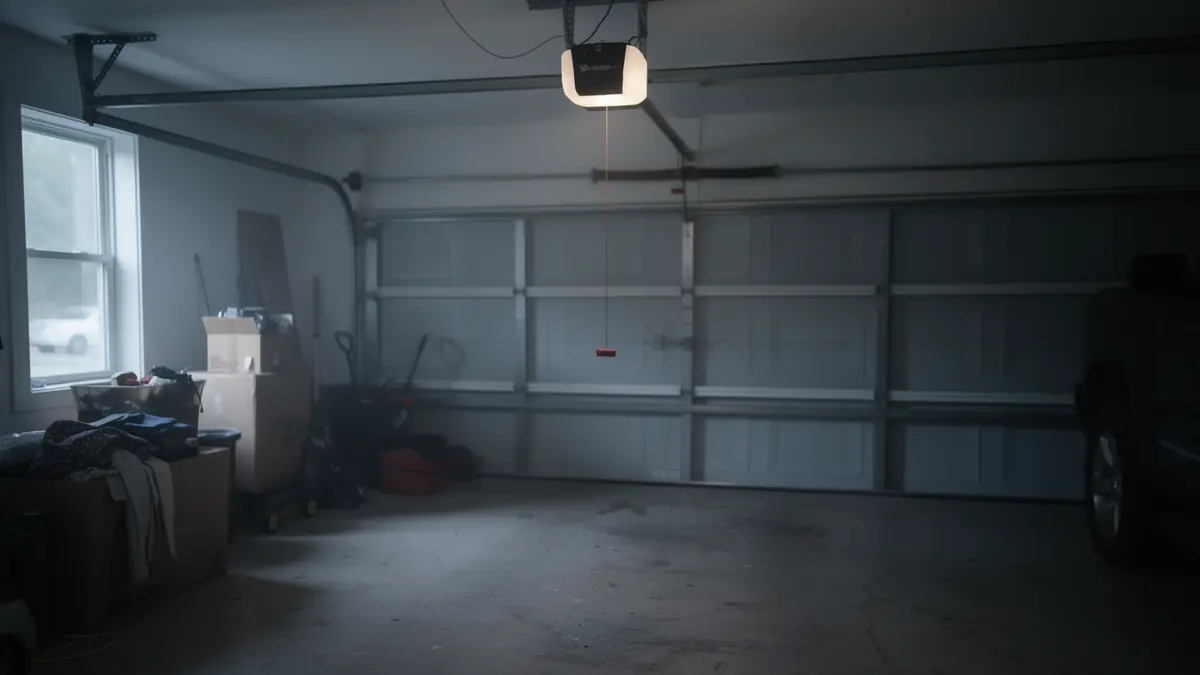
When the power cuts out, an opener without battery backup simply stops. It won't open, it won't close, and the door sits wherever it was when the power dropped - which is a problem if that happens to be halfway open or fully down with your car trapped inside. Every opener has a manual release, a cord with a red handle hanging from the trolley, that disconnects the carriage from the chain or belt so you can lift the door by hand. On original 1980s and 90s units, that release still works the same way it always has, but a lot of owners in houses from that era have never actually pulled it. The door is heavier than people expect once it's disconnected from the opener, especially on older steel panel doors without updated spring tension. That's the moment people hurt a back or jam a track trying to force it. Knowing where that cord is and how it operates, before the power ever goes out, is the only real prep that matters here.
The Common Mistake
The mistake we see most is owners assuming their opener has a battery backup because newer models do, and some retrofitted units around here do get installed with one now. If your opener dates to the original build era for this area, chances are good it doesn't, and you won't find out until a cut strips you of the one button you rely on. The second mistake is leaving the manual release untested for years. If it's stiff or hard to reach, you won't want to use it in the dark during an actual outage, and that's when people muscle the door open the wrong way and bend a track or pop a roller. We'll be straightforward about limits here too: we don't carry every opener model's specific backup battery kit on the truck, and sourcing one for an older or discontinued unit can take a few days. If having guaranteed backup power matters to you, that's worth a conversation before it's an emergency, not during one.
Services
Garage door services in Simi Valley
- 01
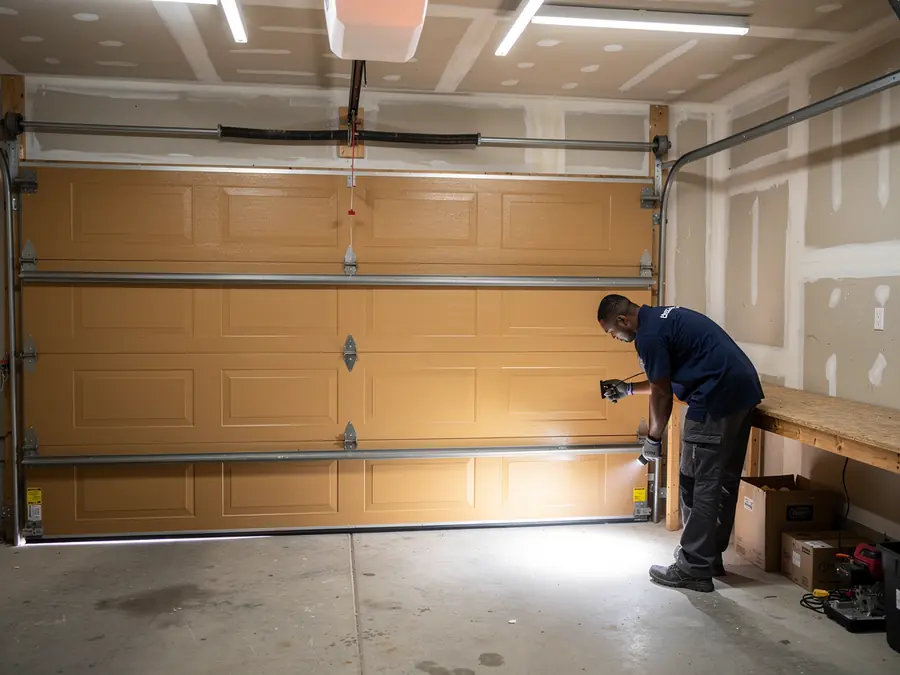 Garage Door RepairTorsion springs and openers from Simi Valley's 1960s-90s building boom are hitting the end of their service life together. Here's what the repair actually involves.
- 02
 Garage Door InstallationNew garage door installation in Simi Valley, CA. Older 1960s-90s openers and doors in this mild climate often need full replacement, not another repair.
- 03
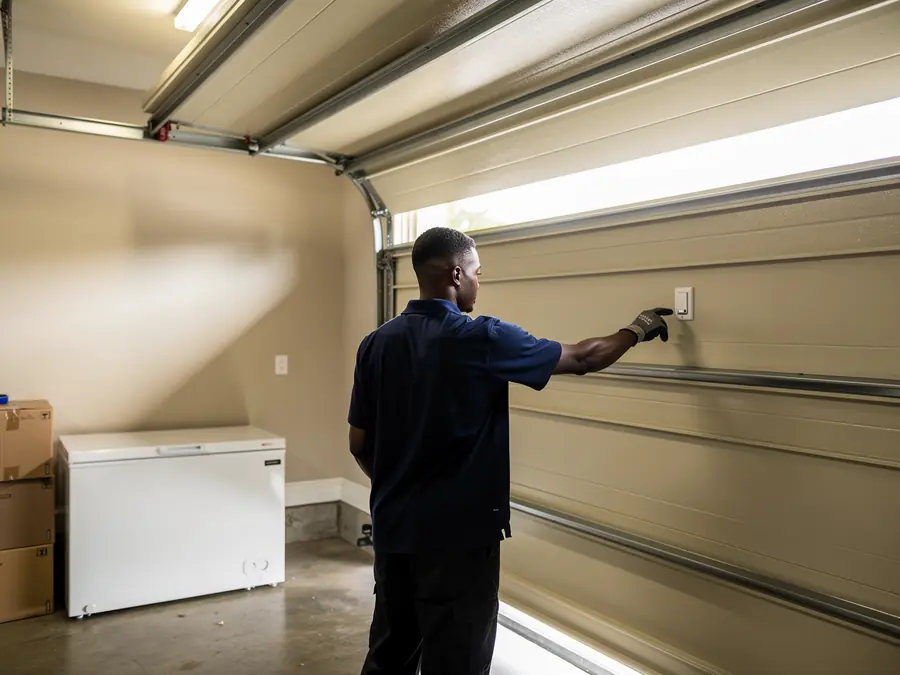 Garage Door ServiceGarage door repair for Simi Valley homes built mostly between 1956 and 1999 - spring, opener, and track fixes sized to this housing stock, not a generic checklist.
- 04
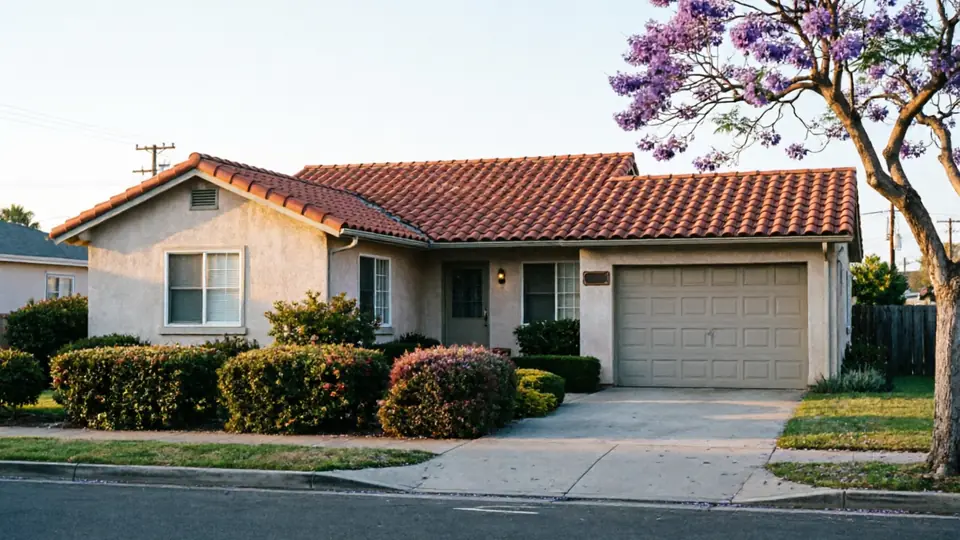 Opener RepairOpener repair for Simi Valley homes built mostly between 1956 and 1999, where original chain-drive units and aging circuit boards are the most common calls we get.
- 05
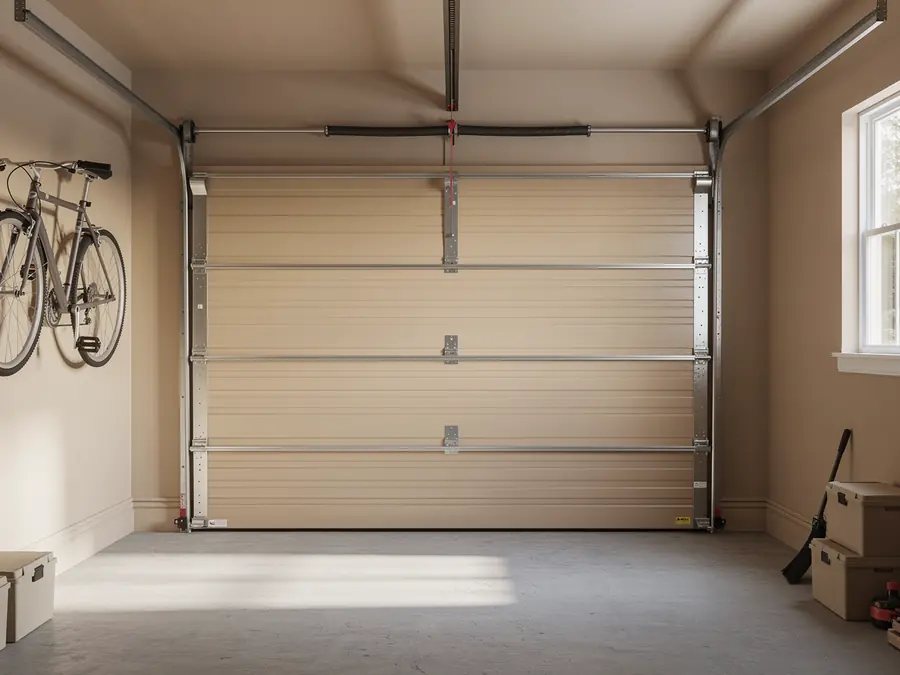 Spring RepairBroken torsion spring on a Simi Valley garage door? See why 1956-1999 construction and mild-climate wear make springs fail here, and what the repair takes.
- 06
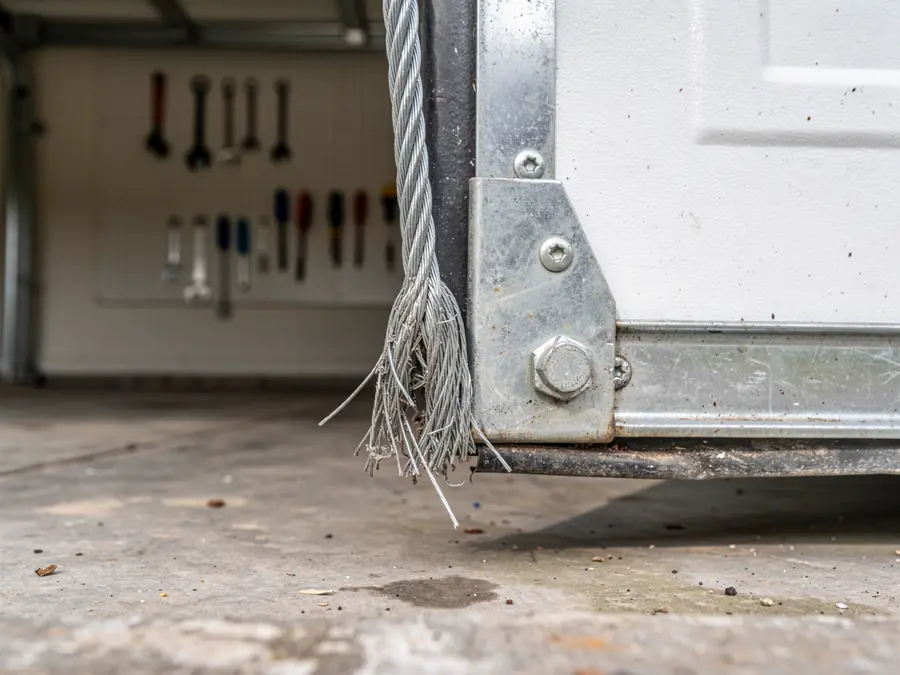 Cable RepairFrayed or snapped cable on a torsion or extension system? We repair garage door cables on the 1956-1999 housing stock common across Simi Valley and nearby areas.
- 07
 Off-Track RepairGarage Door Pros fixes off-track doors on the 1956-1999 housing stock common across Simi Valley, where original rollers and bent track are the usual cause.
- 08
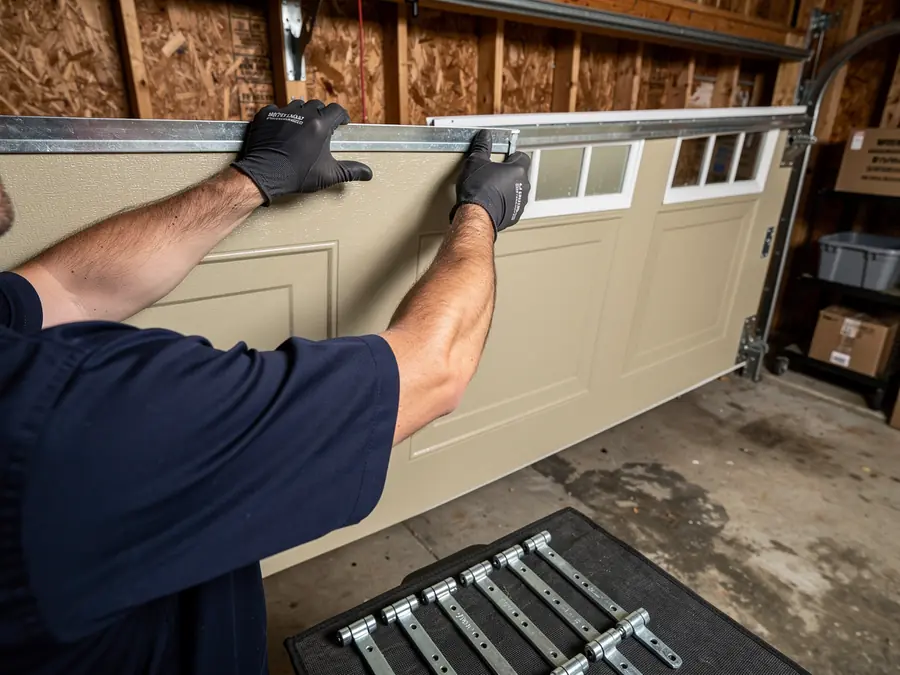 Panel ReplacementDented or cracked garage door panels are common on Simi Valley's 1956-1999 housing stock. We match panels to older steel and wood doors and replace what the sun has aged.
FAQ
Questions about this
Does my garage door opener have a battery backup already?
If your house falls in the typical 1956-1999 build range for this area and the opener hasn't been replaced recently, it probably doesn't. Battery backup wasn't standard equipment on most chain-drive openers installed during that stretch. Check the opener head unit for a sealed battery compartment - if you don't see one, you don't have backup power, and a cut will leave the door wherever it was.
How do I manually open my garage door during a power cut?
Locate the manual release cord with the red handle hanging from the trolley on the opener rail. Pull it straight down to disconnect the carriage, then lift the door by hand using the handle, not the panel edges. It's heavier than it looks on original steel doors from this era, so lift with your legs and be ready for resistance partway up.
Can I add battery backup to an older opener?
Some older units can take an add-on backup battery, but it depends on the model and how old it is. For openers original to 1980s and 90s construction, parts availability varies and sourcing the right kit isn't always a same-day job. It's worth checking before you need it rather than during an outage.
Tell us what your door is doing.
We serve Simi Valley, CA and nearby communities. Every job starts with a diagnosis, so you know what failed before any work begins.