Blog
Why a Door Goes Off Track in Simi Valley
Simi Valley's 1956-1999 housing stock and mild temperate climate create specific track problems. Here's what actually knocks a door off its rails here.
Season by Season
Simi Valley sits in a mild temperate band, so we don't get the freeze-thaw cycle that cracks concrete slabs and shifts track brackets the way it does in colder climates. That's the good news. The bad news is that a mild climate means homeowners here rarely think about their garage door until it fails, because there's no seasonal reminder like scraping ice off a windshield.
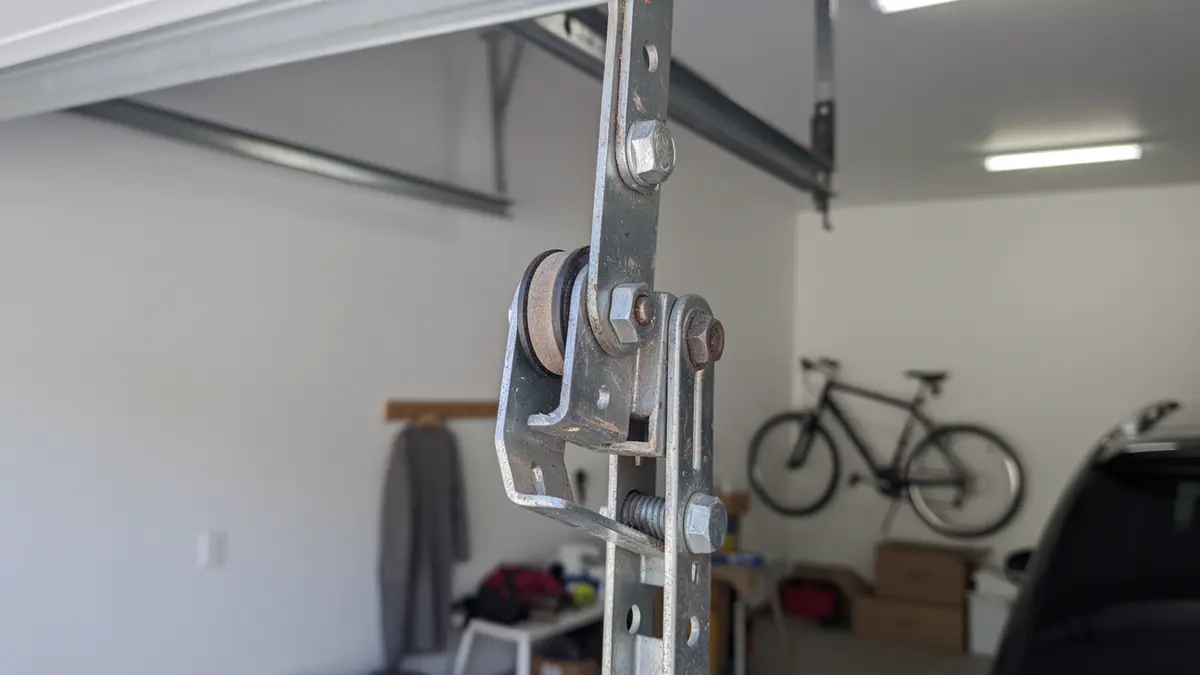
What we do see across the year is thermal expansion and contraction in the metal track itself, along with the slow loosening of fasteners in stucco and wood-frame construction that was never built with garage door loads as the first priority. A track that's a quarter-inch out of plumb in spring can be three-eighths out by fall, and nothing about that process announces itself with a cold snap or a storm. It just happens quietly, which is exactly why it goes unnoticed until a roller jumps the rail.
What Local Conditions Do
Most houses in this area were built between 1956 and 1999, with the median landing around 1983, and the bulk of the stock dating to the 1980s and 90s. That matters here more than almost anything else: tracks and mounting hardware from that era were sized for lighter doors and lighter springs than what a lot of homes have been upgraded to since. A single steel-panel door swapped for a heavier insulated one, hung on the original 1980s track brackets, is a common setup we find across the 17-plus residential areas in this service footprint.
Over decades, the lag screws holding those brackets into the framing work loose, especially in homes where the original wood jamb has dried and shrunk. The track stays bolted on, technically, but it's no longer square to the door. Add a worn roller or a spring that's lost tension, and the door starts walking sideways in the opening instead of riding straight up. This isn't a defect in the door. It's thirty-plus years of small shifts in a structure that was never rebuilt to match a heavier system.
The Situation
When a door comes off track in a house from this build era, it's almost always one of two things: a bent track rail from the door hitting an obstruction while the alignment was already marginal, or a bracket that's pulled away from the framing just enough to let the rail flare outward at the bottom. Once the rail flares, the rollers ride up on the lip instead of inside the channel, and every cycle after that makes it worse.
We also see cable issues tied to the same root cause. If the track is pulled even slightly out of parallel, the cable doesn't wind evenly on the drum, and it can jump the groove. The door looks like it's the problem, but the track alignment underneath it is what's actually failing. On a lot of these mid-century-to-late-century Simi Valley homes, the fix is re-anchoring the bracket into solid framing, not just bending the rail back and hoping it holds.
The Common Mistake
The mistake we see most is someone noticing the door rubbing or squealing on one side, grabbing a rubber mallet, and bending the track back to where it looks straight. It'll often run fine for a few weeks. Then the same bracket that was already pulling loose lets go the rest of the way, usually while the door is mid-cycle with the spring under full tension, and that's a different kind of call entirely.
We'll say plainly what we don't do: we don't recommend trying to re-square track yourself on a door with a torsion spring loaded, because the spring is what makes a bent track dangerous rather than just annoying. If your door is rubbing, bowing out at the bottom, or the rollers are visibly riding the outer lip of the rail, that's worth a look before it becomes a jammed door or a dropped panel. Get in touch if that's what you're seeing.
Services
Garage door services in Simi Valley
- 01
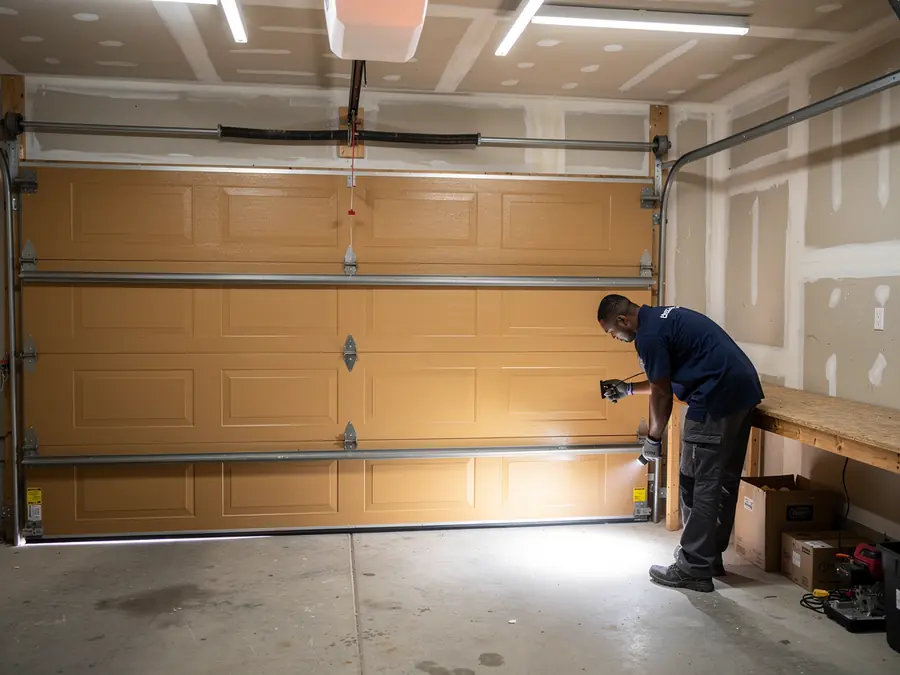 Garage Door RepairTorsion springs and openers from Simi Valley's 1960s-90s building boom are hitting the end of their service life together. Here's what the repair actually involves.
- 02
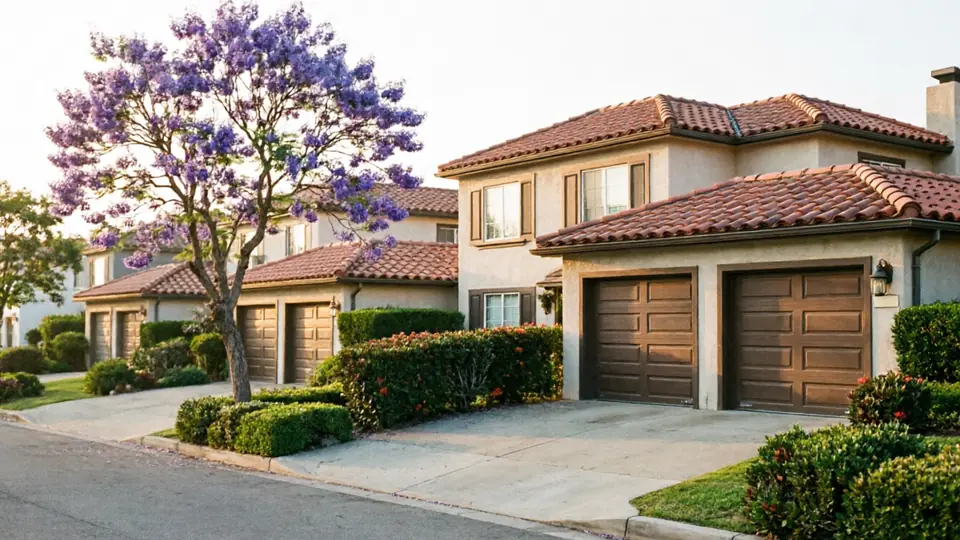 Garage Door InstallationNew garage door installation in Simi Valley, CA. Older 1960s-90s openers and doors in this mild climate often need full replacement, not another repair.
- 03
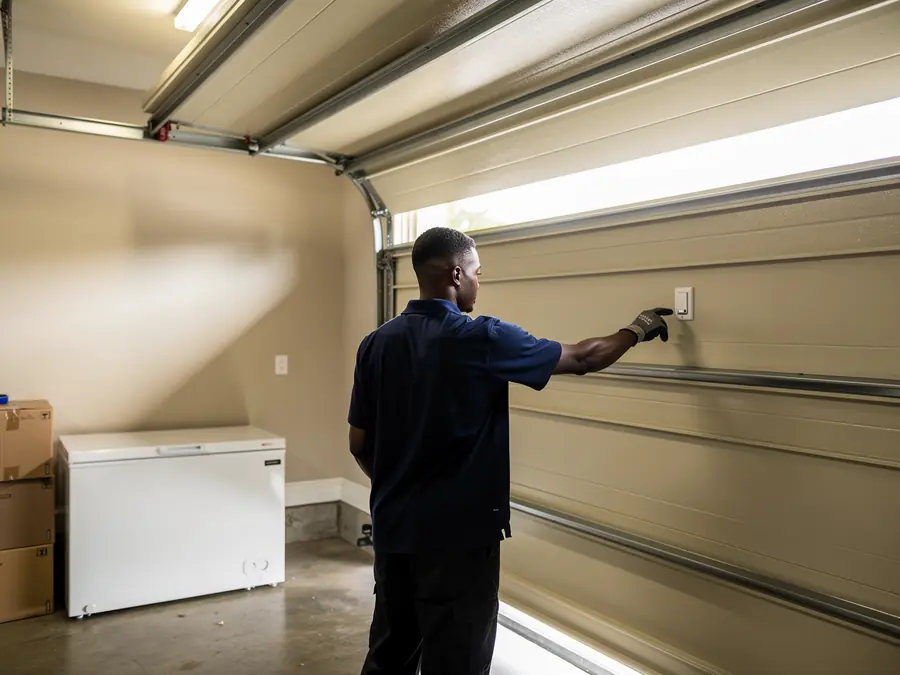 Garage Door ServiceGarage door repair for Simi Valley homes built mostly between 1956 and 1999 - spring, opener, and track fixes sized to this housing stock, not a generic checklist.
- 04
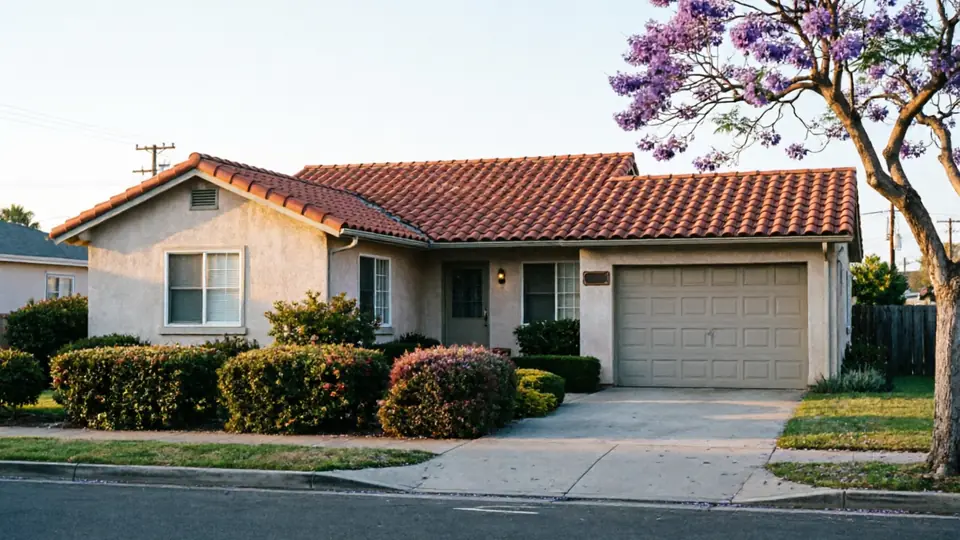 Opener RepairOpener repair for Simi Valley homes built mostly between 1956 and 1999, where original chain-drive units and aging circuit boards are the most common calls we get.
- 05
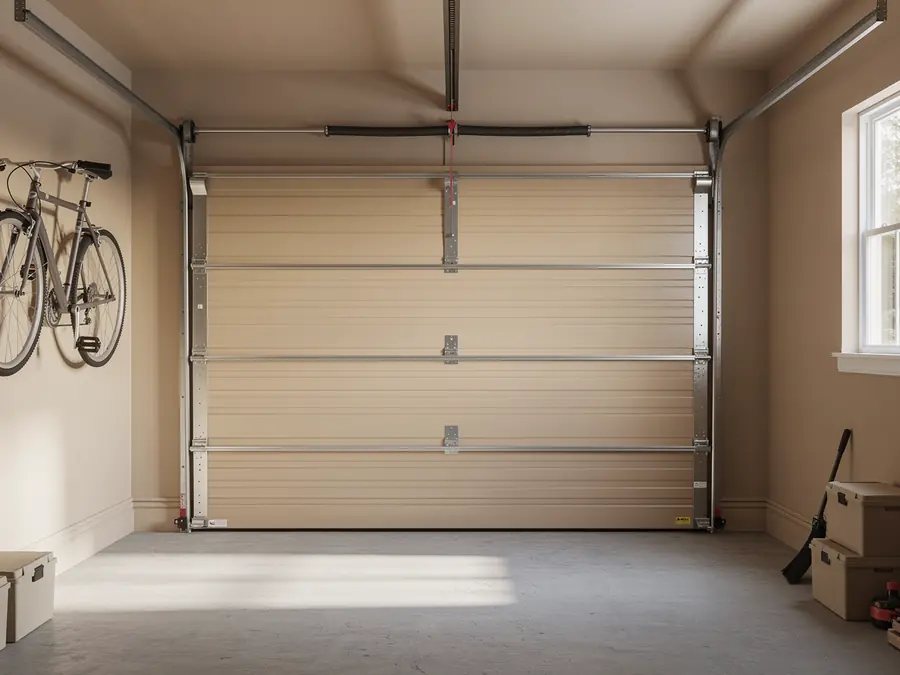 Spring RepairBroken torsion spring on a Simi Valley garage door? See why 1956-1999 construction and mild-climate wear make springs fail here, and what the repair takes.
- 06
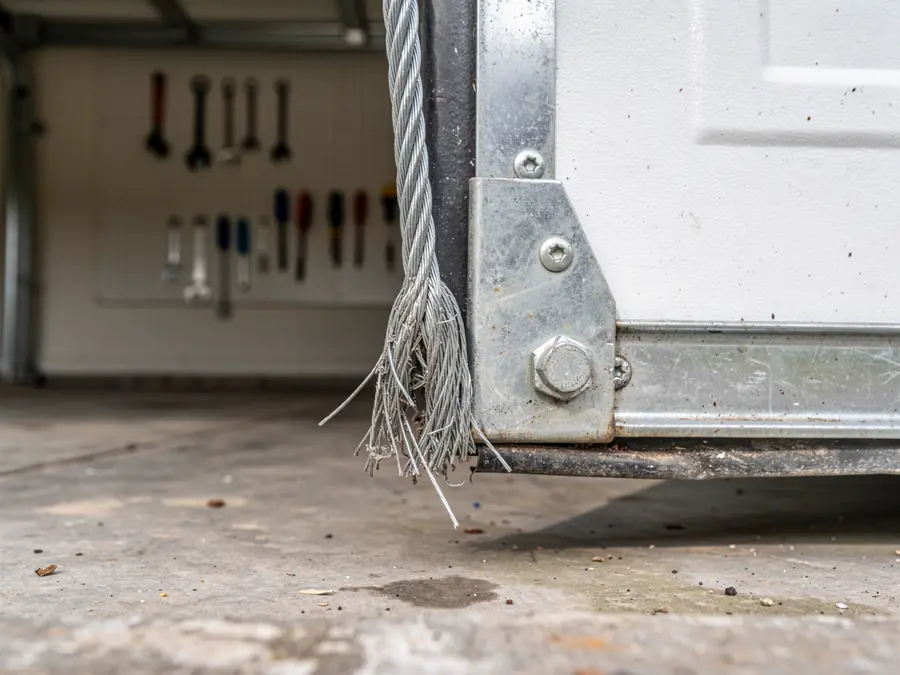 Cable RepairFrayed or snapped cable on a torsion or extension system? We repair garage door cables on the 1956-1999 housing stock common across Simi Valley and nearby areas.
- 07
 Off-Track RepairGarage Door Pros fixes off-track doors on the 1956-1999 housing stock common across Simi Valley, where original rollers and bent track are the usual cause.
- 08
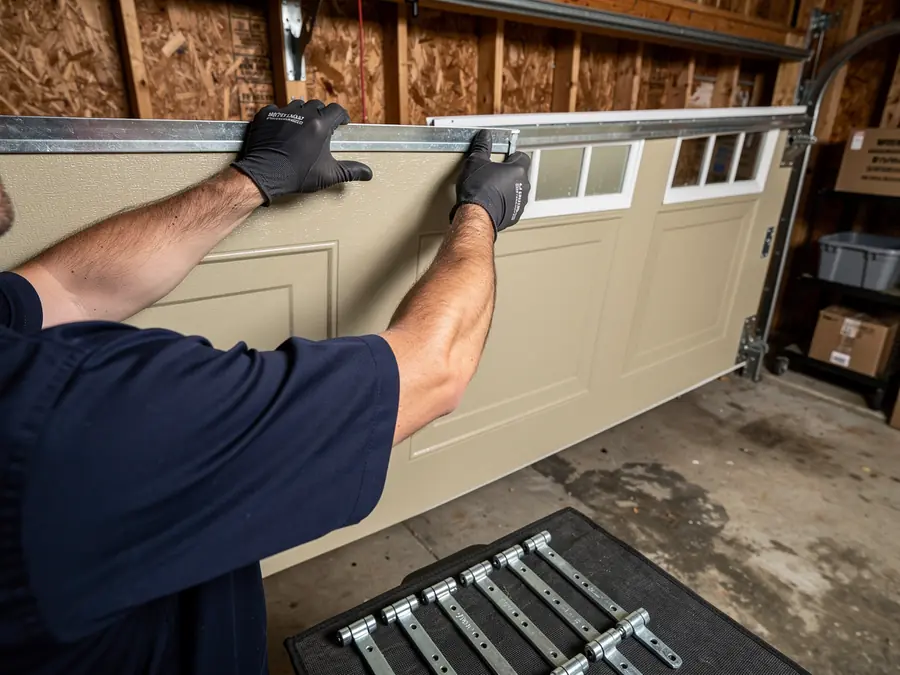 Panel ReplacementDented or cracked garage door panels are common on Simi Valley's 1956-1999 housing stock. We match panels to older steel and wood doors and replace what the sun has aged.
FAQ
Questions about this
Is a door going off track a spring problem or a track problem?
Usually both are connected. A track that's pulled slightly out of alignment changes how evenly the cable winds on the drum, which puts uneven load on the spring. We check the bracket anchoring and the rail alignment first, since bending the rail back without fixing the anchoring just lets it happen again.
Why does this seem to happen more in older Simi Valley homes?
Most homes in this service area were built between 1956 and 1999, with a lot of the stock from the 1980s and 90s. Track hardware and framing from that period was sized for lighter doors, and decades of fastener loosening in the original wood jamb is a common cause of a rail pulling out of square.
Can I just push the door back onto the track myself?
Not if the spring is under tension, which it almost always is on a closed or partially open door. A bent or loose track combined with a loaded spring is how fingers and door panels get hurt. It's worth having someone check the bracket anchoring rather than forcing the rail back into place.
Tell us what your door is doing.
We serve Simi Valley, CA and nearby communities. Every job starts with a diagnosis, so you know what failed before any work begins.