
Blog
What That Grinding or Popping Noise Is Telling You
Most Simi Valley houses date from 1956 to 1999. That hardware age tells you what a grinding, popping, or rattling garage door is actually telling you.
Season by Season
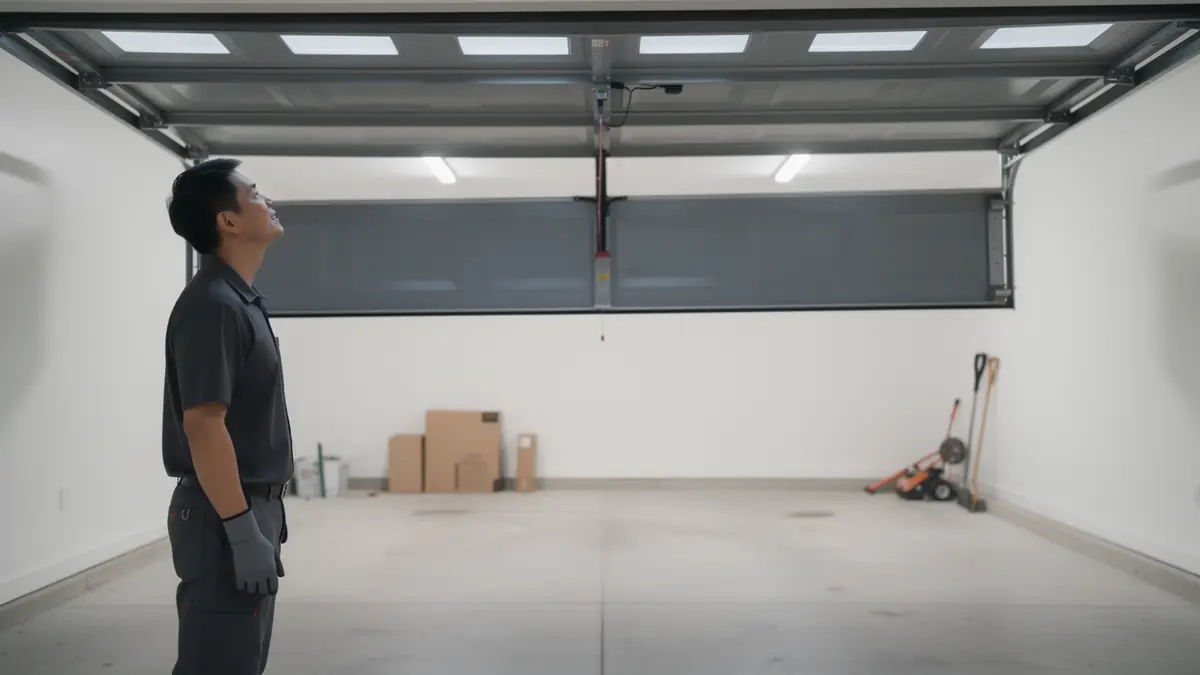
Simi Valley sits in a mild temperate band, so you don't get the hard freeze-thaw cycles that crack concrete slabs or shock metal in colder climates. That's good news, but it doesn't mean the door stays quiet all year. Mild swings in morning humidity and afternoon heat still make steel expand and contract a little, day after day, year after year. On a door that's original to a house built decades ago, that slow cycling is what finally works a loose roller stem free or lets a spring coil start rubbing where it shouldn't. You won't hear a sudden seasonal bang the way owners do in places with real winters. What you'll hear instead is a gradual change - a squeak that shows up in March and never fully goes away, a rattle that gets a half-step louder every few months. That slow drift is the signature of a mild climate wearing down old hardware rather than breaking it outright. If your door has been making the same small noise for over a year and it's gotten worse, that's not a fluke of the weather. That's wear, and it's been building the whole time.
What Local Conditions Do
Across the 17 named areas that make up this part of the valley, most of the housing stock went up between 1956 and 1999, with the bulk of it from the 1980s and 90s. That matters more than people think. A door installed when a tract home was built in, say, 1985 is now running on a torsion or extension system that was standard for that era - and a lot of it is still the original spring, not a replacement. Original springs from that period weren't built with today's cycle-life ratings, and after thirty-plus years of daily use they don't fail cleanly. They start making noise first: a creak on the way up, a clunk at the top of travel, a faint grinding as the coils rub against a worn bearing plate. Newer builds in the valley, where they exist, tend to have hardware that's at least been through one replacement cycle, which usually means smoother, newer-generation springs and rollers. So the age of the noise complaint tends to track the age of the block. If your house dates to that original 1980s wave of construction and nobody's touched the door since, the noise you're hearing is very likely original equipment telling you it's near the end of its service life, not a one-off glitch.
The Situation
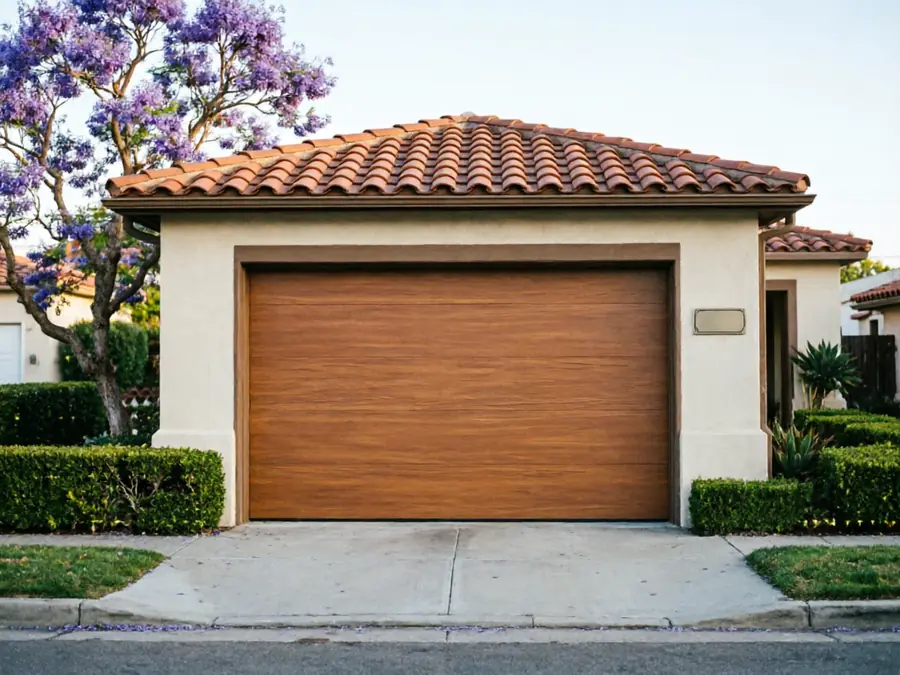
Here's the pattern we see across the service area's roughly 37,120 owner-occupied houses: a door that's been quiet for years starts making one specific noise, and the homeowner assumes it's minor because the door still opens and closes fine. A rhythmic thump once per rotation usually means a flat spot on a roller or a bent track section, not the spring. A sharp metallic pop, especially right when the door starts moving, often means a torsion spring that's about to let go - and that's not a sound to keep living with. A low grinding hum that rises and falls with the door's motion is frequently a bearing plate at the center of the torsion shaft wearing out, which is common once a system passes the 20-year mark. A squeal that disappears after the door's been used a few times in a row but comes back after sitting overnight points to dry hinges rather than anything structural. None of these noises mean the same thing, and none of them mean
The Common Mistake
placeholder
Services
Garage door services in Simi Valley
- 01
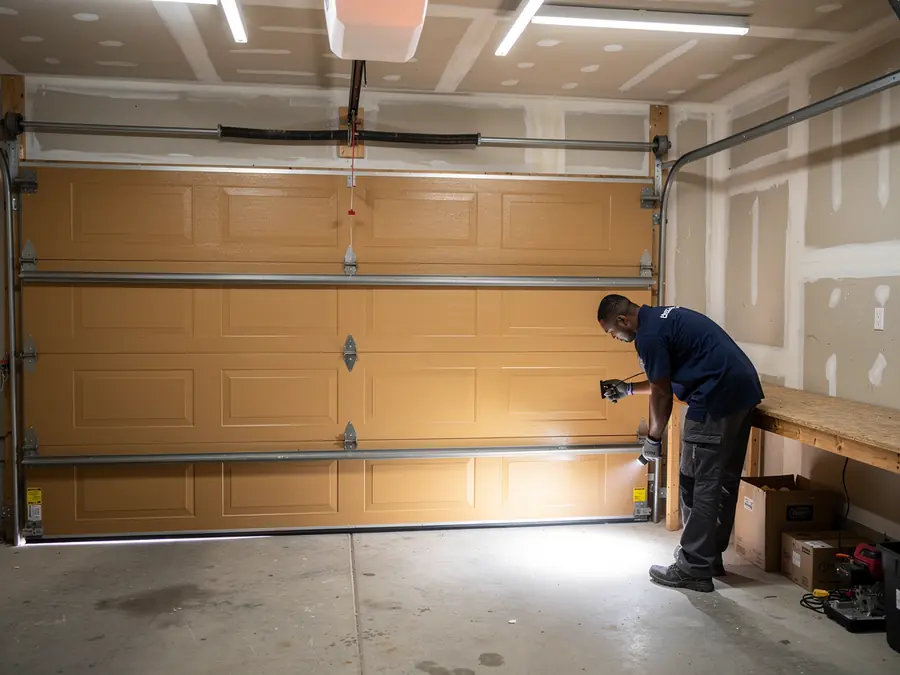 Garage Door RepairTorsion springs and openers from Simi Valley's 1960s-90s building boom are hitting the end of their service life together. Here's what the repair actually involves.
- 02
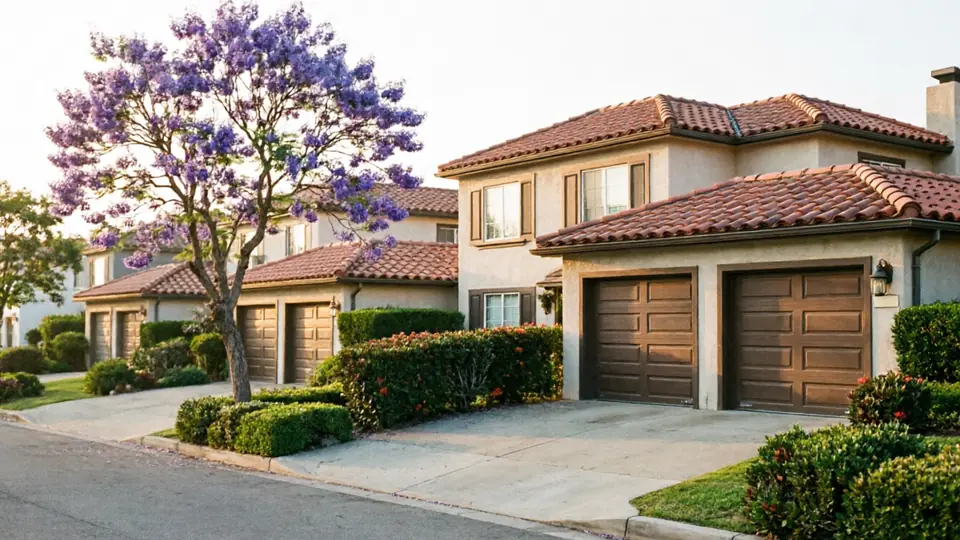 Garage Door InstallationNew garage door installation in Simi Valley, CA. Older 1960s-90s openers and doors in this mild climate often need full replacement, not another repair.
- 03
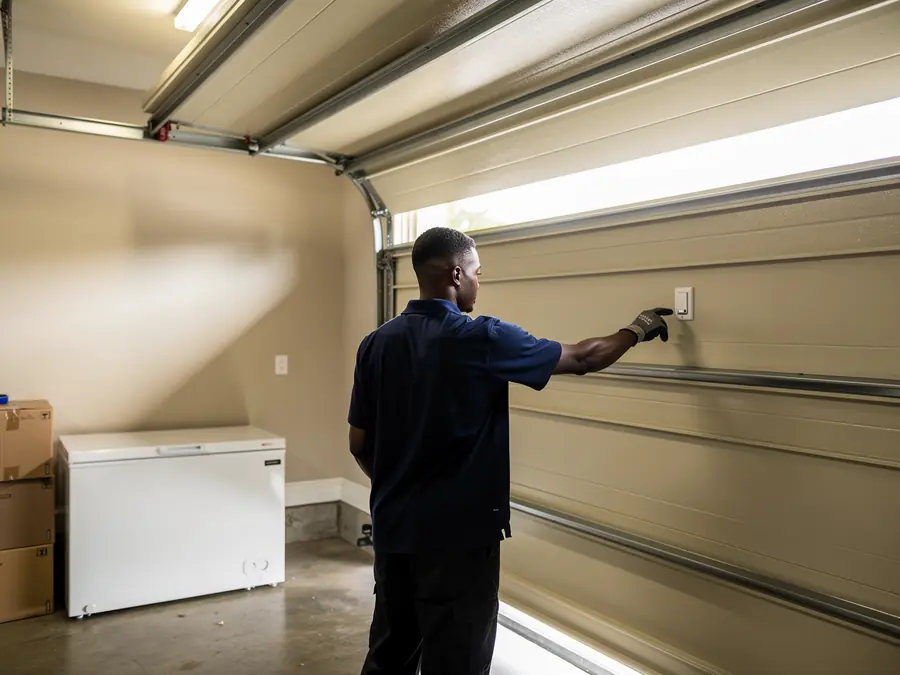 Garage Door ServiceGarage door repair for Simi Valley homes built mostly between 1956 and 1999 - spring, opener, and track fixes sized to this housing stock, not a generic checklist.
- 04
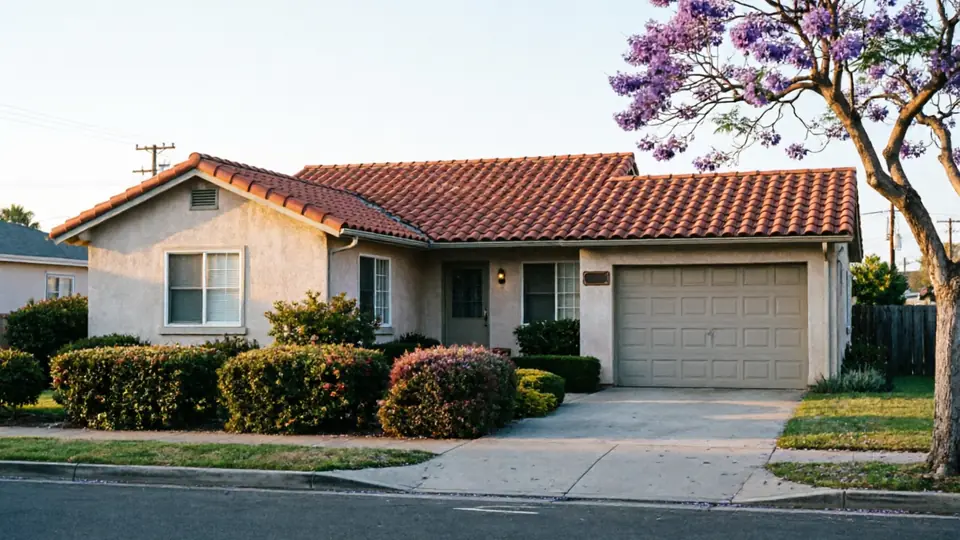 Opener RepairOpener repair for Simi Valley homes built mostly between 1956 and 1999, where original chain-drive units and aging circuit boards are the most common calls we get.
- 05
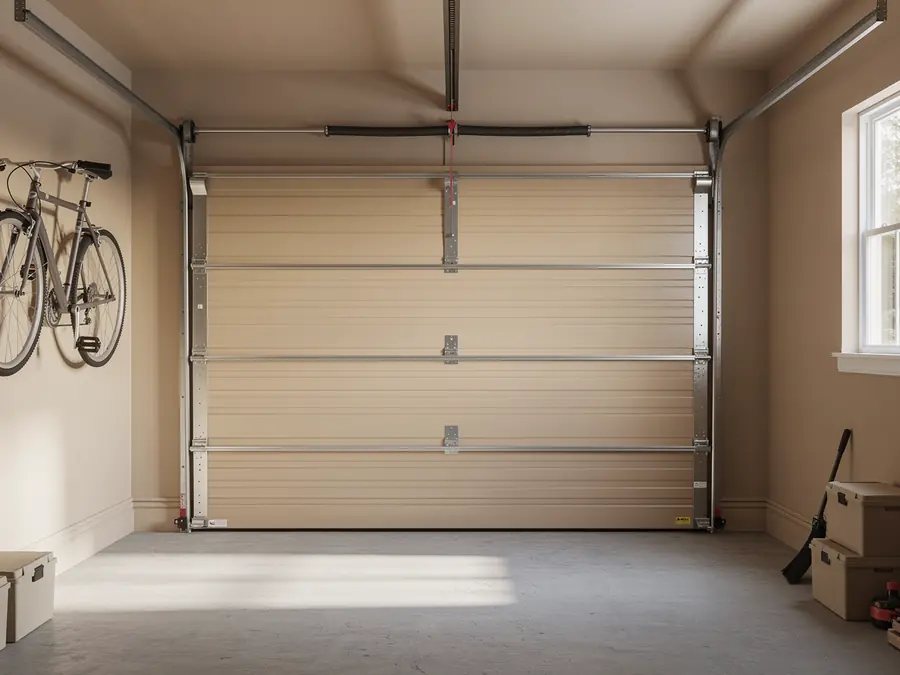 Spring RepairBroken torsion spring on a Simi Valley garage door? See why 1956-1999 construction and mild-climate wear make springs fail here, and what the repair takes.
- 06
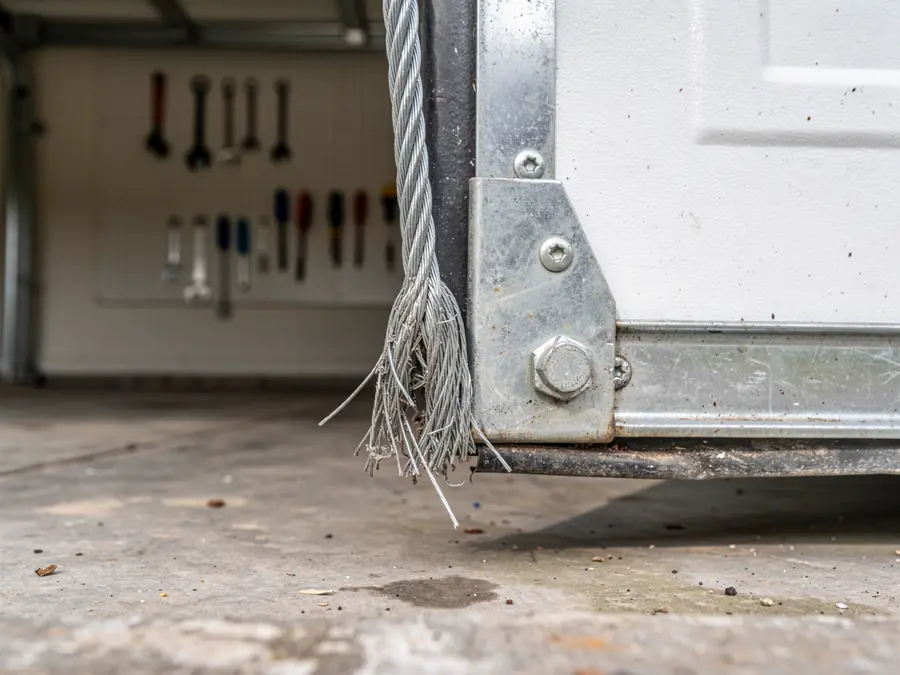 Cable RepairFrayed or snapped cable on a torsion or extension system? We repair garage door cables on the 1956-1999 housing stock common across Simi Valley and nearby areas.
- 07
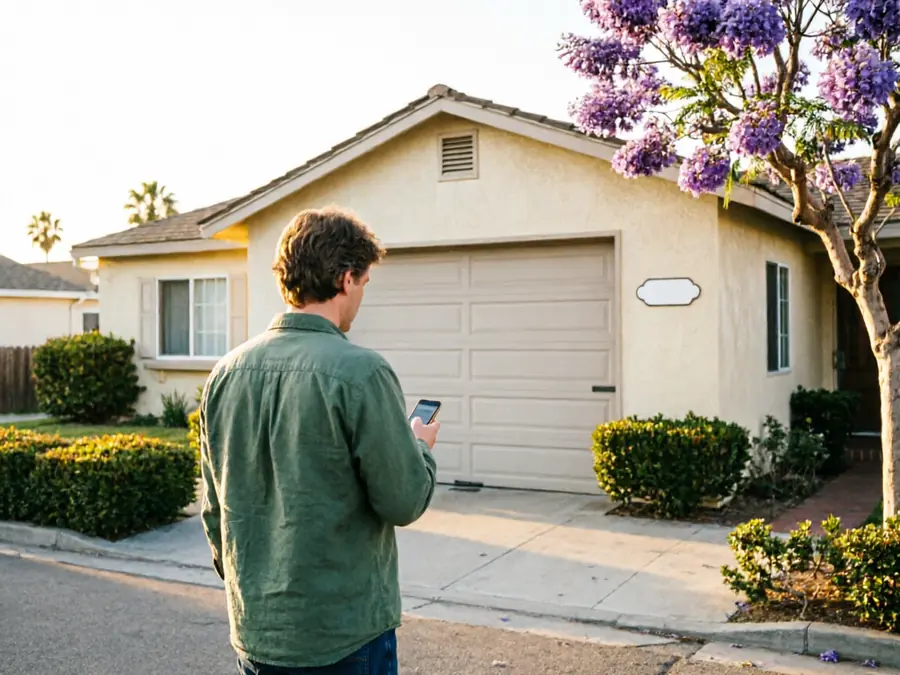 Off-Track RepairGarage Door Pros fixes off-track doors on the 1956-1999 housing stock common across Simi Valley, where original rollers and bent track are the usual cause.
- 08
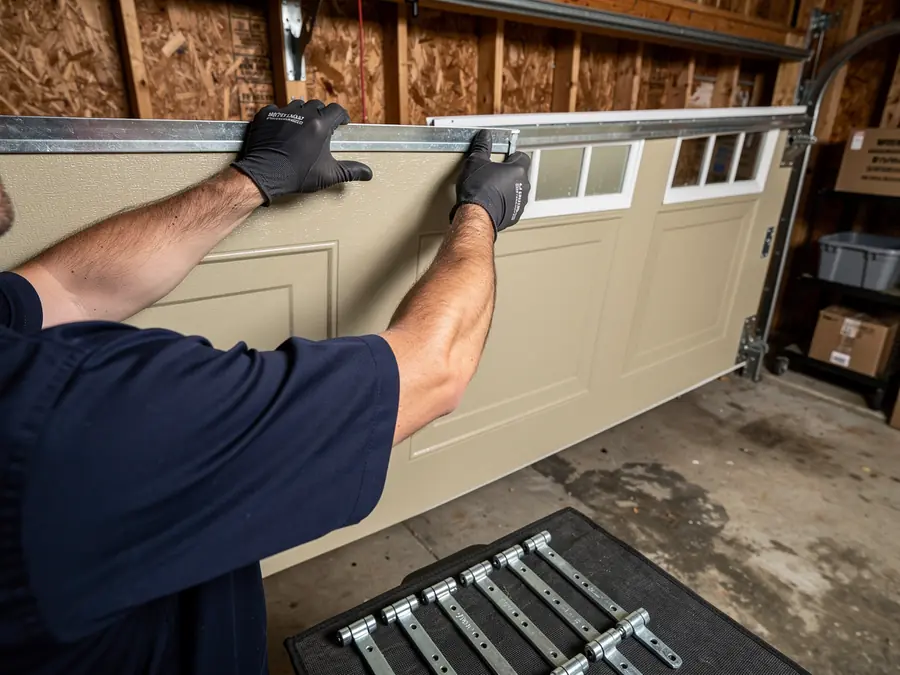 Panel ReplacementDented or cracked garage door panels are common on Simi Valley's 1956-1999 housing stock. We match panels to older steel and wood doors and replace what the sun has aged.
FAQ
Questions about this
placeholder
placeholder
Tell us what your door is doing.
We serve Simi Valley, CA and nearby communities. Every job starts with a diagnosis, so you know what failed before any work begins.