What We Do Most in This Area
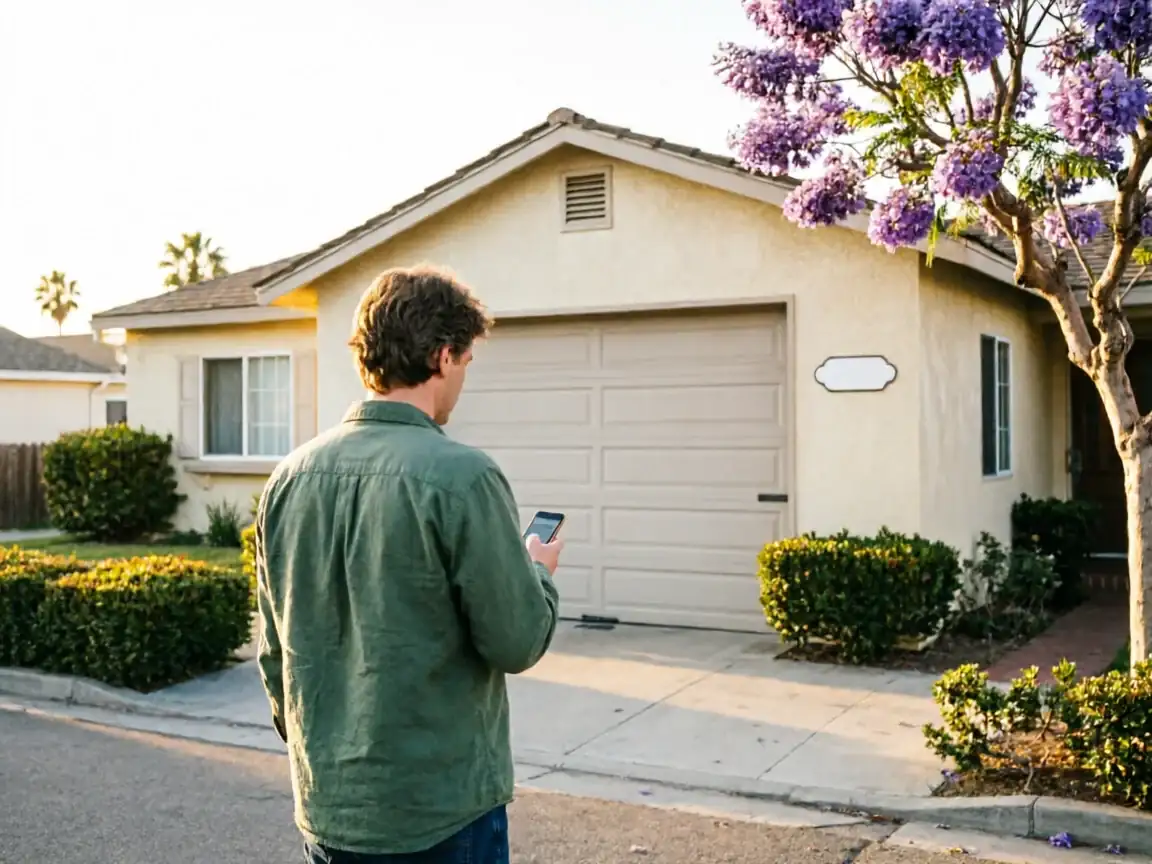
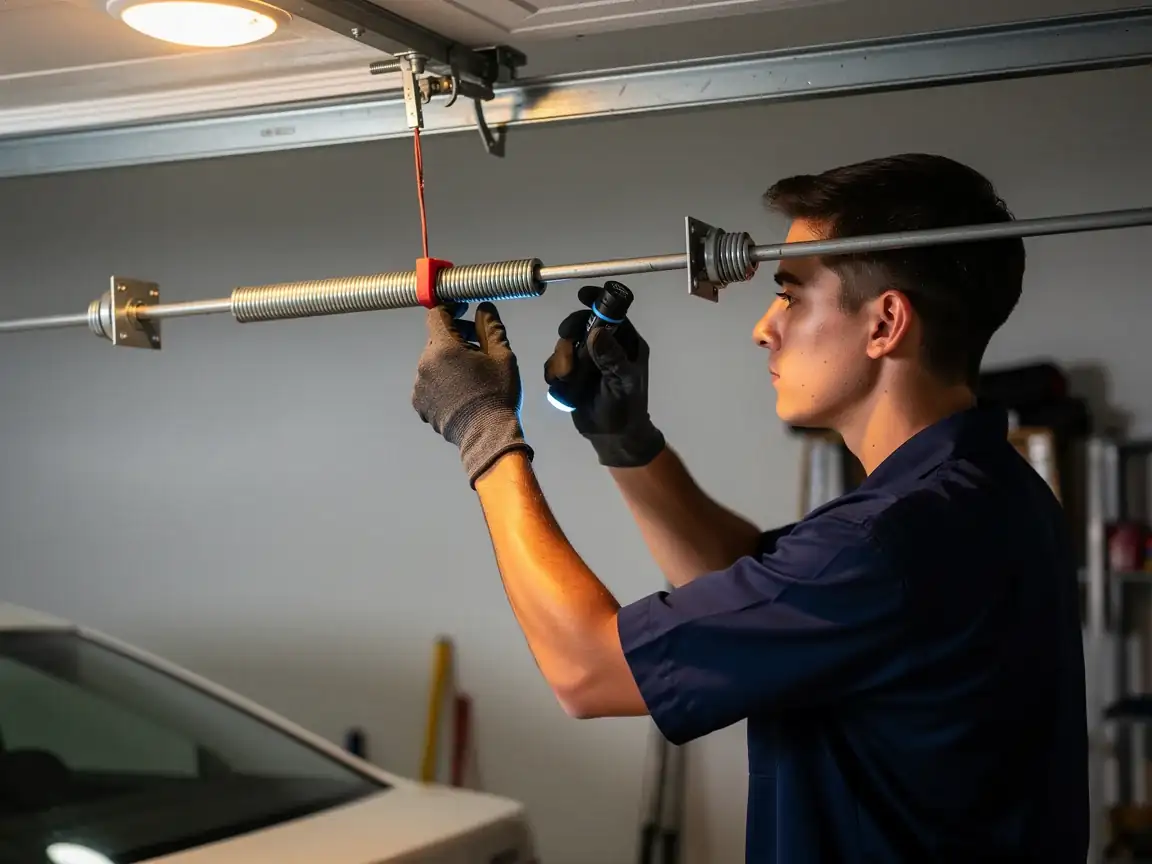
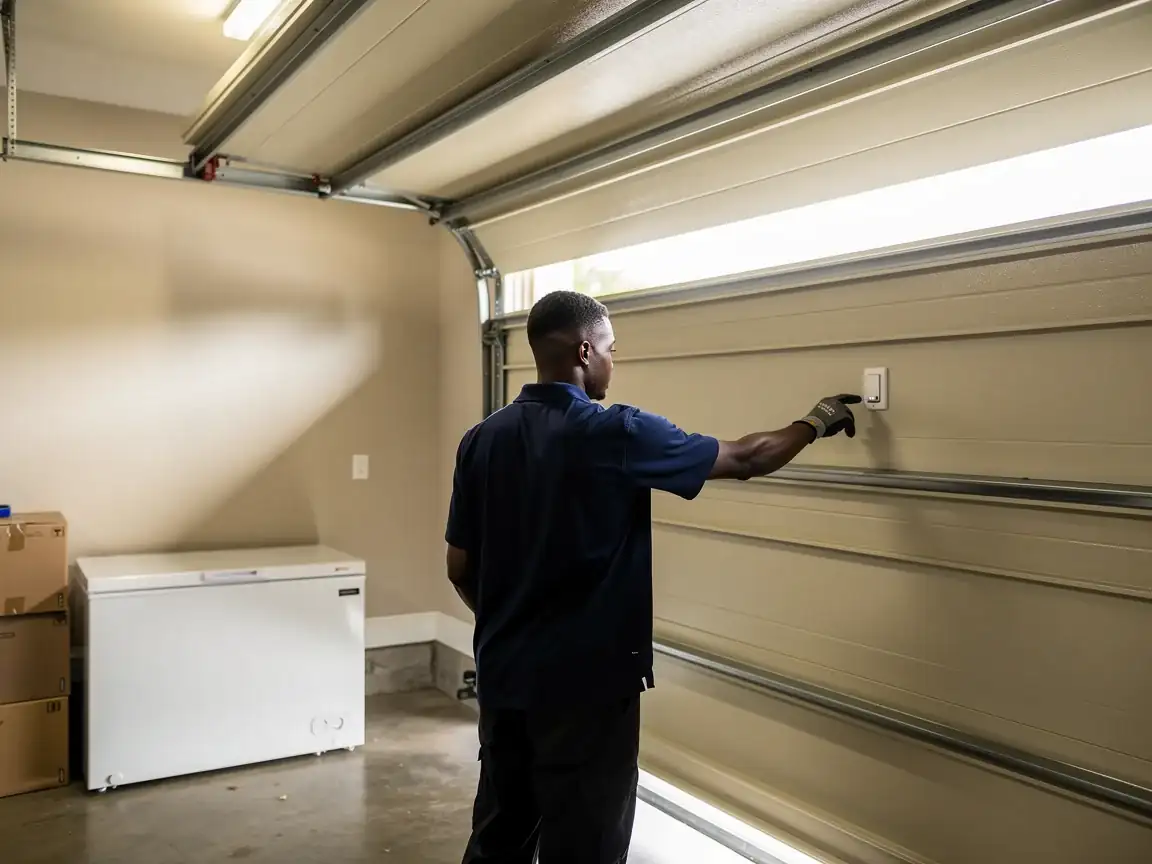
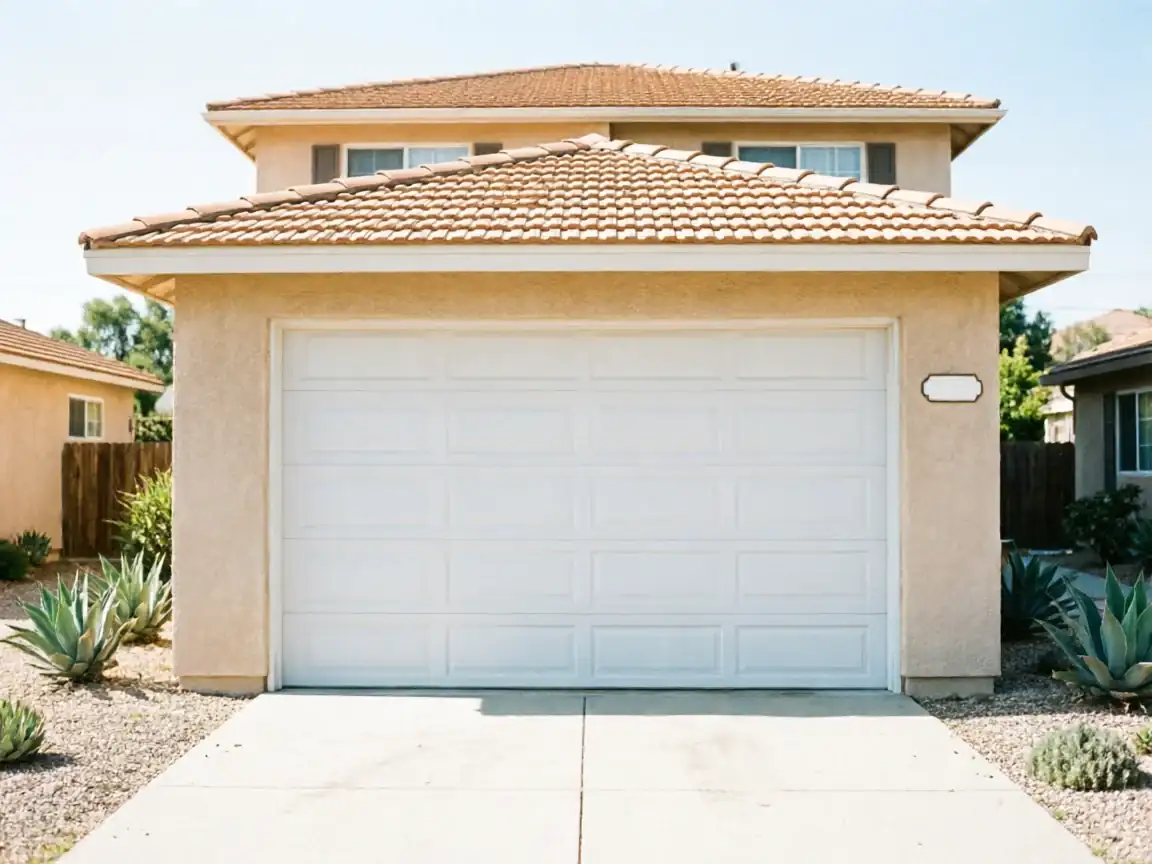
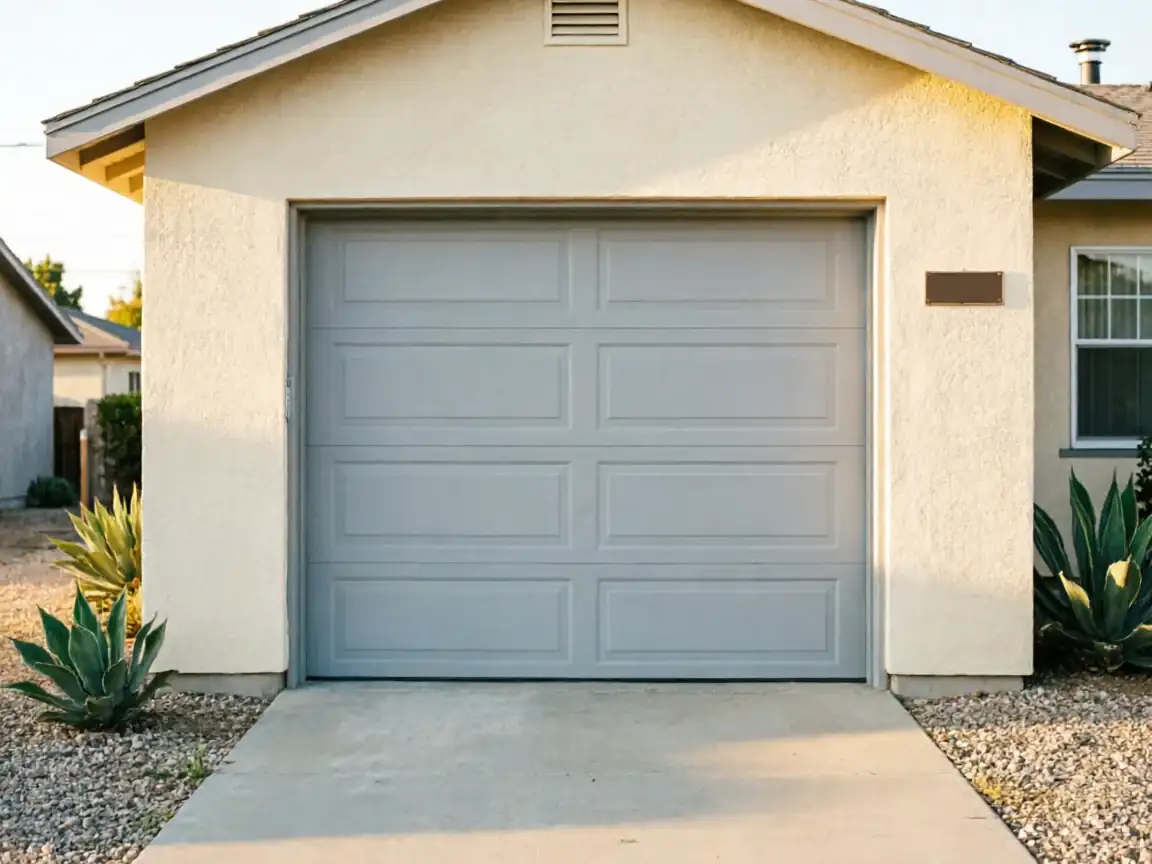
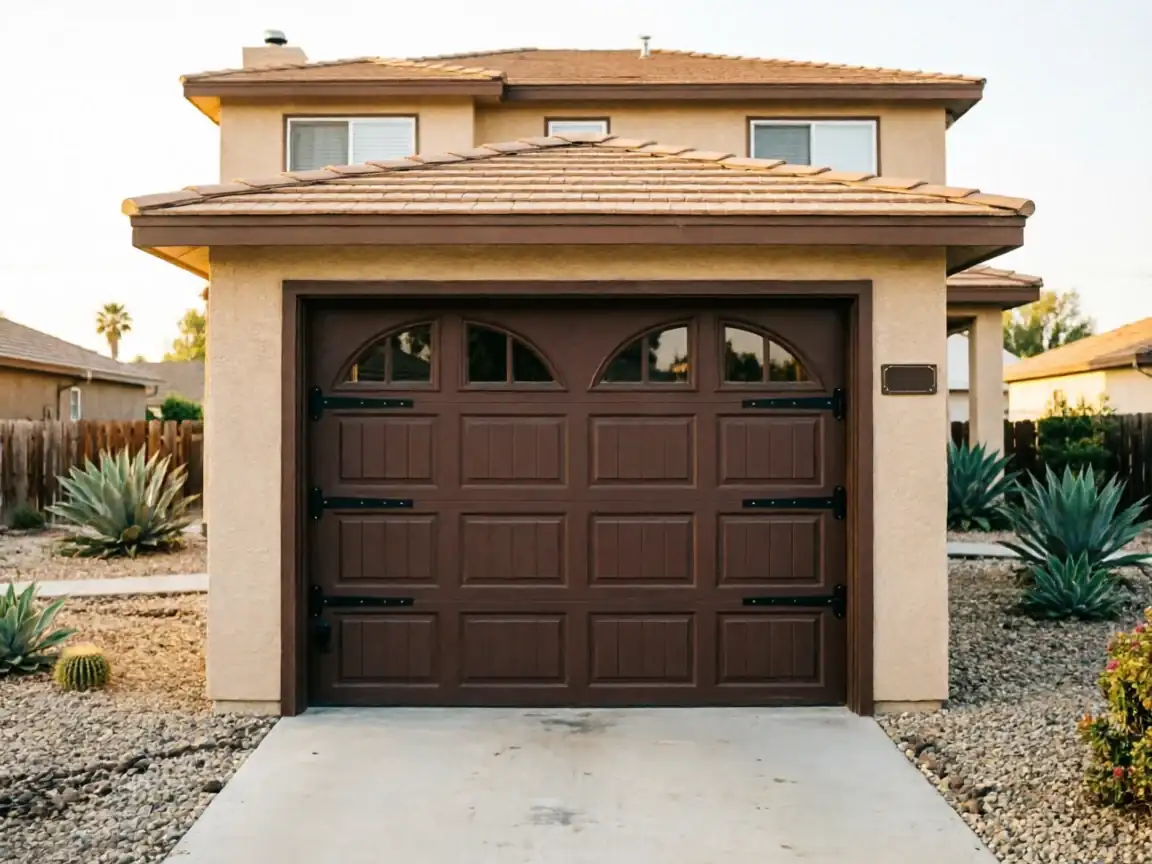
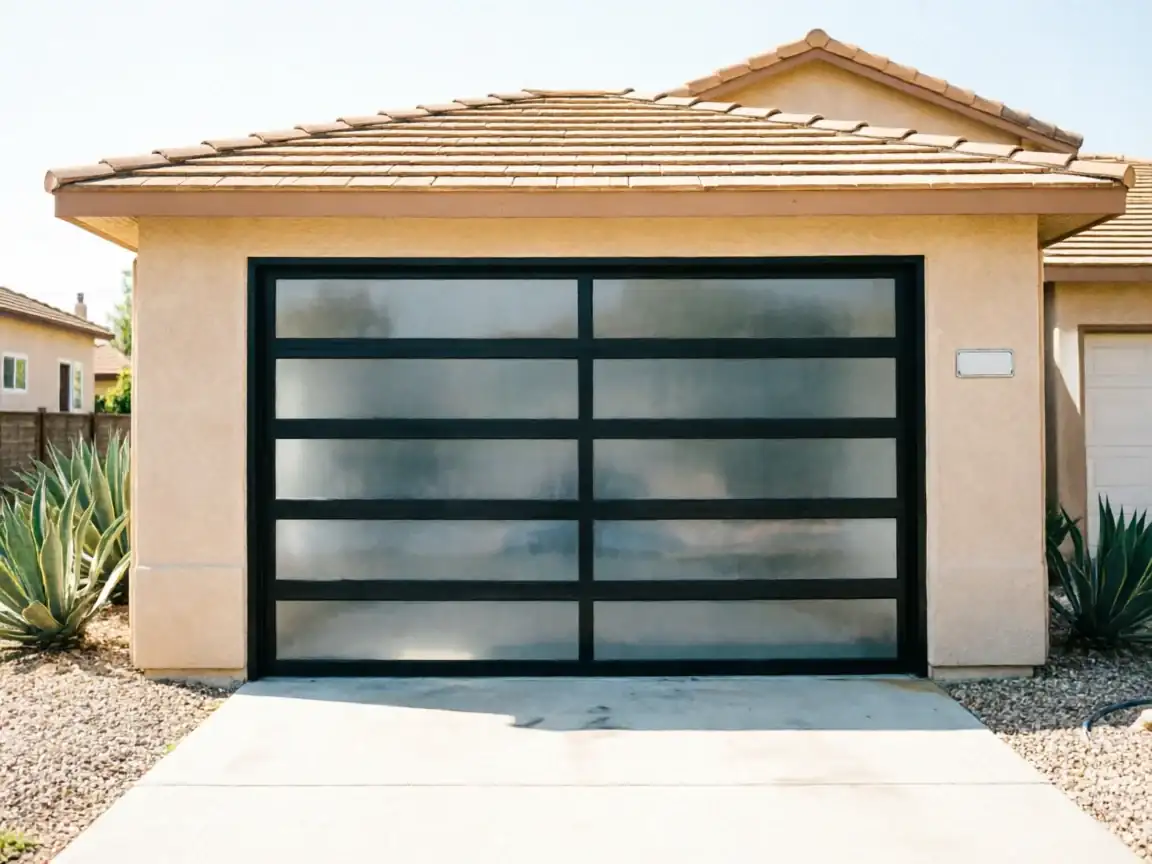
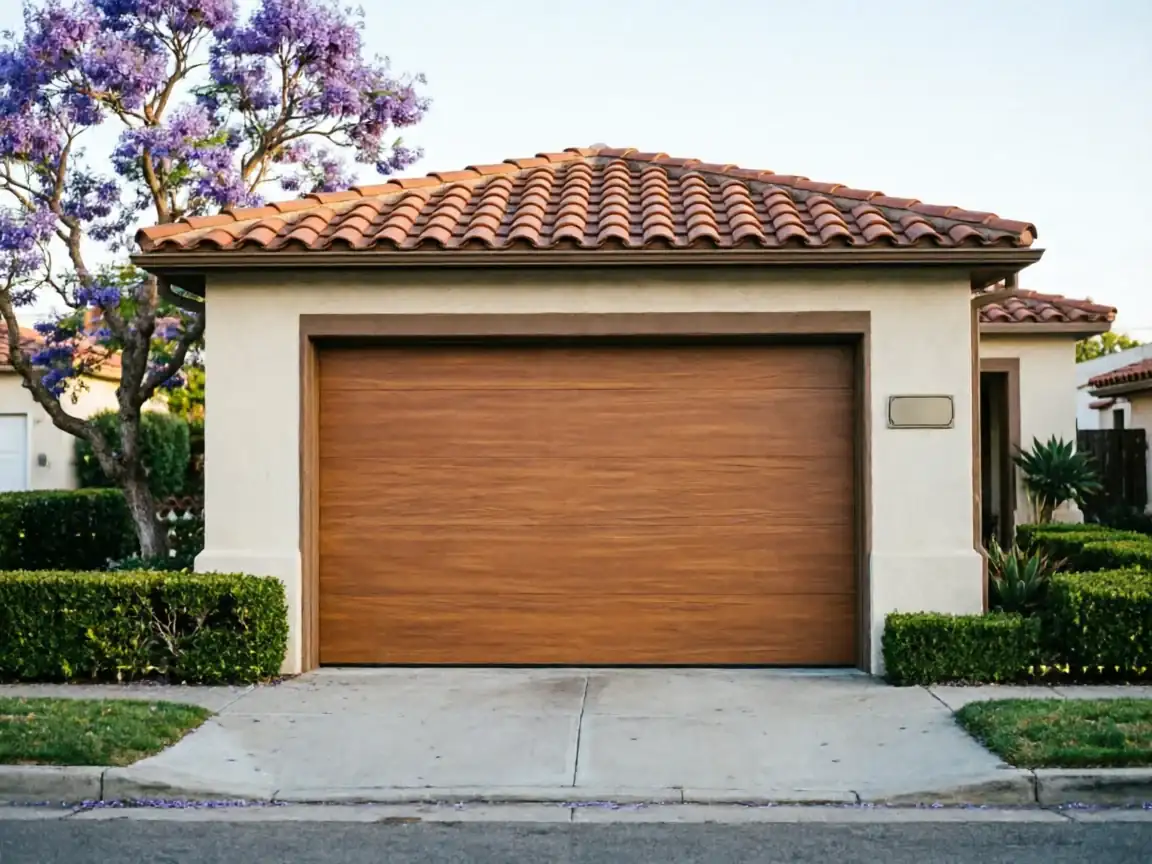
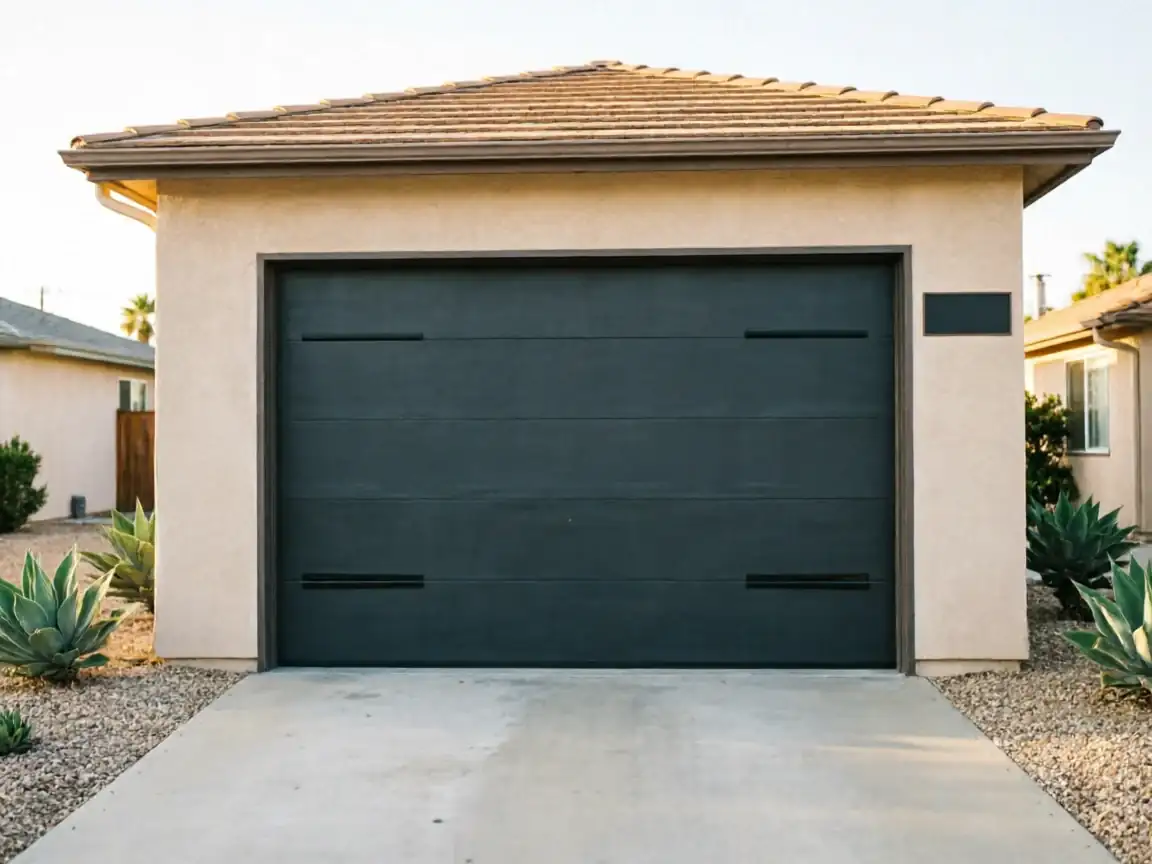
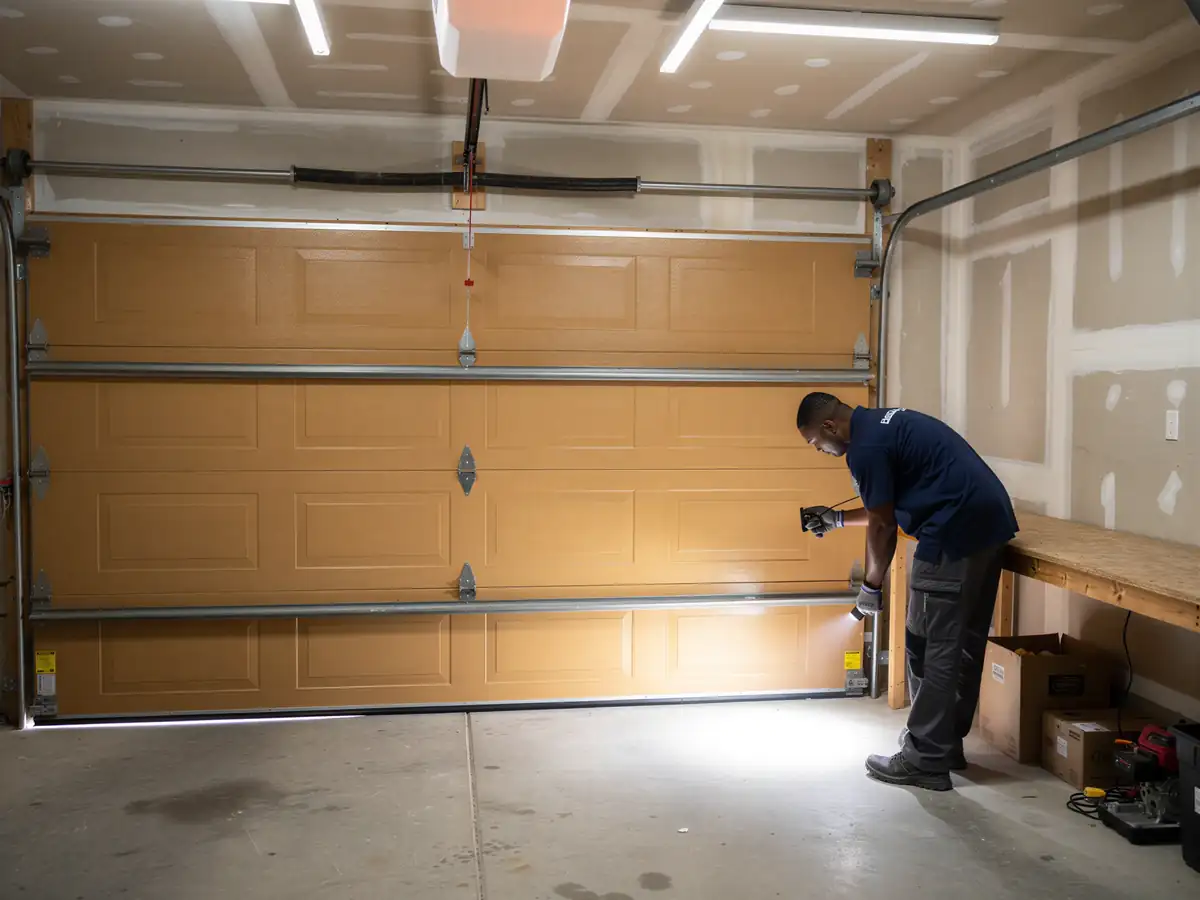
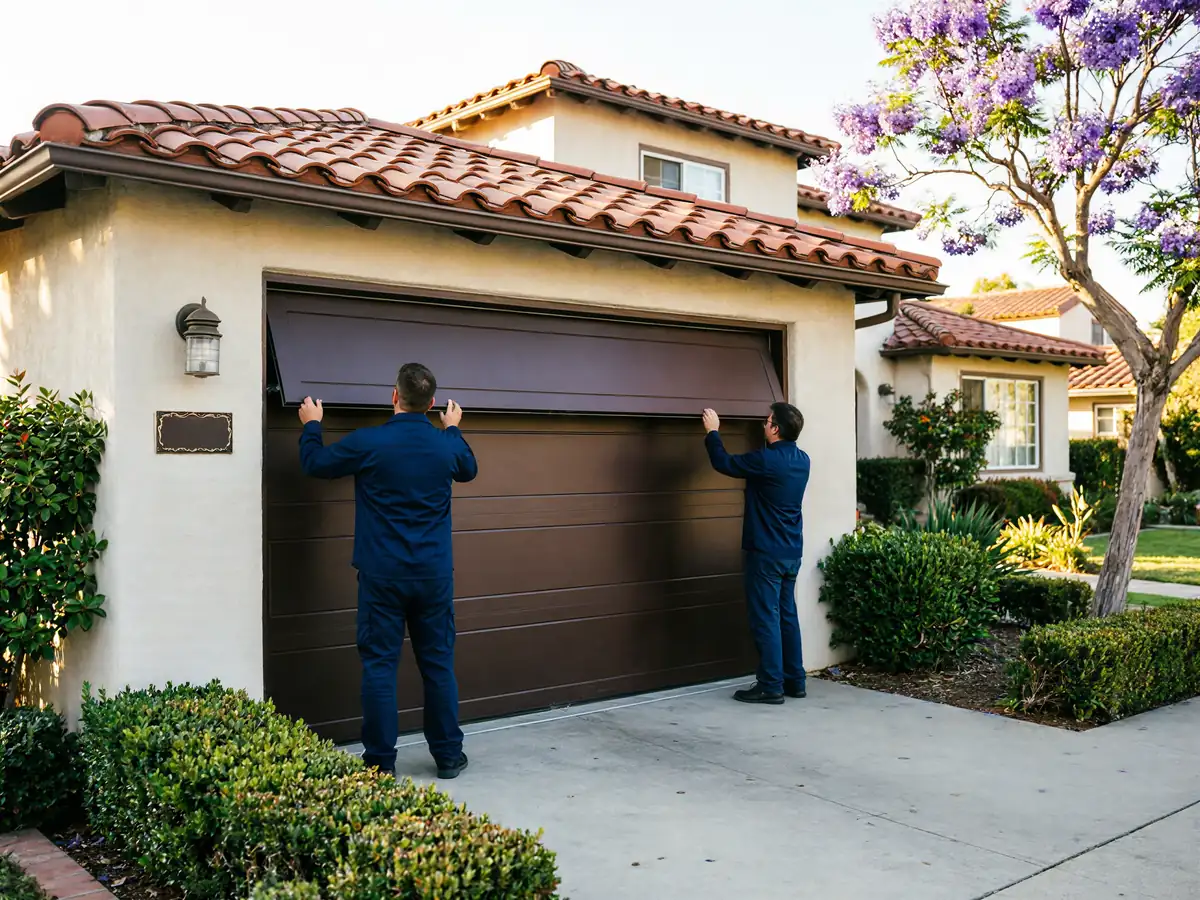
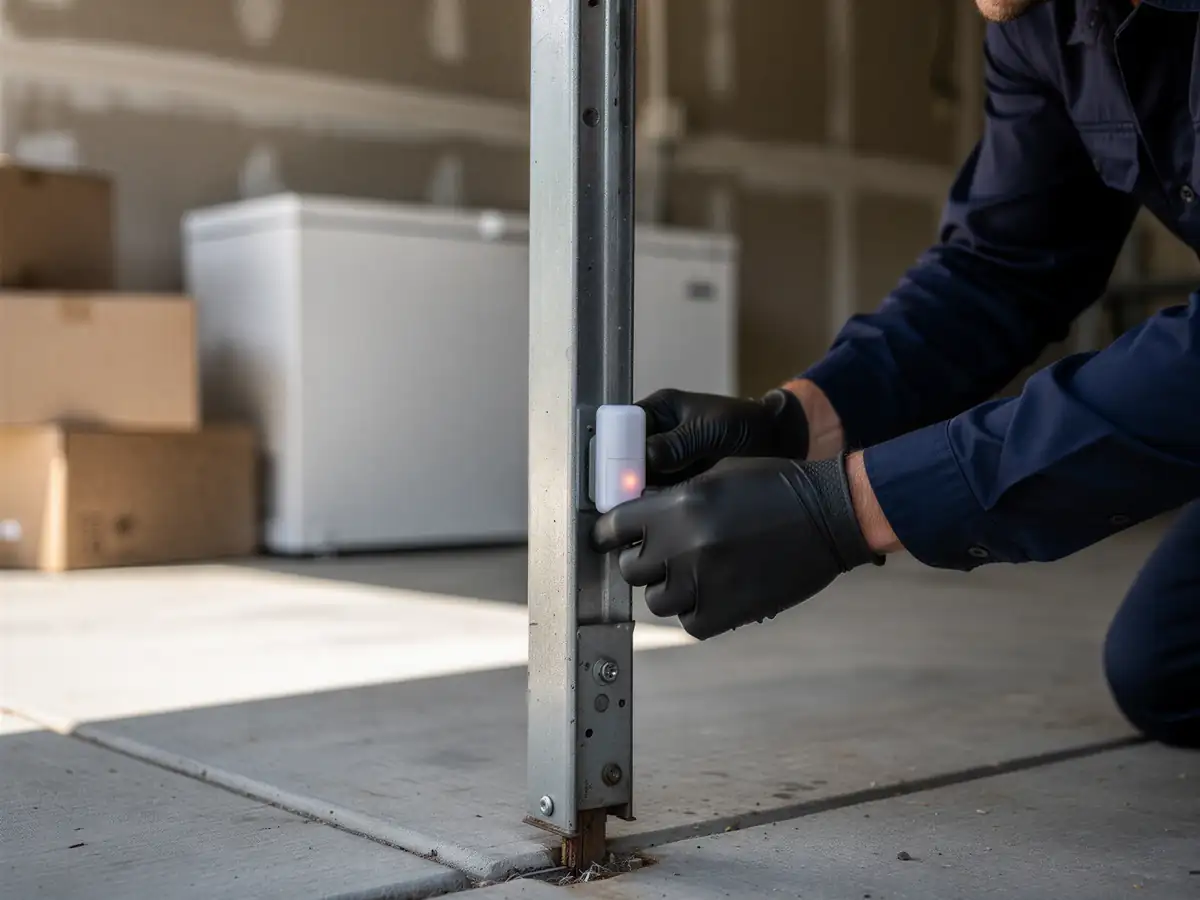
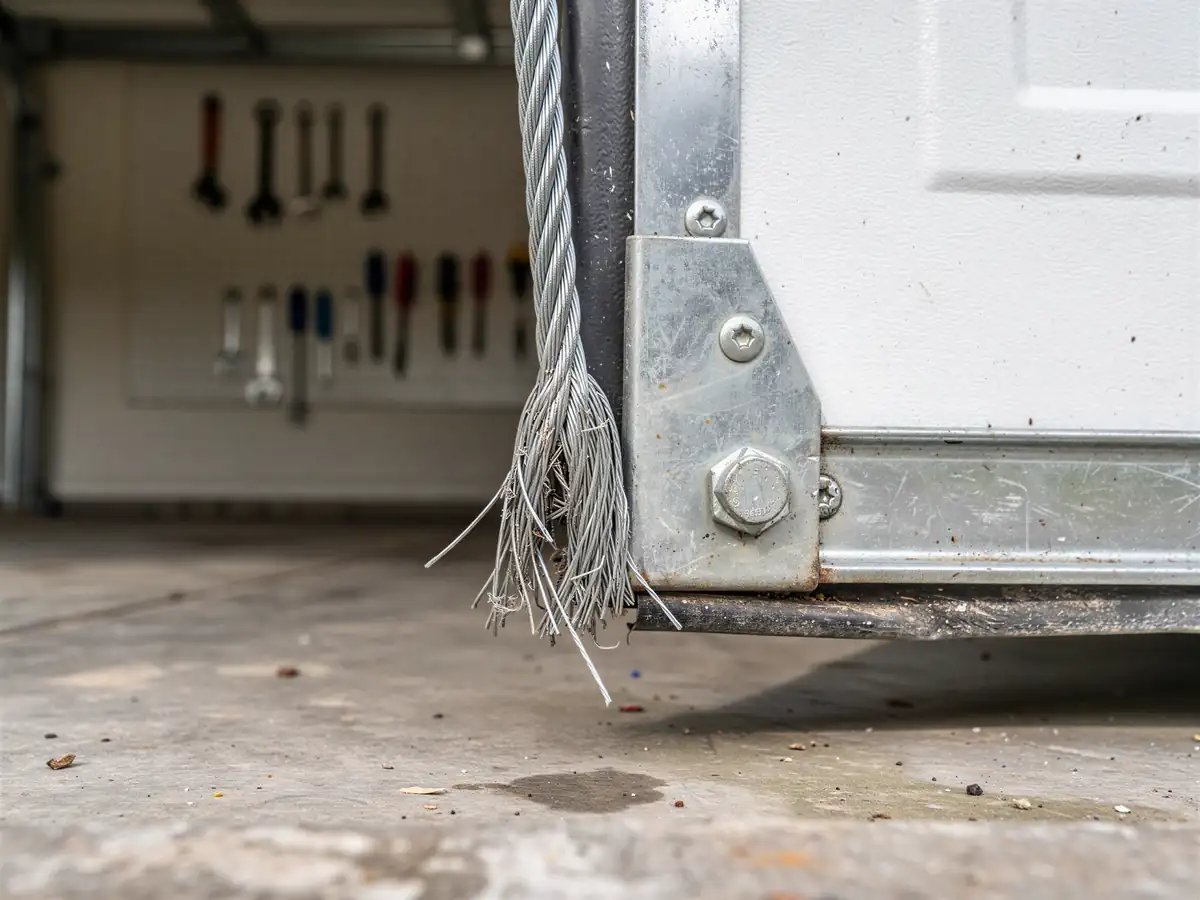
On a 90s-era door, the calls we get from this part of the territory are mostly opener failures and worn rollers - not the spring snaps and sagging wood panels you'd expect on an older block. Steel sectional doors from that period hold up fine structurally, but the openers installed with them are now over thirty years old, and the chain drives and circuit boards in them are past the point where parts are easy to source. We also see a fair number of cable and roller replacements, since the original hardware on a door this age is usually original - nobody's touched it since the house was built. Household income in Piru runs around $96,765, a bit below the $146,404 median we see across the wider area, and that shapes the calls too: more repair requests, fewer full replacements. We don't push a new door on someone when the one they have can be fixed for a fraction of the cost. If the opener motor is dead but the door itself tracks straight and the panels aren't dented, replacing the opener alone is usually the right call, not the whole unit.
The Split Between Old and New
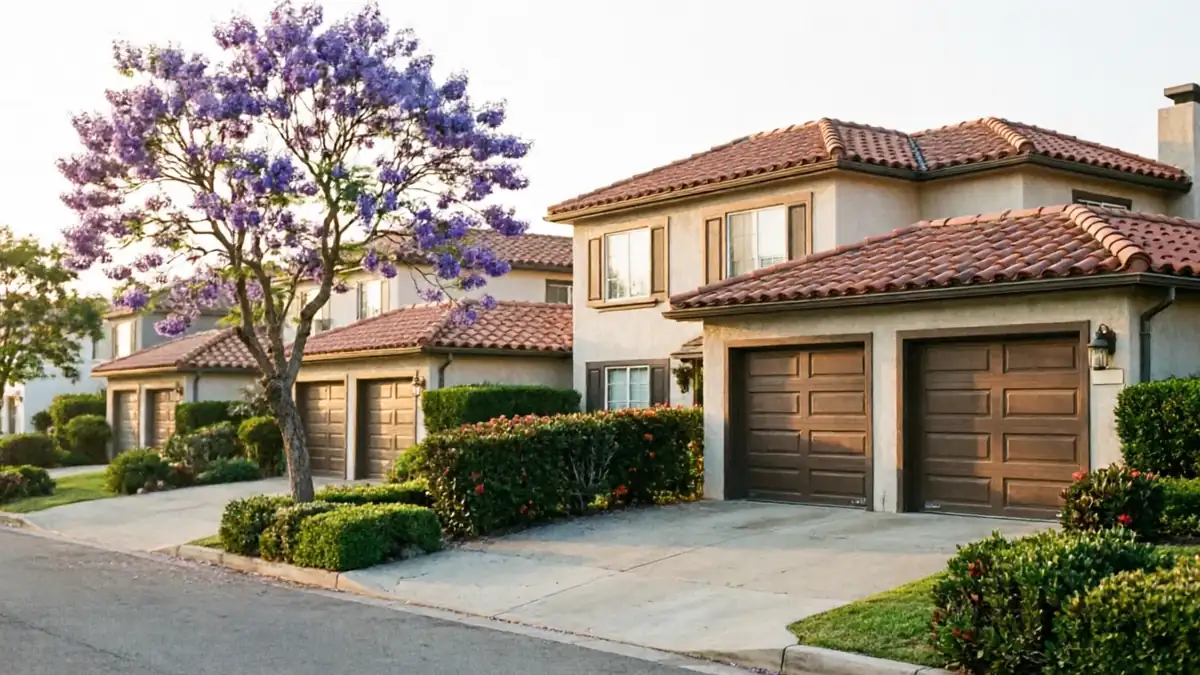
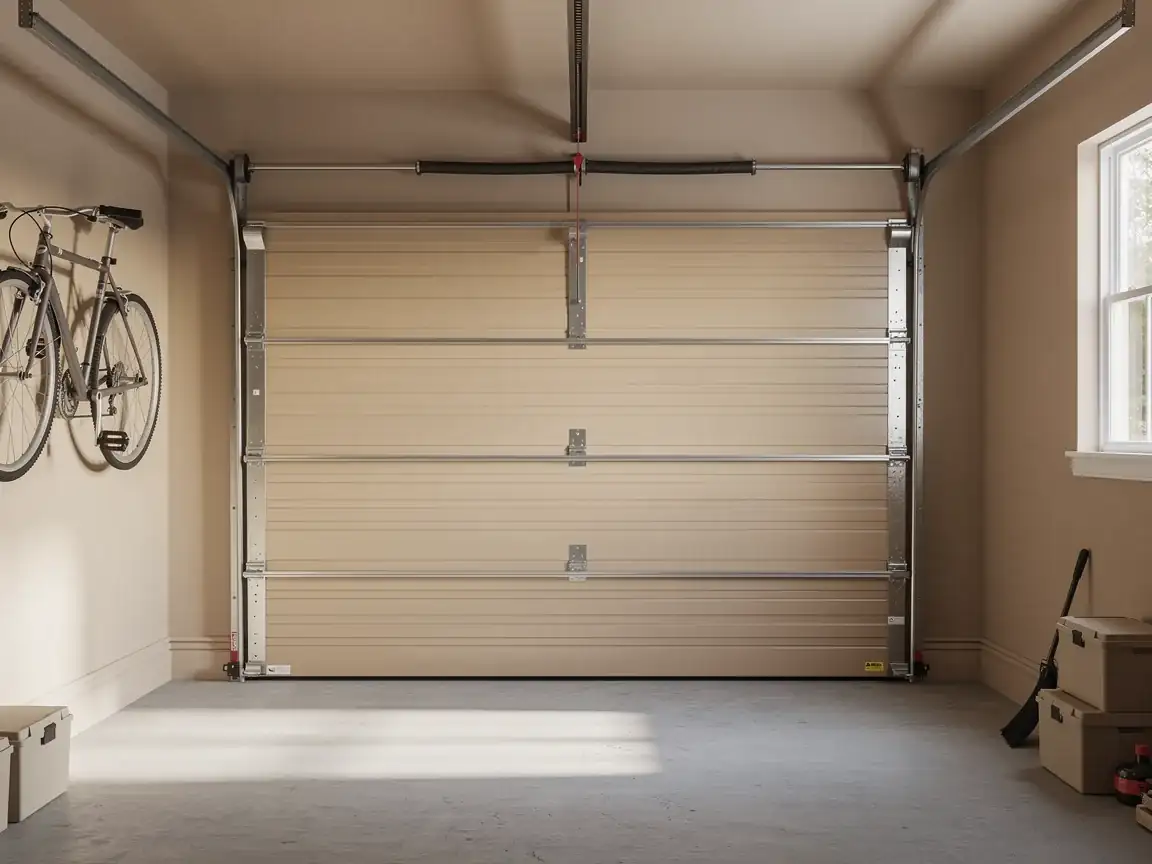
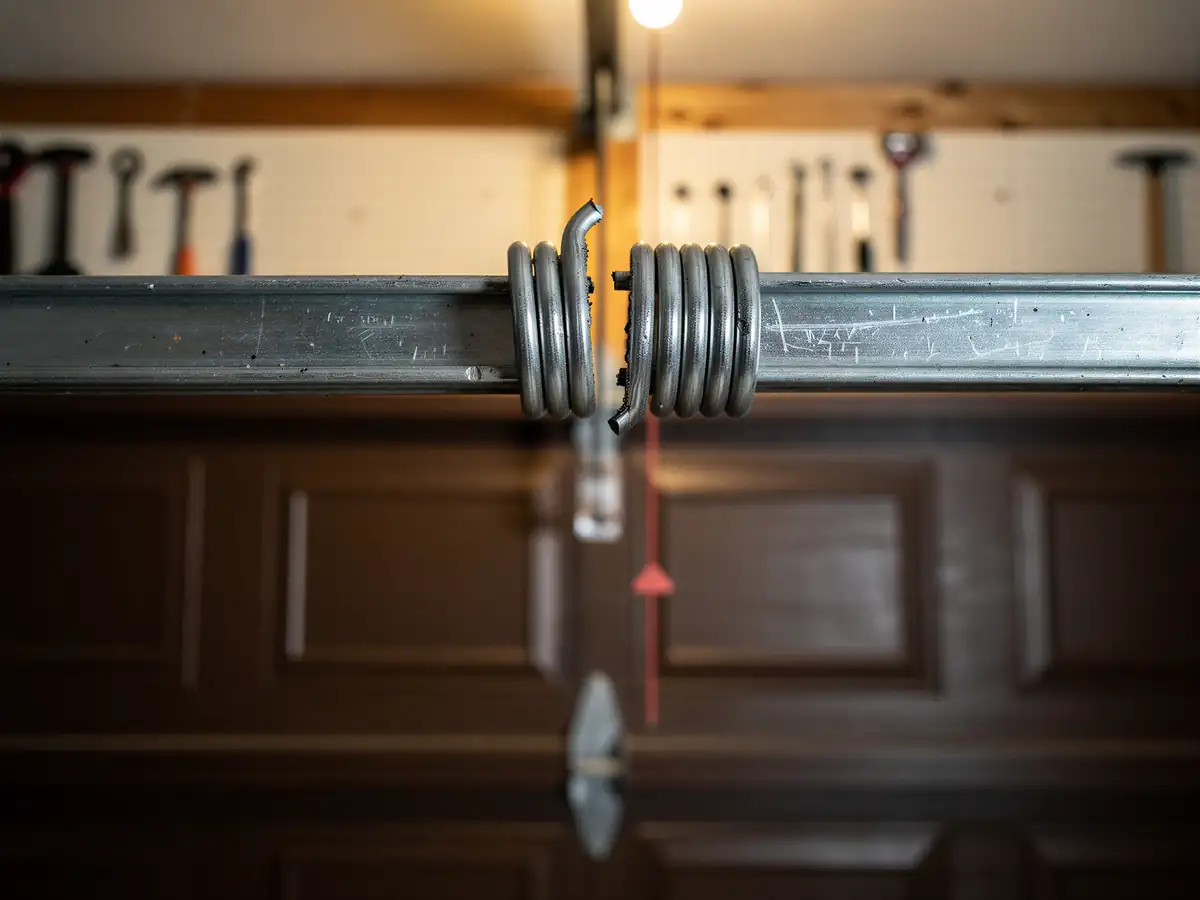
Across the full service area, the housing runs from 1956 up through 1999, with the median landing at 1983 - mostly 1980s and 90s construction spread over seventeen named communities. Piru sits on the newer side of that split, close to the tail end of the range rather than the middle. That's different from what we see in some of the older pockets closer to Simi Valley, where torsion springs are smaller gauge and tracks are narrower. A door built in 1993 is a different animal: wider tracks, heavier-gauge springs rated for a bigger door, and openers designed for garage door openers that actually meet the setback and headroom specs builders were using by then. We're not guessing what's behind a Piru garage door the way we might on a 1960s build - the era narrows it down fast.