What the Repair Takes
A cable job starts with figuring out which side failed and why
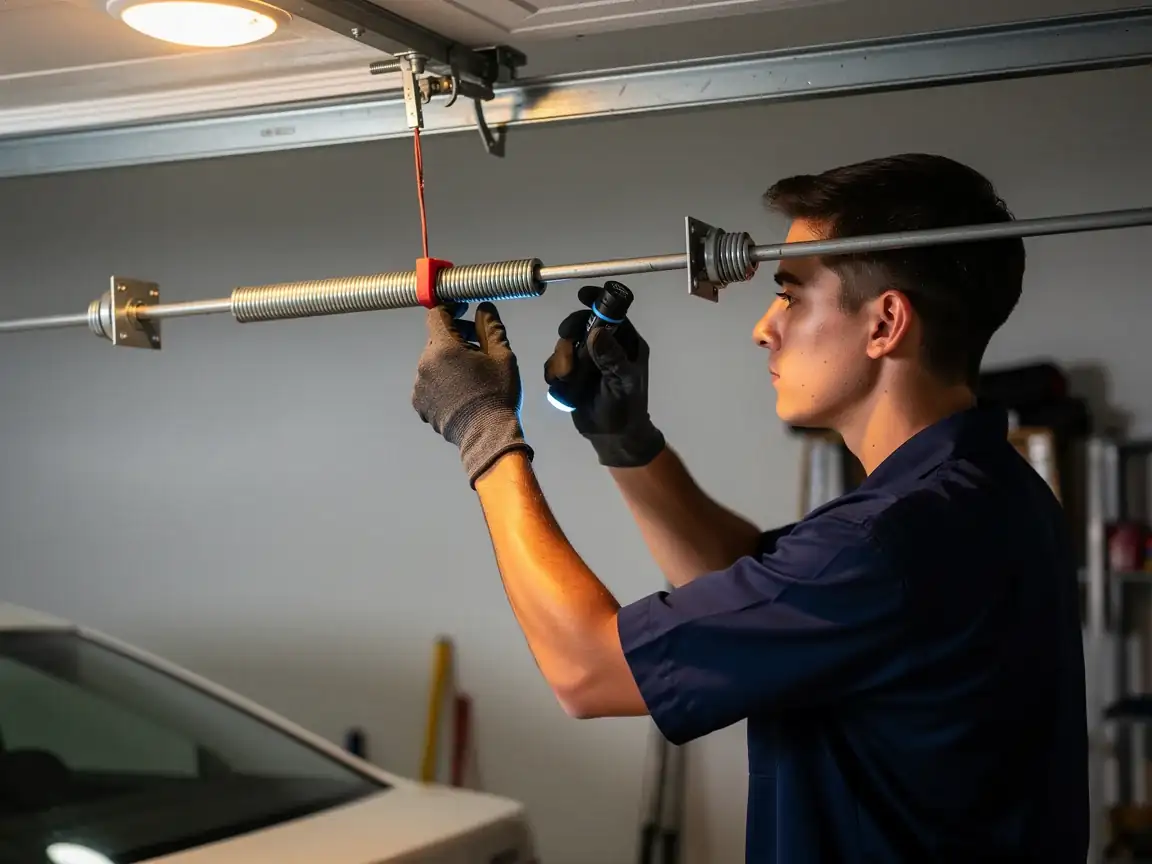
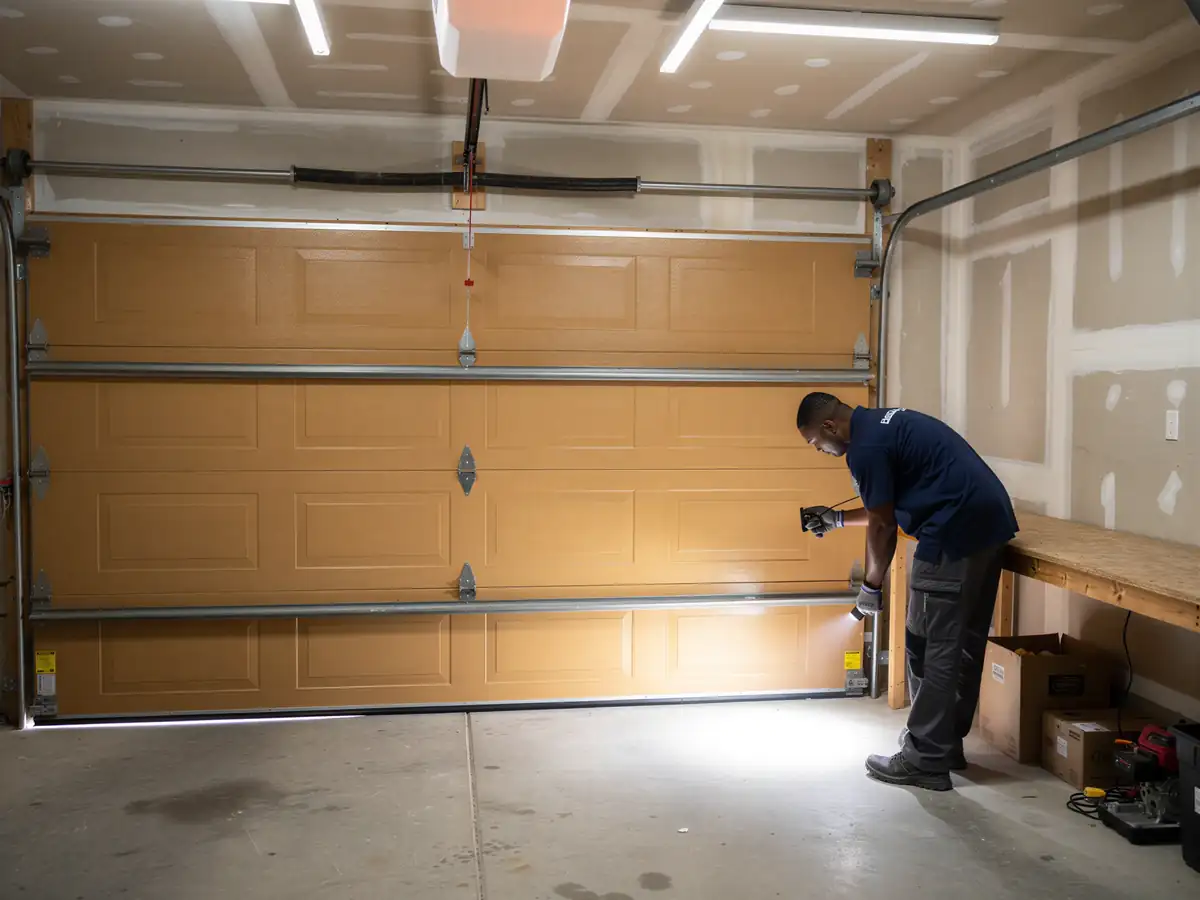
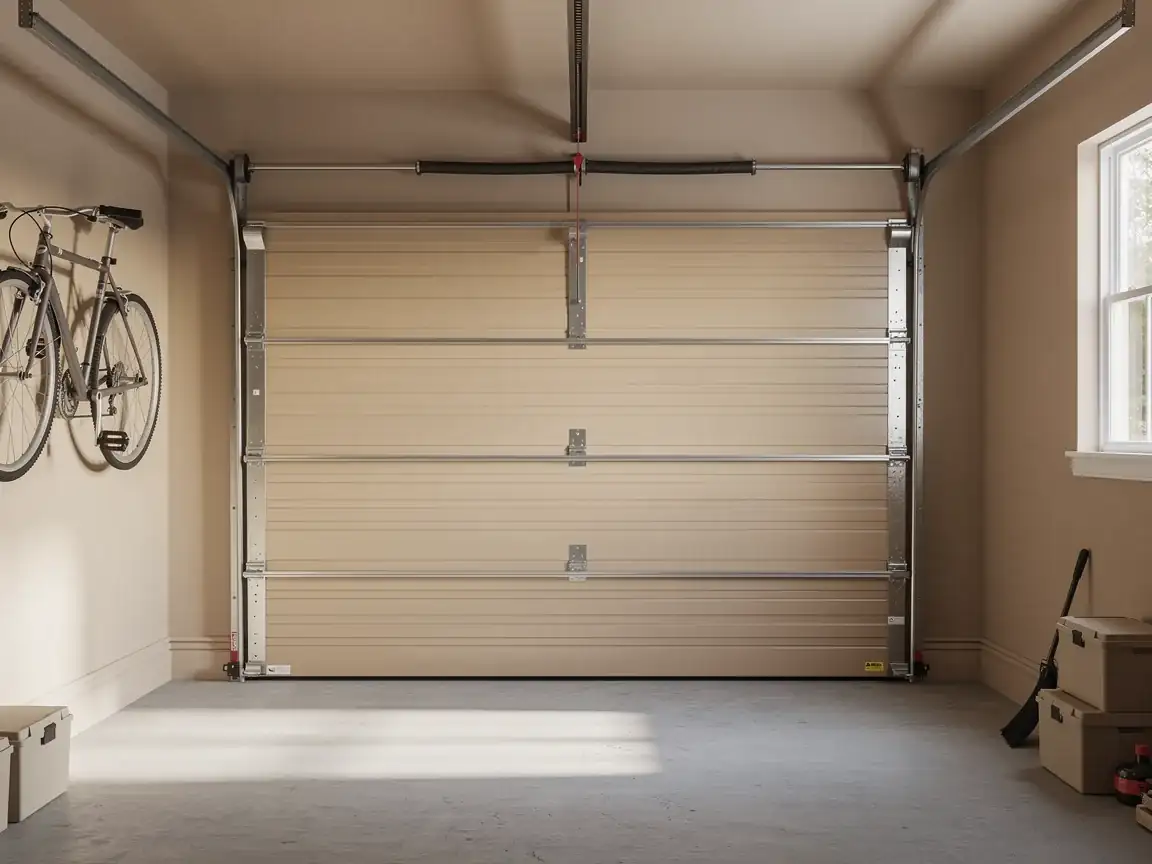
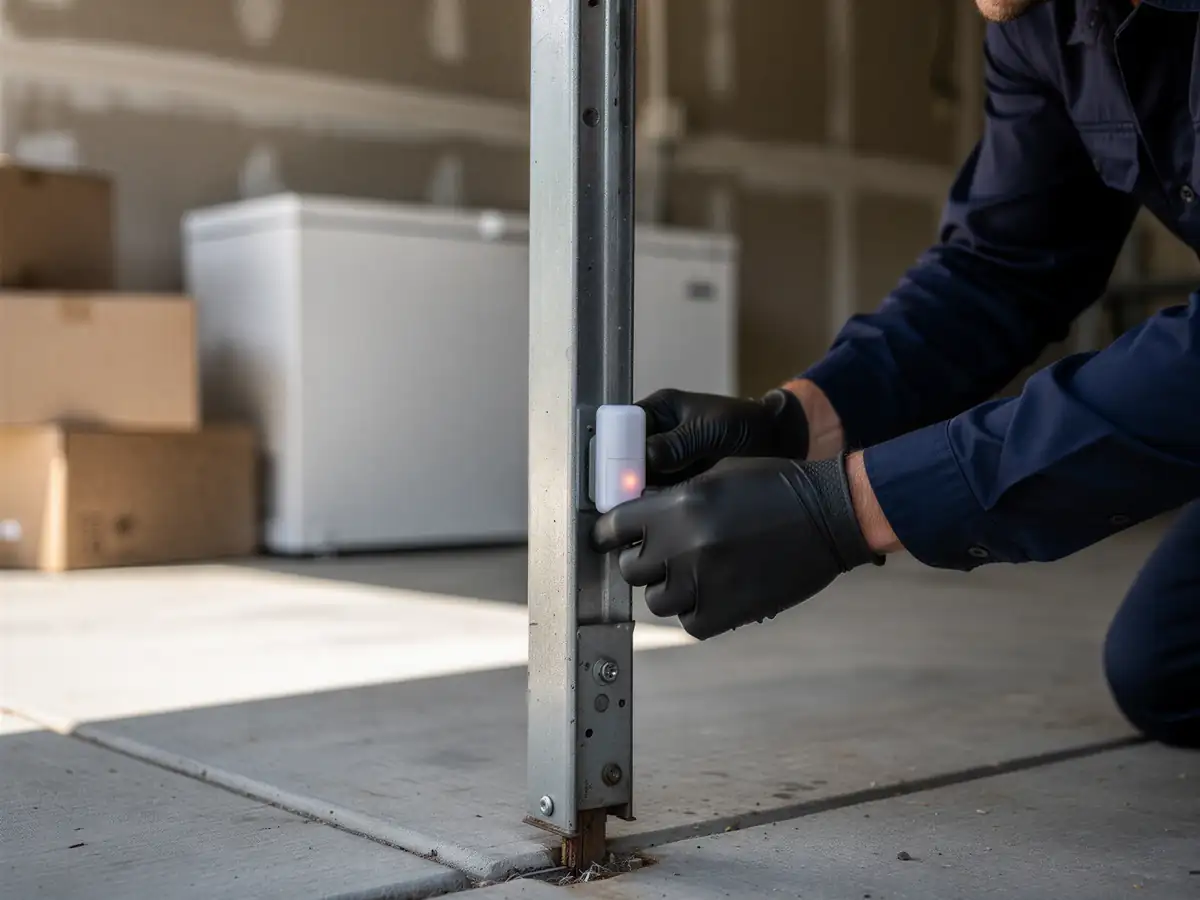
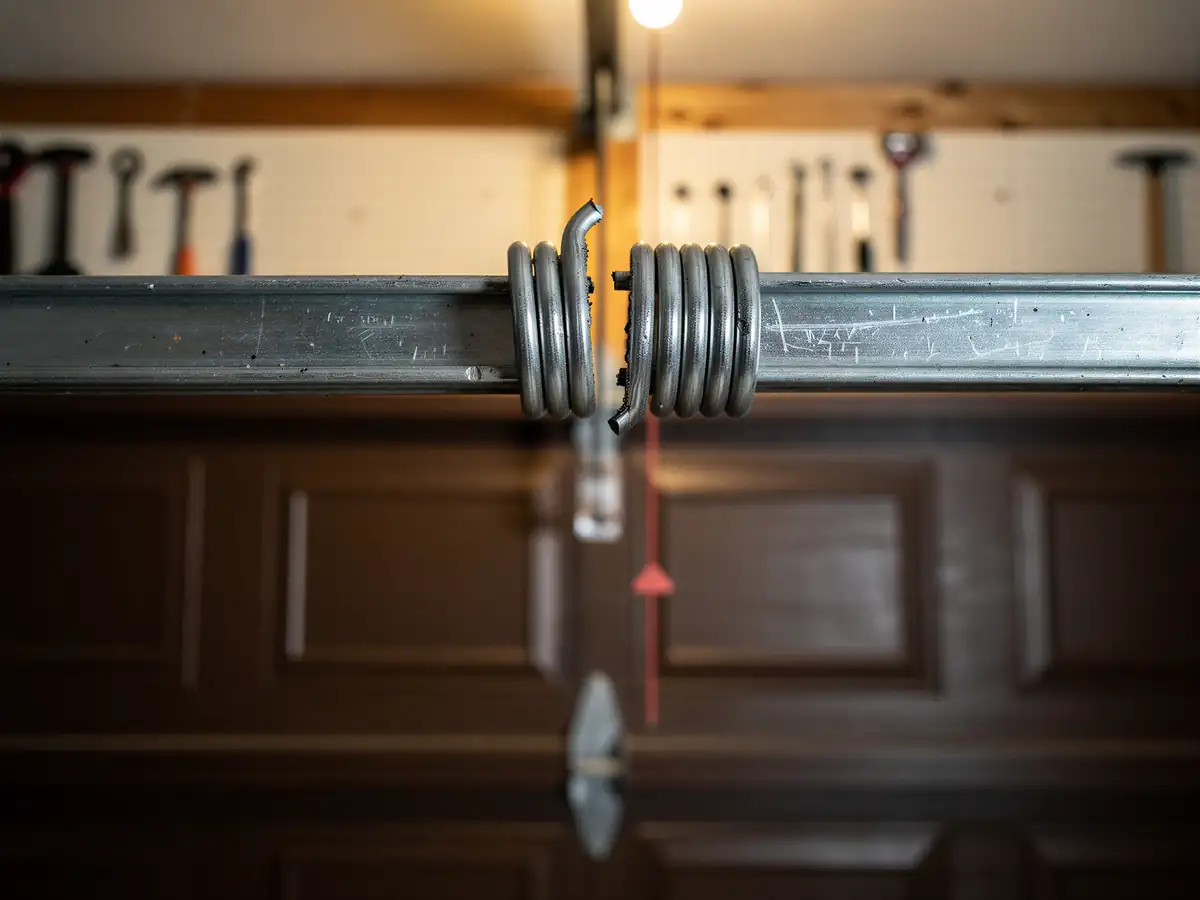
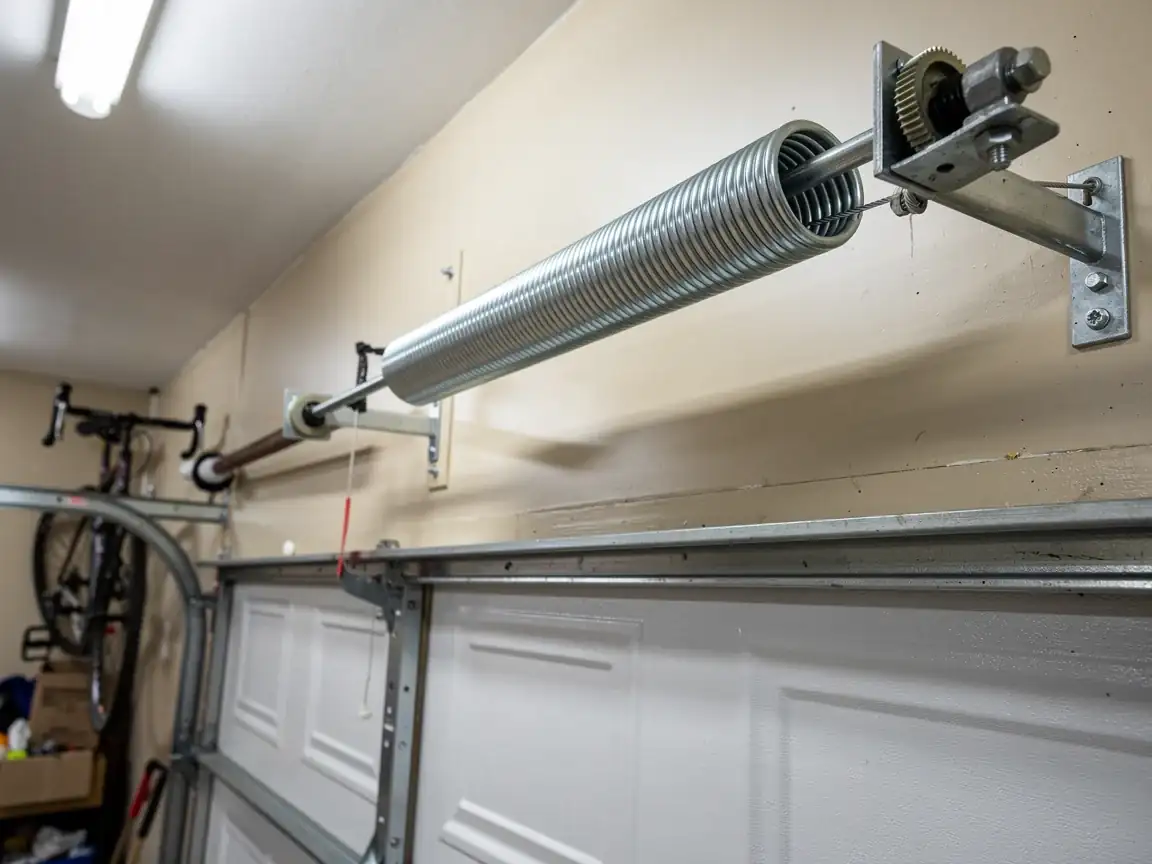
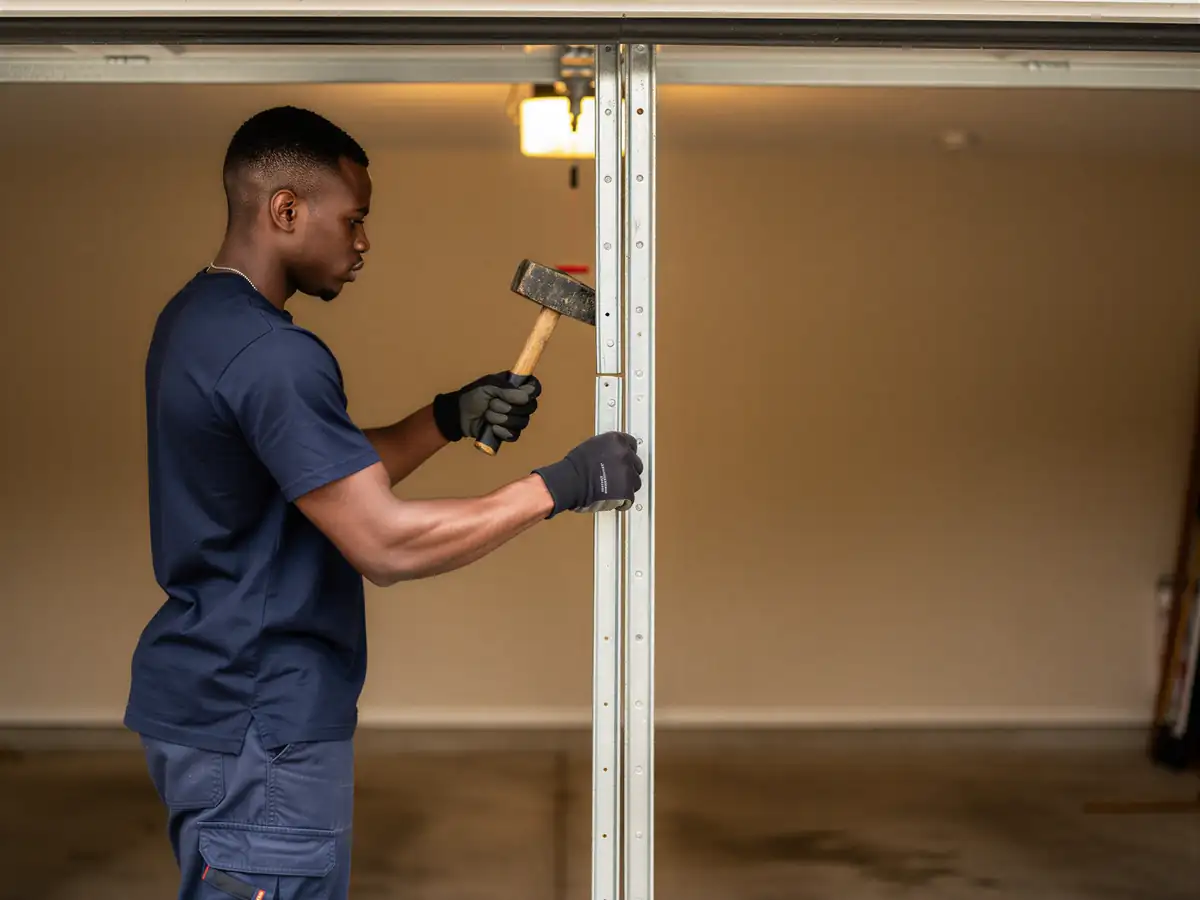
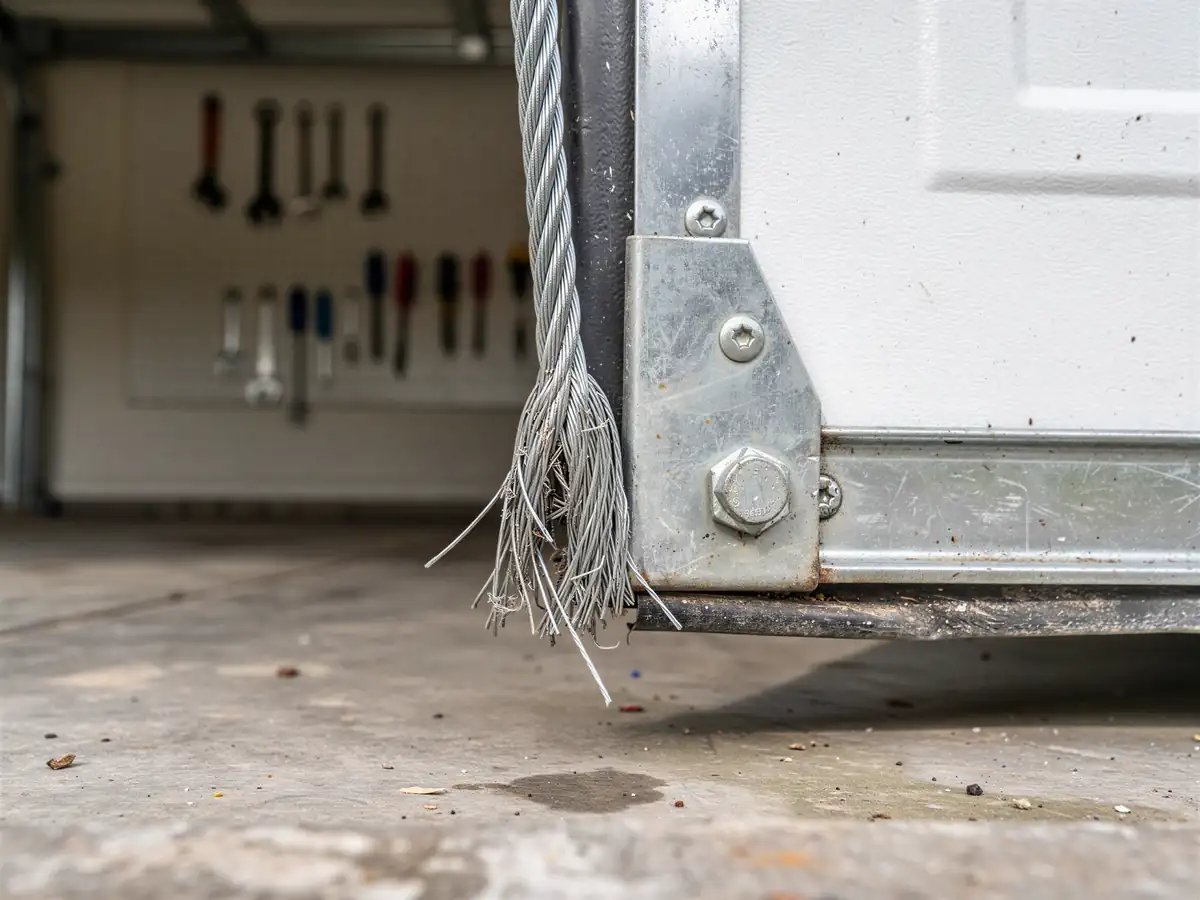
Because a cable rarely snaps on its own. On most houses built in this area between 1956 and 1999, the cable rides a drum at each end of the torsion shaft, and when one cable frays or jumps the drum, the door racks sideways and jams in the track. We pull the old cable, check the drum for a chewed groove, check the bottom bracket where the cable swages on, and look at the opposite spring, since a weak or broken spring is often what overloaded the cable in the first place. We replace both cables as a set even if only one failed, because the other side is the same age and under the same wear. On older extension-spring setups, still found on some of the 1980s stock, we check the pulleys too, since a worn pulley wheel will saw through a new cable in a year. We don't patch a frayed cable with wire or clamps - that's a temporary fix that fails again, usually while the door is open and loaded.
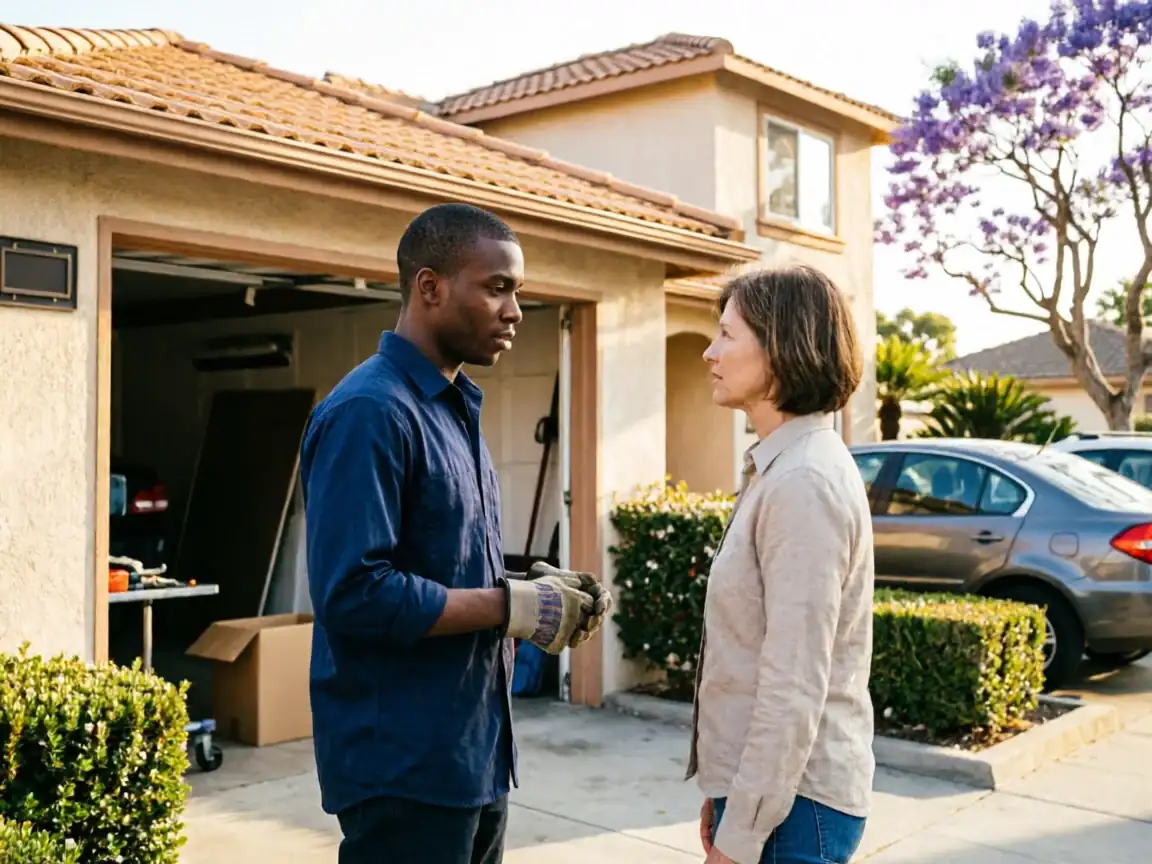
If the drum, shaft, or bottom bracket is also damaged, we say so before we start
And the job scope changes. A straight cable swap is a different repair than a bent shaft, and we price it that way, not as a surprise add-on halfway through.
How Long It Takes
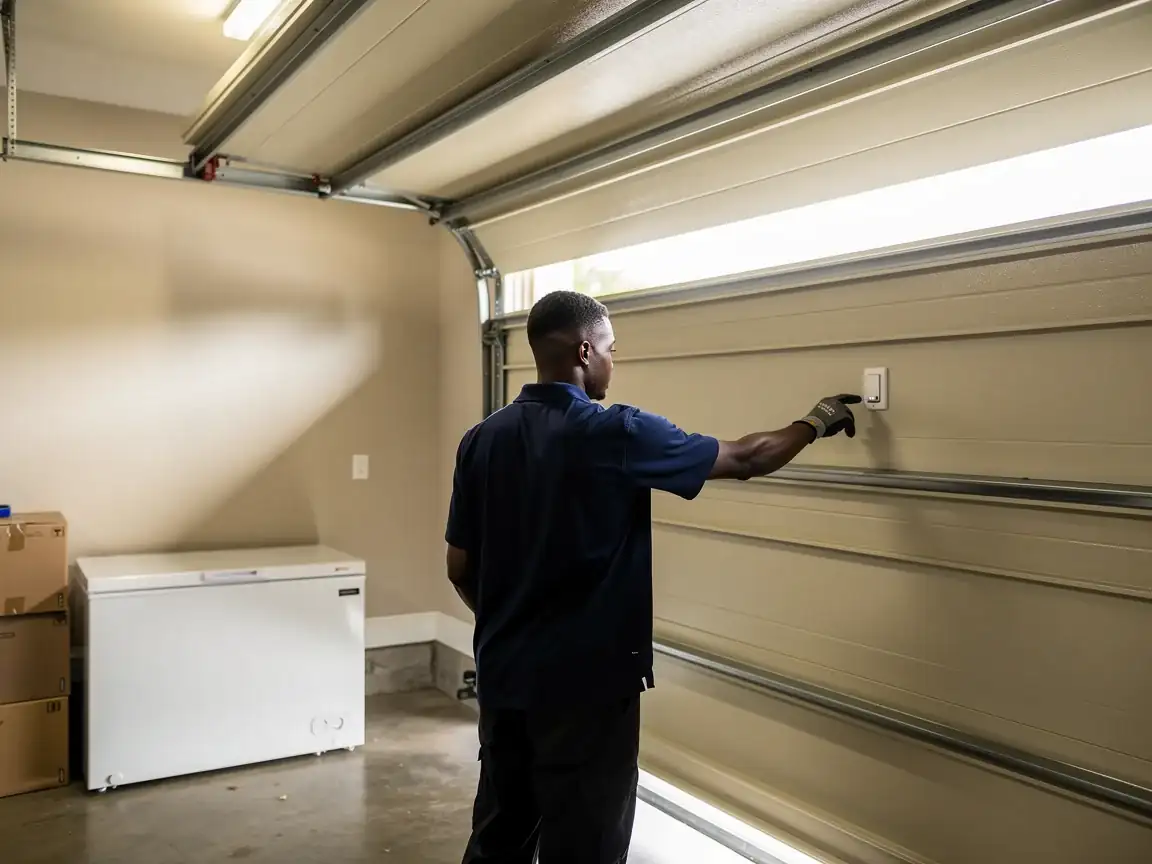
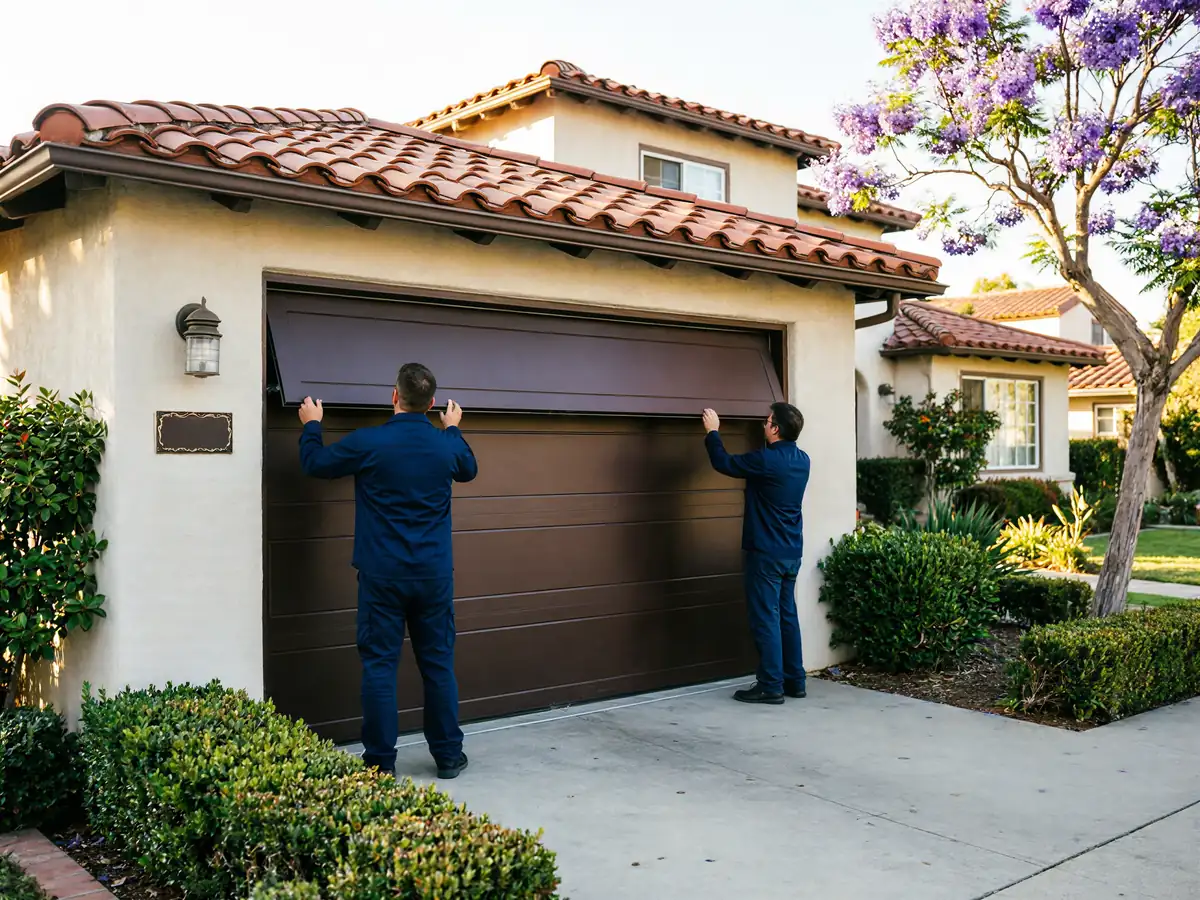
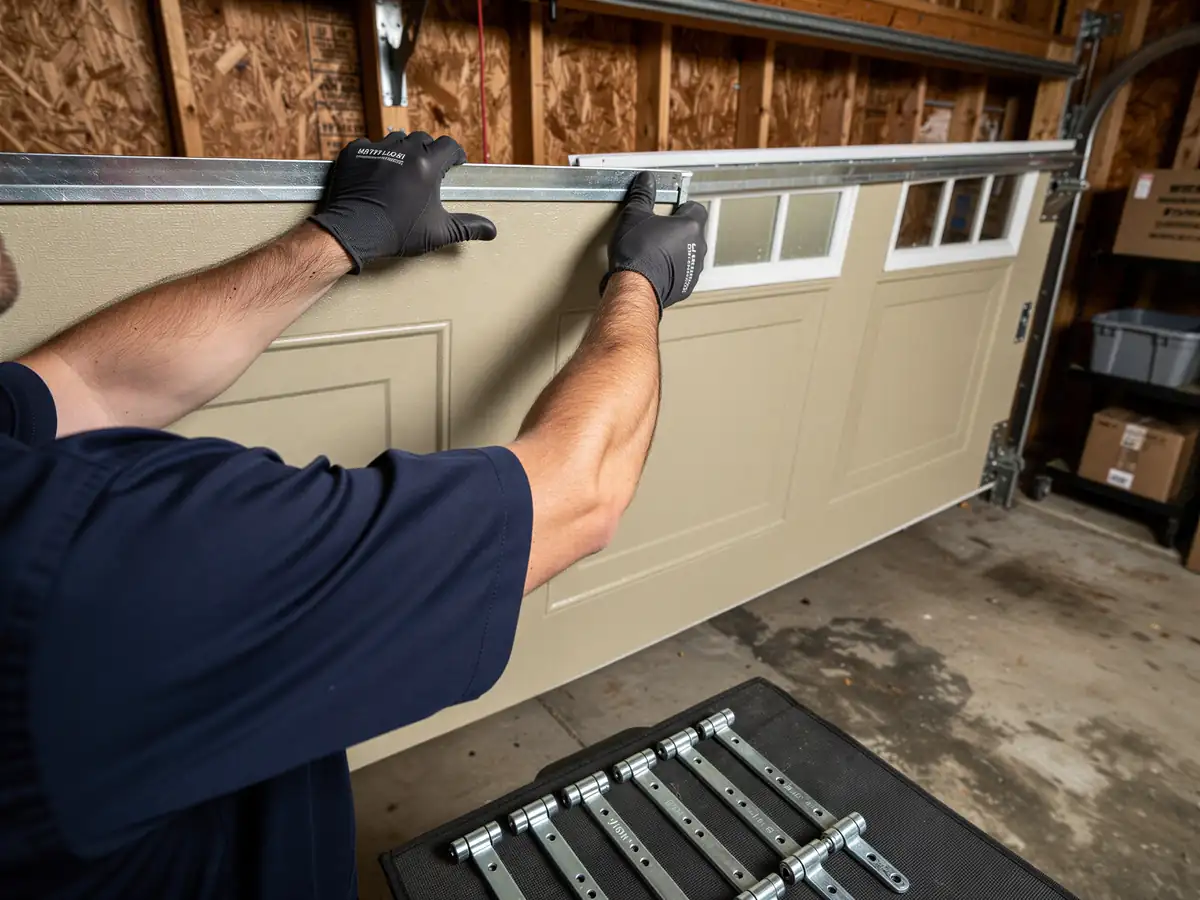
A standard two-cable replacement on a torsion system is usually a single visit - the shaft comes down, both cables and worn pulleys or drum parts go on, and the shaft gets re-tensioned and balanced before we leave. Extension-cable jobs with pulley wear take about the same window once we're on site. What adds time is a door that's been run on a snapped cable for days - the track can bend, the bottom panel can crack where it dropped and caught, and that turns a cable call into a track and panel inspection too. We check balance and travel before calling it done, not just whether the cable holds.
Why This Fails Locally
The service area's housing is mostly 1956-1999 stock, with a median build year around 1983, and that matters here specifically: original torsion hardware from that era is now 25 to 65 years old, and galvanized cable strands thin out and fray well before most owners notice anything beyond a slight shimmy in the door. The area's mild temperate climate doesn't throw the freeze-thaw cycles that crack cable coating in colder regions, so corrosion isn't usually the driver - fatigue is. Across the 17 named pockets of similar-era construction in this service area, the pattern repeats: a cable that's done tens of thousands of open-close cycles on the same drum groove finally lets go, often on a door nobody's serviced since it was installed. Houses from the later end of that build range, closer to 1999, tend to have factory-correct cable gauge and drums, so failures there usually trace to a pulley or a bent bracket rather than age alone.