What We Do Most in This Area
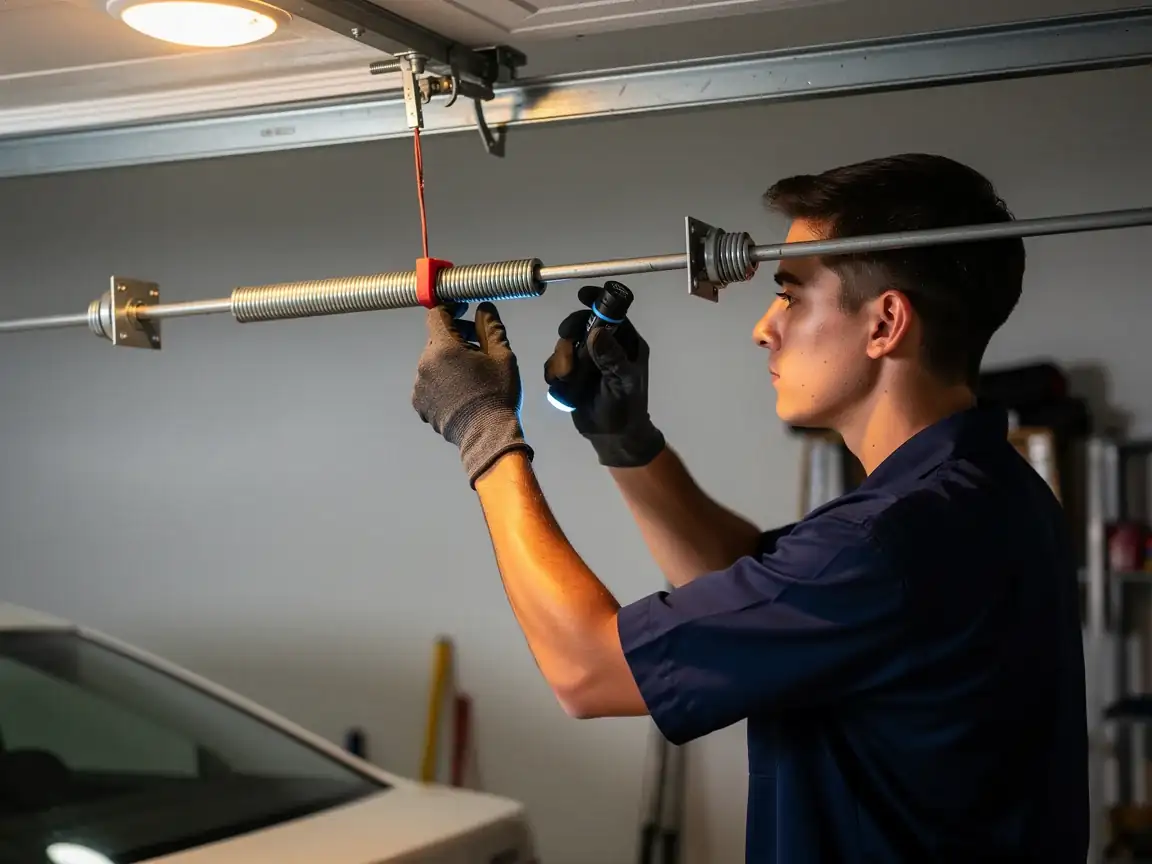
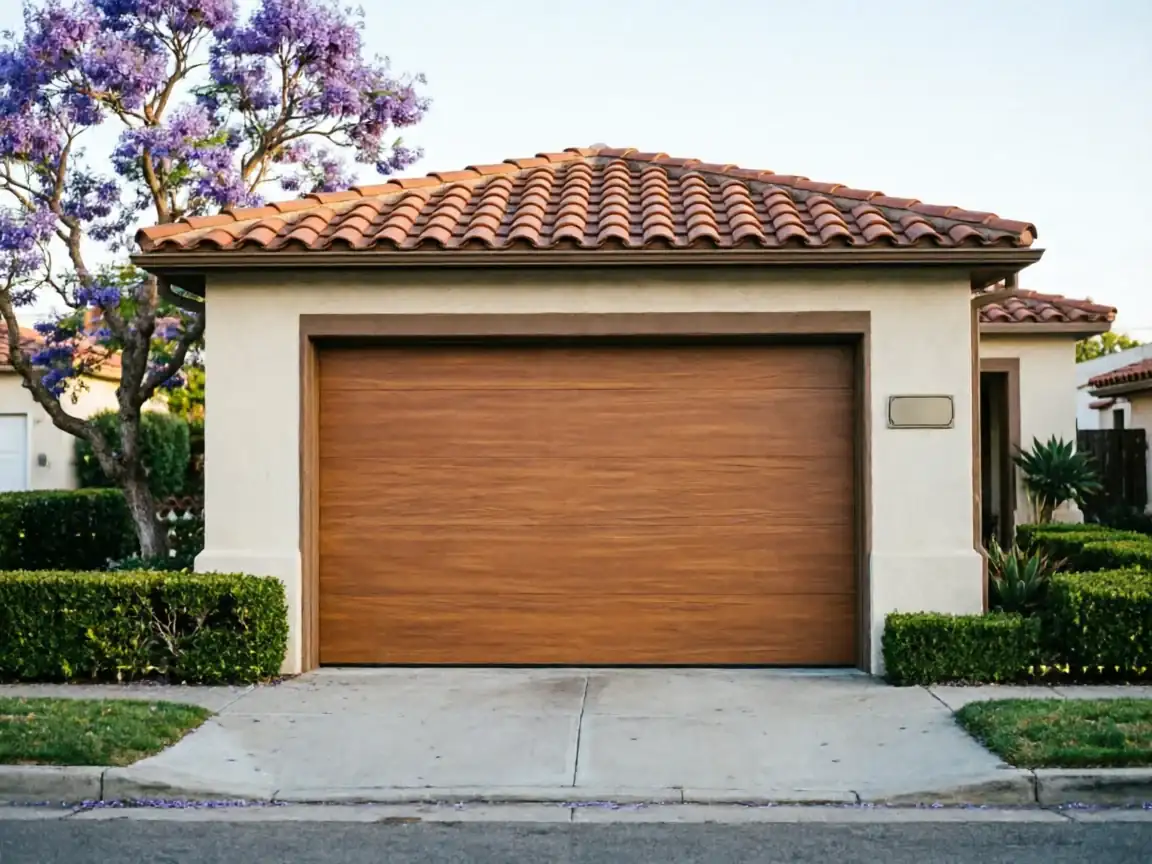
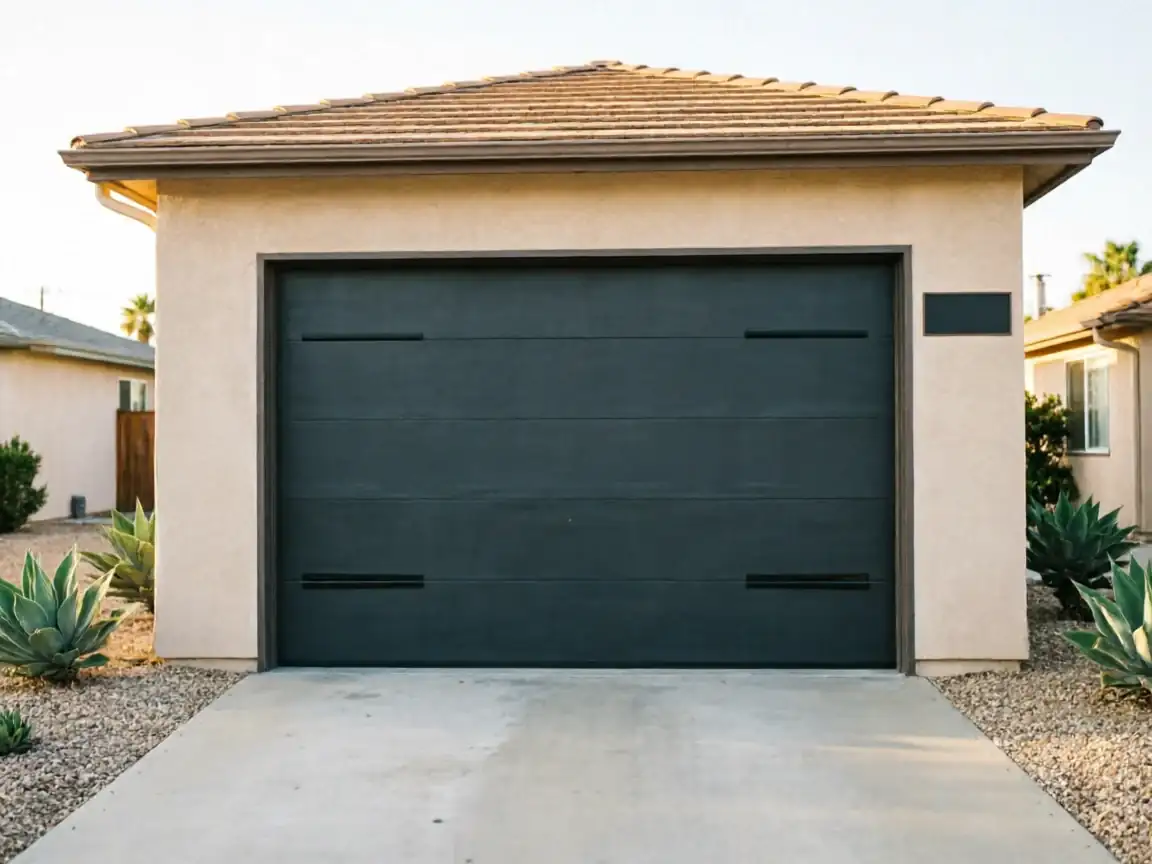
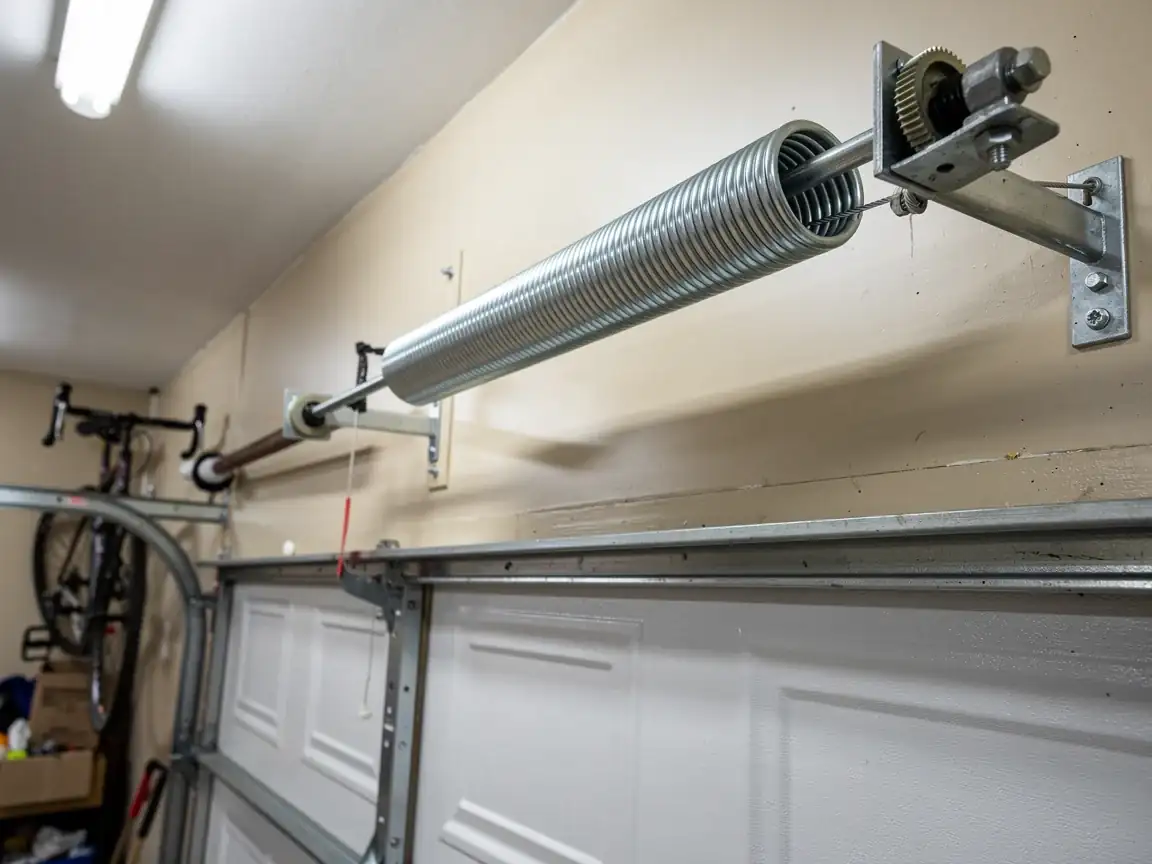
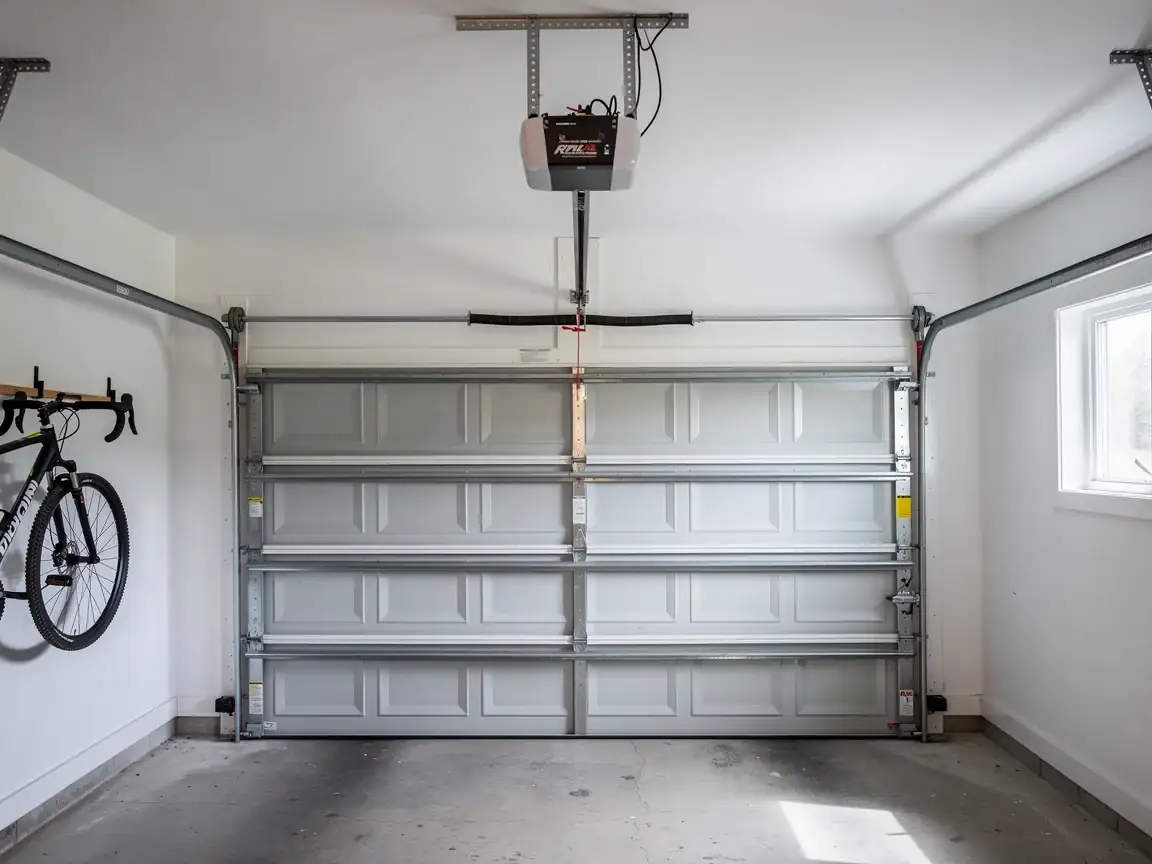
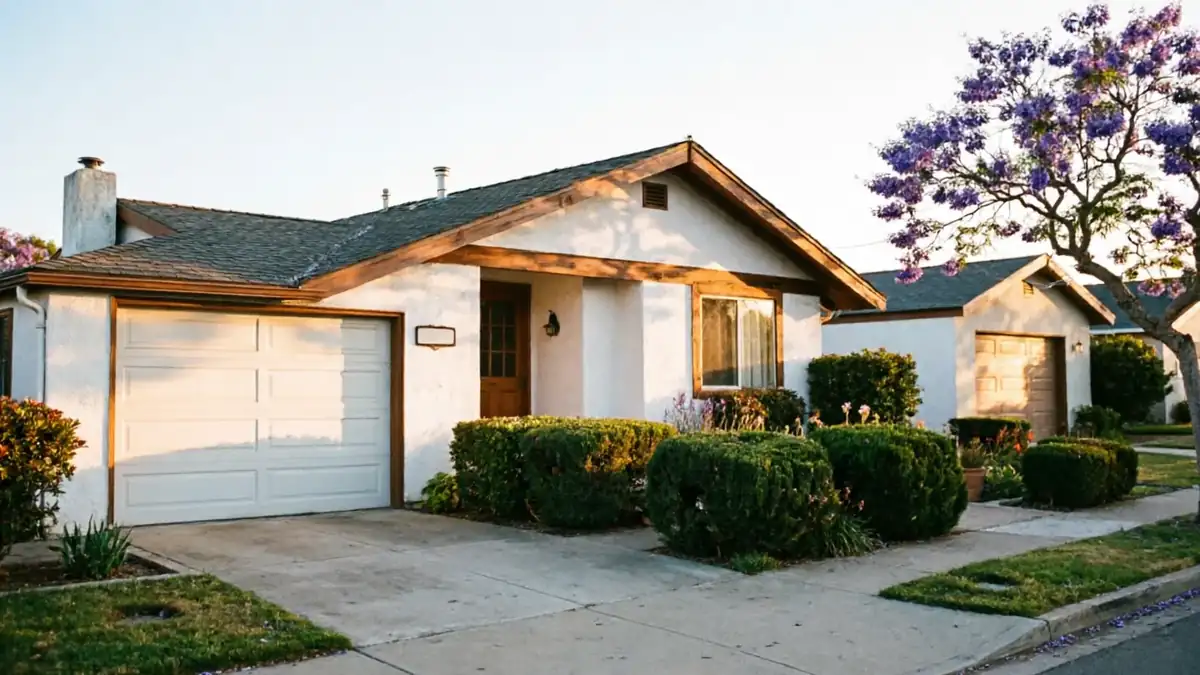
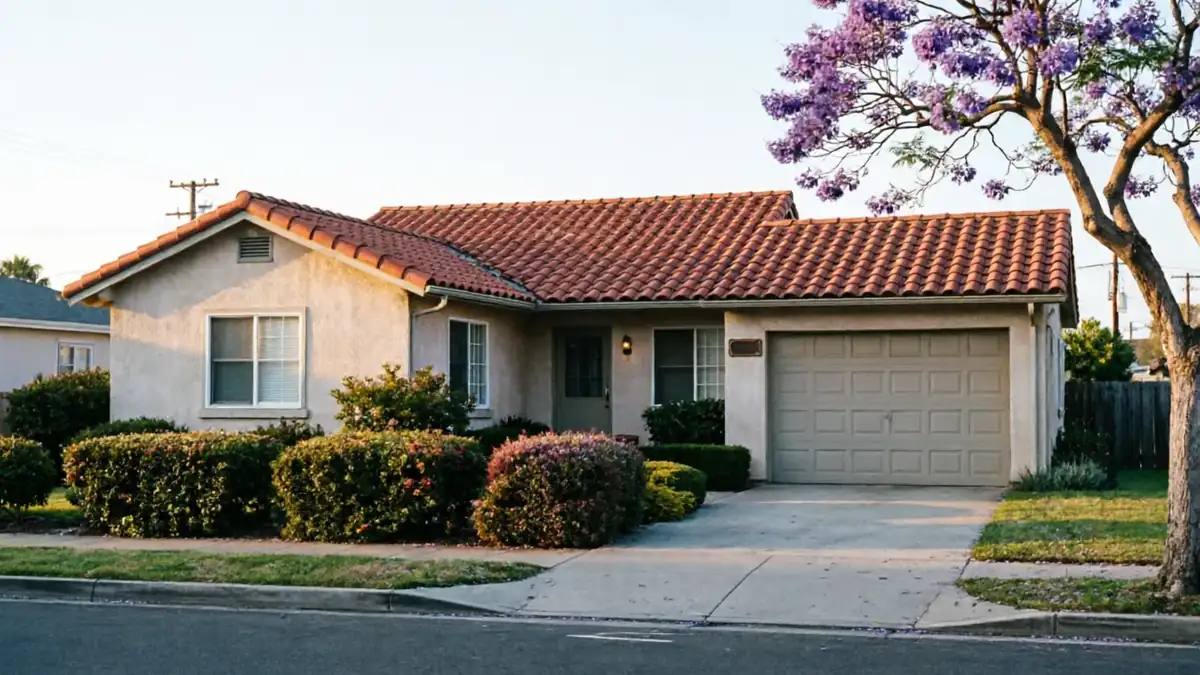
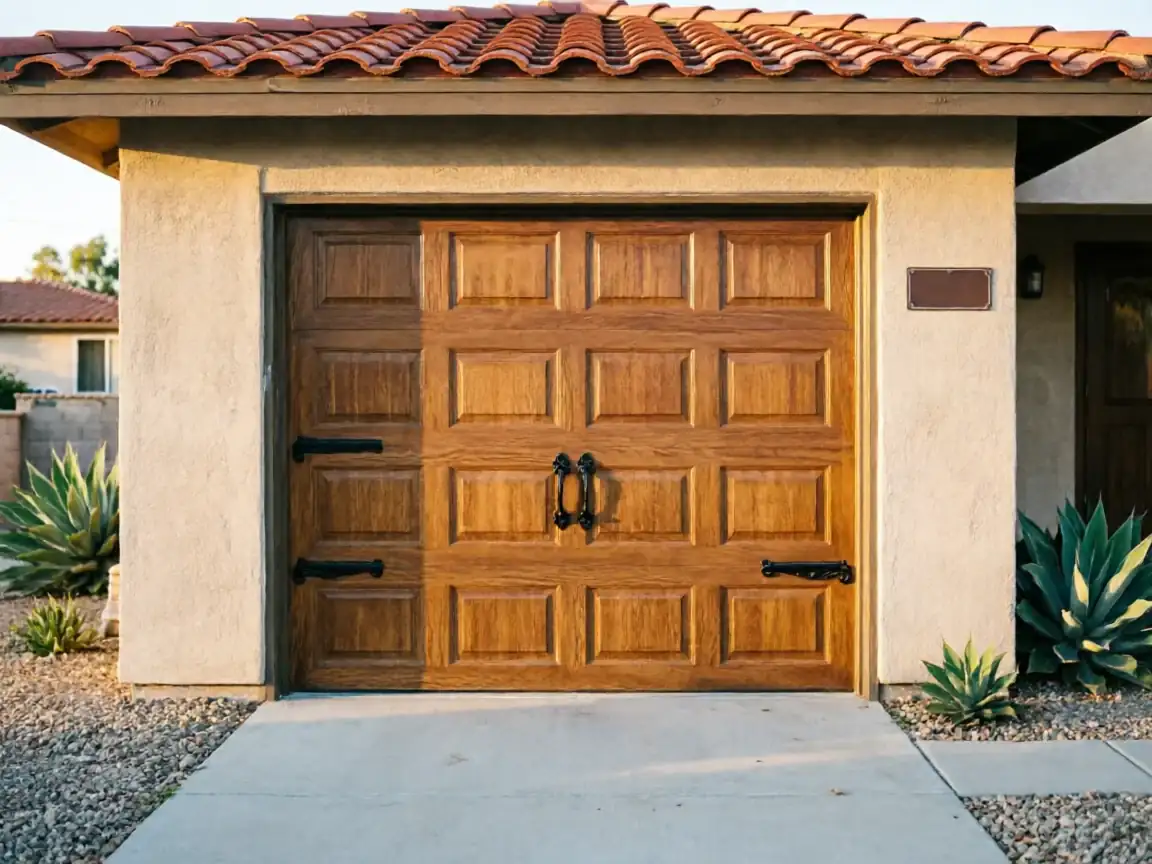
The calls we get from Moorpark cluster around original 1980s torsion spring setups that have simply run out of cycles. A torsion spring rated for a certain number of open-close cycles doesn't care how mild the weather's been; it just wears, and homes built in that 1987 window are now decades past the point where the factory spring was ever expected to last. We also see a fair number of raised-panel steel doors from that era with hardware that's stiff rather than broken outright - rollers that have gone out of round, hinges with elongated screw holes from years of torque. Opener-wise, Moorpark's housing age means a share of homes are still running first or second-generation chain-drive openers that predate rolling-code remotes, which shows up as intermittent remote failures that owners first mistake for a dead opener. None of this is storm damage or impact damage - the area's mild temperate climate doesn't put the stress on doors that freeze-thaw cycles or heavy wind-driven debris would elsewhere. It's straightforward age and cycle wear, which is usually the easier kind of job to diagnose correctly the first time.
The Split Between Old and New
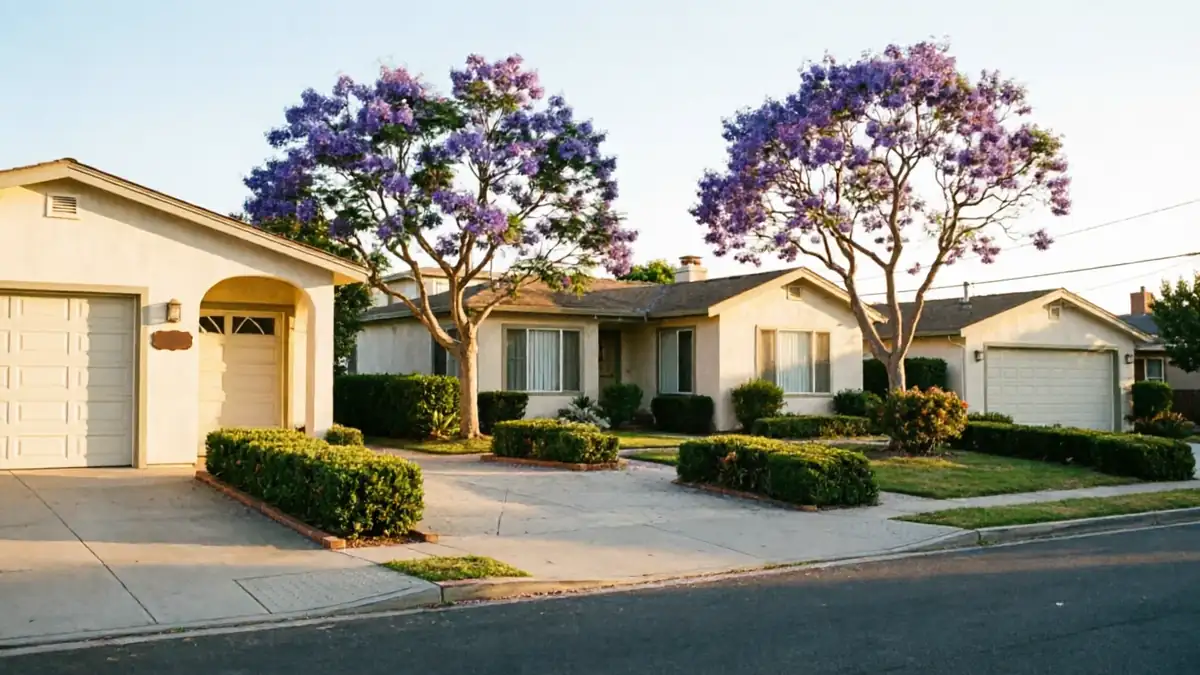
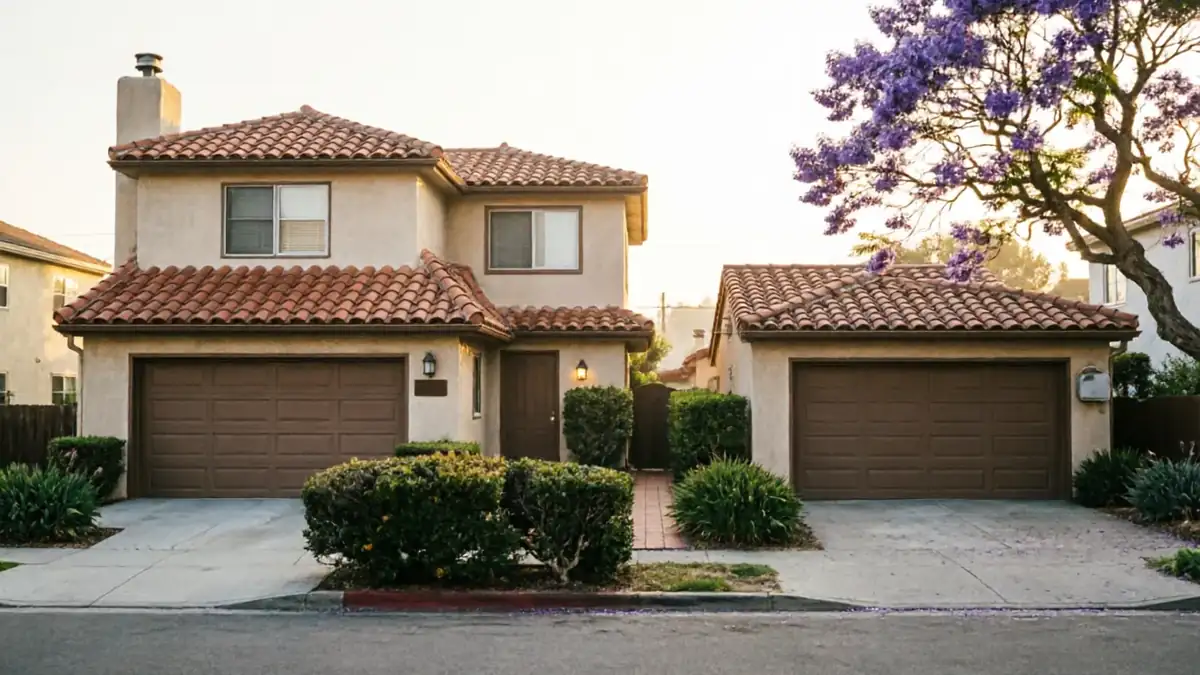
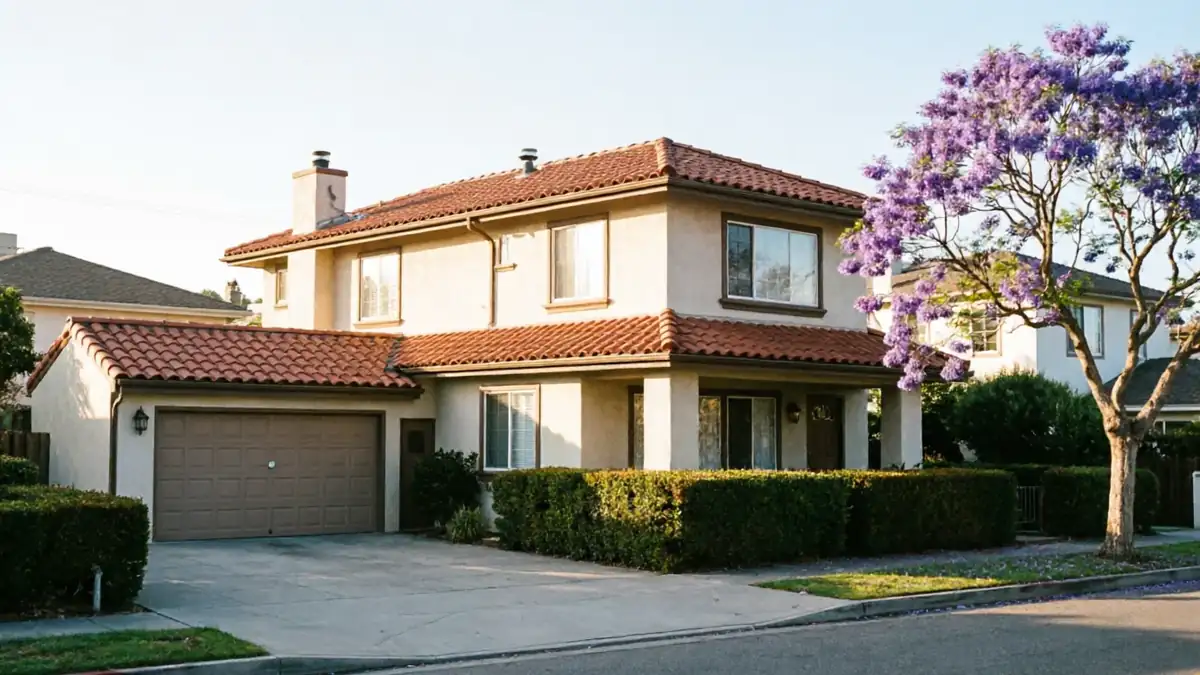
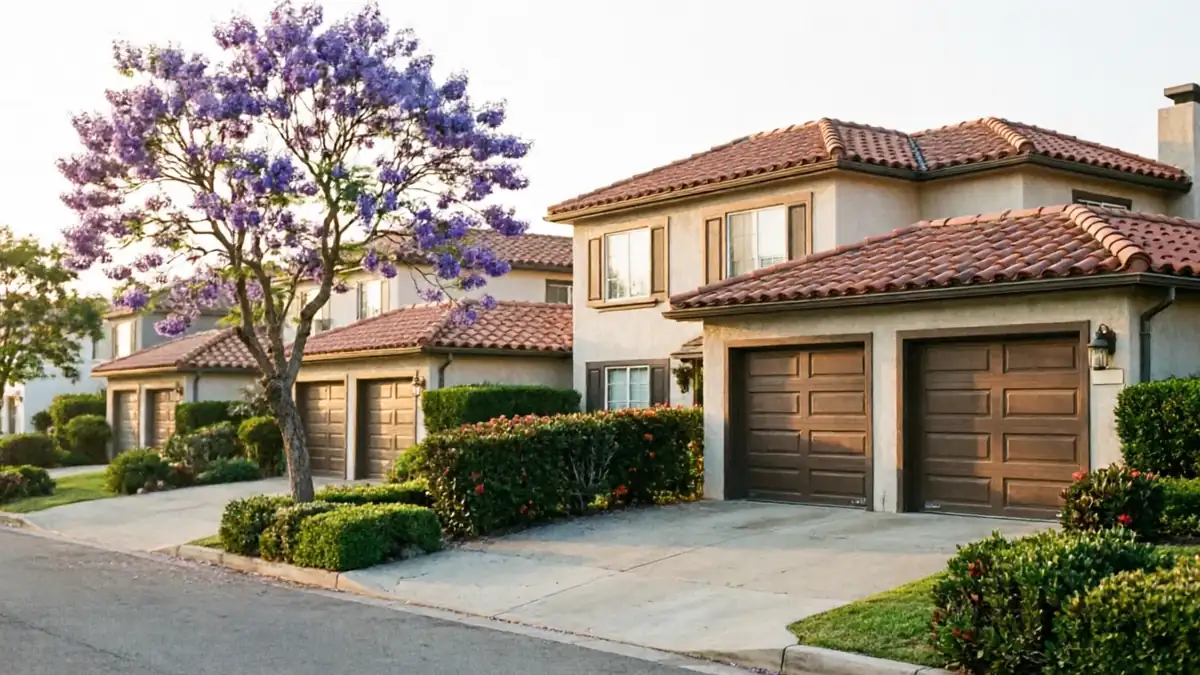
Zoom out across the full service area and you get a mix: pockets built in the 1950s and 60s sitting near newer construction from the 1990s, with the overall median landing at 1983 across 37,120 owner-occupied houses. Moorpark doesn't really have that split within itself - its own median year built is 1987, which tells us the neighborhood came together in a more concentrated building period than some of the older pockets elsewhere in the service area. That's different from, say, the mix you'd find scattered near Santa Rosa Valley or Somis, where older farmhouses sit near newer subdivisions. In Moorpark, a technician can walk up to most doors with a reasonable guess at the hardware before even opening the panel, because the building stock is more consistent street to street. That consistency cuts both ways: it means parts availability is usually decent since so many doors share a spec, but it also means that when one builder-grade component fails across a neighborhood, we tend to see a run of similar calls in the same few months.