What the Repair Takes
An off-track door almost always comes down to one of three things
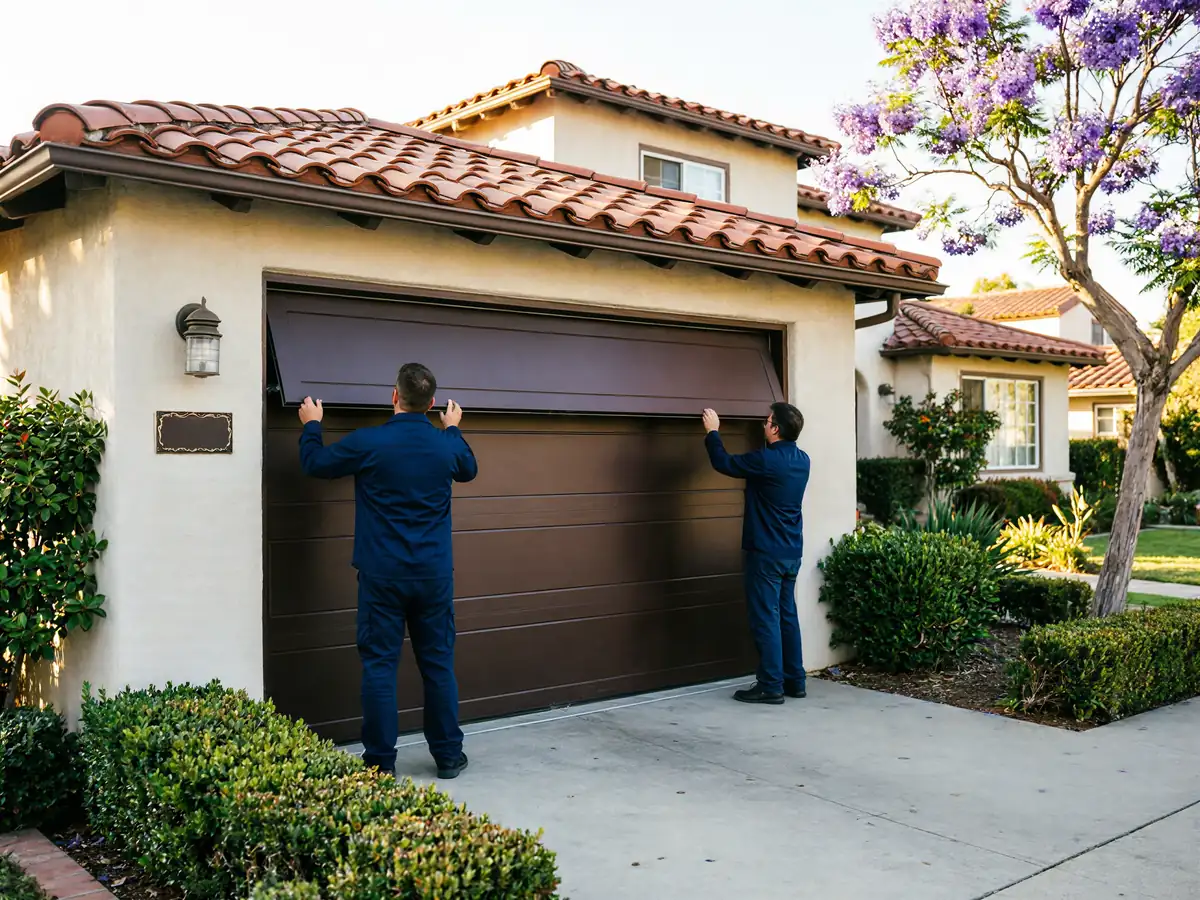
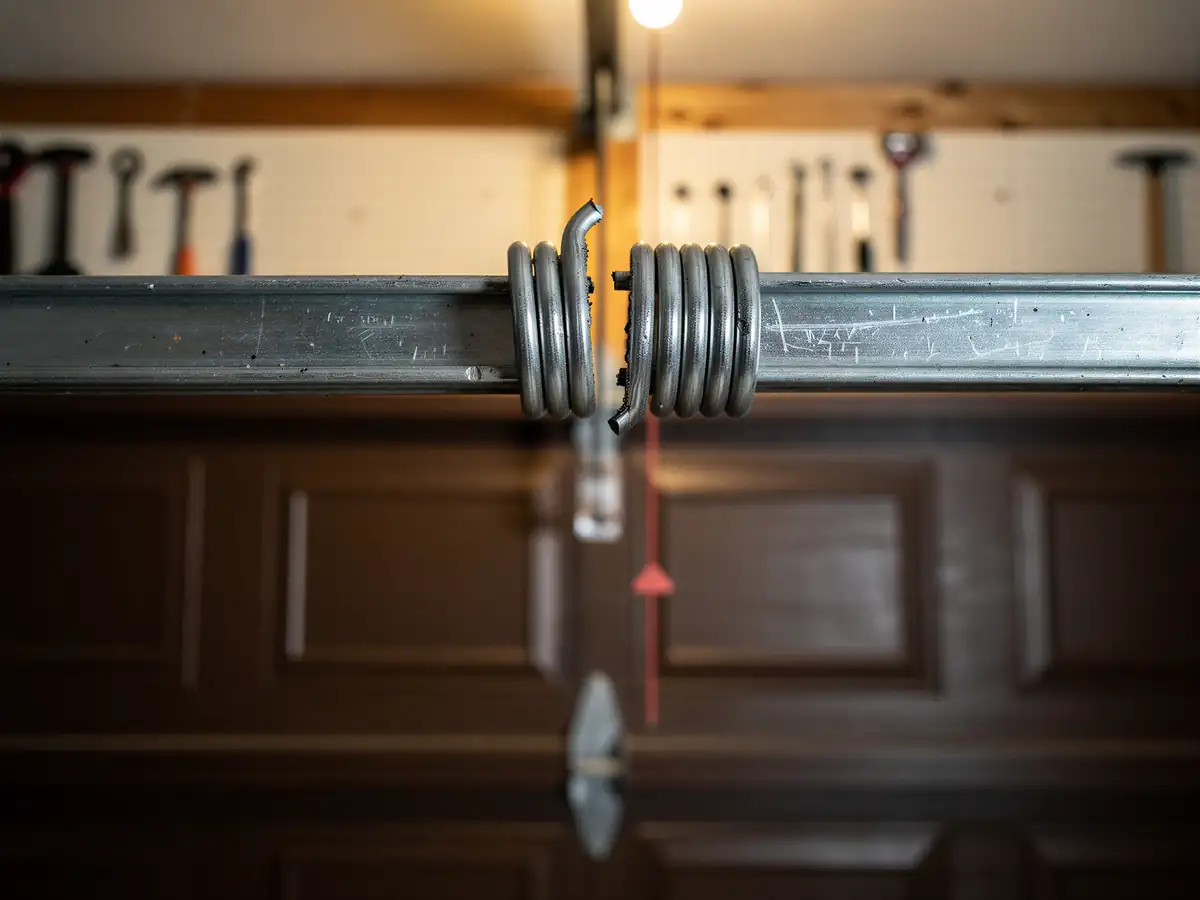
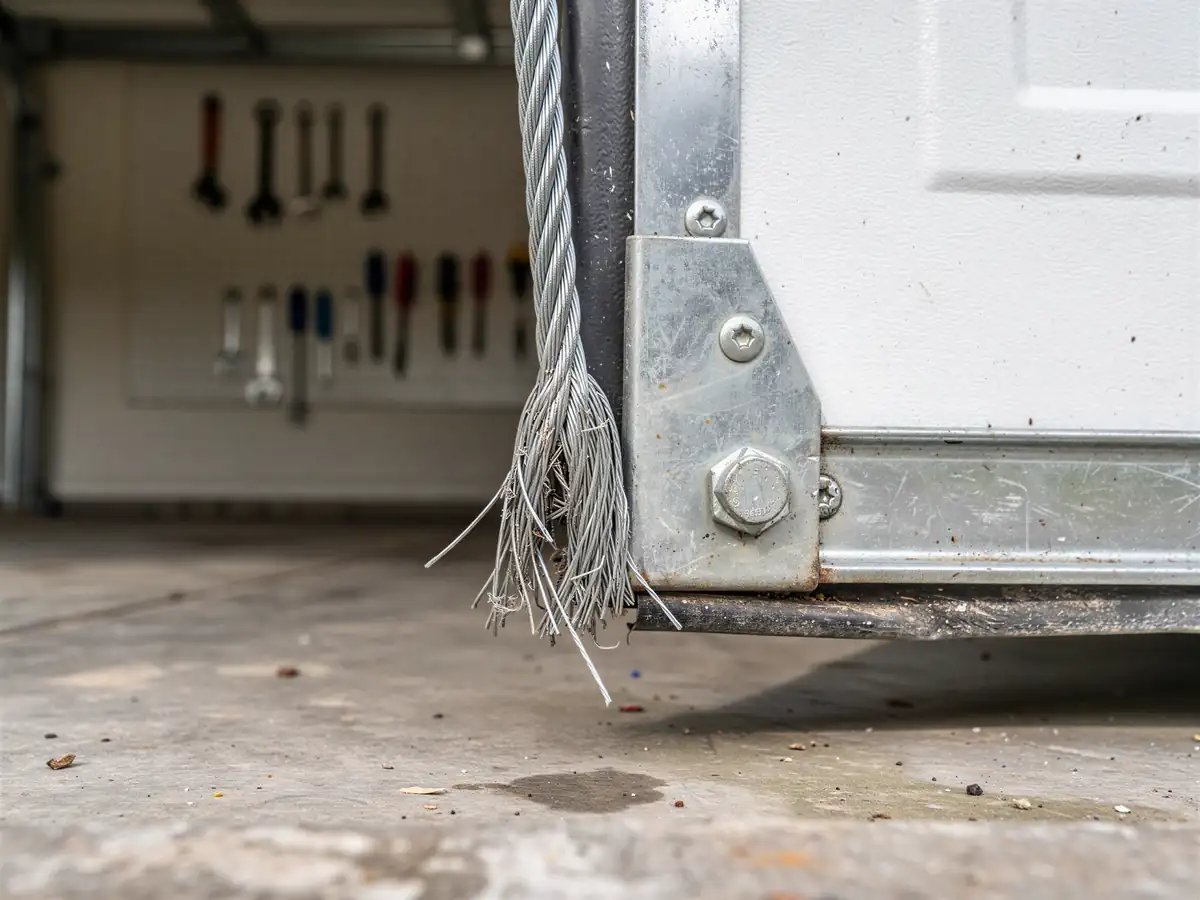
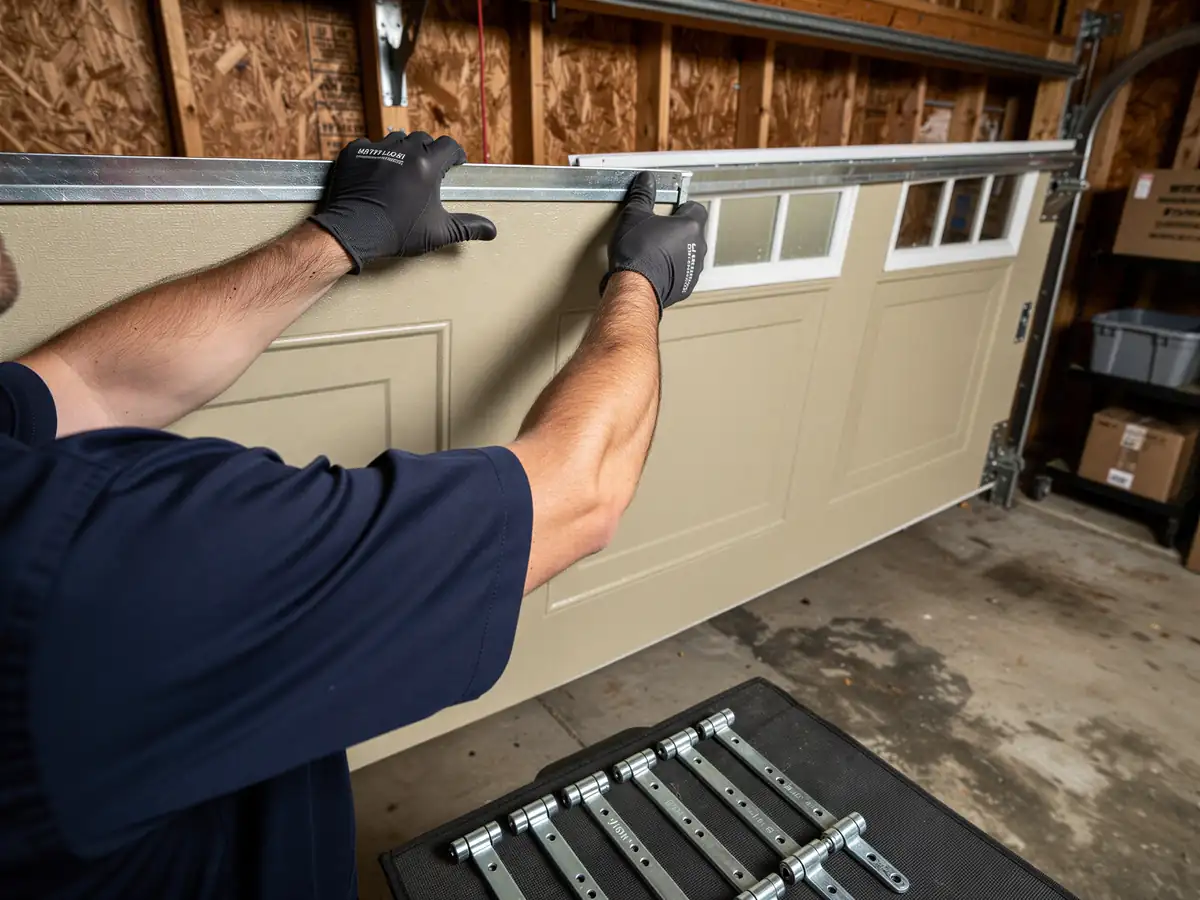
A bent track, worn rollers that have jumped the rail, or a broken cable that let the door drop crooked and wedge itself sideways. The first step is getting the door to stop moving before anyone pulls a panel back into place - a door hanging on one track and a frayed cable is not safe to force by hand.
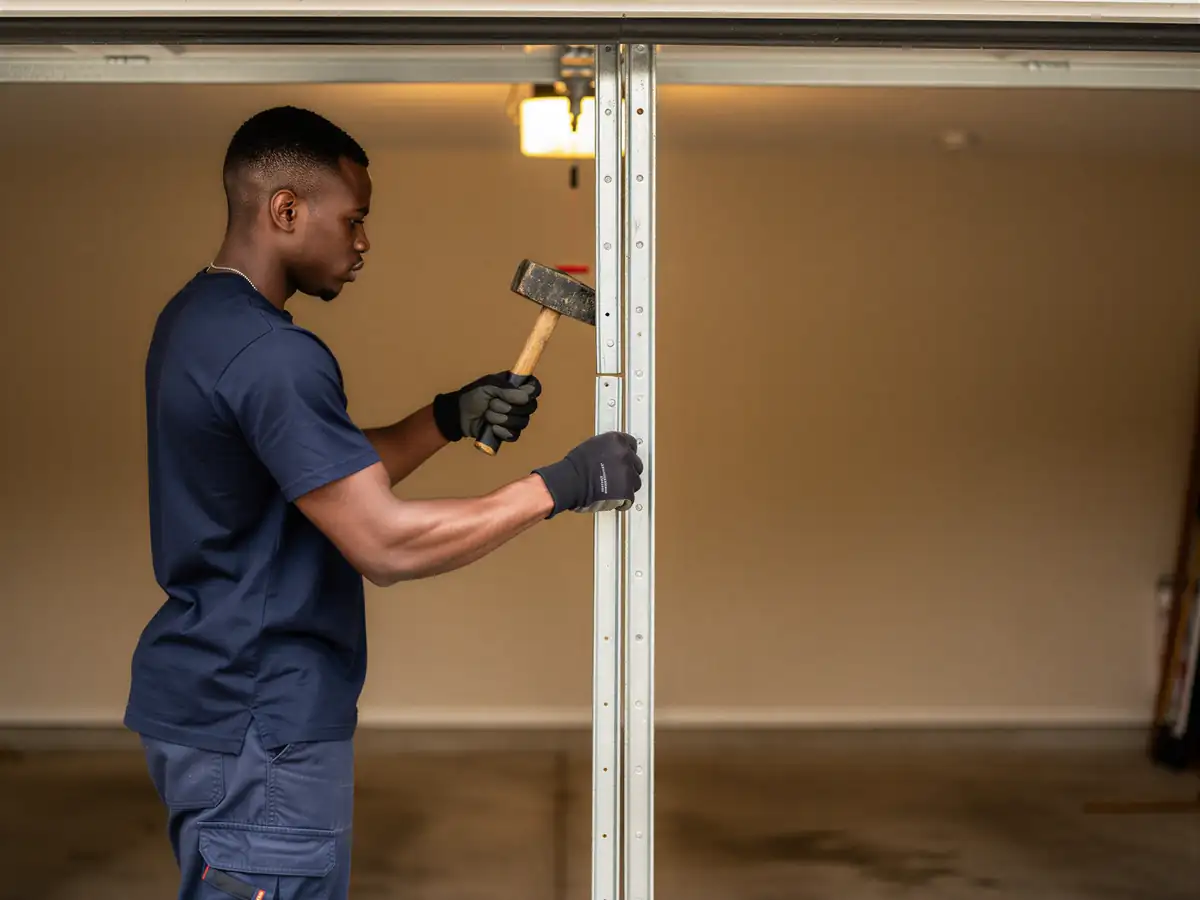
Once the door is secured, the job is mostly about the track itself
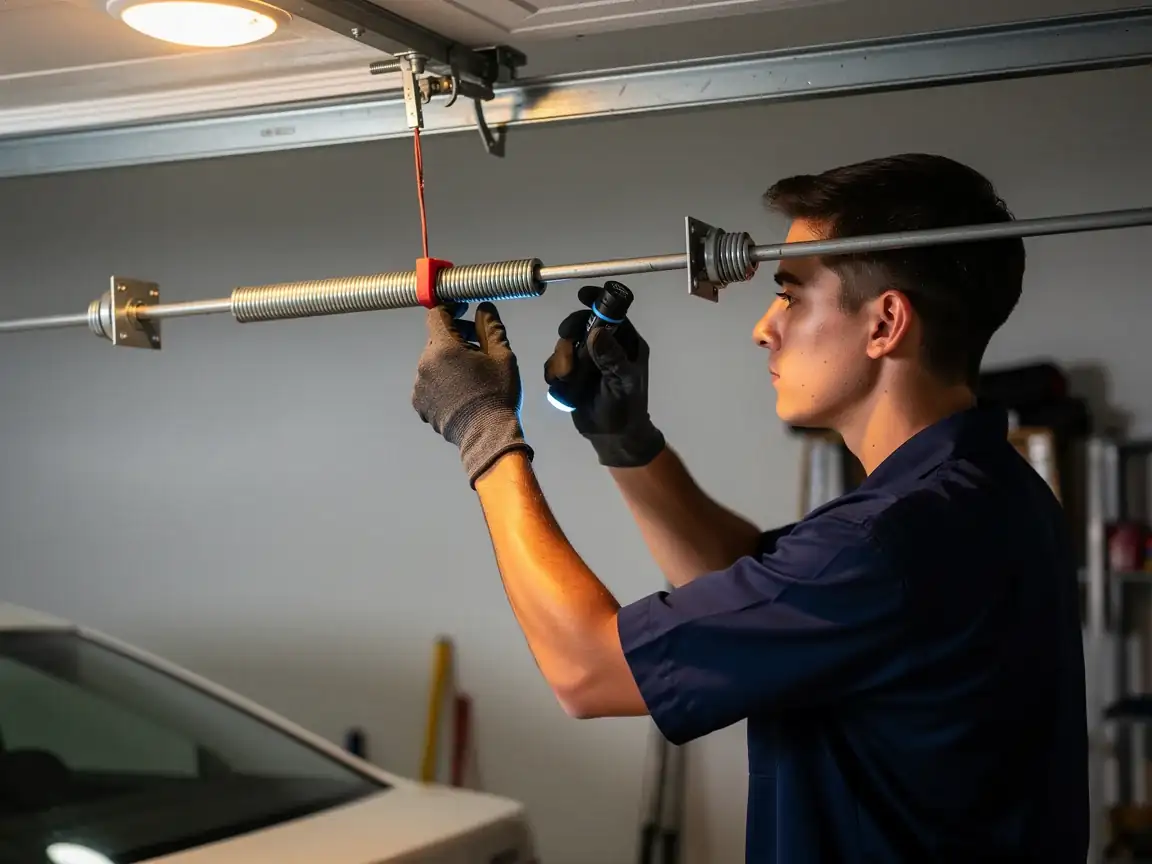
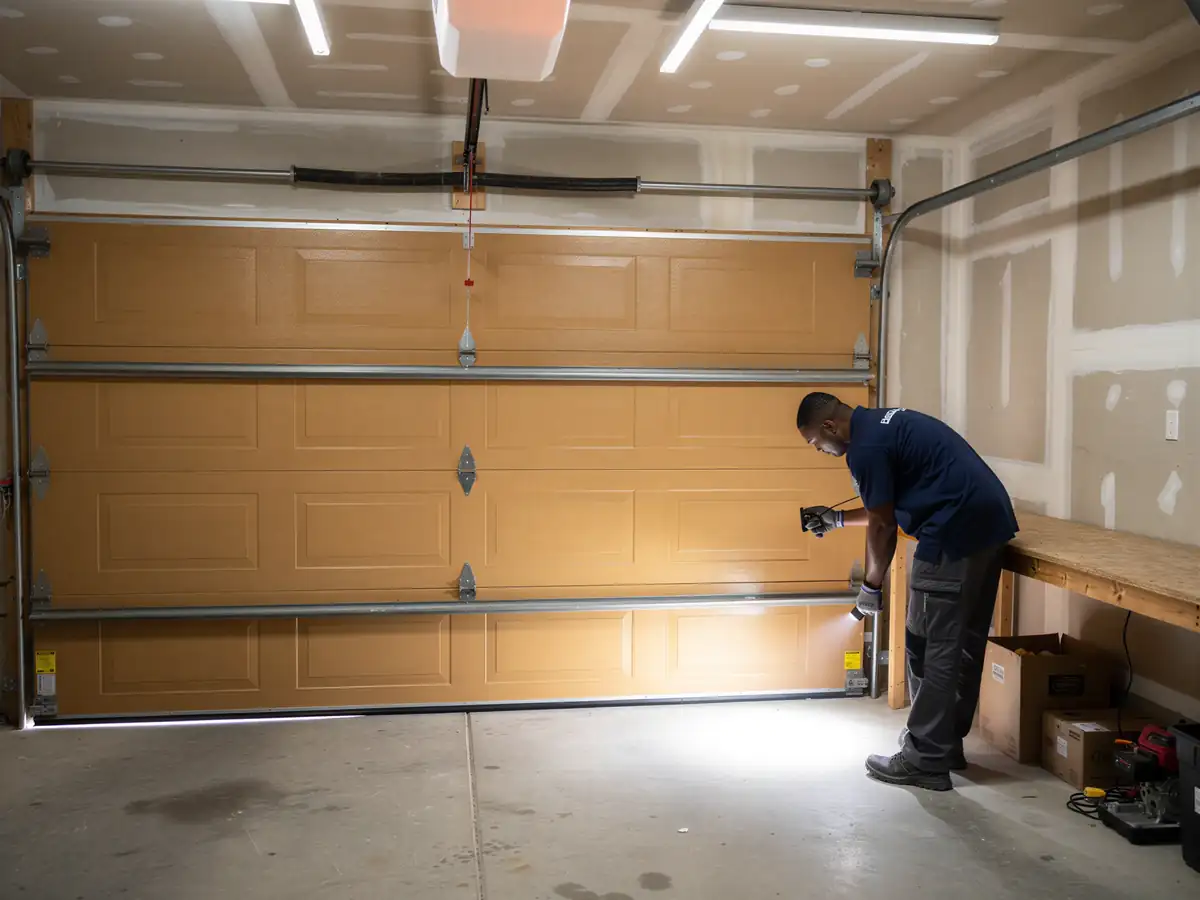
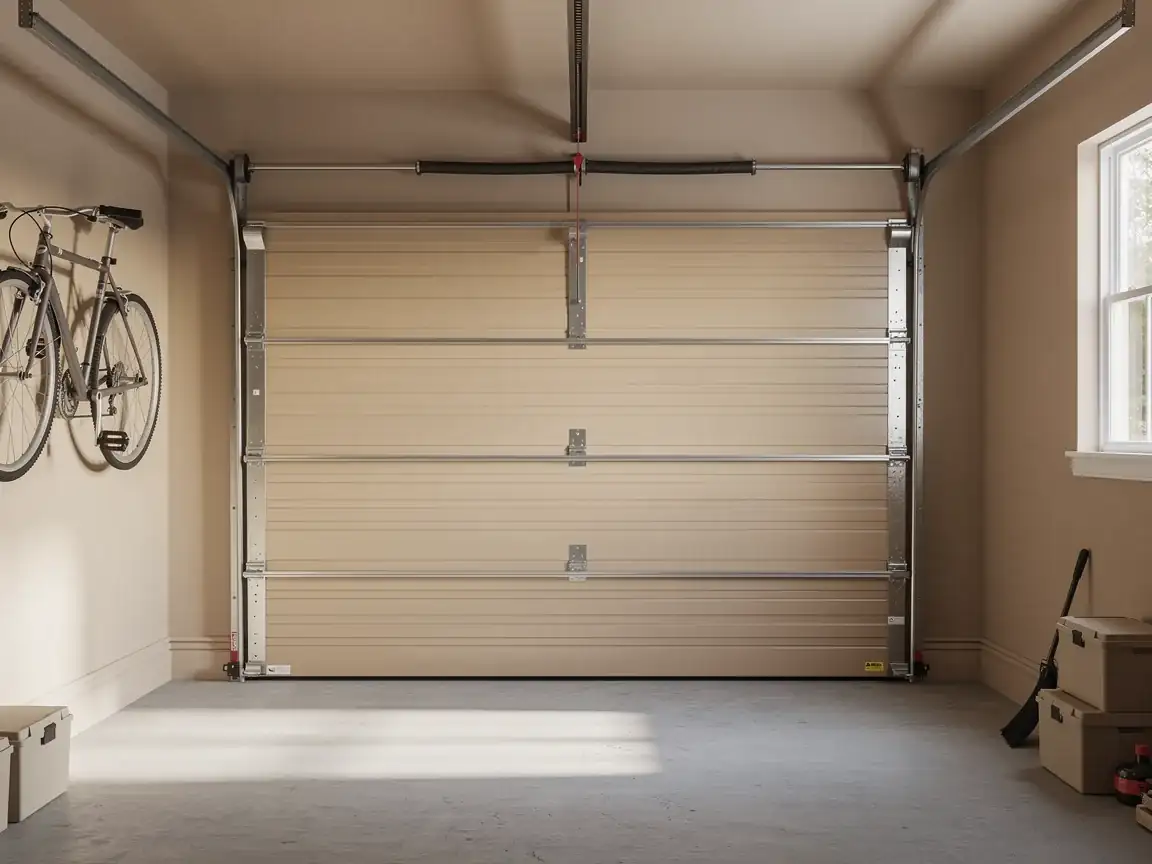
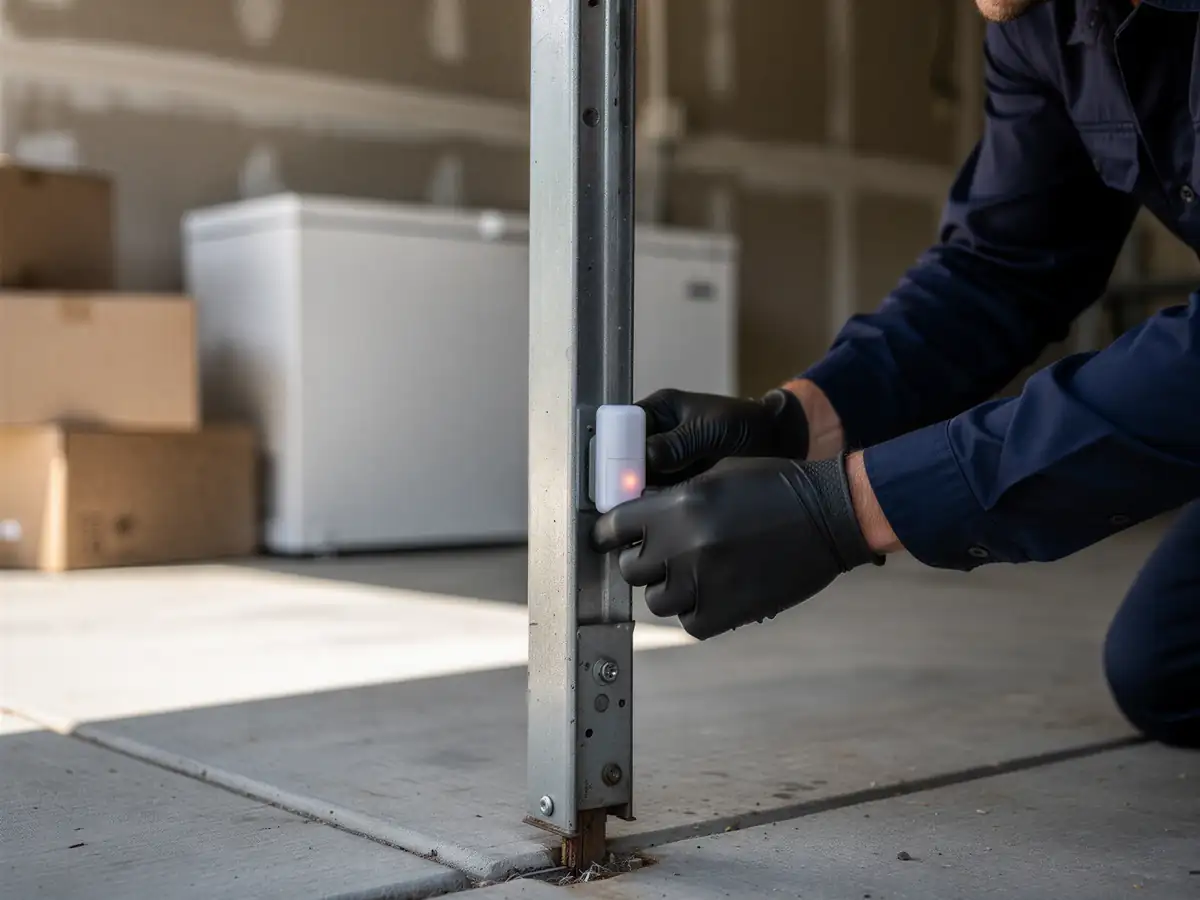
A track that's bent more than a quarter inch out of true usually gets replaced rather than hammered straight; a straightened track looks fine for a few weeks and then starts binding again. Rollers get checked next - steel rollers on 1980s-era hardware wear down to a ridge over time and start fighting the track instead of riding in it. If the stud brackets holding the track to the frame have pulled loose, those get reset and re-shimmed so the rail sits plumb.
We don't try to save every track
If the rail is dented at a weld point or the drum end is torqued, replacing that section costs less in the long run than a repair that fails again in six months. That's the one honest tradeoff on this job: a straightened track is sometimes a stopgap, not a fix.
How Long It Takes
A straightforward off-track call - rollers out, track true, hardware sound - is usually a same-visit job once the door is back on the rail and running. Where it stretches out is when the track itself needs replacing, or when the off-track event also snapped a cable or bent a hinge, which is common when a door has been dragging sideways for a while before anyone calls. Those jobs take longer because we're sourcing the right track profile for the opener and door weight rather than grabbing a generic length.
We don't guess at this over the phone. Two doors that look the same from the driveway can have different track gauges depending on when the house was built and what opener got added later, and matching that wrong is how you end up back here in a month.
Why This Fails Locally
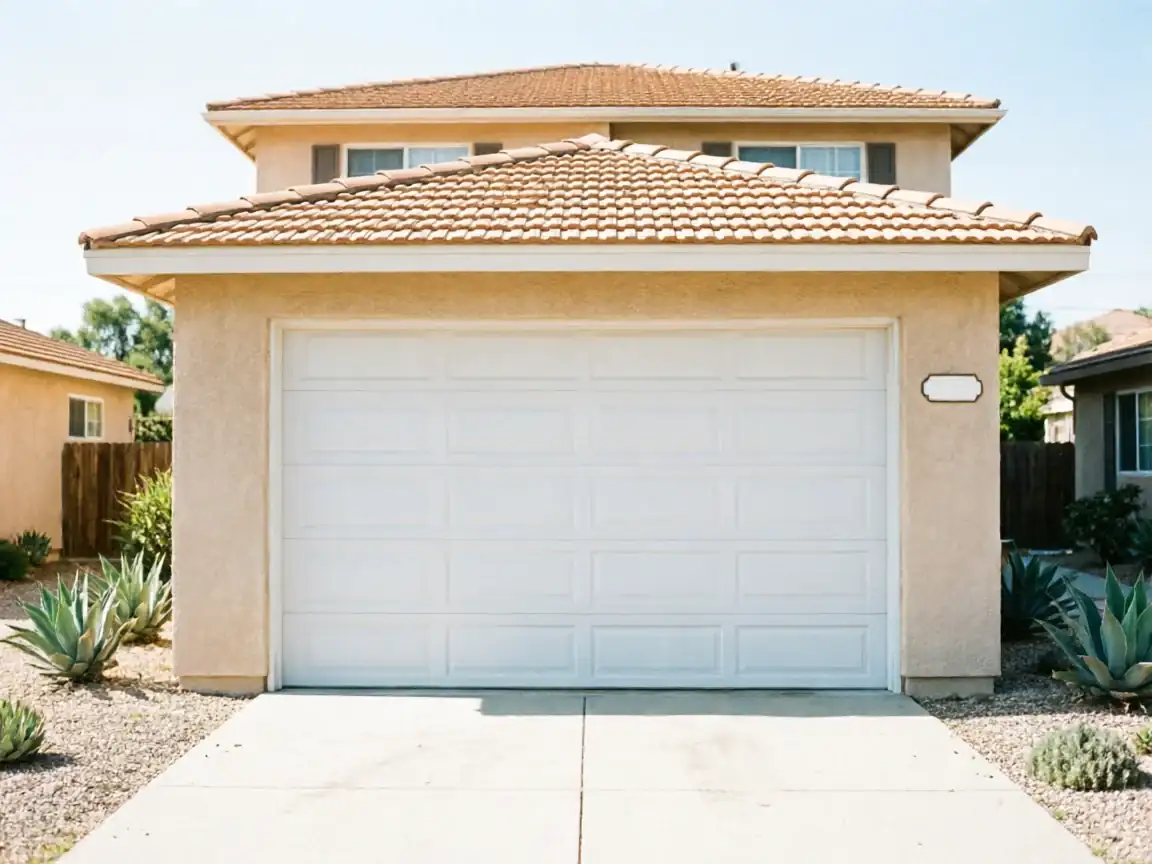
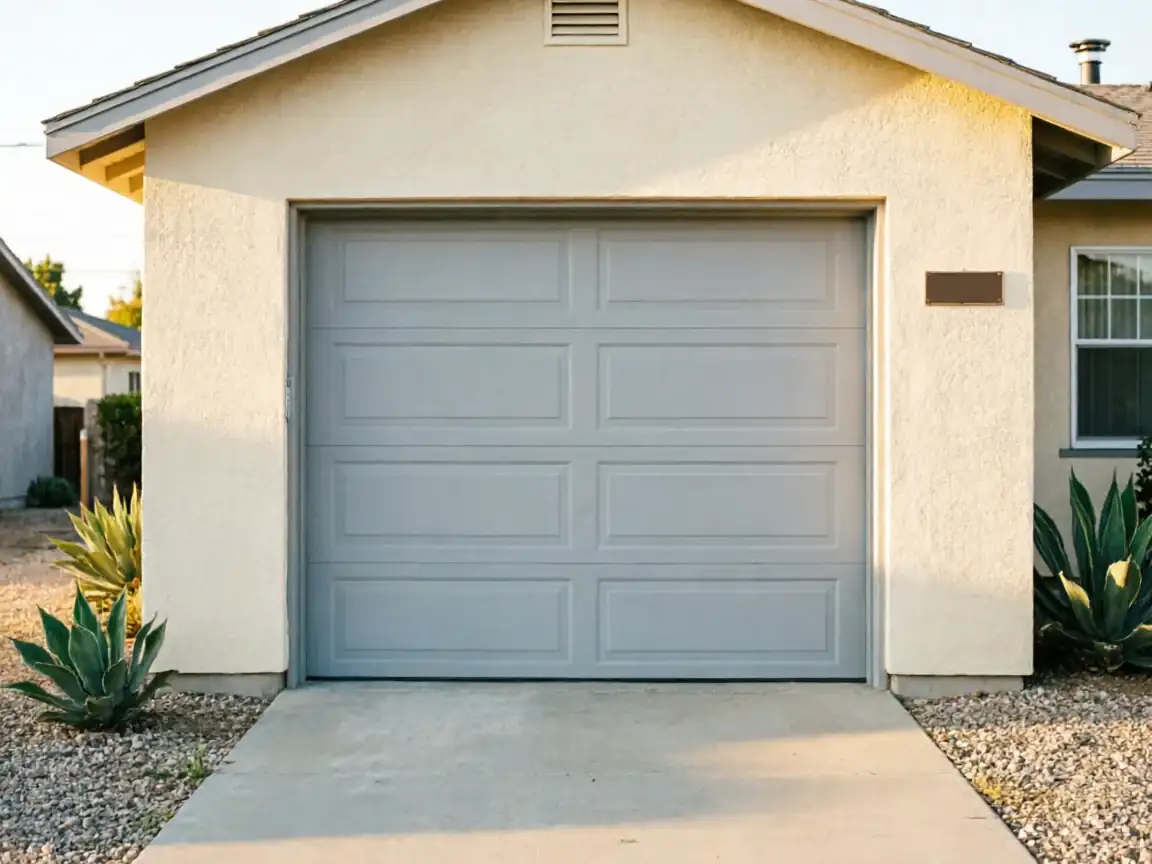
Most of the housing across this service area went up between 1956 and 1999, with the bulk of it dating to the 1980s and 90s across the 17 neighborhoods we cover. That means a lot of original track hardware is now 25 to 45 years old - steel that's been expanding and contracting through decades of temperature swings, with stud brackets that were never meant to last this long.
The mild temperate climate here doesn't create the dramatic failures you'd see with freeze-thaw cracking or heavy snow load, but it does mean doors run nearly every day of the year with no seasonal rest, so wear on rollers and track alignment is gradual and constant rather than sudden. A track that's a sixteenth of an inch off plumb doesn't show up as a problem until a roller finally catches the edge and the door jumps the rail - usually on a door that's been quietly drifting out of alignment for months. On 1980s-stock garages, that drift is often the stud brackets, installed to the framing standards of that era and never re-torqued since.
The Symptom
The door usually doesn't come fully off the rail in one dramatic moment
More often it starts as a scrape or a knock partway through the cycle, then the door hangs crooked at the bottom corner, then one side stops tracking altogether while the other side keeps trying to move. If you see daylight between the roller and the track, or the door sits at an angle when it's down, that's an off-track door even if it still technically closes.
Don't keep running the opener once you notice the lean
Every cycle after that point bends the track further or stresses the cable on the side that's still holding weight, which turns a track adjustment into a track-and-cable job.