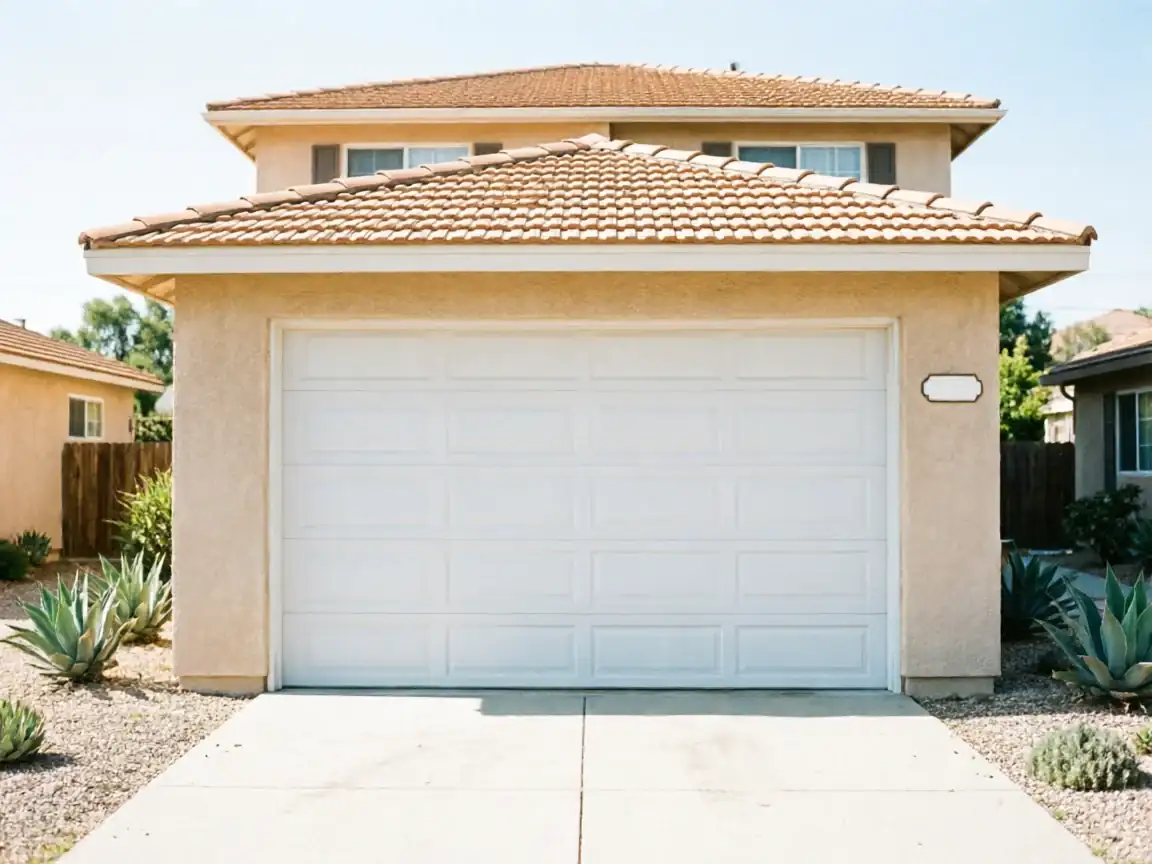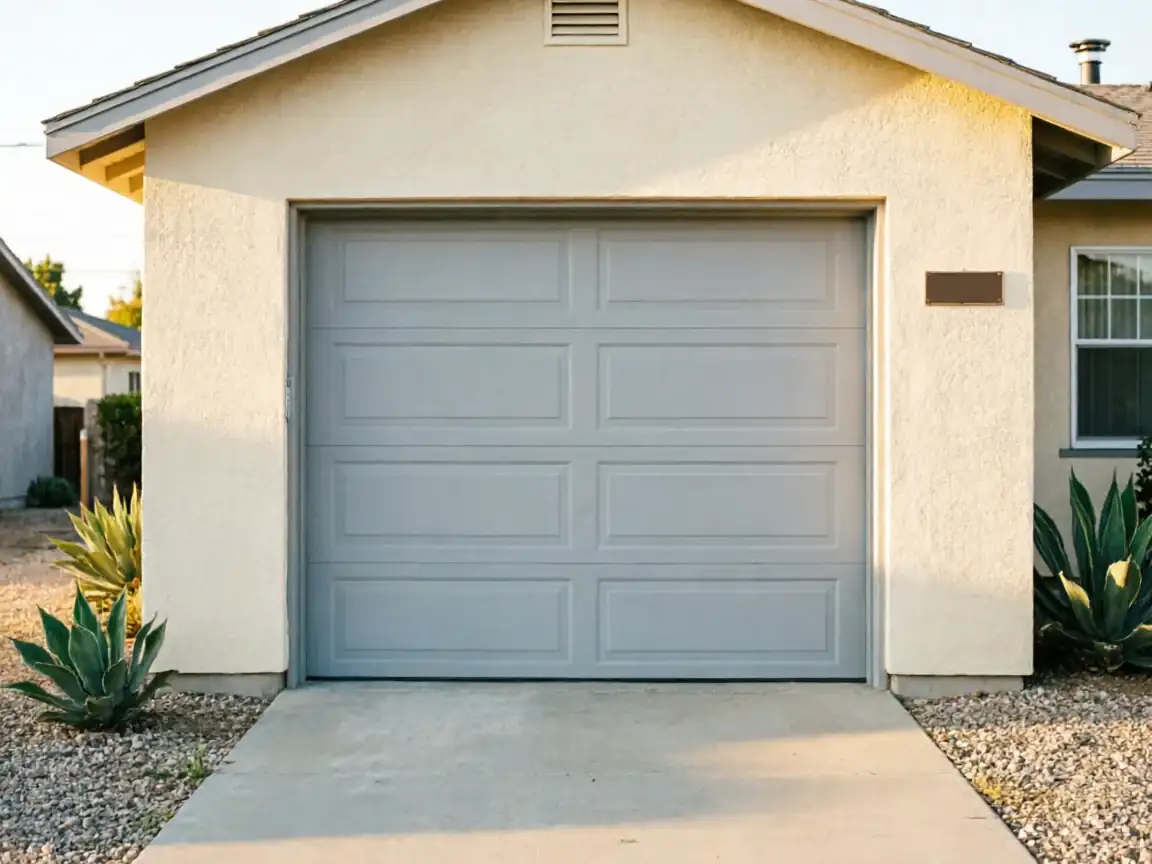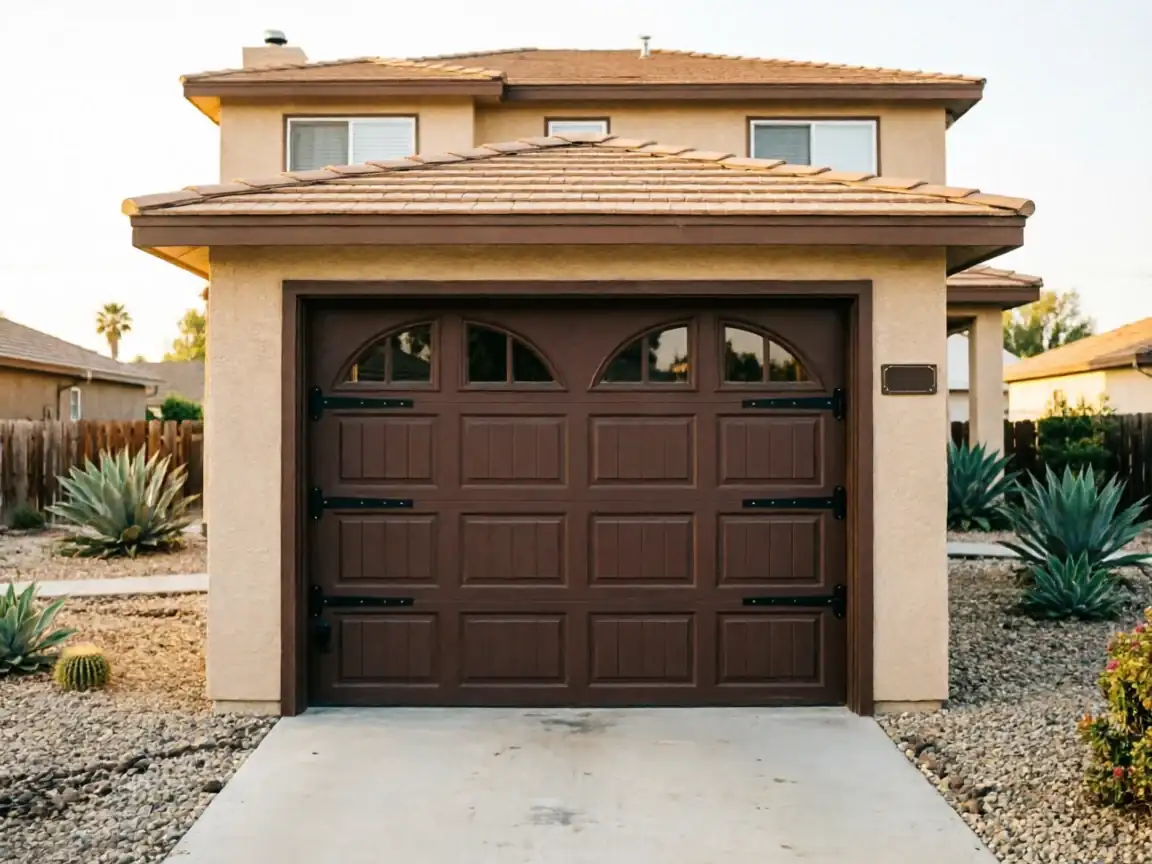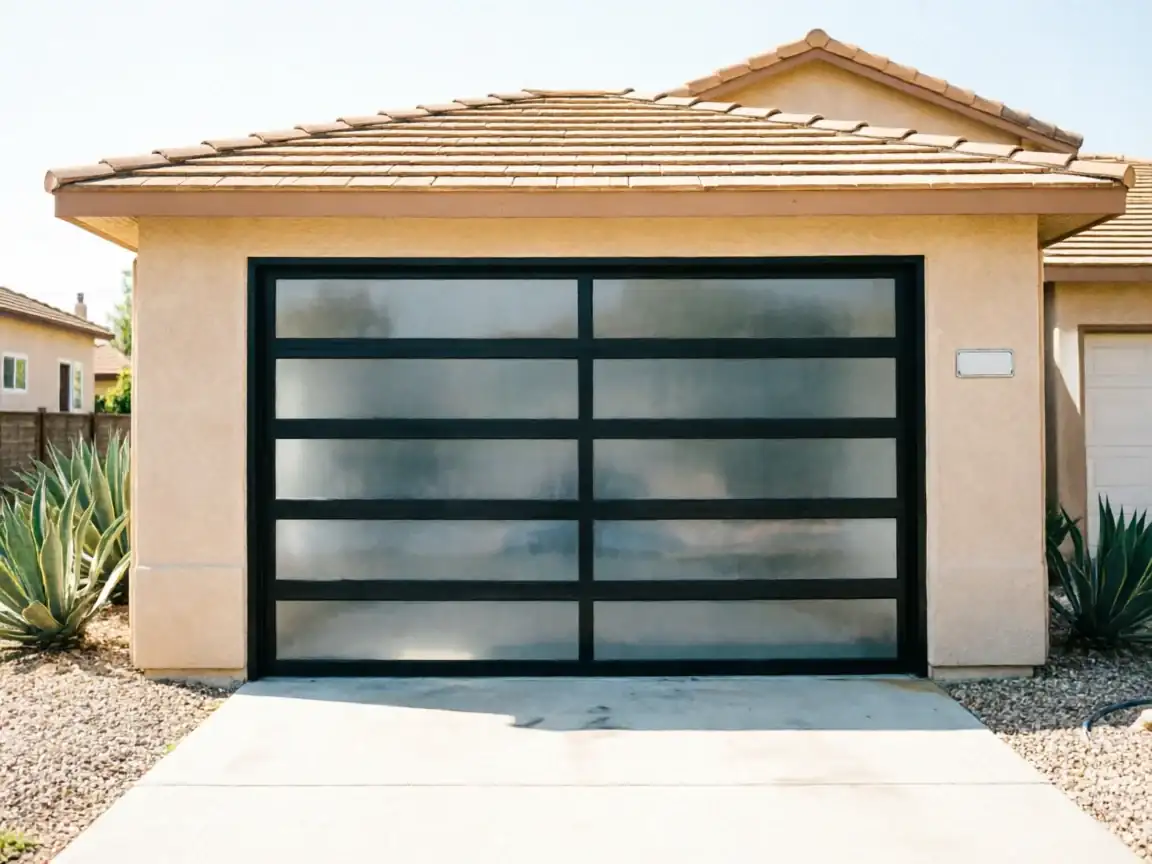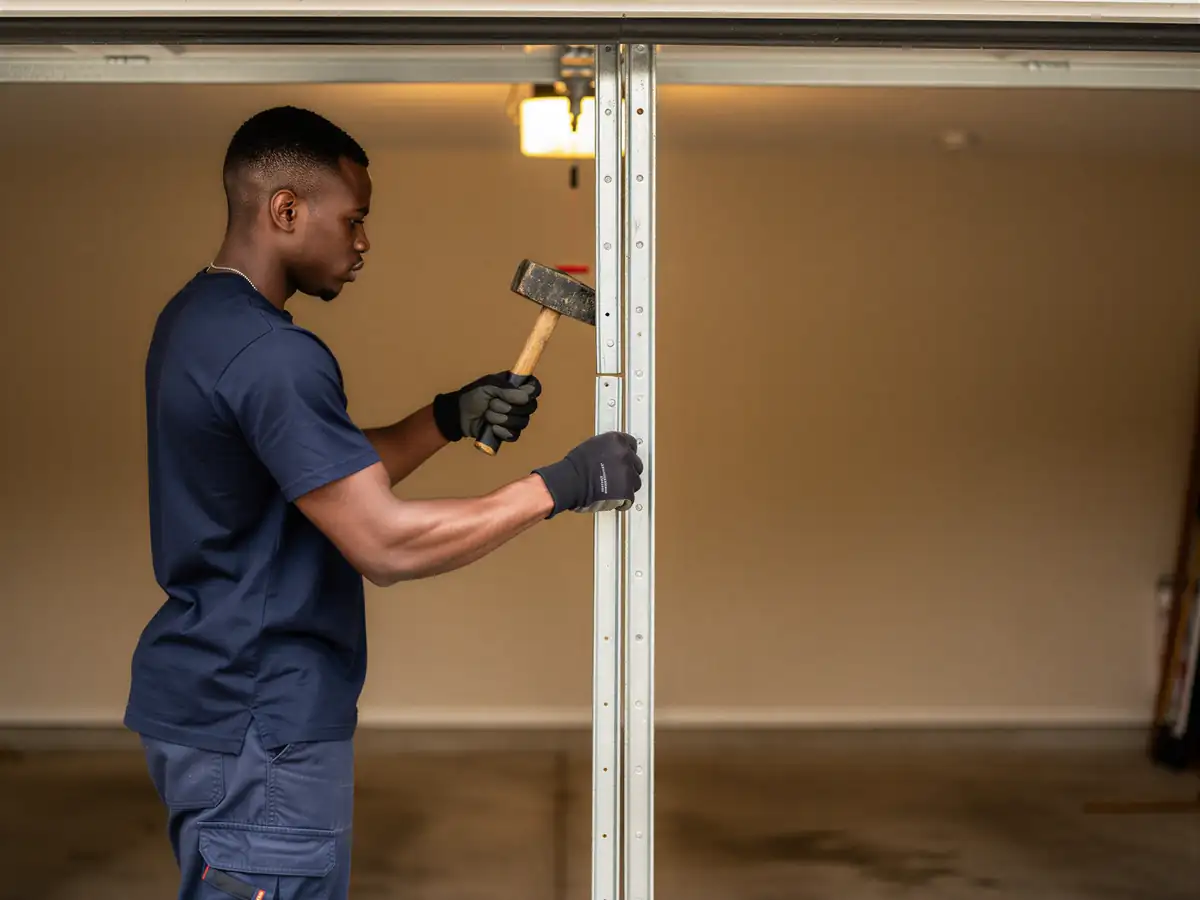
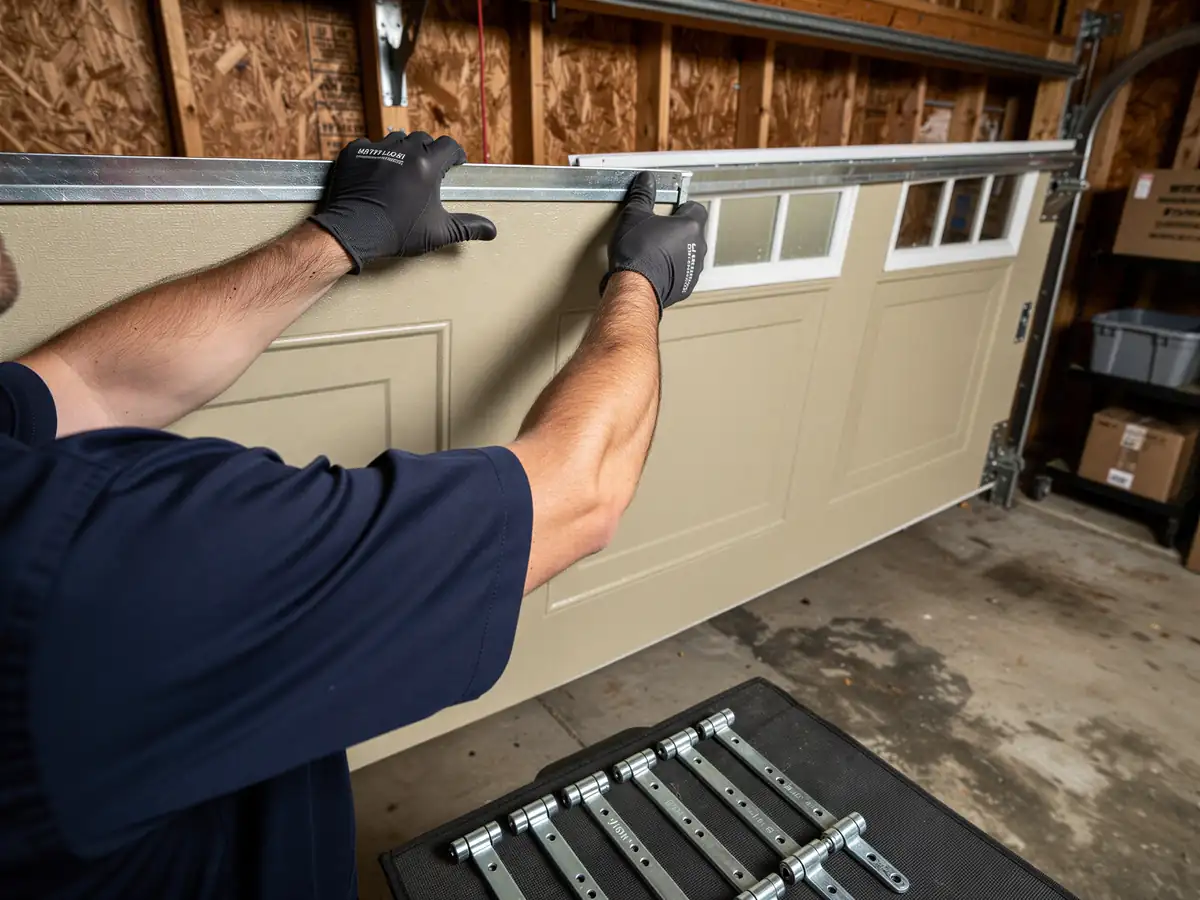
Parts We Carry
Piru's housing stock centers on 1993, a full decade past the service area's overall median of 1983
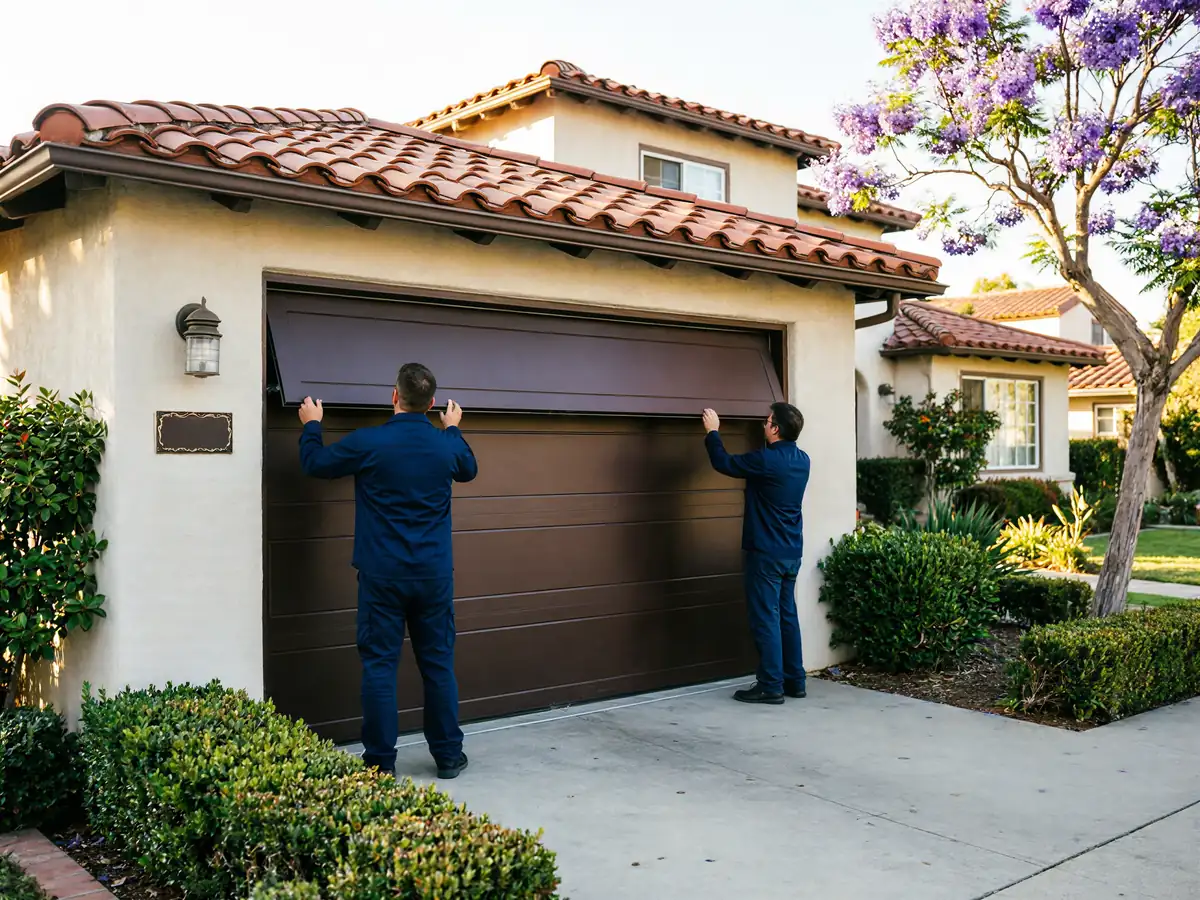
That gap matters for panel work because builders switched panel ribbing and embossing patterns more than once across the 1980s and 90s, and a 1993 door often doesn't share a panel SKU with a 1983 door even if they look alike from the street. We stock sectional steel panels in the common widths and rib patterns that cover most of the 1980s-90s builder runs across this area, plus the hardware that goes with them - hinges, end stiles, and the fasteners those older sections used before manufacturers standardized. What we don't carry on the truck is every embossed wood-grain finish from that era. Some of those were a short production run from a supplier that's since changed its line, and matching the texture exactly can mean a special order instead of a same-trip swap. We tell you that up front rather than force a mismatched panel onto a door that's otherwise sound.
If your door is a flush steel panel with no embossing
The odds of a same-day match go up a lot. If it's got the wood-grain texture common to that period, we check before promising anything.
Why This Fails Locally
A door built around 1993 is young enough that it's not rotting wood or hand-fit like the 1950s-60s stock closer to the middle of the service area, but it's old enough that the specific steel gauge and embossing pattern from that production year have mostly gone out of circulation. The fault we see most in Piru isn't rust or warp - it's a single dented or torn panel on a door that otherwise runs fine, where the owner assumes a quick patch is possible and finds out the exact profile isn't sold anymore. The mild temperate climate across this area keeps panels from the freeze-thaw cracking you'd see in harsher climates, so when a panel fails here it's almost always impact damage - a car bumper, a ladder, a stray baseball - not weather.
With only 578 households in Piru, there isn't enough local volume for any supplier to keep a dedicated stock of that specific 1993-era panel on a shelf nearby. That's a function of the area's size, not of the company.
What the Repair Takes
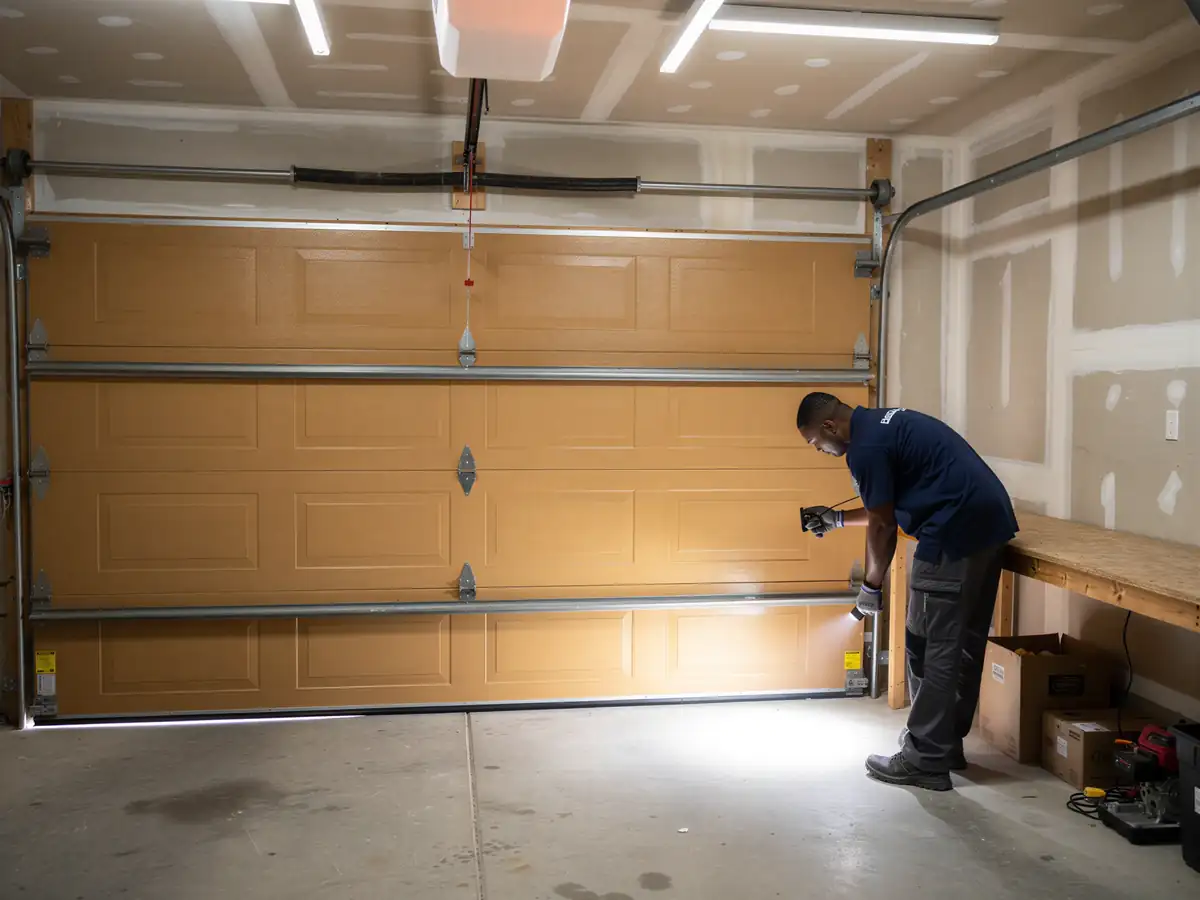
We start by measuring the exact panel height and width and checking the rib count across the section - on 1980s-90s steel doors, a quarter-inch difference in rib spacing means a panel that won't seat in the track end caps correctly. Then we check the hinge pattern, since some builder-grade doors from that window used a non-standard hinge spacing that doesn't match current retail doors. If the color or embossing is a direct stock match, we replace just that section and reuse the existing end stiles and hardware where they're sound. If it's not a match, we talk through whether a close color is acceptable or whether the whole door needs repainting to blend, since a single new panel next to twenty-year-sun-faded steel will look different even if the profile is identical.
We also check the opposite panels for stress cracks from the same impact - a dent on one section sometimes means a hairline crack starting on the panel next to it, which is easy to miss if you only look at the obvious damage.
The Complications
We drive the 10 miles out from Simi Valley with panel stock loaded before we've confirmed the exact match in person
Because there's no supply house in Piru to check against on the way. That means a second trip is sometimes unavoidable if the panel turns out to be a discontinued profile that has to be special-ordered. Piru's median household income of $96,765 runs well under the $146,404 median across the wider service area, and that gap shows up in the decision homeowners make here more than in some other spots - a lot of Piru calls end with a repair instead of a full door replacement, where income allows more room to just replace the whole unit elsewhere.
- 10 miles
The other complication is finish matching on embossed wood-grain panels from that production era
We're honest that an exact texture match isn't always possible, and sometimes the right call is a full door instead of a mismatched patch that'll bother you every time you pull in.
How Long It Takes
For a straight panel swap where we're carrying a matching profile, the job itself runs under two hours once we're on site - most of that is removing the damaged section without disturbing the track alignment on the rest of the door. The variable here is the drive and the match, not the install. Coming from Simi Valley, the 10-mile trip adds real time to the day, and if the panel has to be special-ordered because it's one of the discontinued 1993-era embossed profiles, you're looking at a second visit once the part arrives rather than a one-trip fix.
We'd rather tell you that on the phone before we load the truck than show up twice without warning you first.