This Area's Housing
Castaic sits about 16 miles from our Simi Valley shop
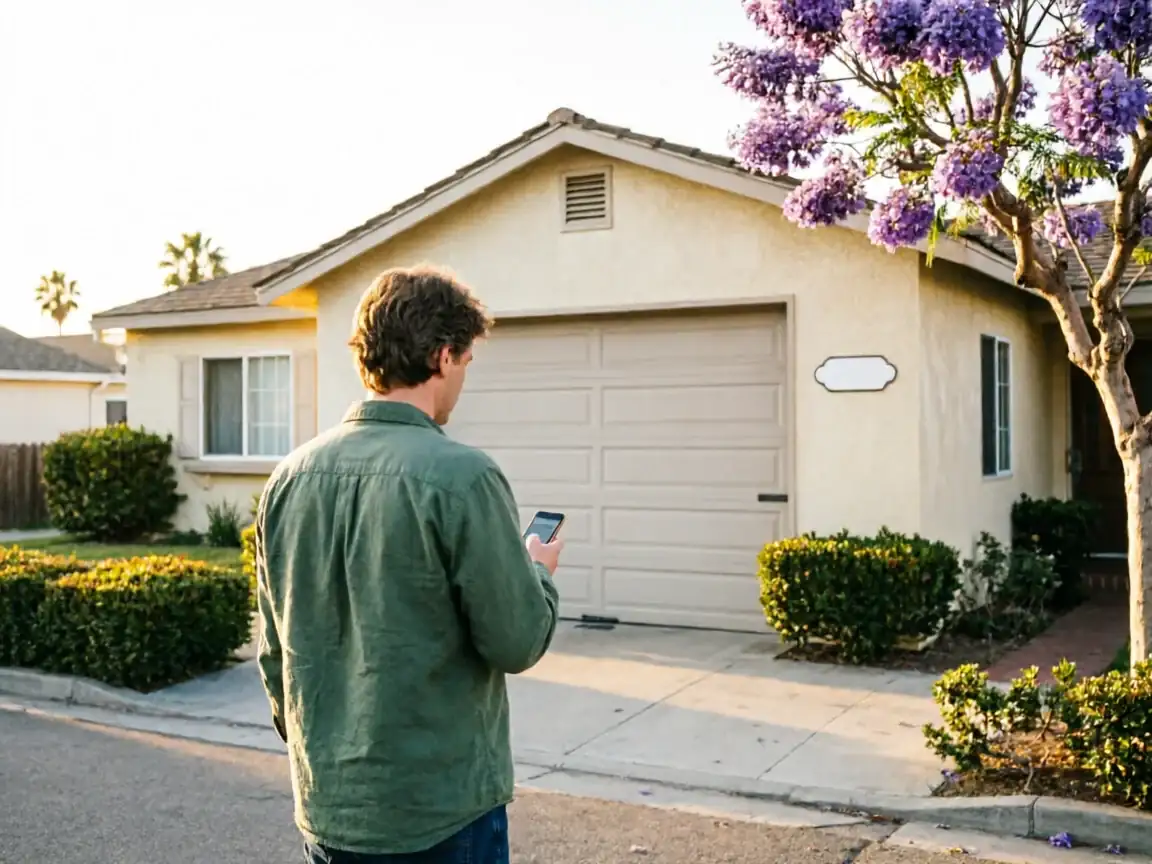
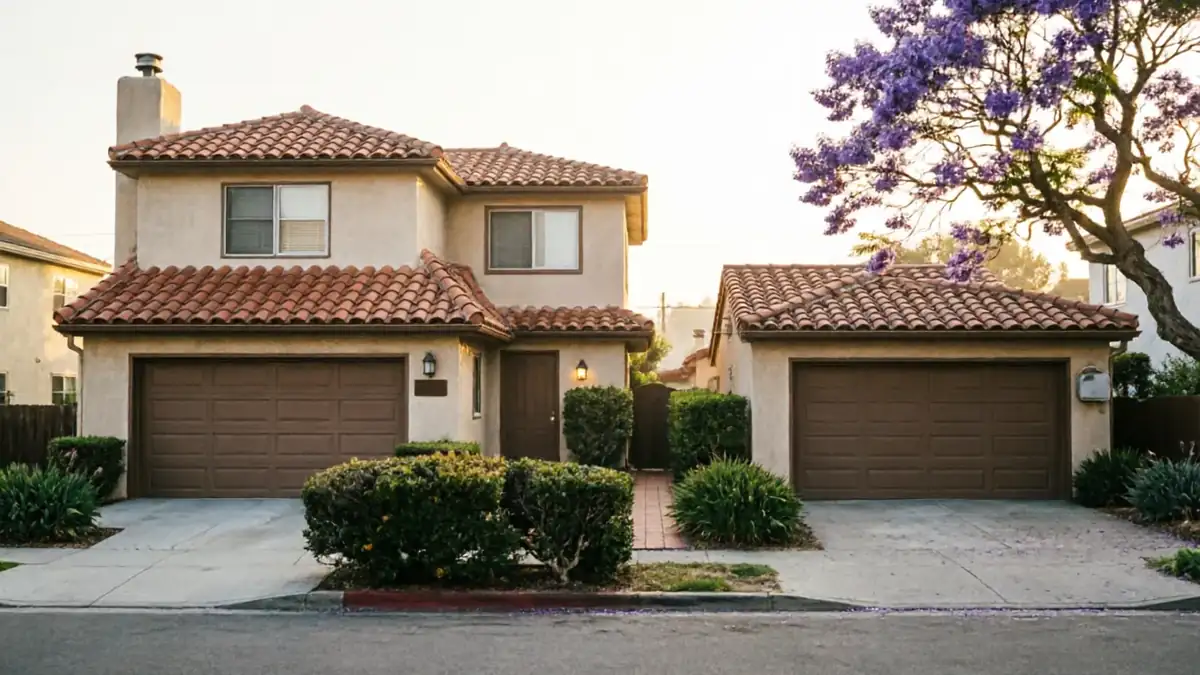
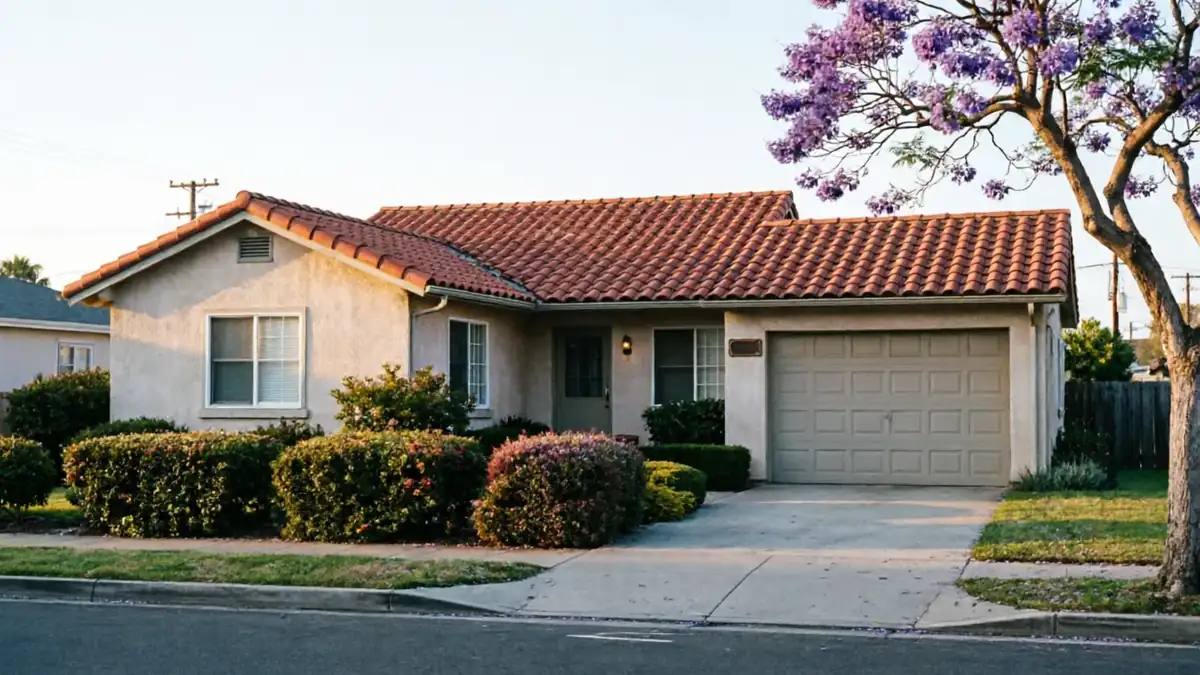
And the housing stock here runs newer than a lot of what we see closer to home. The median home in Castaic was built around 1990, compared with a median of 1983 across the wider service area we cover. That seven-year gap matters more than it sounds like - it's the difference between a door and opener system built to one set of standards and one built to the next generation of hardware.
- 16 miles
With roughly 5,816 households in the area, Castaic is smaller than some of the other communities on our route
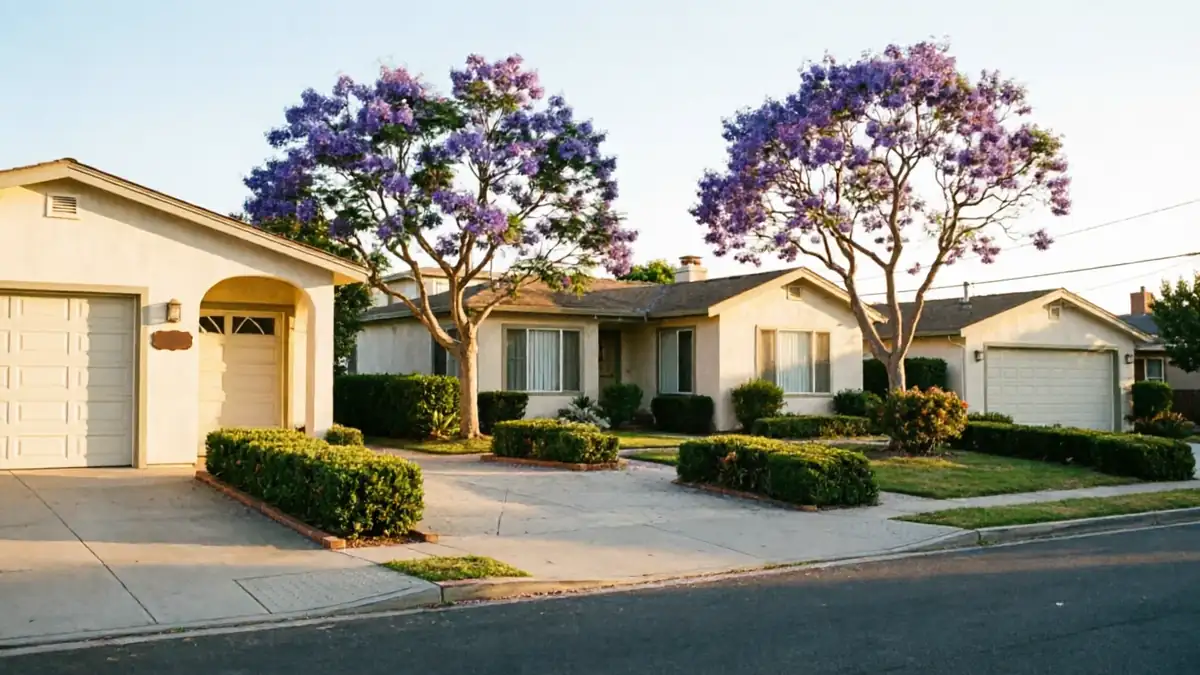
And the housing here tends to cluster in developments built over a fairly tight window rather than spread across six or seven decades like some older towns. That makes for a more uniform mix of door types and opener brands than you'd find somewhere with a patchwork of eras.
- 5,816 households
Median household income here runs around $132,153
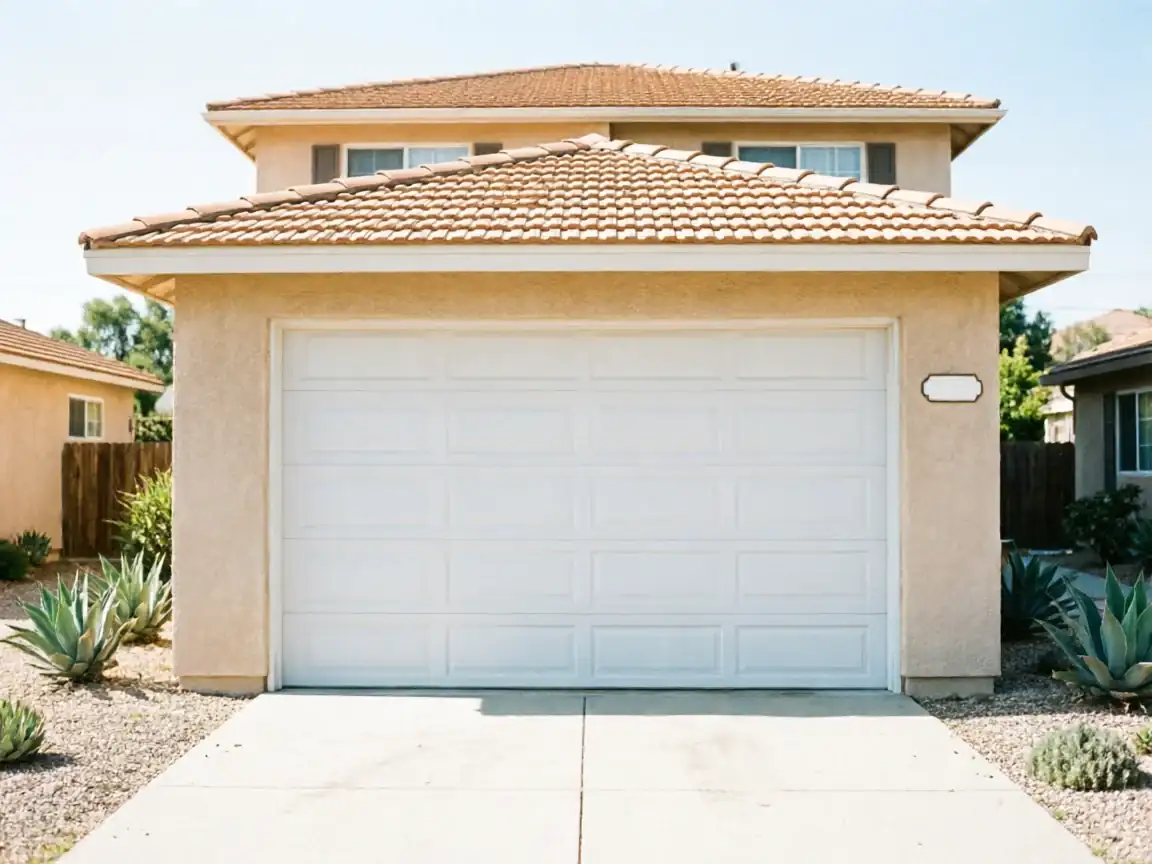
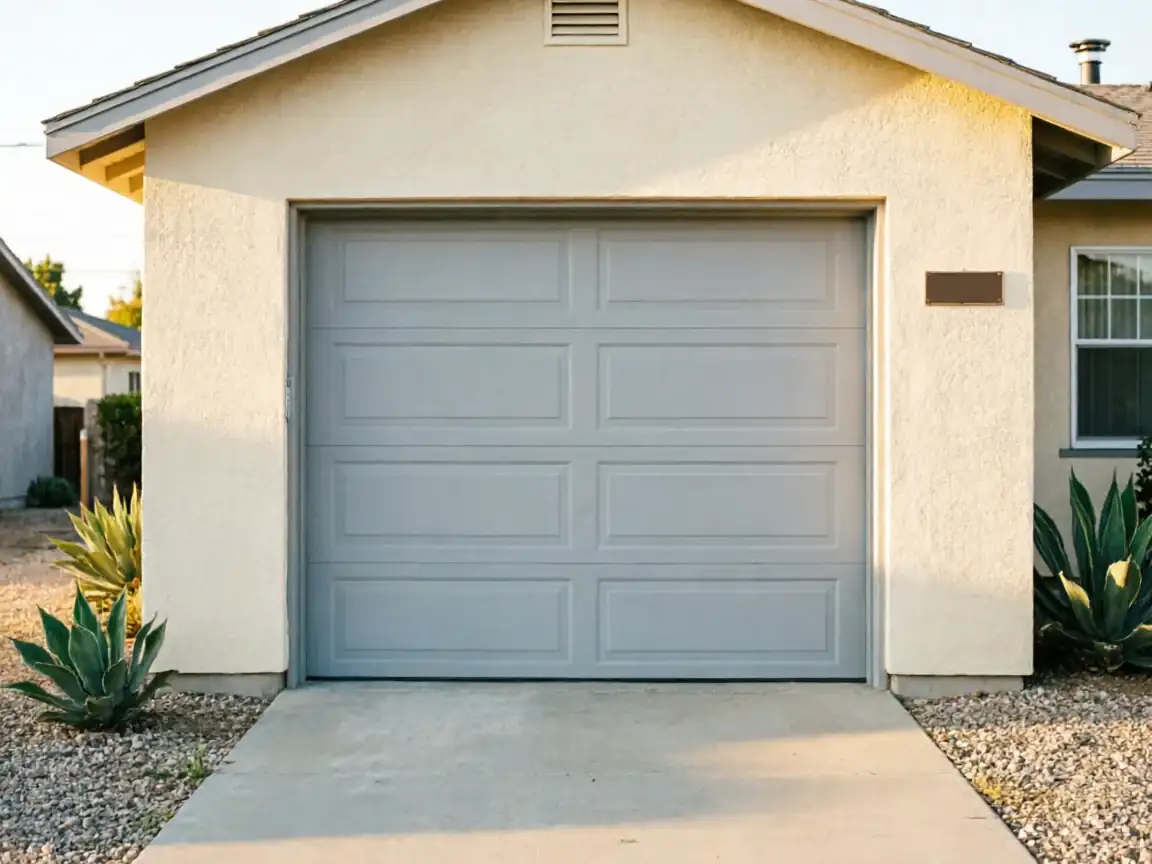
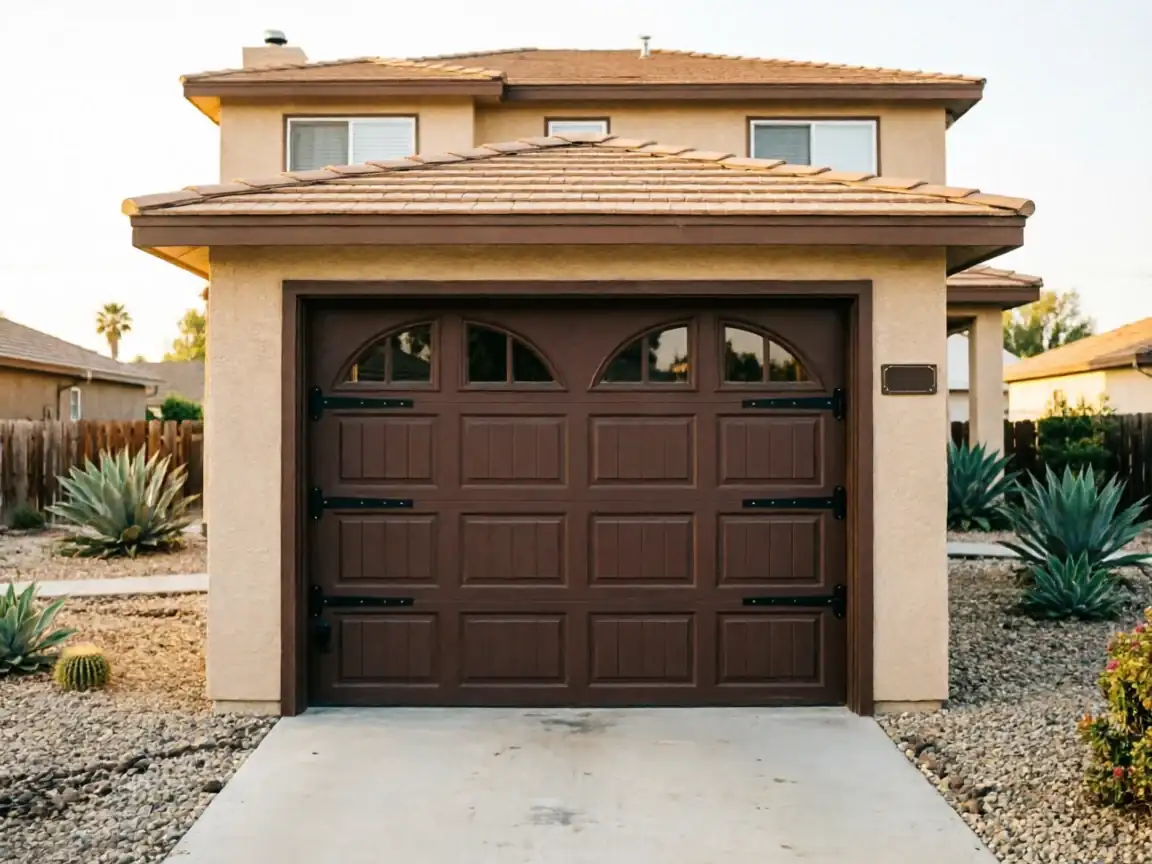
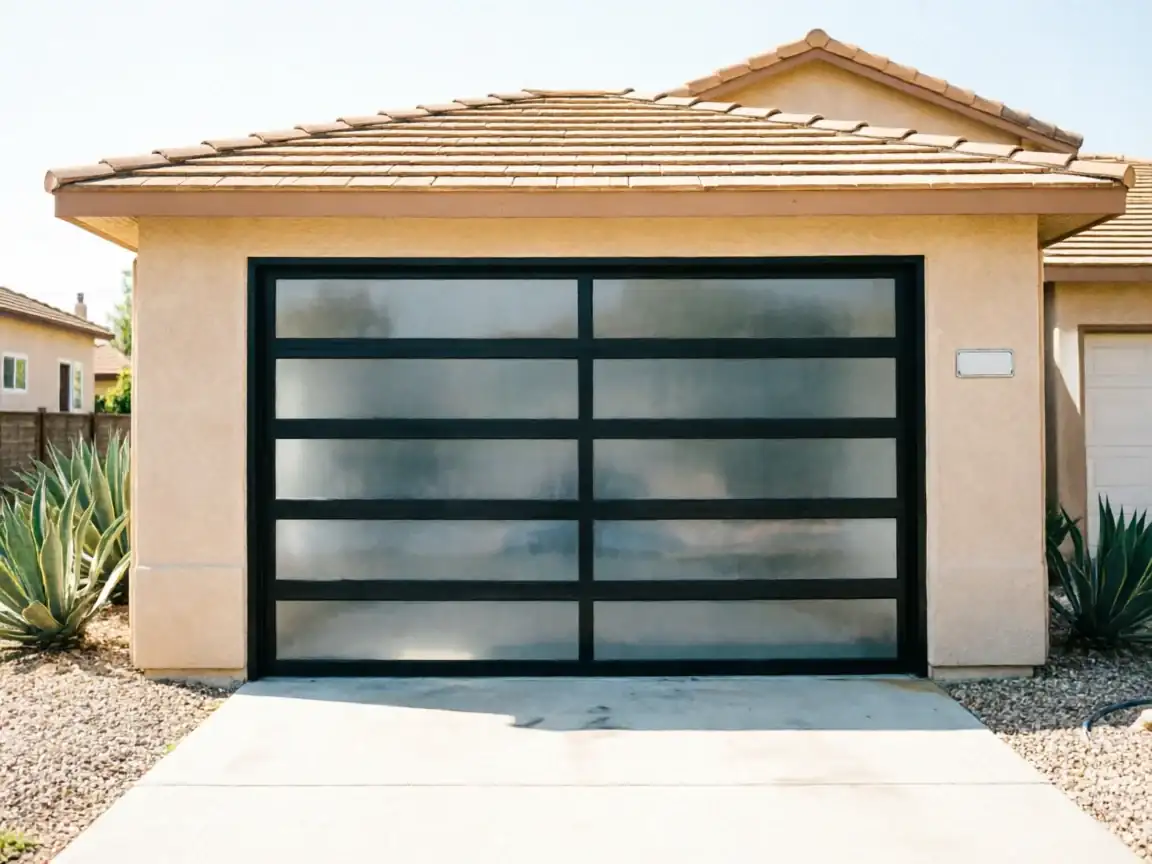
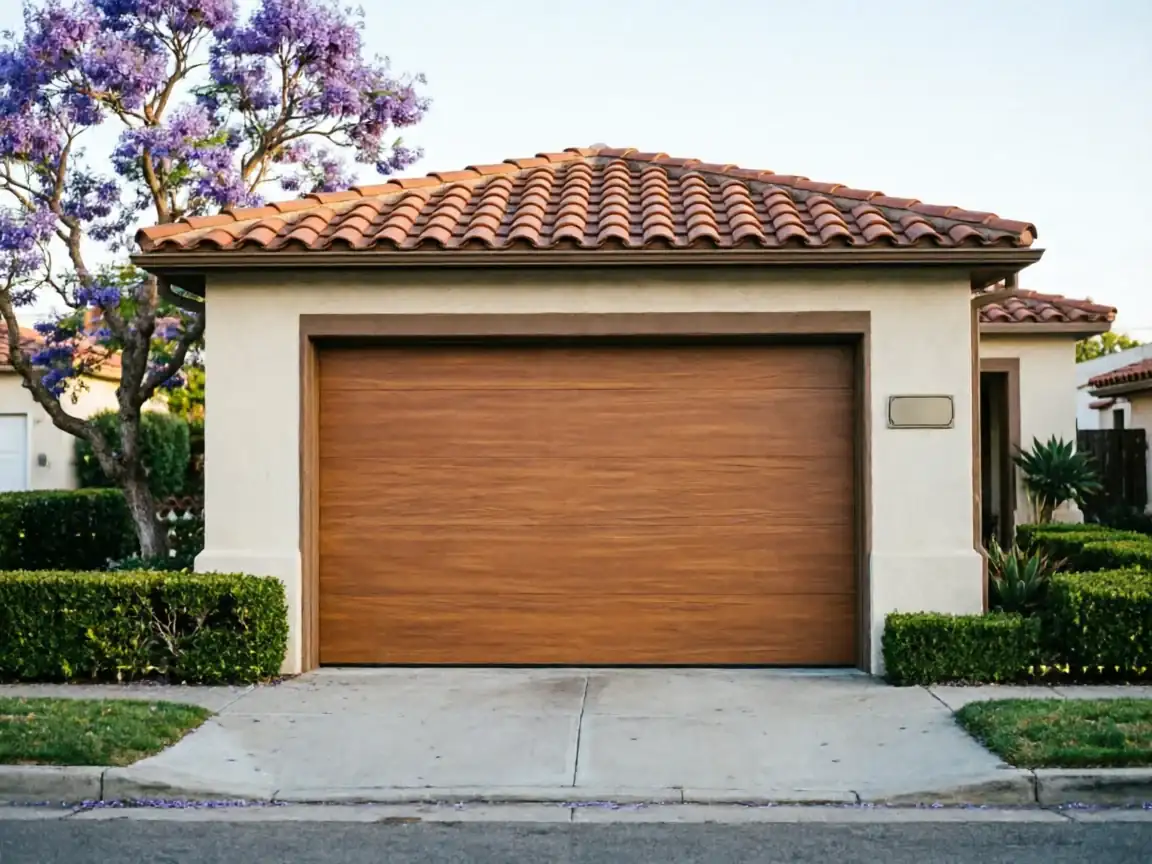
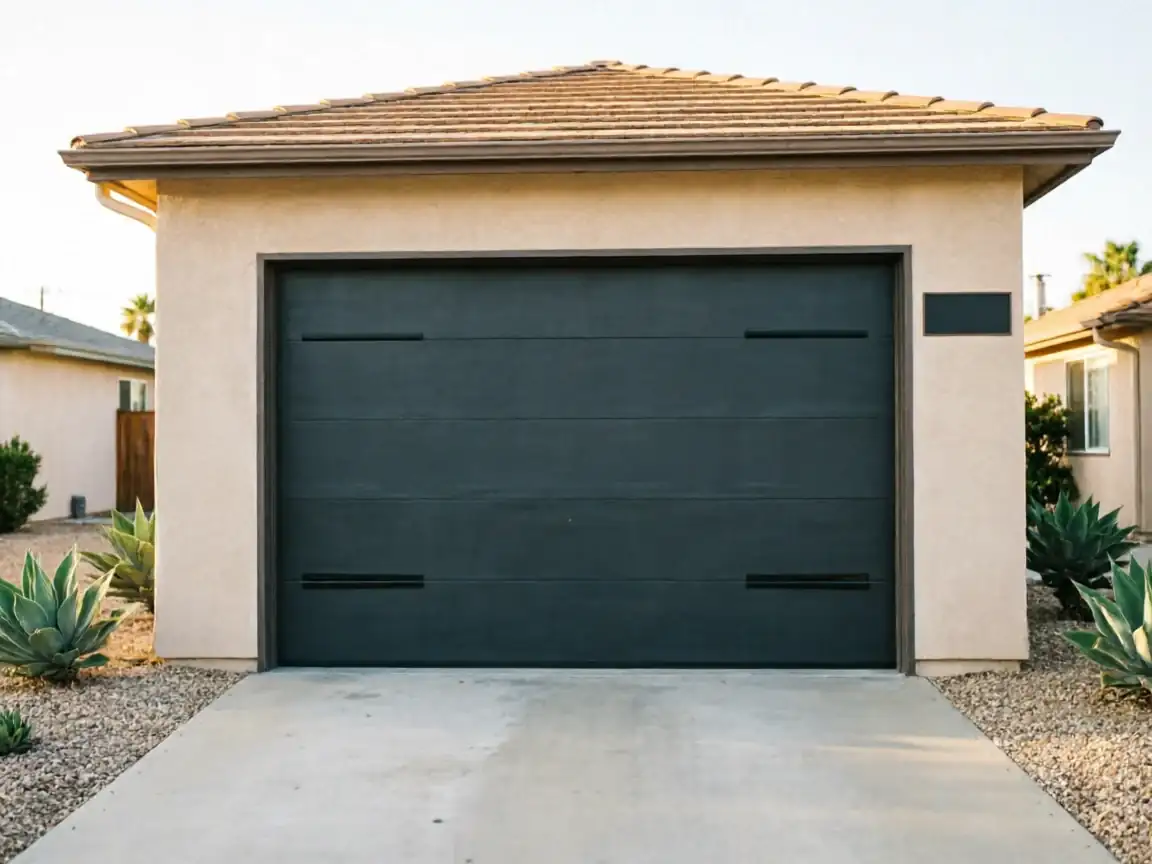
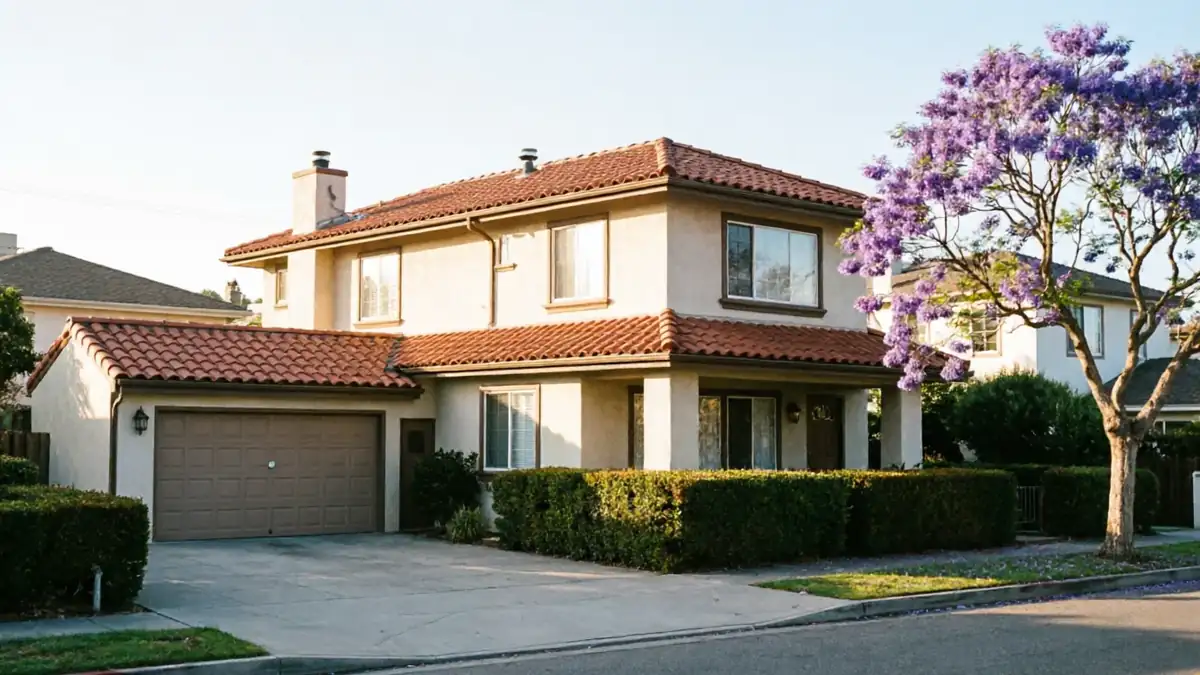
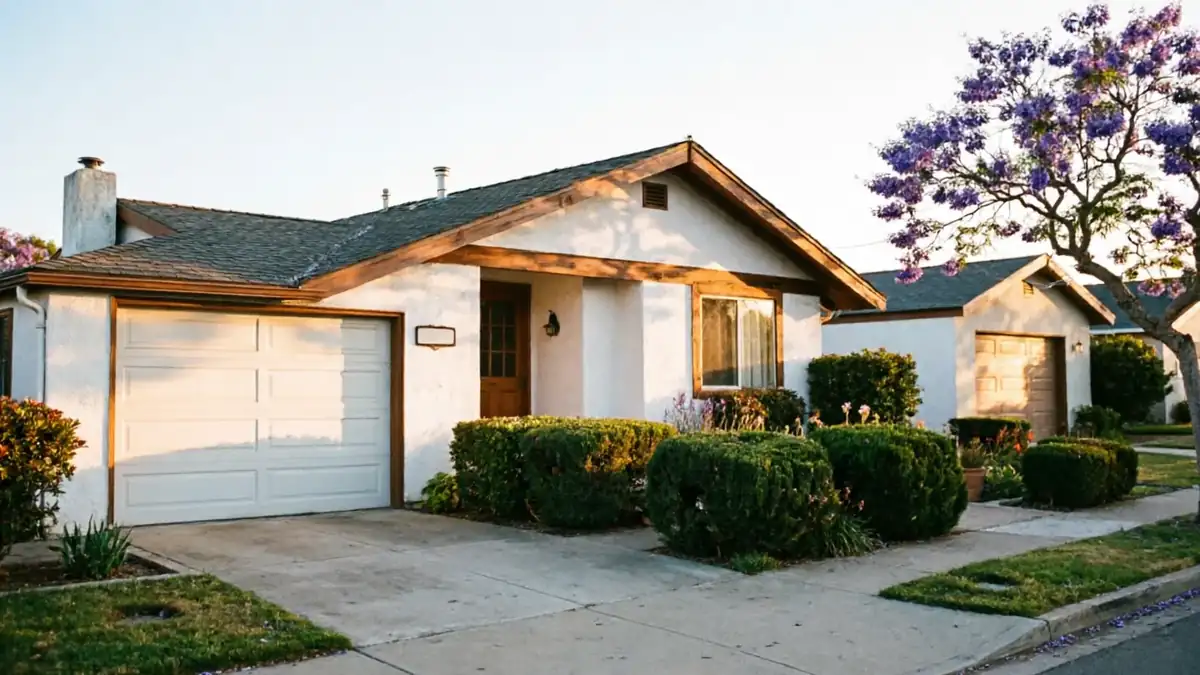
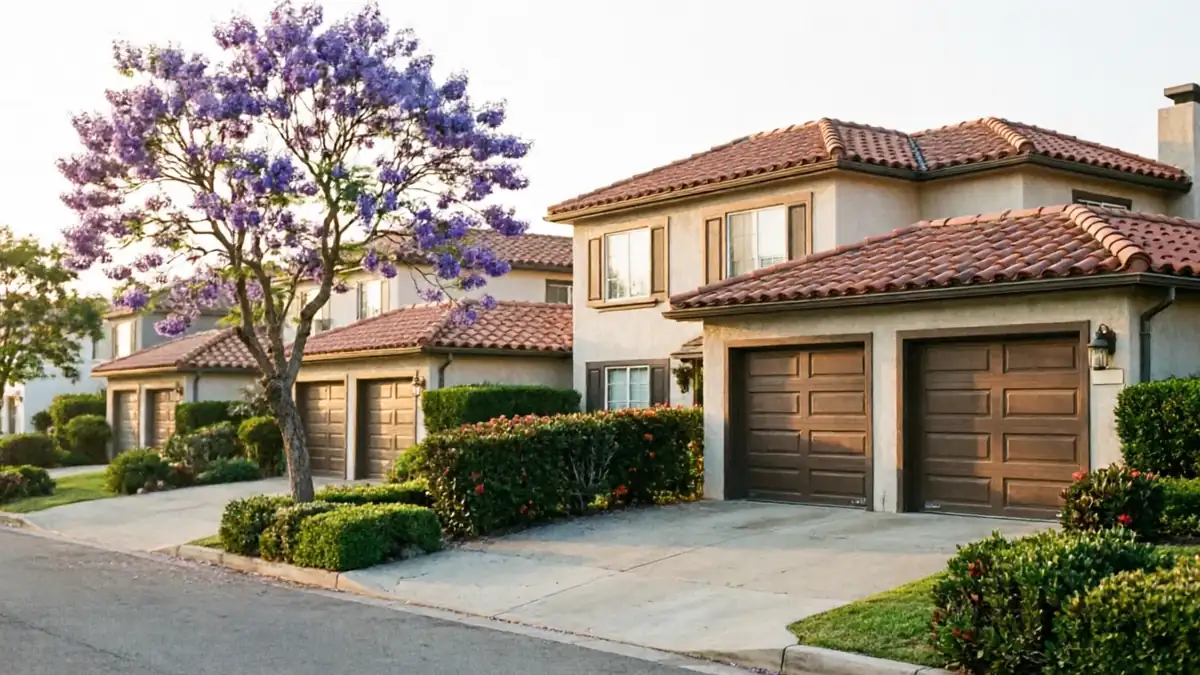
Which tracks with the kind of mid-to-late-1980s and 1990s construction we see - attached two- and three-car garages, sectional steel doors, and openers that were upgraded at least once since the house was built. We don't have anything on file about specific subdivisions or build dates beyond this area-wide median, so we're speaking to the general pattern, not a street-by-street breakdown.
What We Do Most in This Area
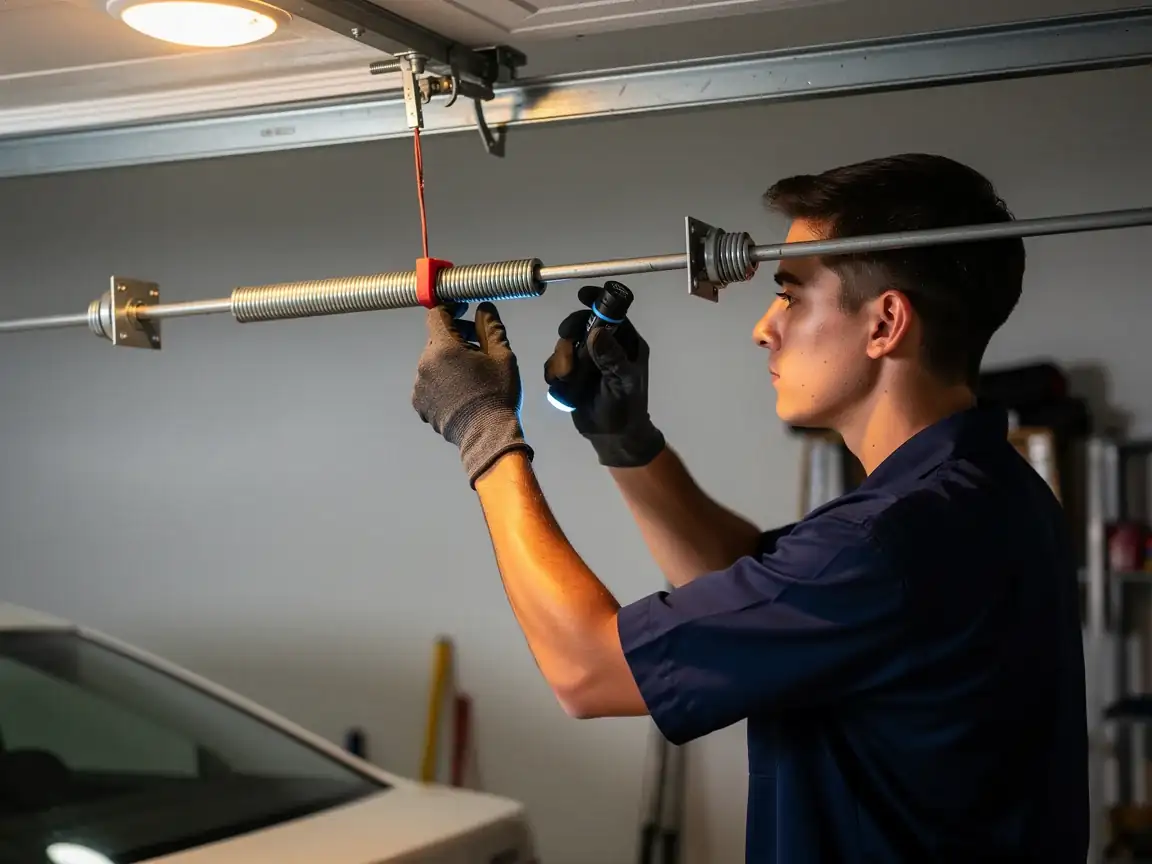
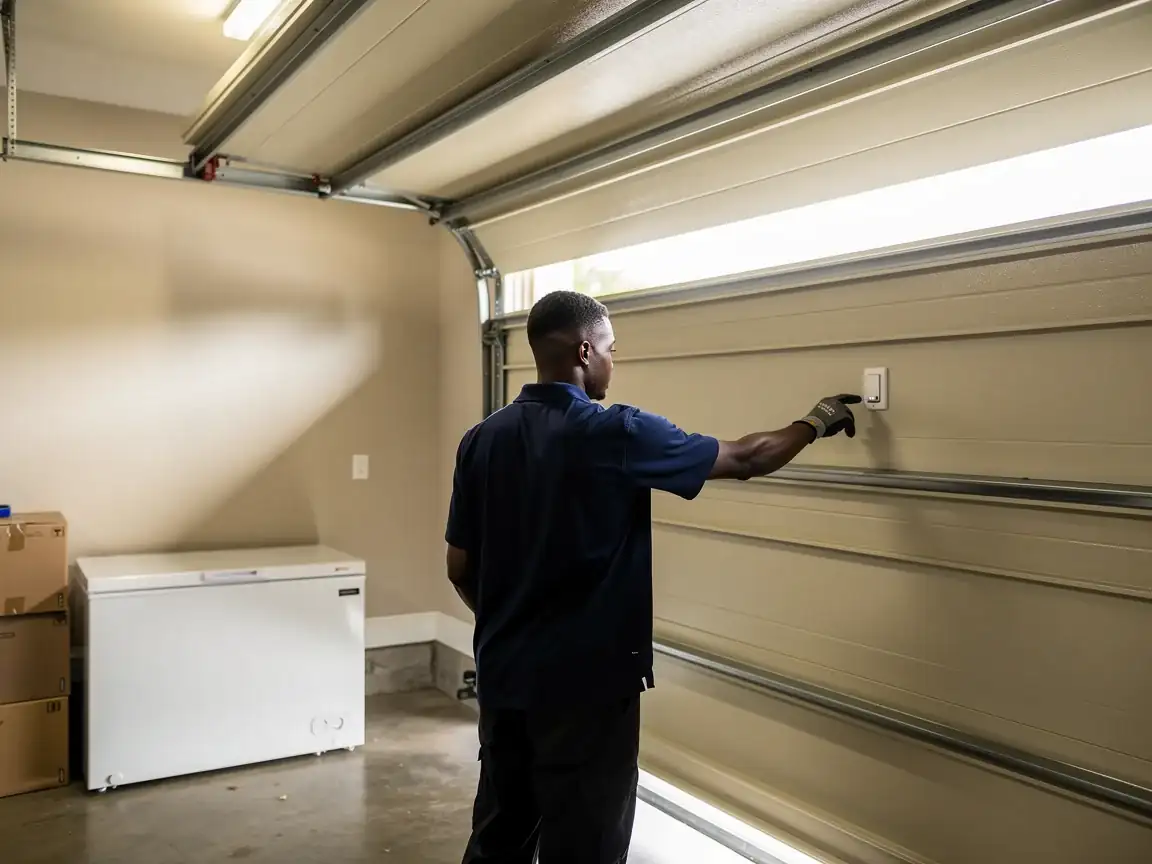
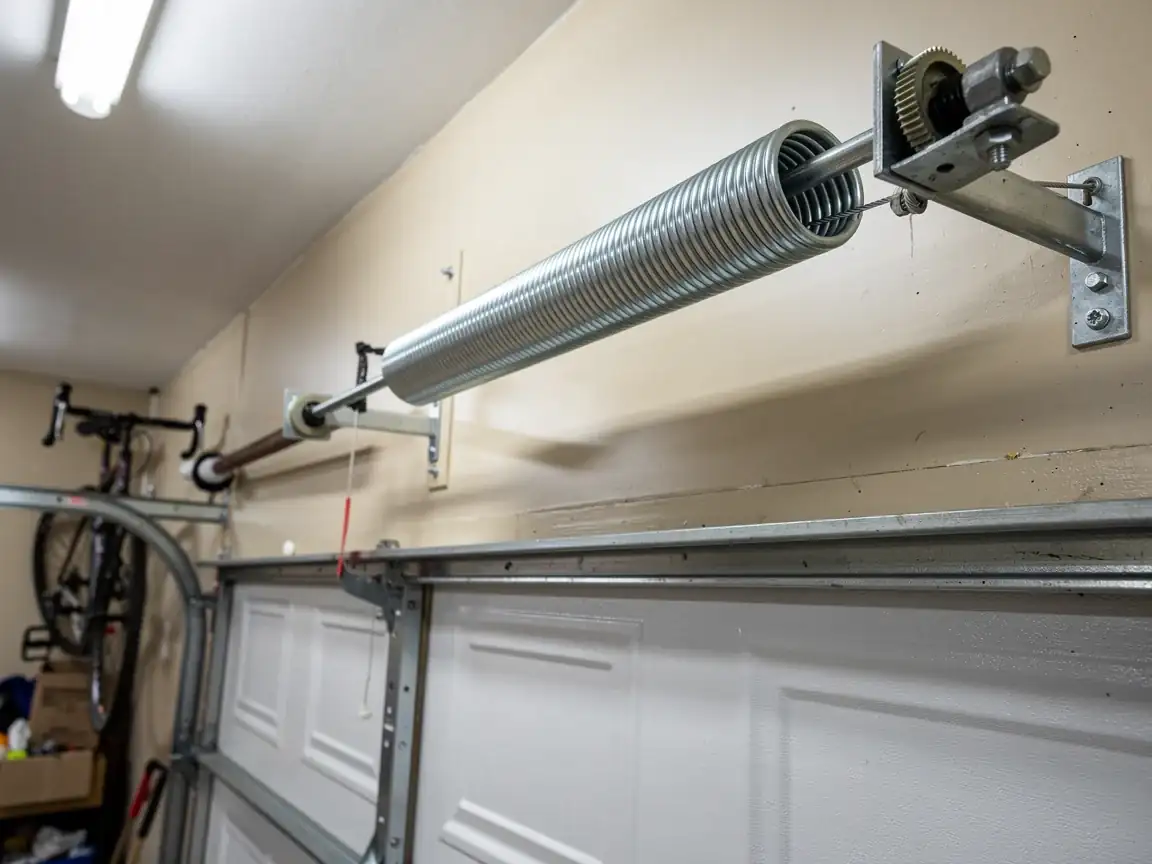
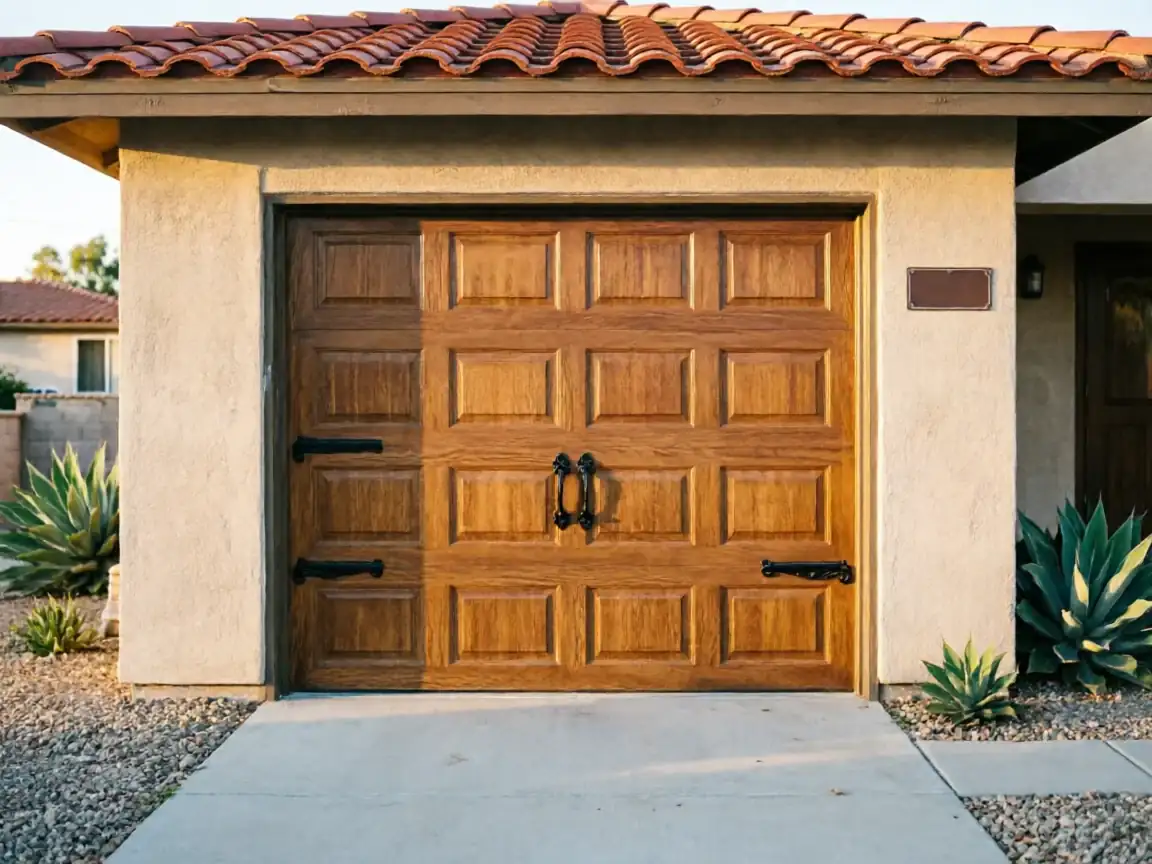
Given a median build year around 1990, most of the calls we'd expect from Castaic involve opener electronics and torsion springs reaching the end of their rated cycle life rather than the kind of structural door replacement you see on much older housing stock. A door installed new in 1990 has had three decades to wear through a few openers and at least one spring set, even with no major damage.
The mild temperate climate across this service area (per regional climate data) means we're not dealing with the freeze-thaw cycles that crack panels or seize tracks in colder regions. That's a point in favor of these doors lasting - wear here tends to be mechanical fatigue and sun exposure on seals and finishes, not weather damage to the structure itself.
We don't keep a truck stationed in Castaic - every job here is a drive from Simi Valley, so we can't promise same-day turnaround the way we might closer to the shop. If a part needs to be special-ordered for an older opener model, that adds time too. Worth knowing before you call.
The Split Between Old and New
Across the broader service area, home construction spans 1956 to 1999, with a median around 1983. Castaic's median of 1990 puts it on the newer side of that range - meaning fewer of the original one-piece or early sectional doors that show up in the oldest pockets of the territory, and more doors and openers from the later wave of 1980s-90s tract construction that F2 describes across the 17 named areas we track.
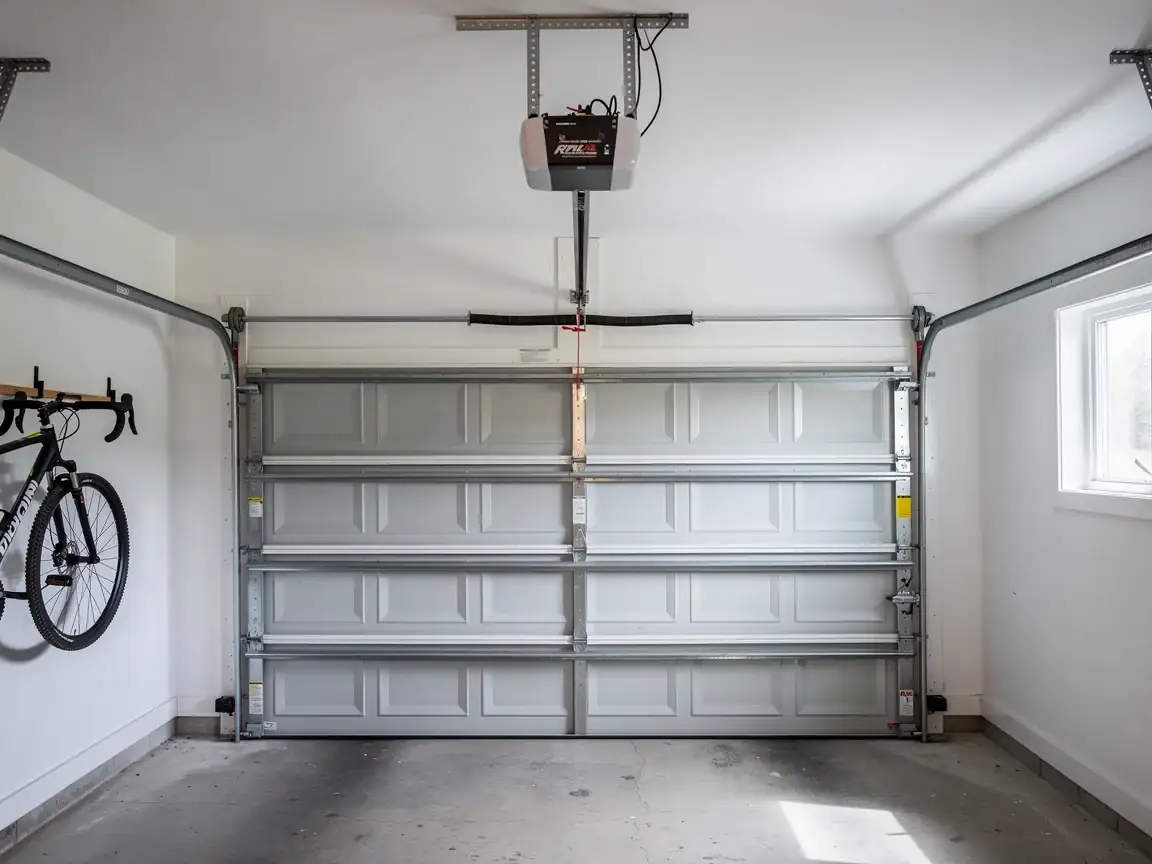
That later build date usually lines up with heavier-gauge steel doors, factory-installed torsion systems rather than extension springs bolted on after the fact, and chain or belt-drive openers instead of the screw-drive units common in earlier decades. It's not a guarantee - retrofits and prior repairs change the picture house by house - but it's the pattern the numbers point to.
We can't tell you which specific tract or builder put up a given Castaic street, since that detail isn't something we track. What we can say is that a home built closer to 1990 is less likely to still have its original spring set than a home built in the 1960s, simply because of cycle count and age.
What That Means for Doors
If your Castaic home dates to somewhere around 1990, the door hardware is probably mid-generation
Not the hard-to-source parts from the 1960s, but not current production either. Torsion springs from that era are still a common size, so replacement parts aren't usually a problem. Openers from the early '90s, on the other hand, sometimes use drive systems or circuit boards that have since been discontinued, which can mean a full opener swap instead of a simple part repair.
We travel out from Simi Valley for every Castaic call
So we size up the job first - what the door is, what the opener is, roughly how old the system looks - before committing to a repair-versus-replace recommendation. For a 30-plus-year-old opener, replacement is often the more honest answer even when a repair is technically possible, because sourcing an exact-match part can take longer than the job is worth.
We don't have pricing specifics for this area to quote here, and we won't guess at a number
What we can tell you is that the hardware era lines up closely with the area's 1990 median build year, and that's the starting point for diagnosing most calls we get from this part of the territory.