Parts We Carry
We carry the parts that actually fail when a door jumps its track
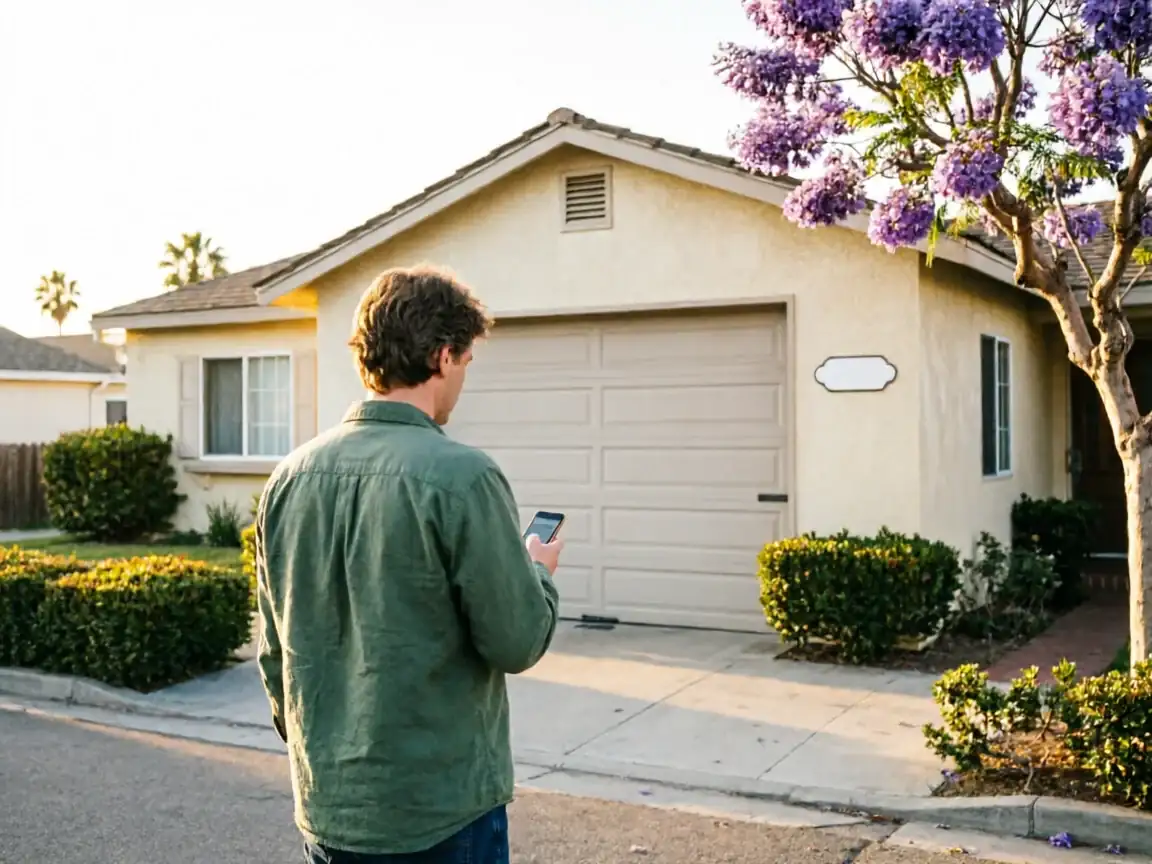
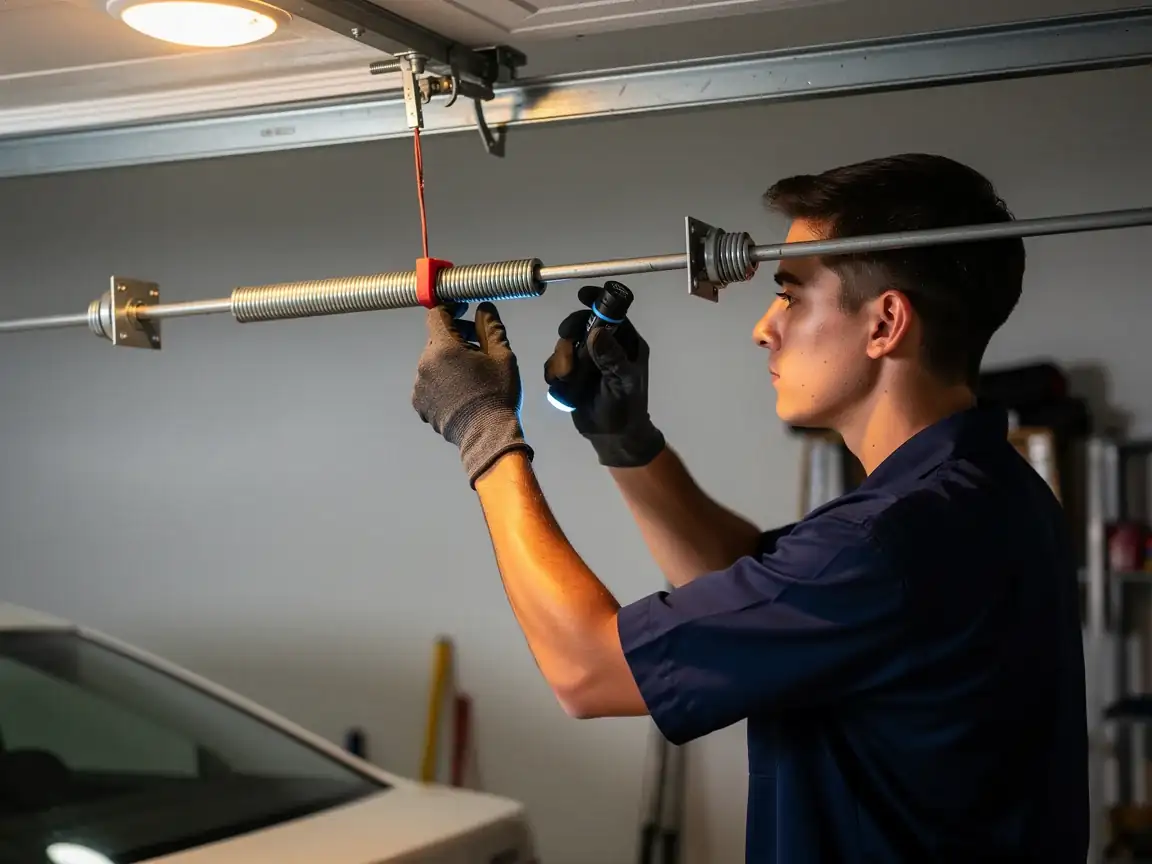
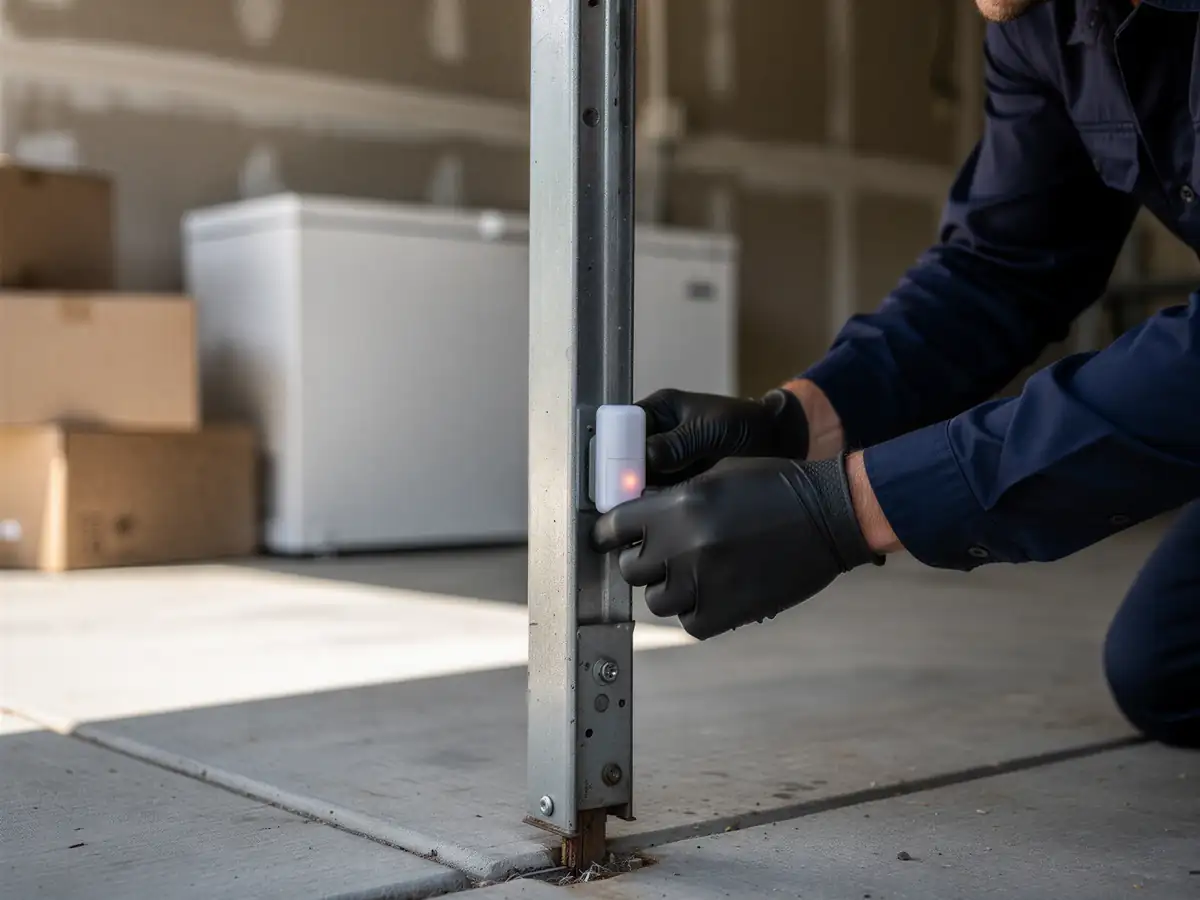
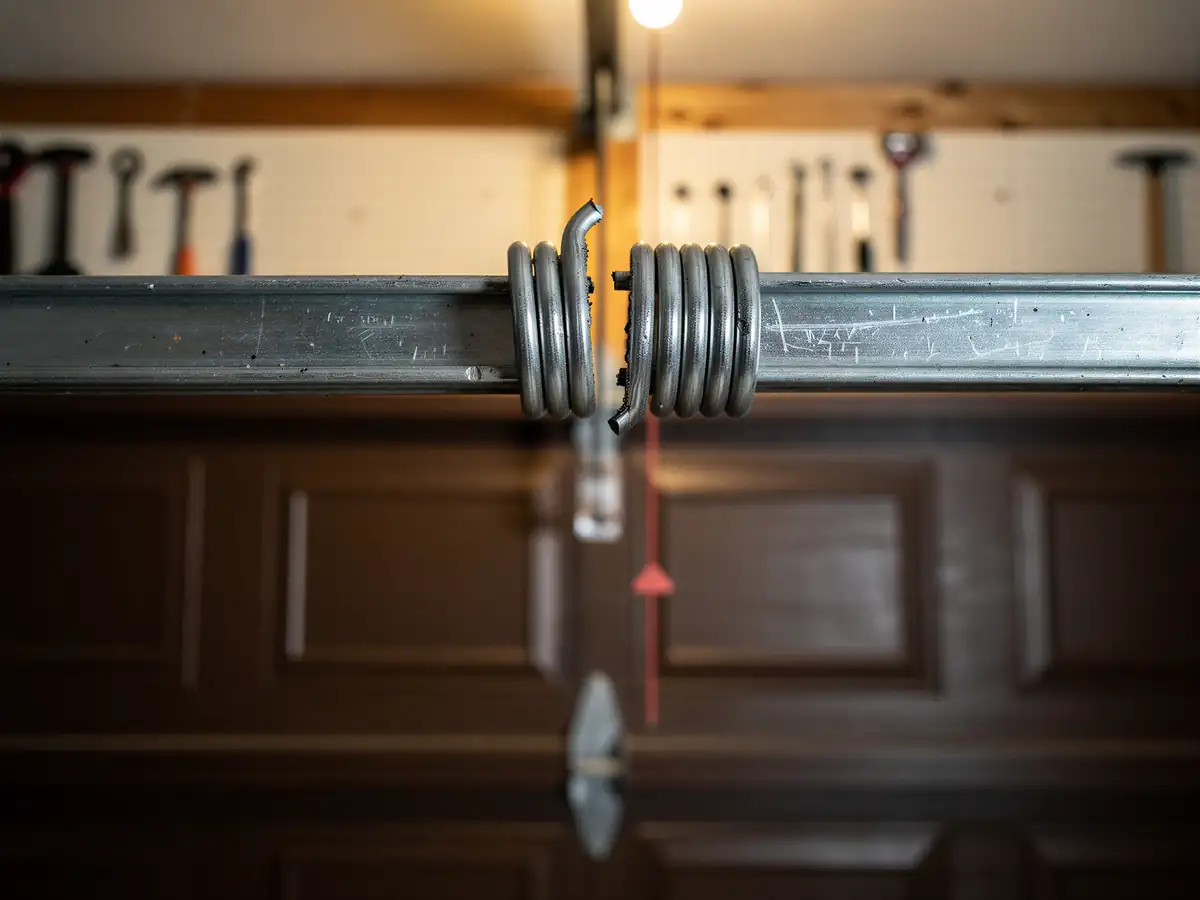
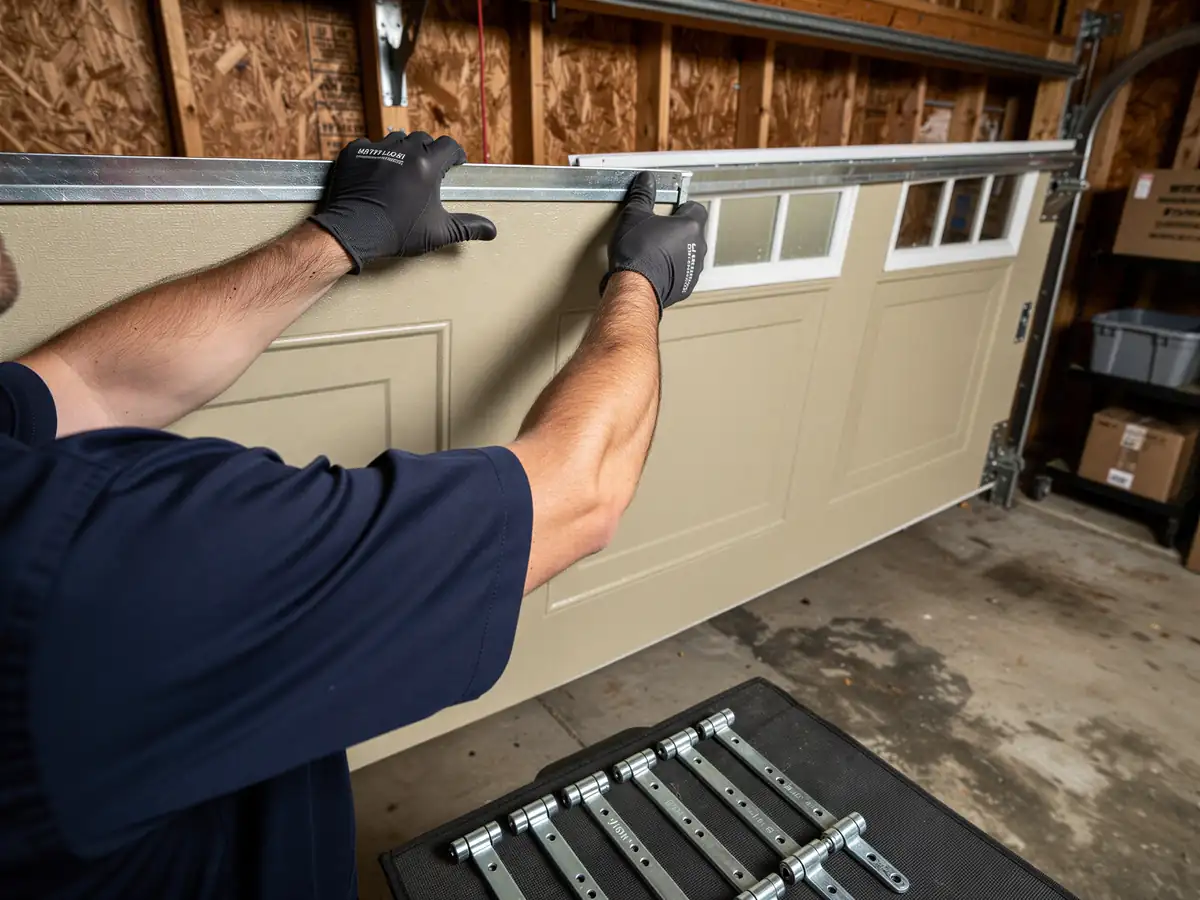
Rollers (nylon and steel), track brackets, hinges, flat and loop cables, and sections of replacement track itself if a panel has bent the rail on its way out. Piru's housing stock runs newer than much of the rest of the area we cover - median year built here is around 1993, a decade past the service area's overall median of 1983 - which usually means horizontal track and roller hardware built to the newer steel-rail style rather than the older rolled-steel track you still find on homes from the 1950s and 60s elsewhere in the territory. That matters because track gauge and bracket spacing aren't universal; carrying the wrong era of bracket means a second trip. We stock both, but we confirm the door's age before we drive out so the truck isn't guessing.
What we don't stock on the truck
Full replacement sections for oversized or custom doors, which have to be special-ordered and quoted separately. If your door falls into that category we'll tell you on the first visit, not after we've already pulled the old track.
Why This Fails Locally
Piru's median household income is $96,765, well under the $146,404 median across the rest of the service area we cover. That gap matters more than it sounds like it should, because off-track failures sit right at the line between a $150-200 repair and a job where replacement starts making more financial sense. At the area-wide median income, homeowners can absorb a full door swap without much thought. At Piru's median, the math usually favors fixing the track, rollers, and cable rather than replacing the door - unless the panel itself is bent, in which case no amount of track work fixes it.
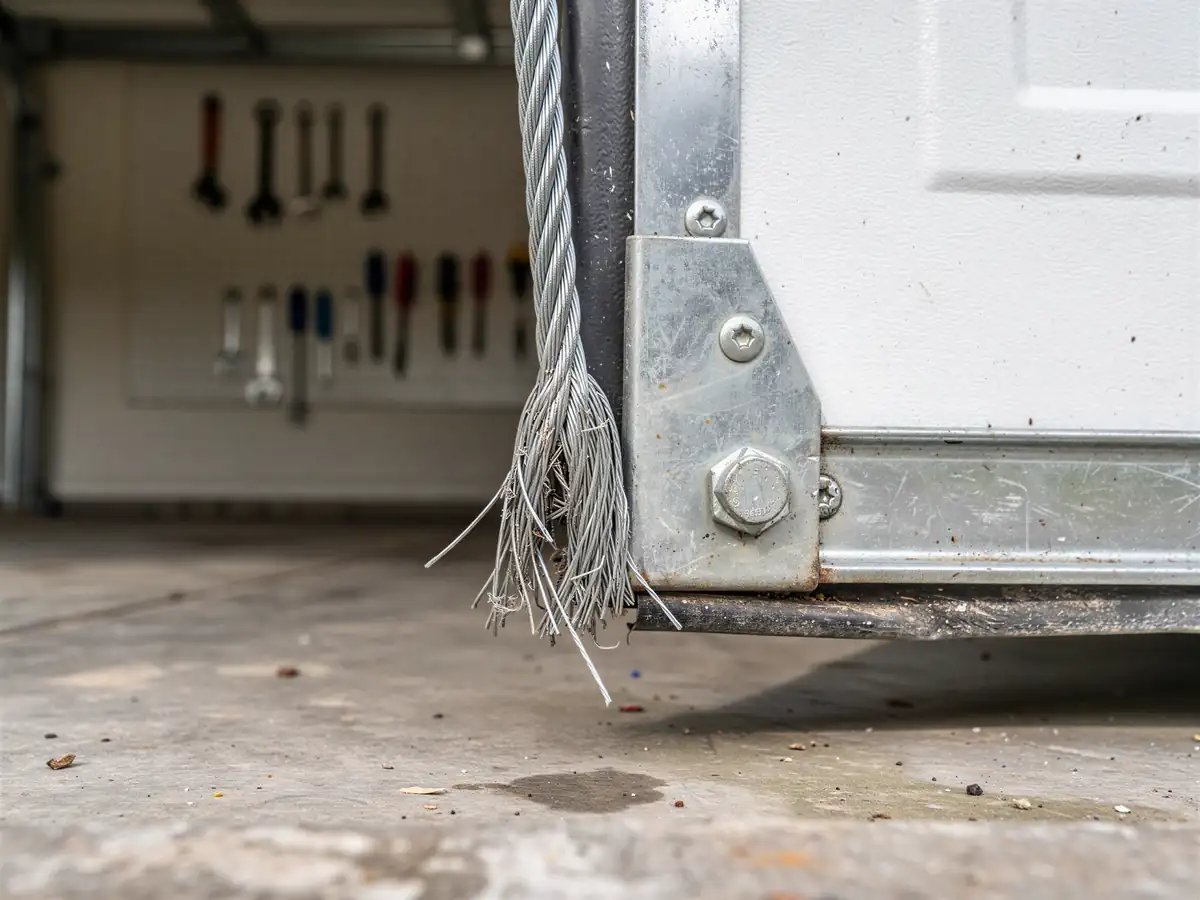
Mechanically, off-track in Piru tends to come from one of three things: a snapped cable that lets one side of the door drop and twist off the rail, a roller that's worn through its stem and popped out of the channel, or a track bracket that's worked loose from the jamb over years of normal opening and closing. Because the area sits in a mild temperate climate band, rust-driven track failure is uncommon here - this isn't a coastal-corrosion problem. It's mechanical wear, plain and simple.
What the Repair Takes
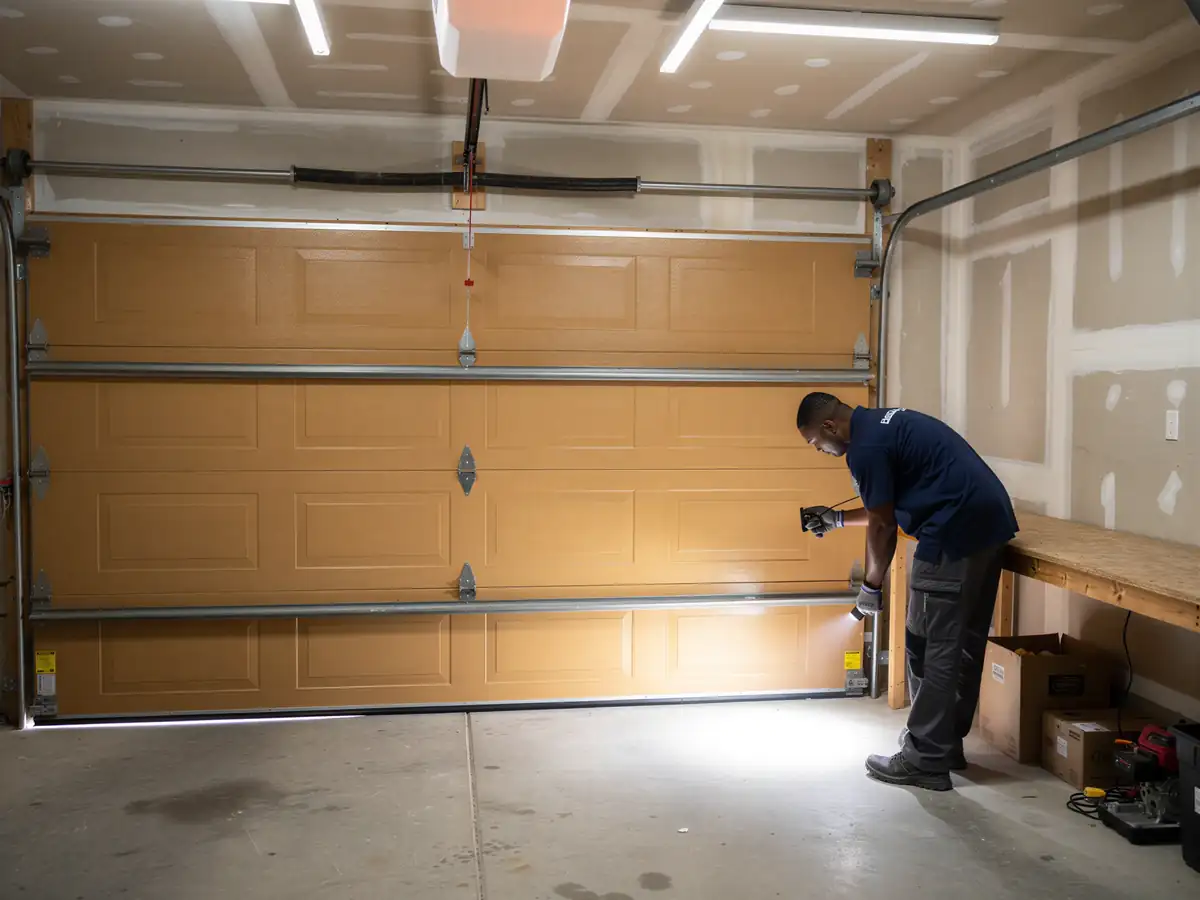
Getting a door back on track starts with figuring out why it left in the first place, because re-seating rollers into a track that's bent, or onto brackets that are loose, just sets up the same failure again inside a few months. We check the track alignment with a level, check every bracket for play against the jamb, and inspect the cables and drums before we touch the rollers.
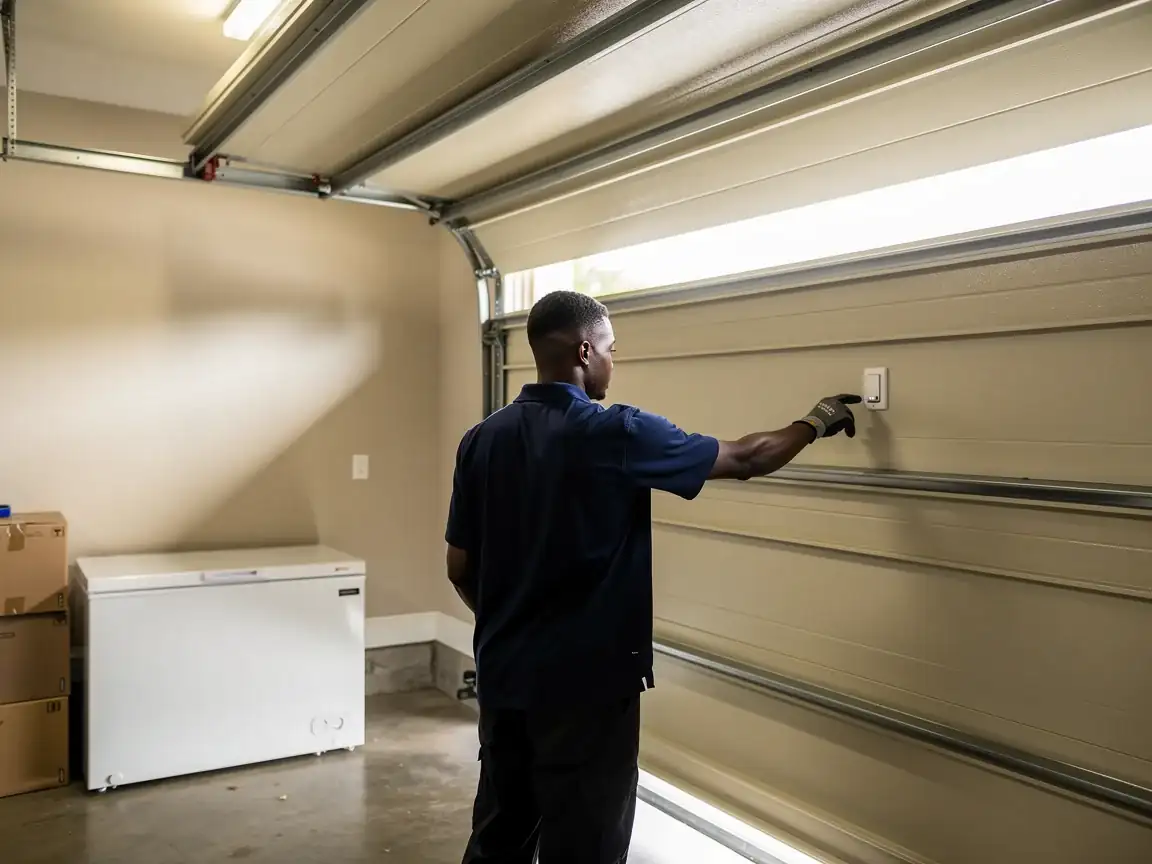
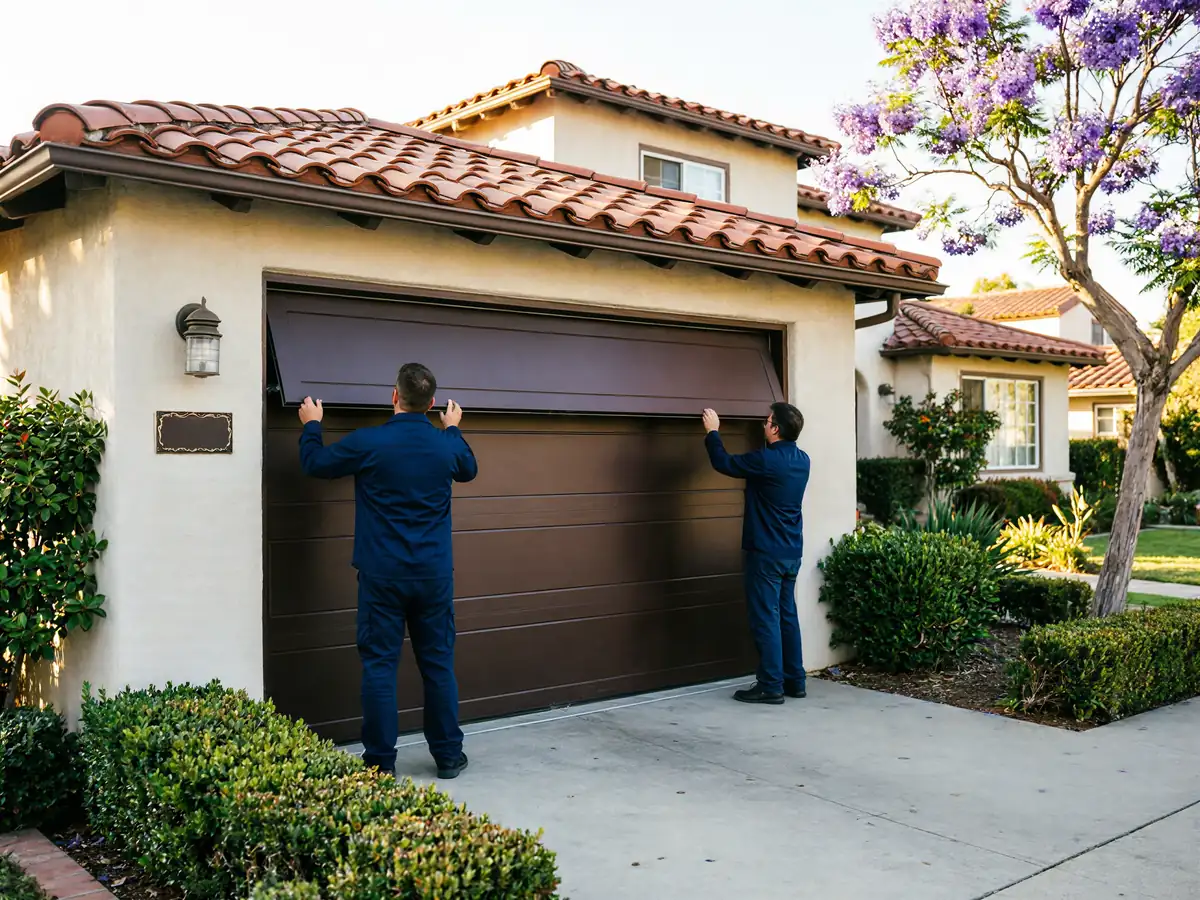
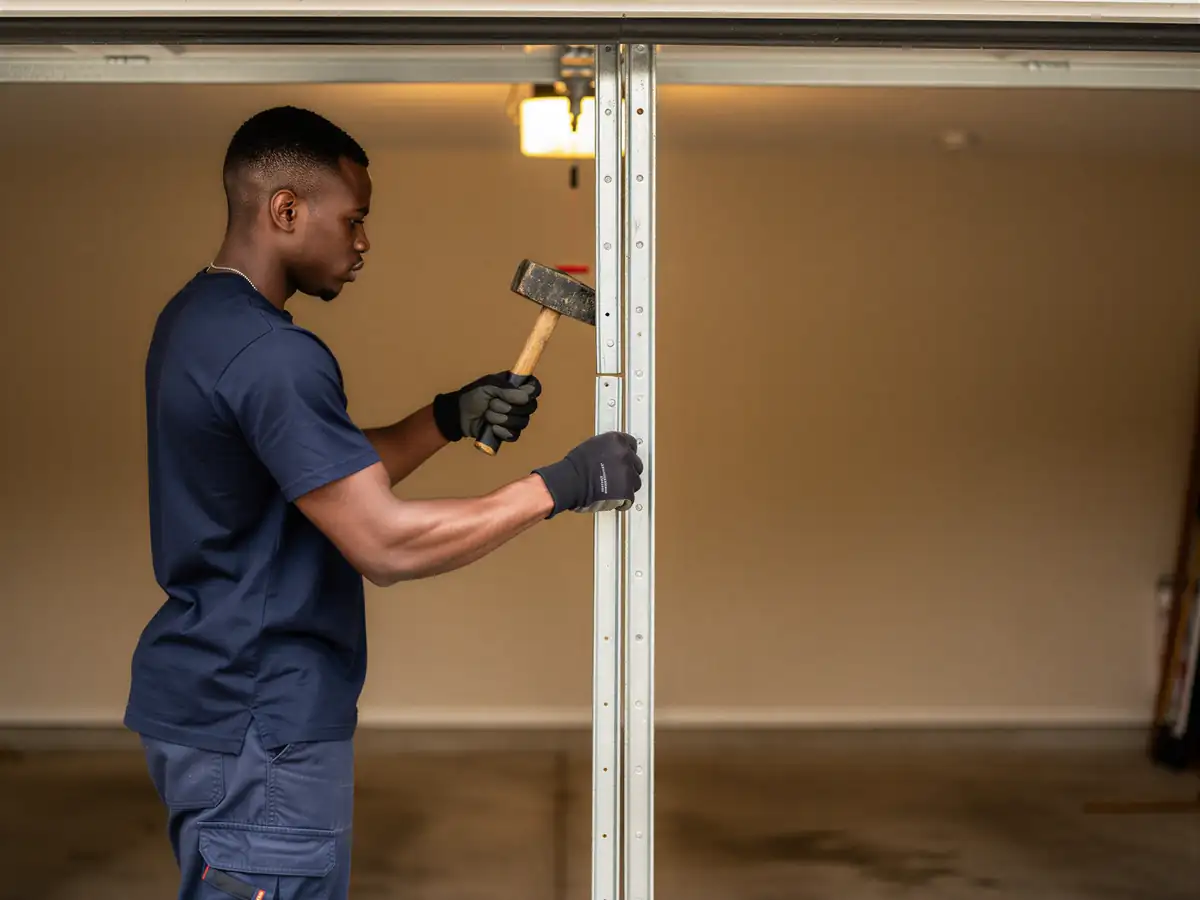
If the track is straight and the brackets are sound, re-seating the door is usually quick: the rollers go back into the channel, the door gets run through a full cycle test, and we check that both sides move evenly. If a cable has frayed or snapped, that gets replaced before the door goes back up, since a door that's off-track because of one bad cable will just repeat the failure on the other side once that cable gives out too. If the track itself is bent - common when a vehicle or a stored item has clipped it - that section gets swapped rather than bent back, since a reshaped track rarely holds alignment for long.
The Complications
The complication in Piru isn't the hardware, it's the trip
We don't keep a truck or a depot anywhere near here - every call routes out of Simi Valley, about 10 miles away, and with only 578 households in Piru itself, call volume here doesn't support stationing anything closer. That doesn't change what we charge or how we work the job, but it does mean we're not able to promise the kind of same-day turnaround that's realistic for addresses right around the shop.
- 10 miles
- 578 households
The other complication shows up on double doors
If one side has jumped the track and the opener kept pulling against it, the twisting can stress the opposite-side cable and rollers even though they never visibly failed. We check both sides on every off-track call for that reason, not just the side that's obviously wrong. Skipping that check is how a single-side repair turns into a second call two weeks later.
How Long It Takes
A straightforward re-seat, where the track and brackets are intact and it's just rollers and maybe a cable, is usually a same-visit fix once we're on-site. What extends it is diagnosis time and the drive itself - at 10 miles from Simi Valley, Piru isn't a five-minute run, so we build that into how we schedule the day rather than squeezing it between closer jobs.
If the track needs a full section replaced, or if we find the opener has been fighting a misaligned door long enough to damage the trolley or the drive gear, that adds parts and labor time on top of the base repair. We'll tell you before we start which category your door falls into, and if it turns out to need something beyond what's on the truck, we're upfront about the wait on parts rather than promising a timeline we can't hit from here.