Why This Fails Locally
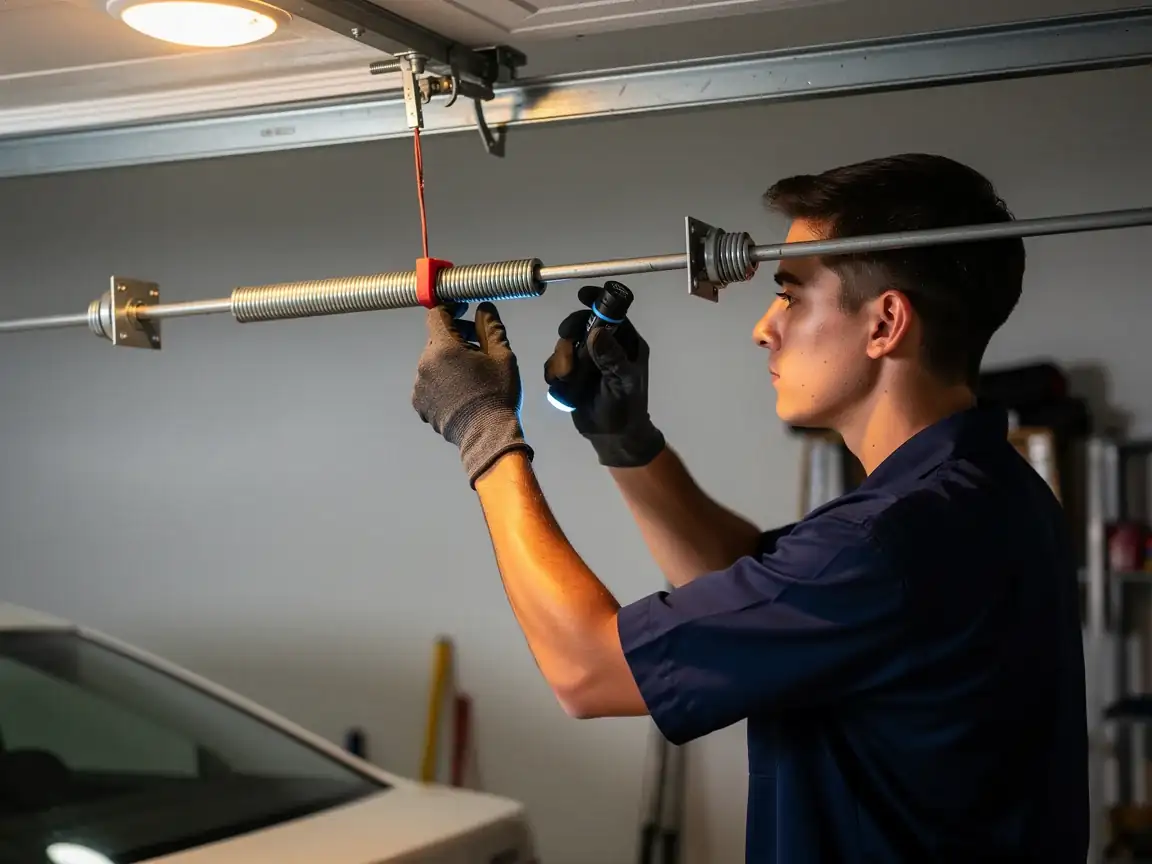
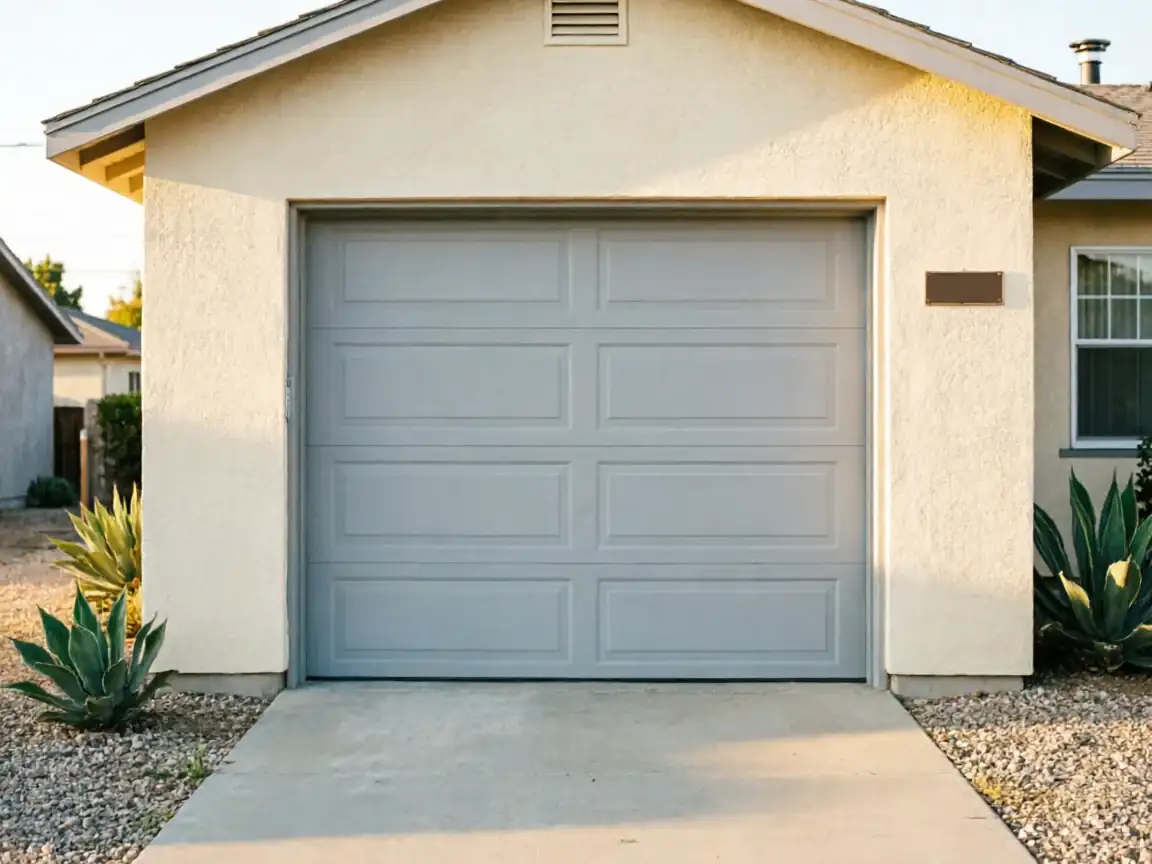
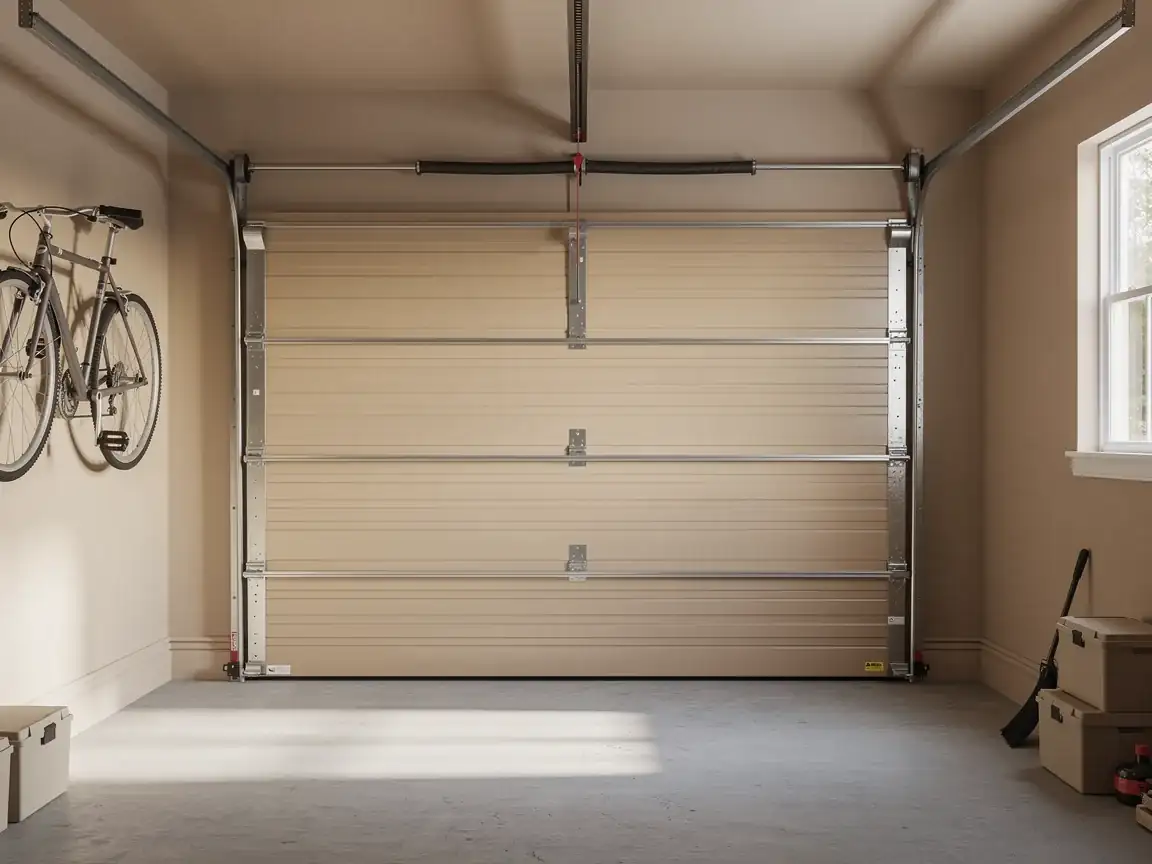
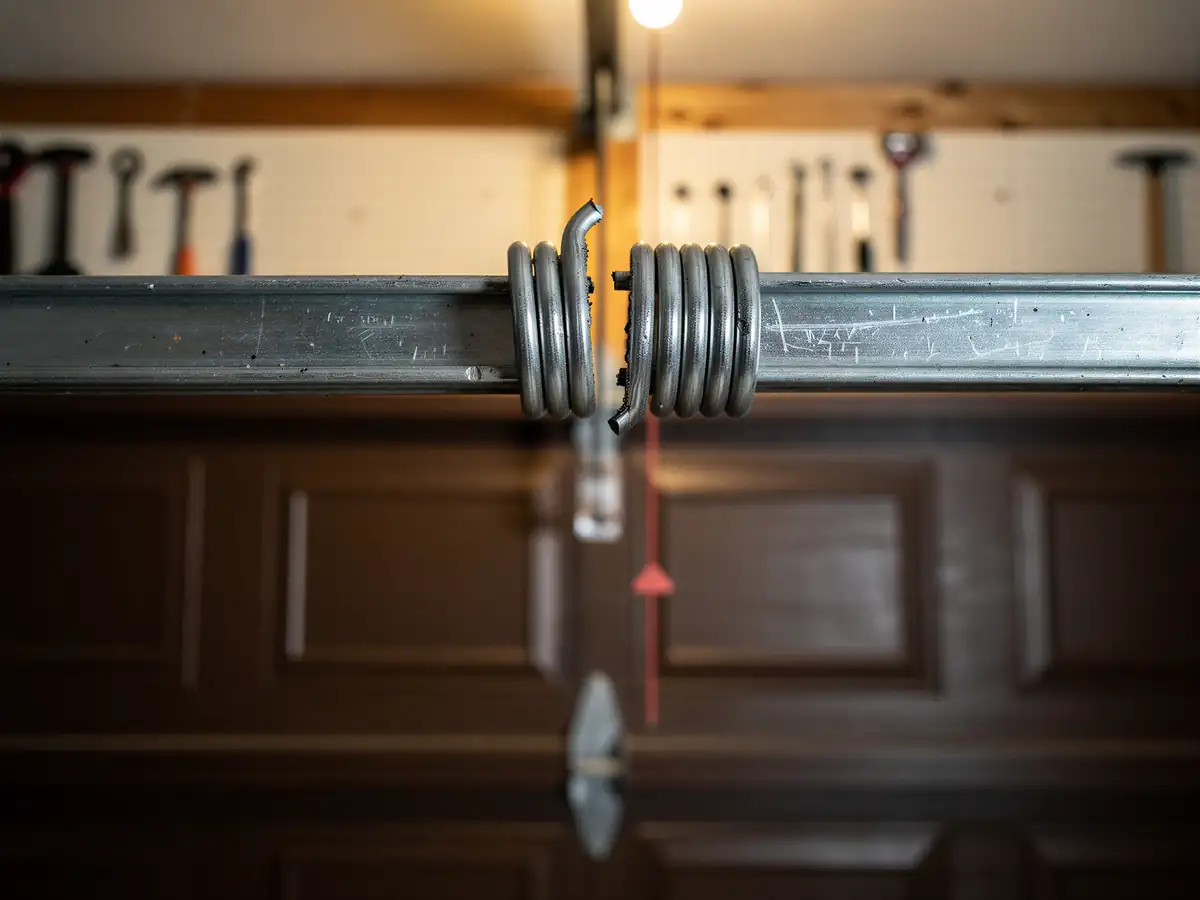
The doors going bad in Piru right now are mostly original or first-replacement units from a house built in the early 1990s - call it 30-plus years of cycles on the same torsion spring and the same roller track. That's not ancient hardware, but it's old enough that the spring has done its 10,000 cycles and the track has picked up enough wobble that a new door won't seat right against it without some adjustment. The climate here is mild temperate, so we're not chasing the rust and seal failures you'd get somewhere with real winters - the failures we see are mechanical fatigue, not weather damage. With 578 households in this pocket, this isn't a huge call volume for us, but the pattern repeats: a door from the same build year reaching the end of its spring life around the same time as its neighbors.
What the Repair Takes
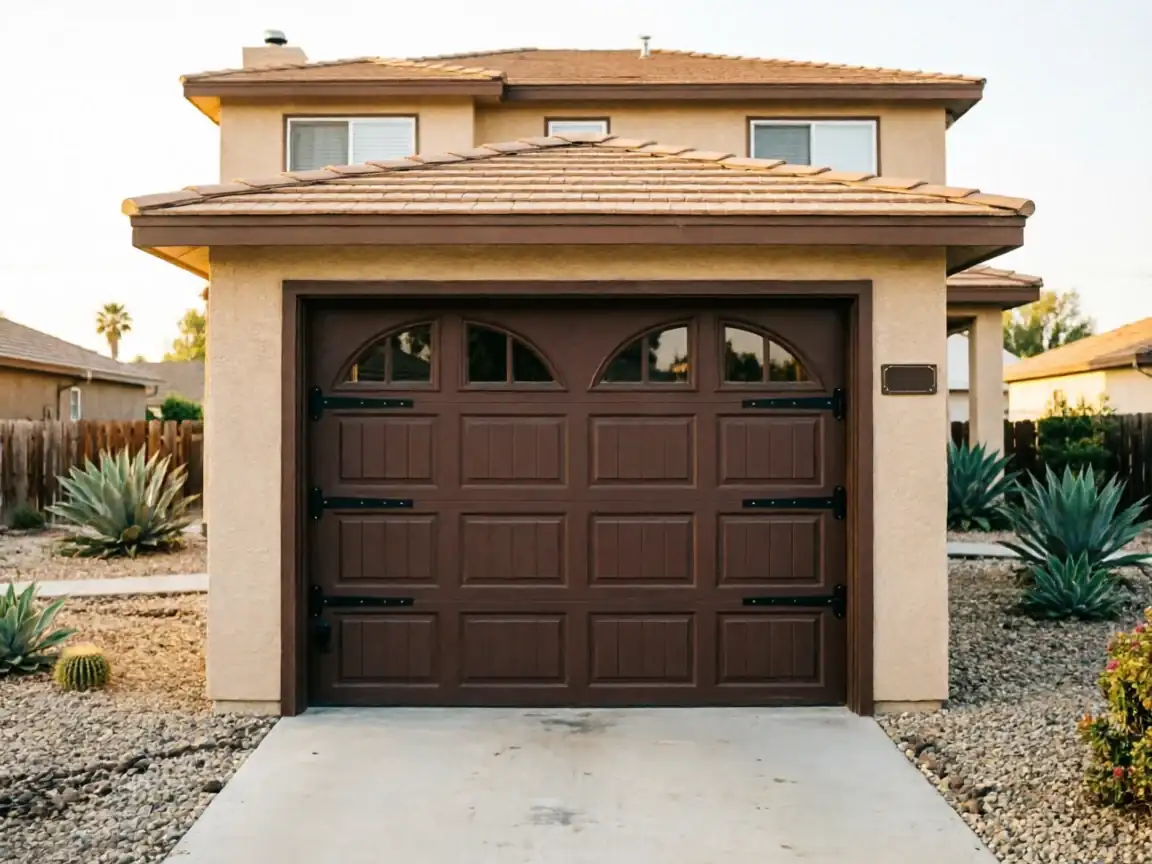
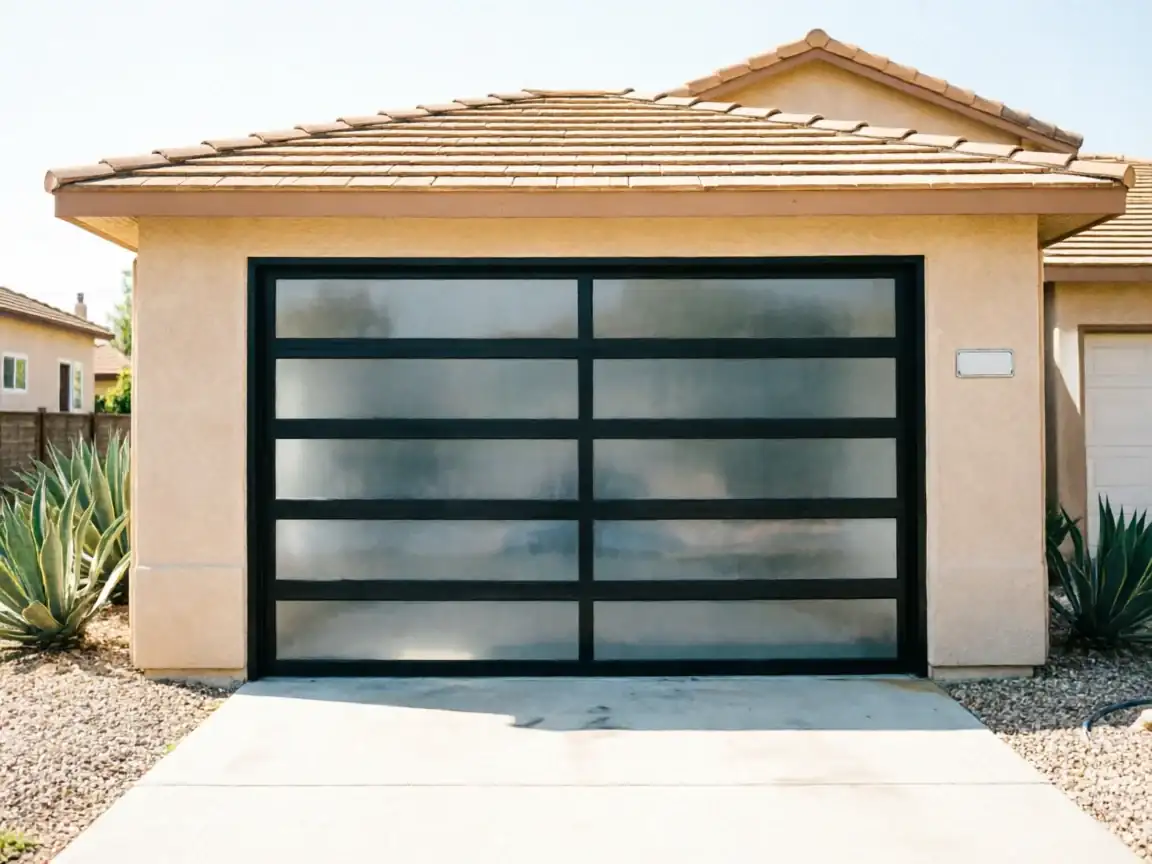
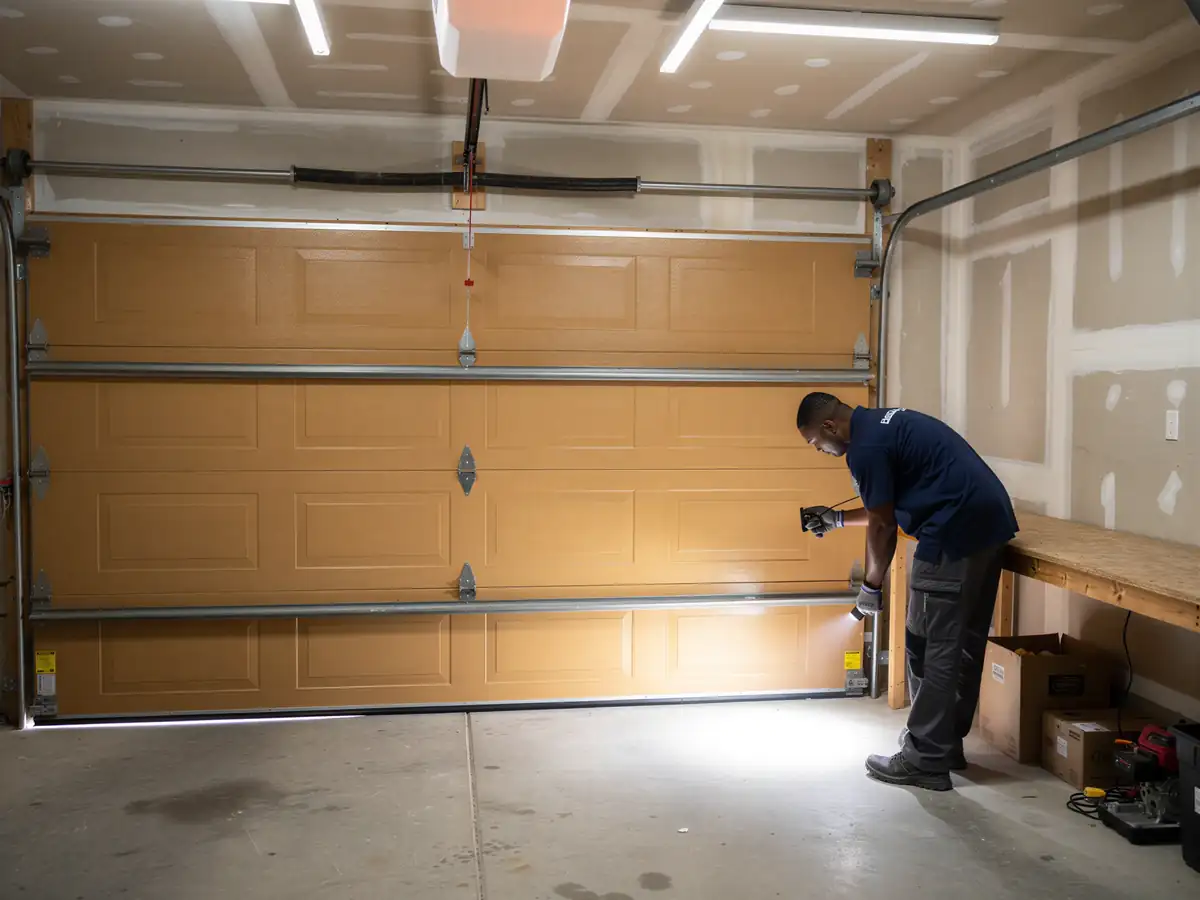
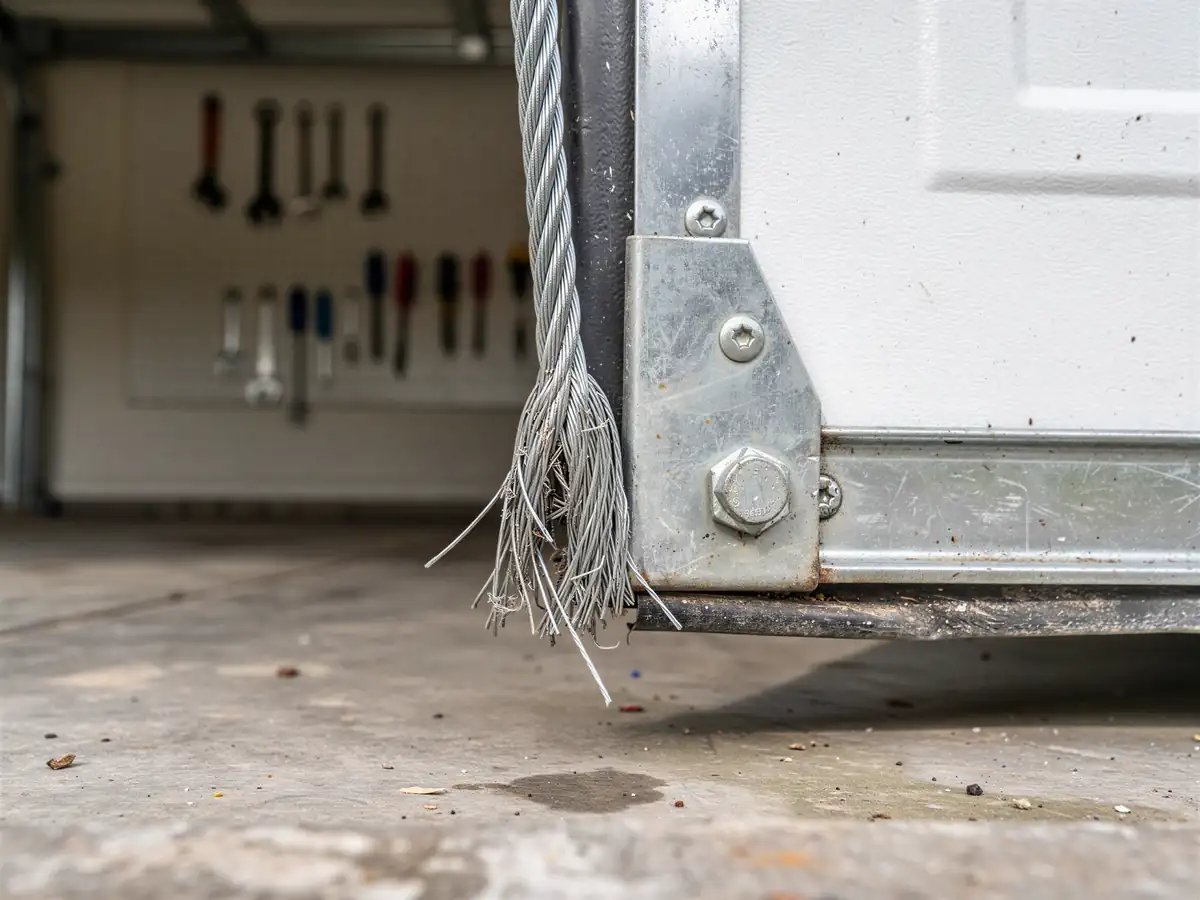
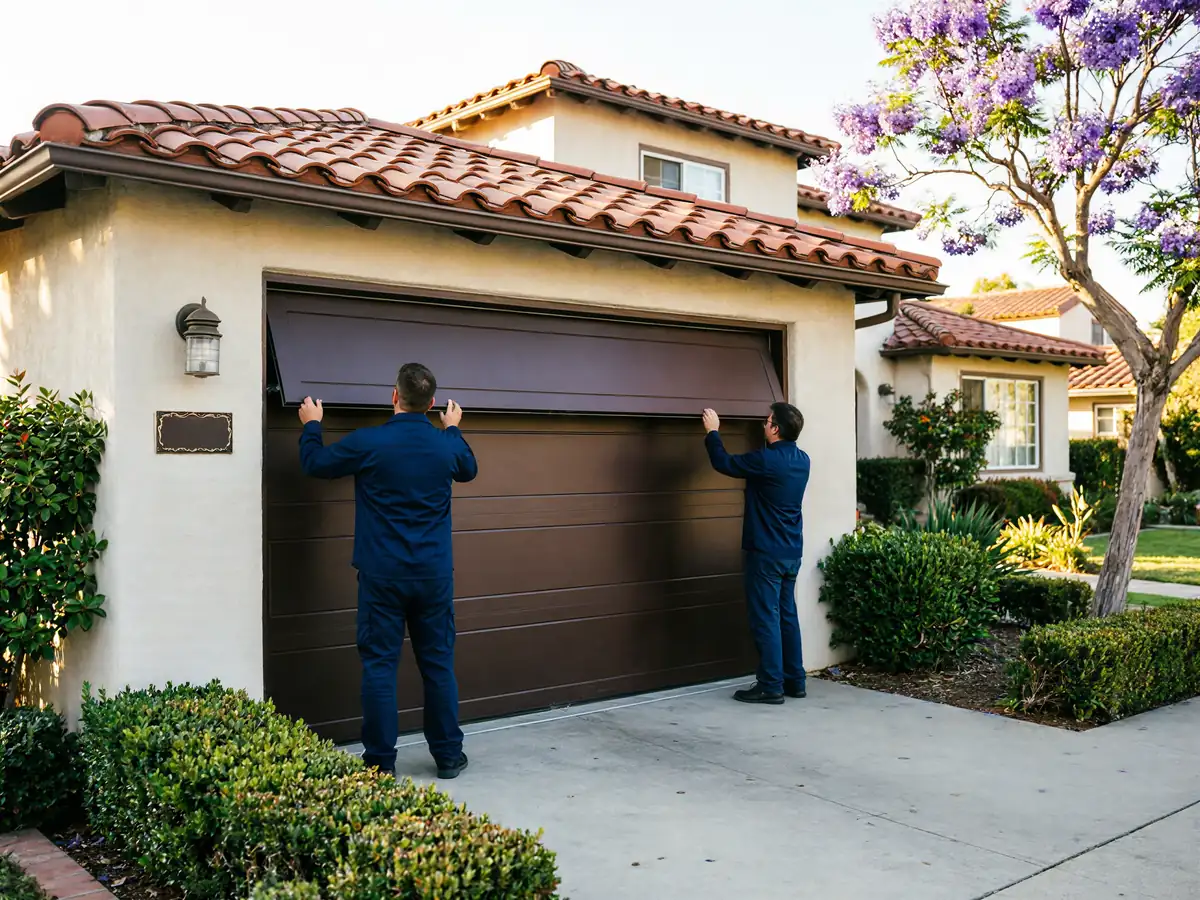
A new install starts with a measure of the existing opening and jamb condition, since a 1990s-era frame can have settled slightly and that changes what track configuration will actually hang straight. We pull the old door, spring, and track as one job rather than patching pieces onto worn hardware - mixing a new door onto an old spring setup is how you get a door that's heavy on one side six months later. Because we're driving the 10 miles out from Simi Valley, we try to do the full tear-out and install in a single visit rather than splitting measure and install into two trips. That works for a standard steel door on a standard 1990s opening. It doesn't work if the jamb needs carpentry repair first - we'll flag that on the measure visit rather than discover it mid-install.
How Long It Takes
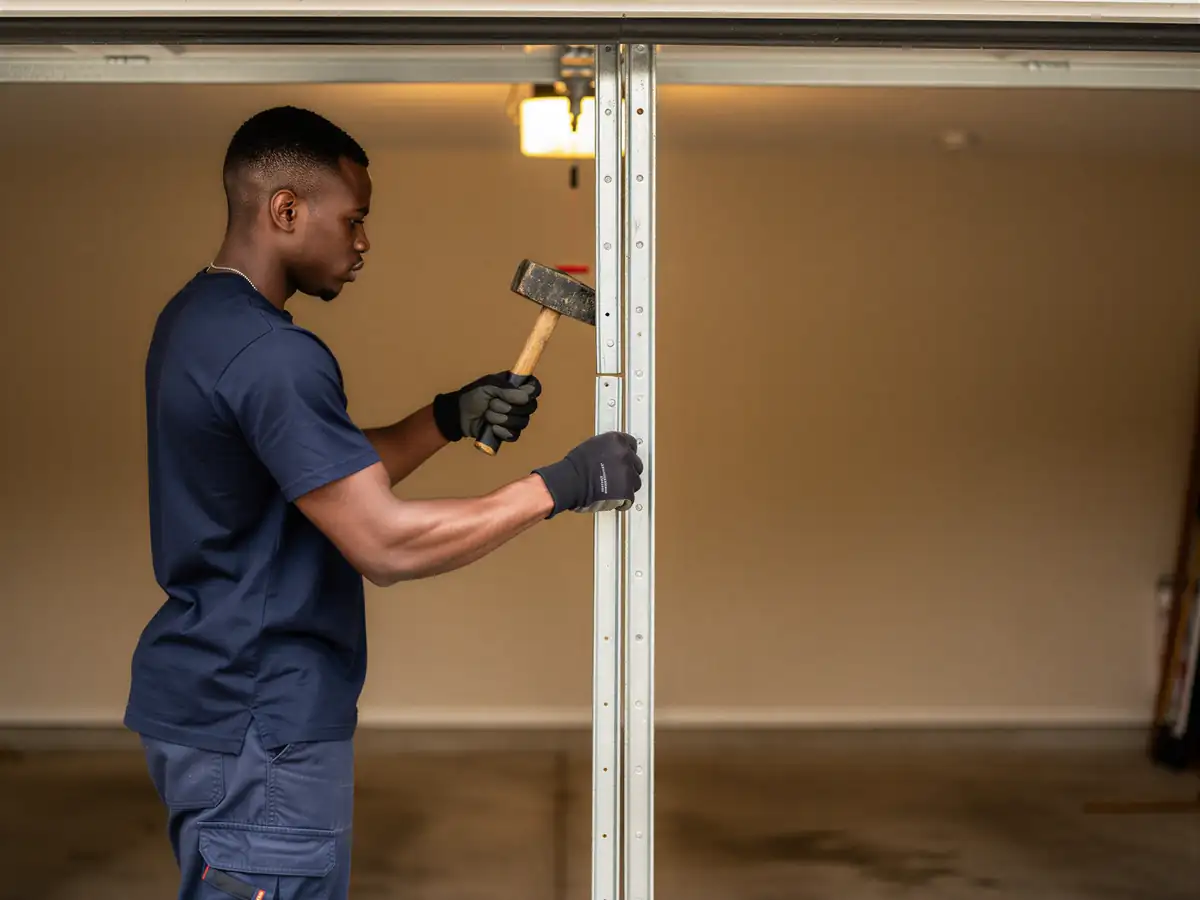
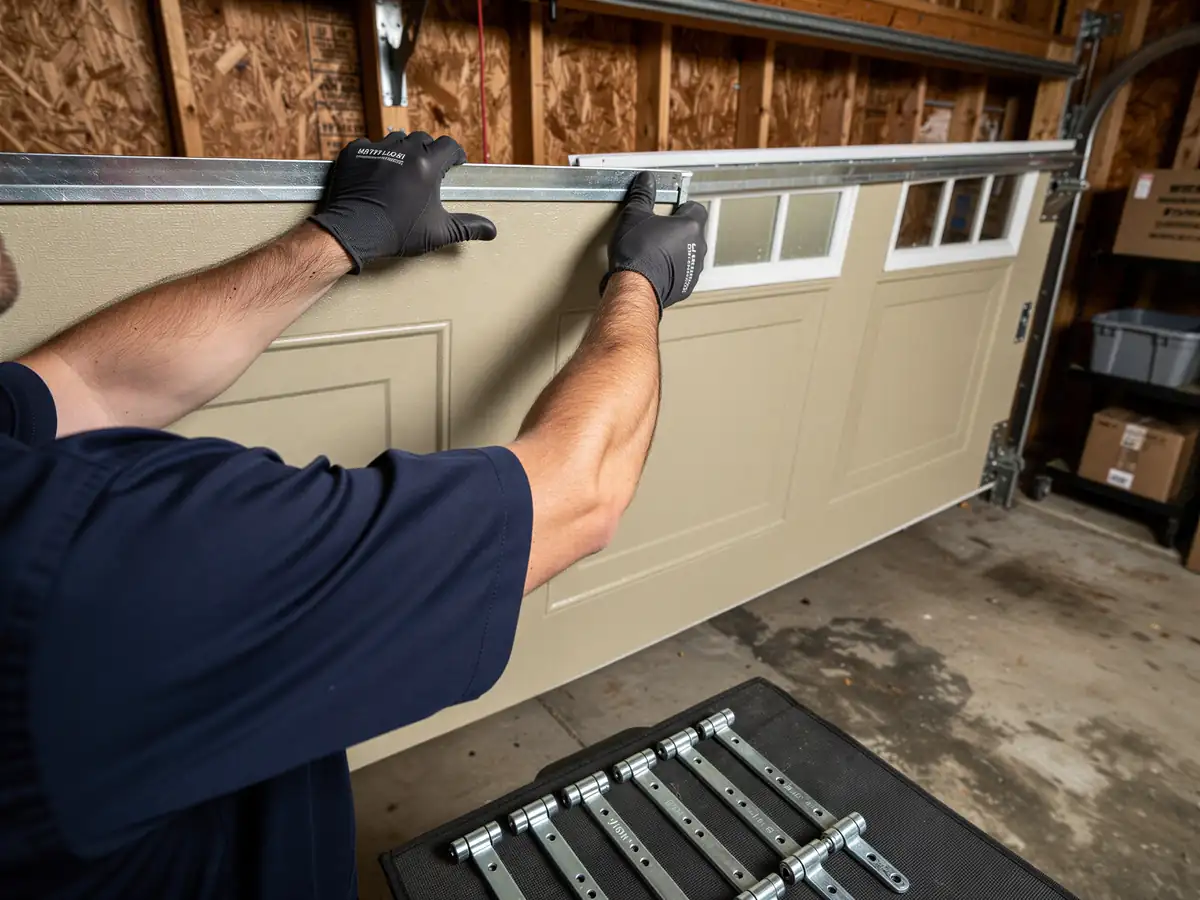
For a standard insulated steel door on a 1990s-era opening, the install itself usually runs a few hours once we're on site - pull the old unit, set new track and jamb hardware, hang the door, balance the new spring. The variable here is scheduling around the drive: because Piru is 10 miles from our Simi Valley base, we batch these jobs where we can rather than running a single truck out for one door. If your measure visit turns up a non-standard size or a door style that needs ordering, expect that lead time added before we're back on site to install. We'll give you a real number once we've measured your opening, not before.