What the Repair Takes
Panel replacement starts with matching what's already on the door
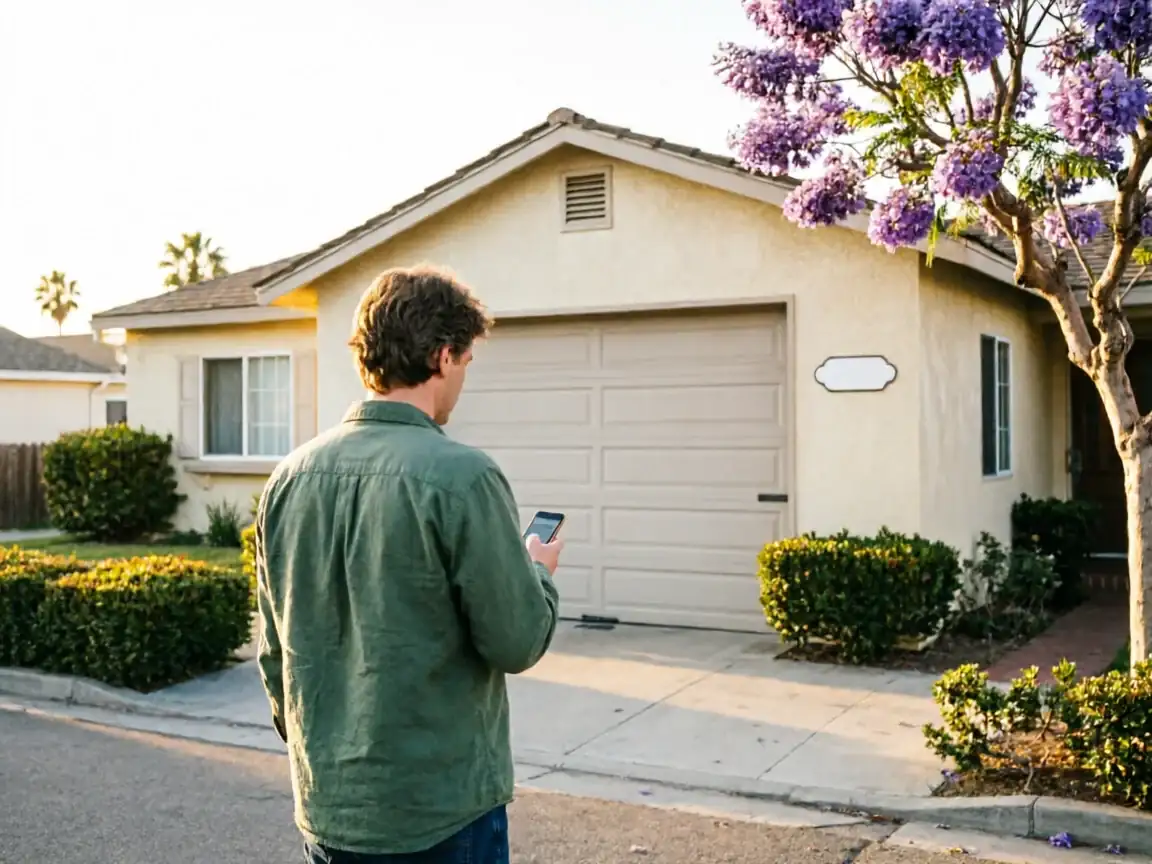
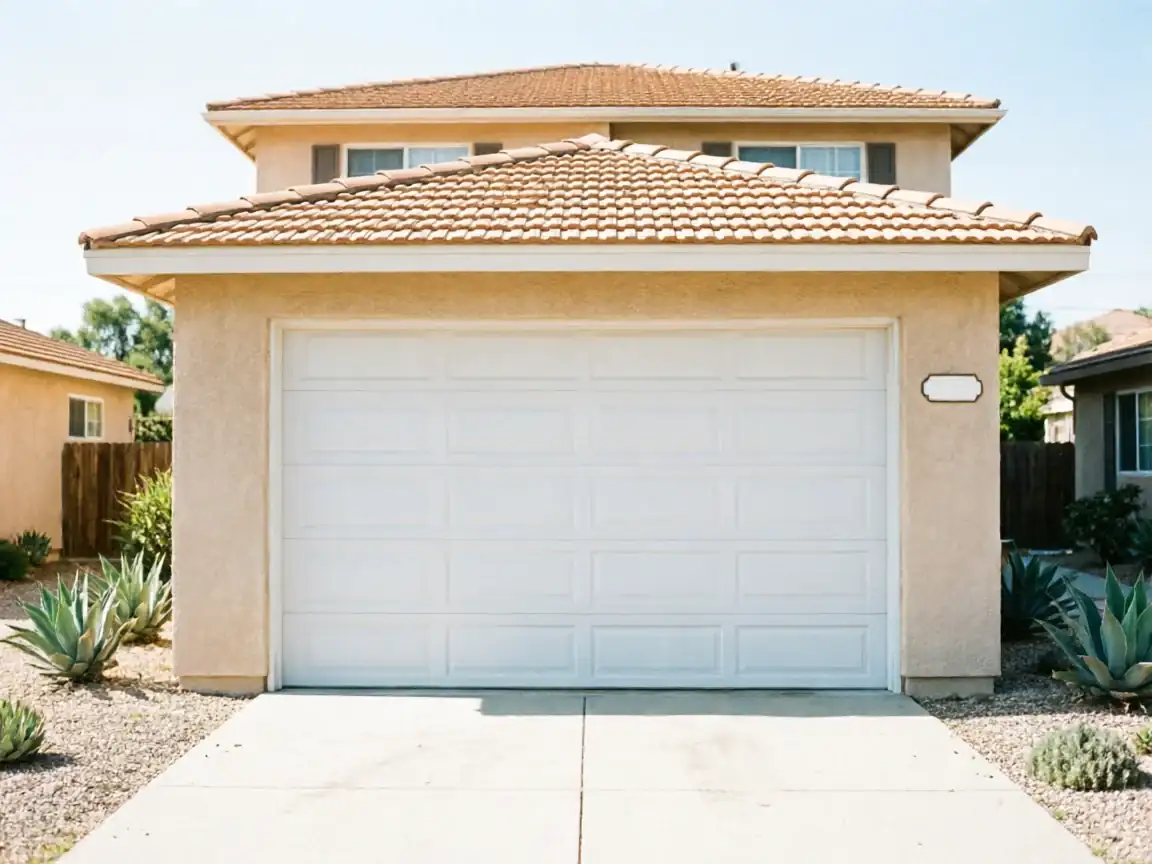
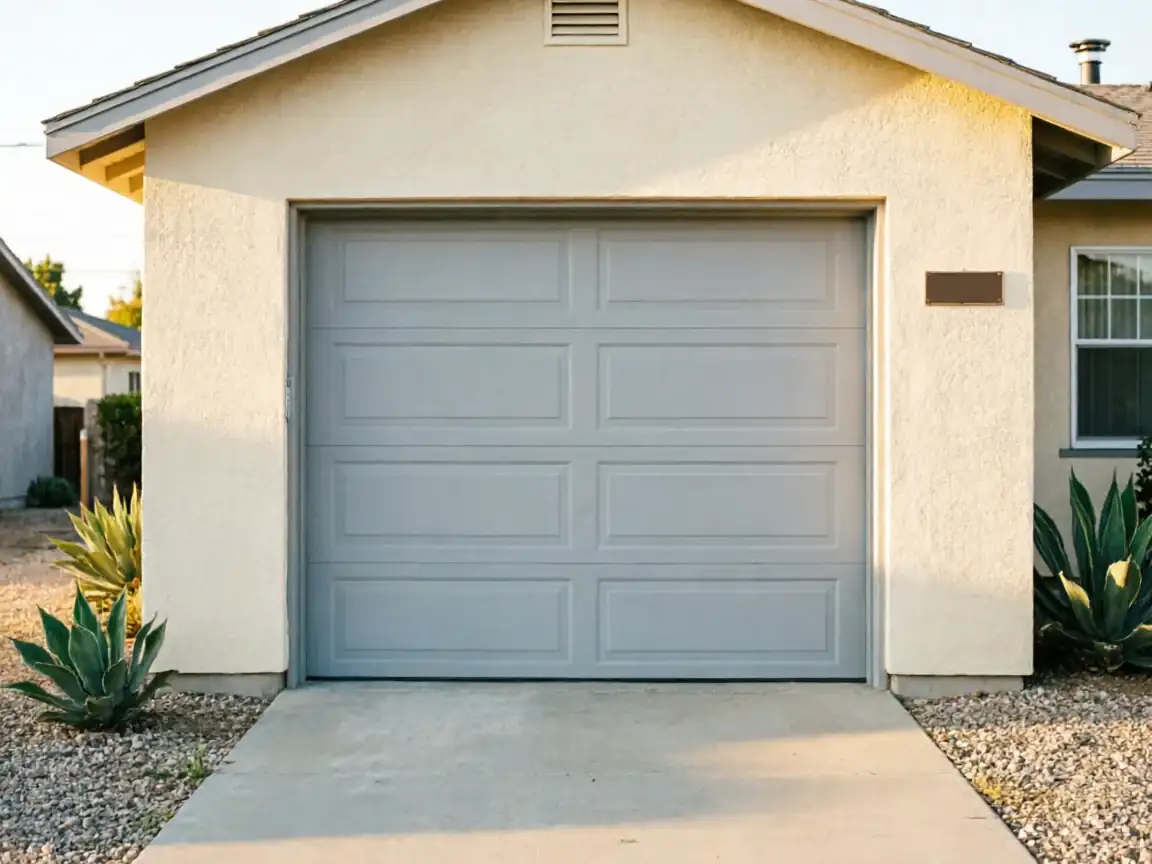
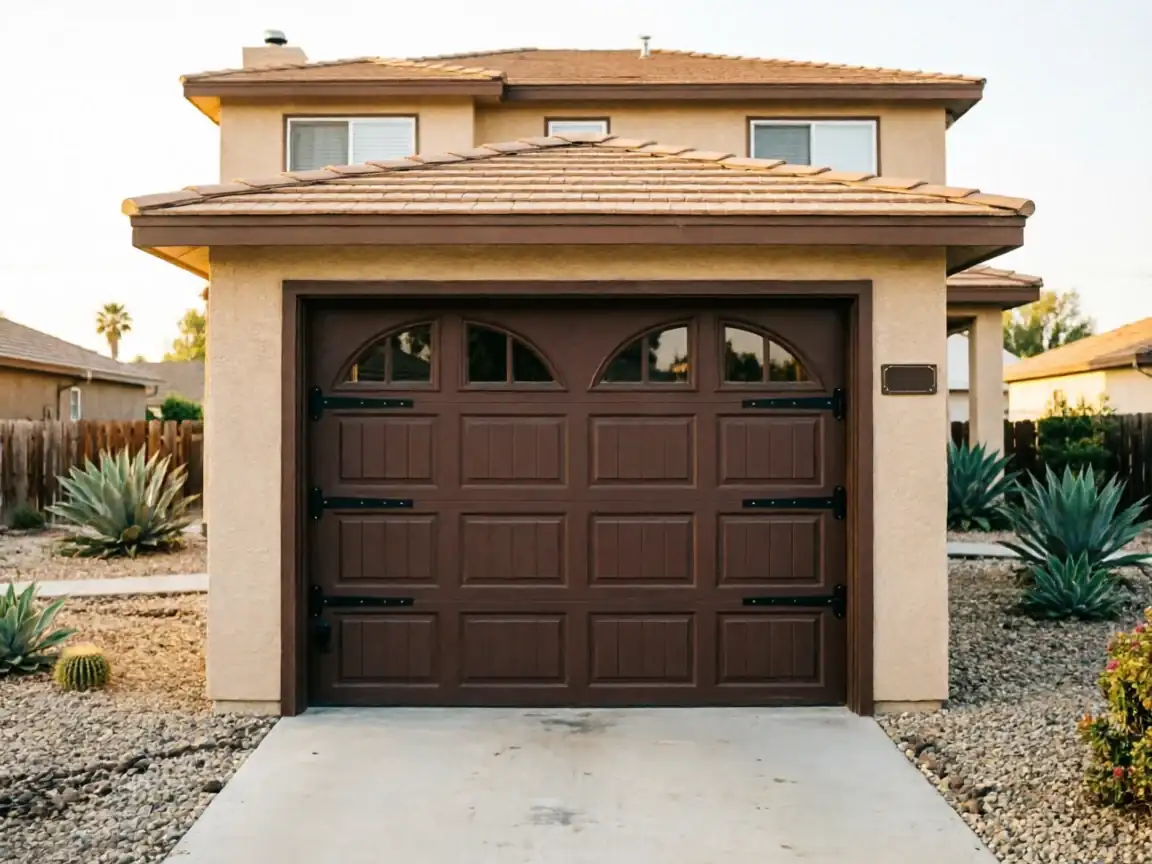
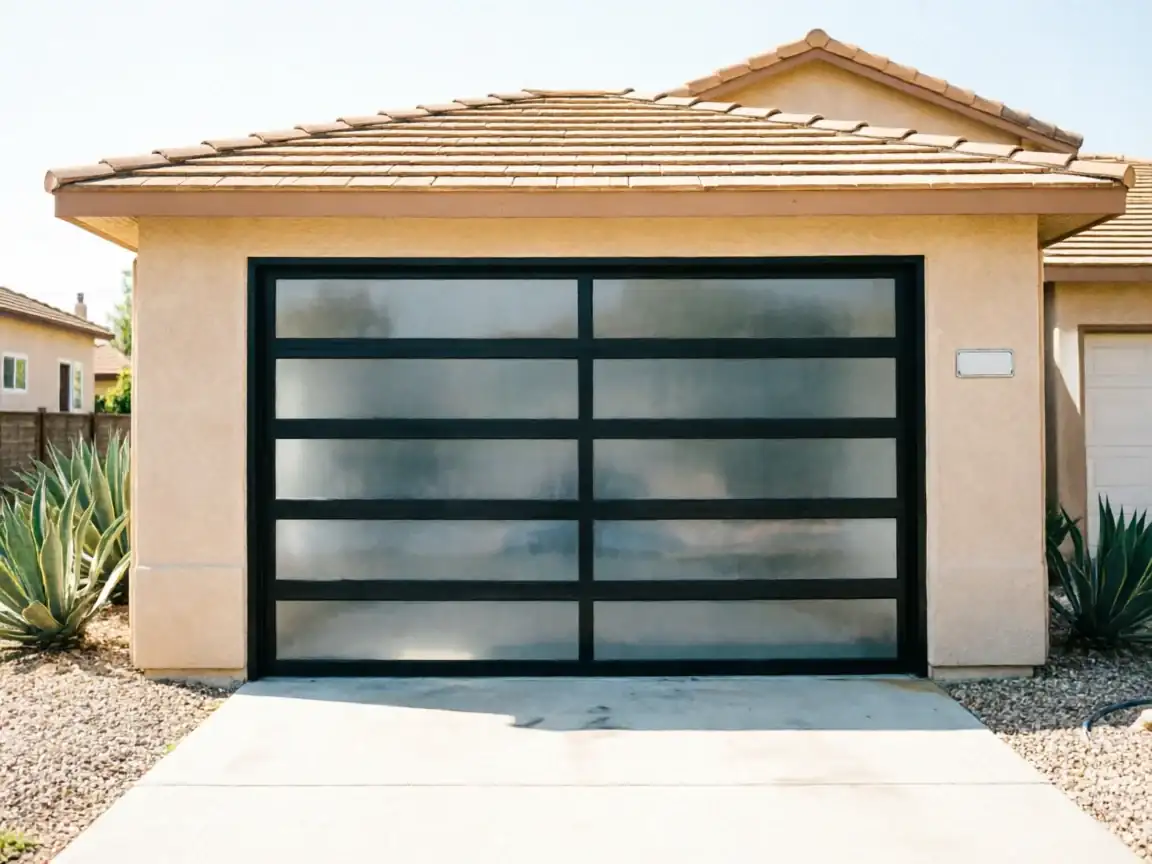
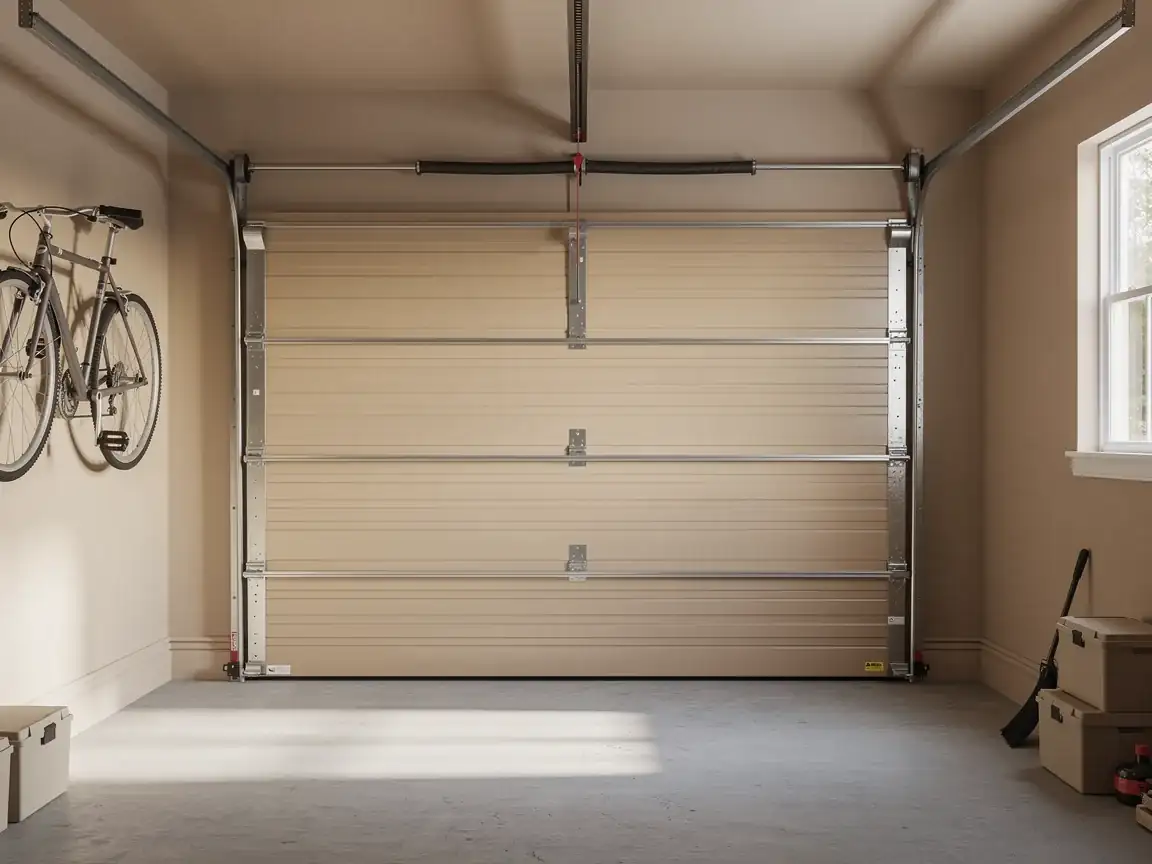
Across the service area, most garage doors went up between 1956 and 1999, with the median around 1983, so a lot of what we're pulling off driveways is steel sectional doors from the 80s and 90s, sometimes older wood doors on the original 1960s-era tracts. Finding a panel that matches the embossing pattern, the rib spacing, and the color on a 30-40 year old door is the hard part, not the swap itself.
- 40 year
If the exact panel isn't available, we look at whether a close match is good enough for the back or side of the door
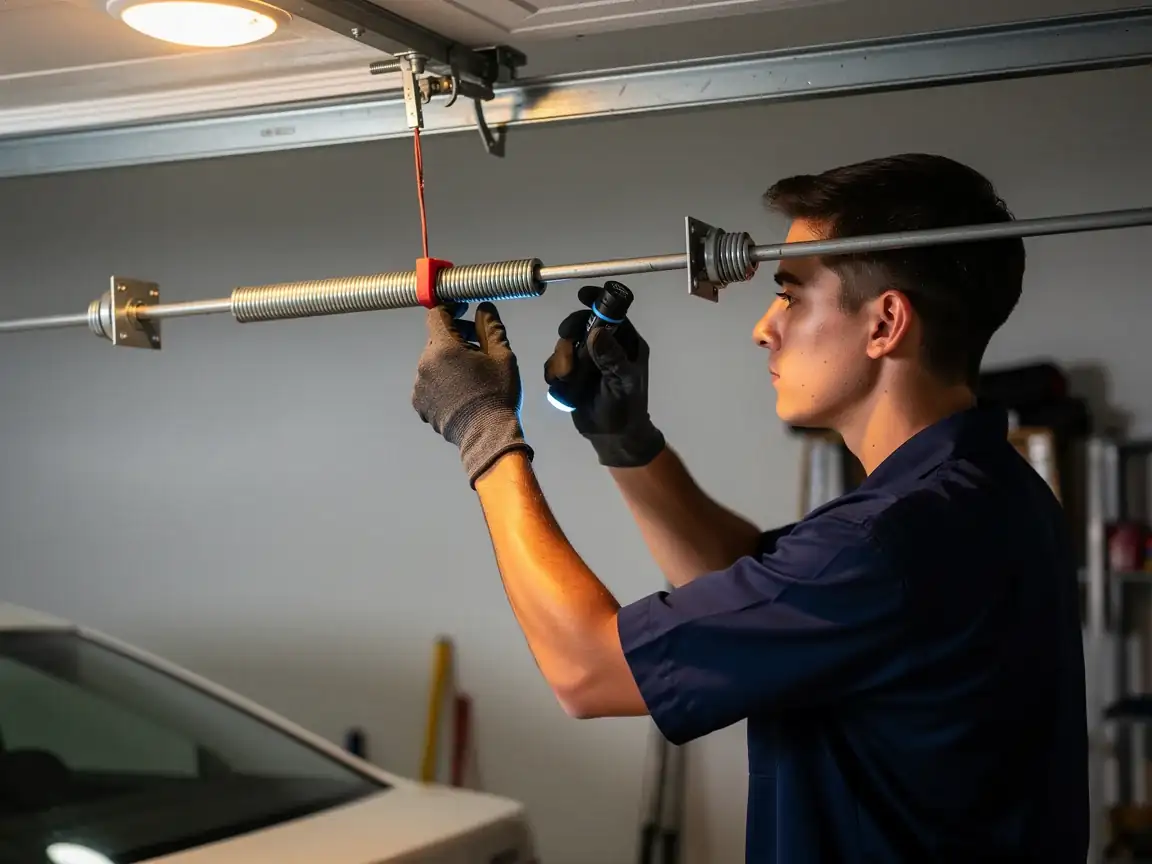
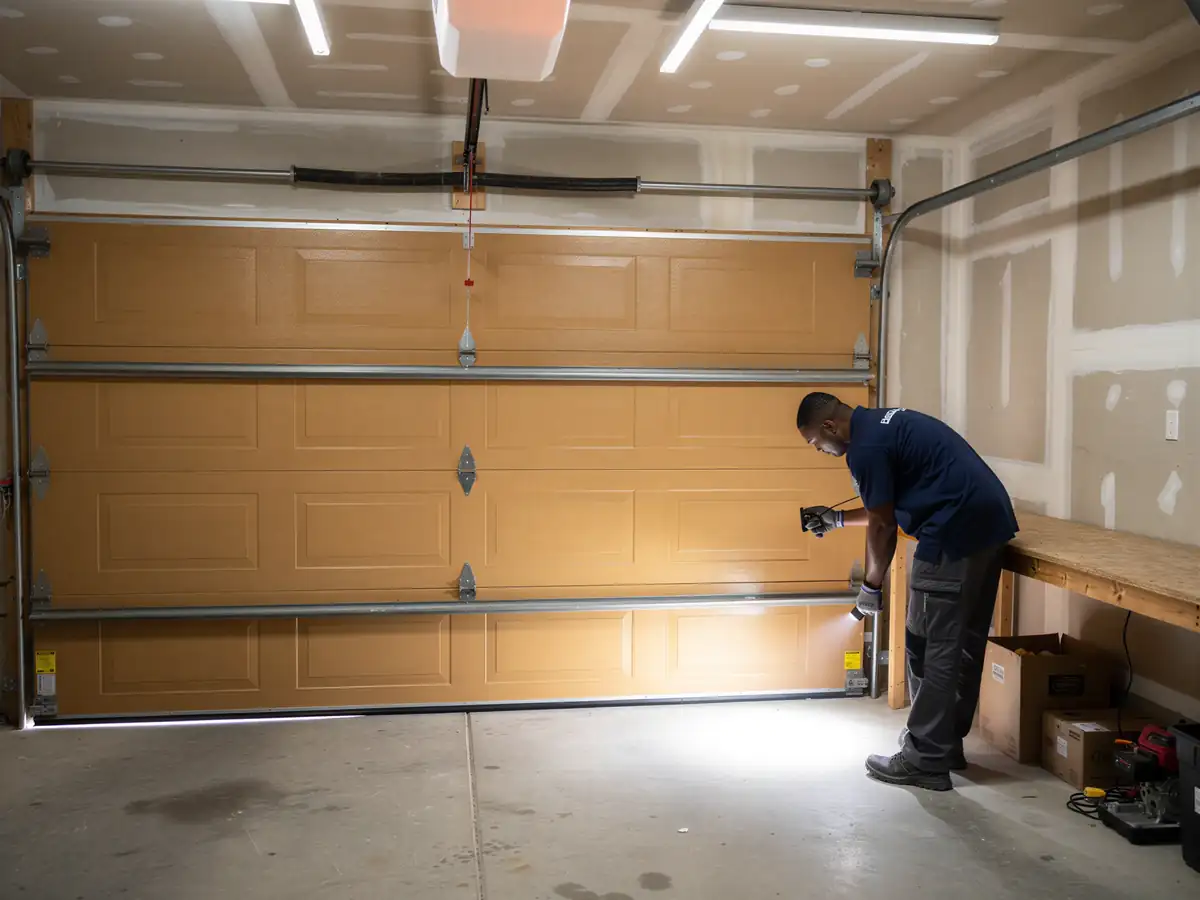
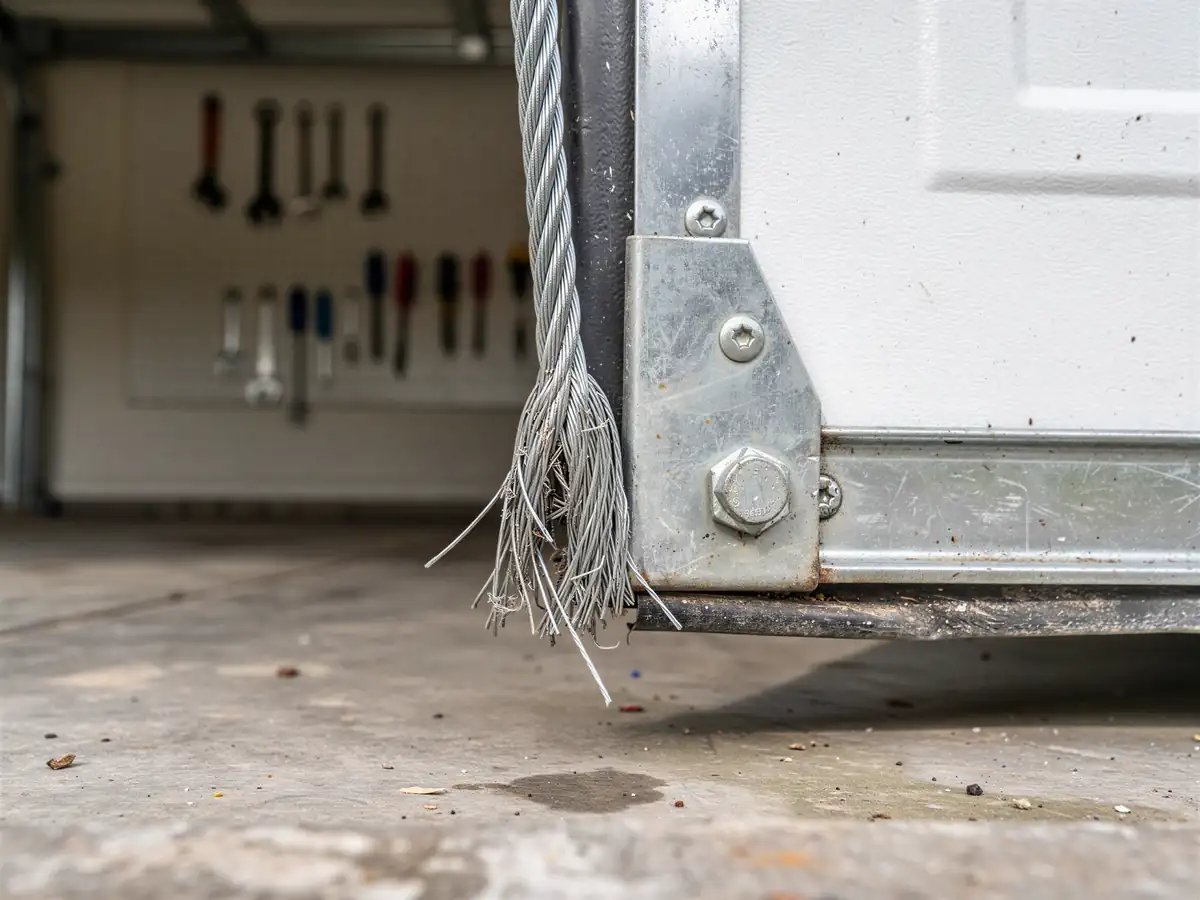
Or whether the mismatch will bother you every time you pull in. We'll tell you straight if the manufacturer discontinued that line - it happens a lot with doors this old, and sometimes a full door makes more sense than chasing one panel. We also check the track and rollers while the door's apart, since a bent panel sometimes comes from a roller that jumped the track rather than the other way around.
We don't stock every panel pattern on the truck
Older or less common doors may need a short order wait, and we'll give you that timeline before we start, not after.
How Long It Takes
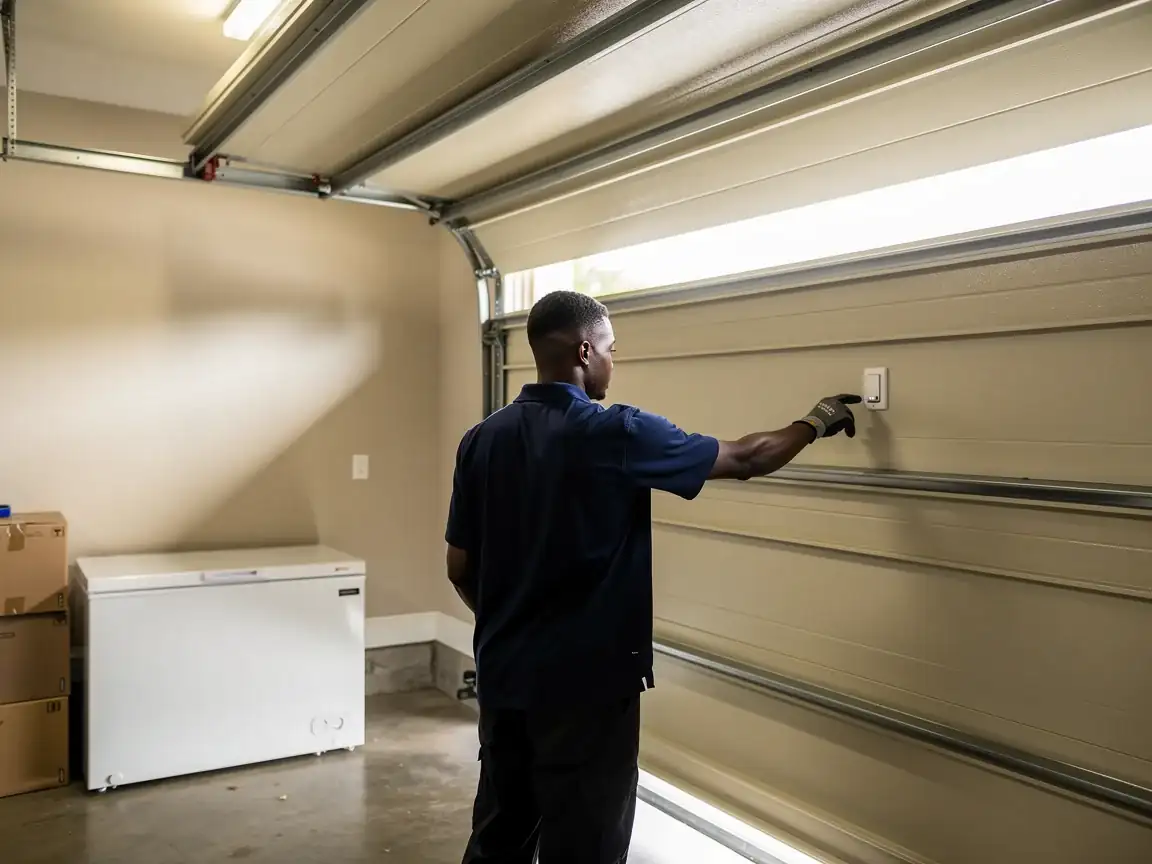
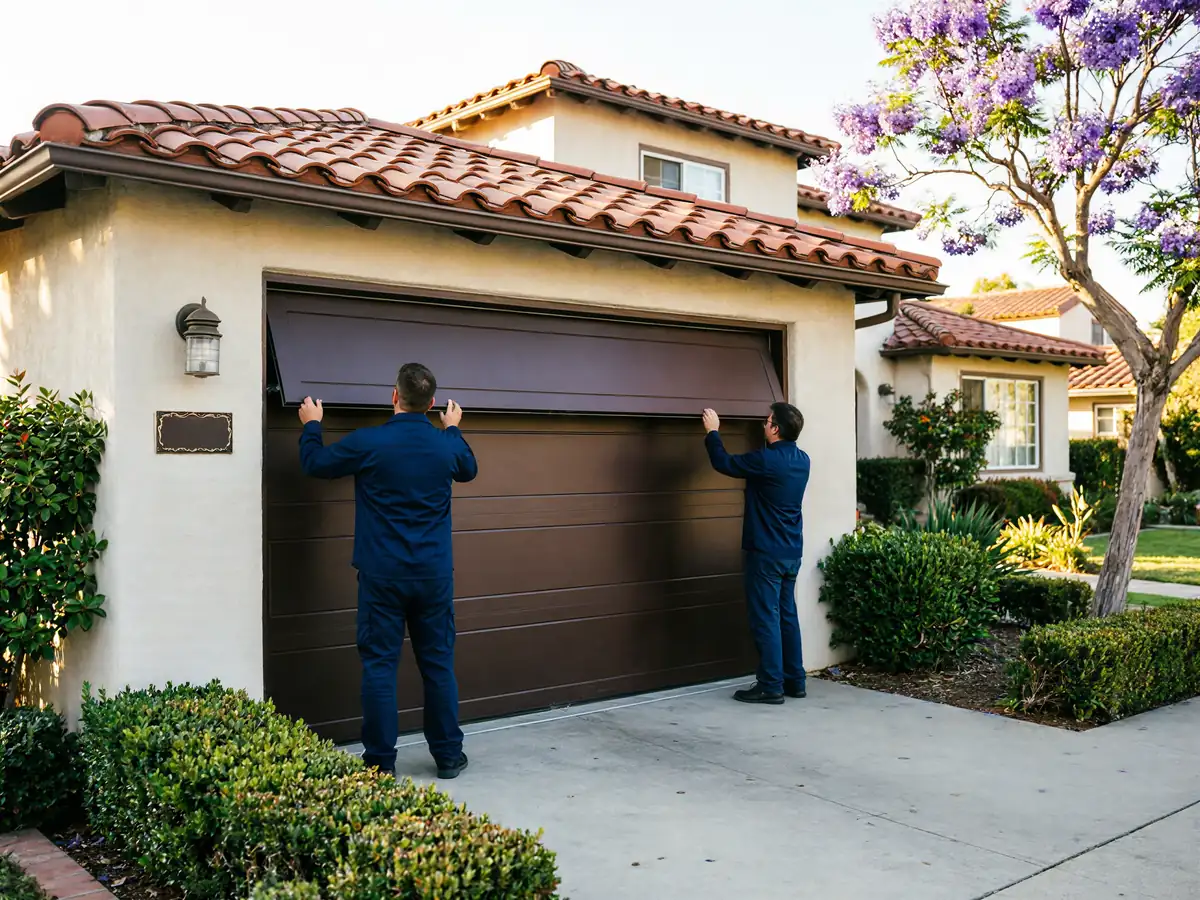
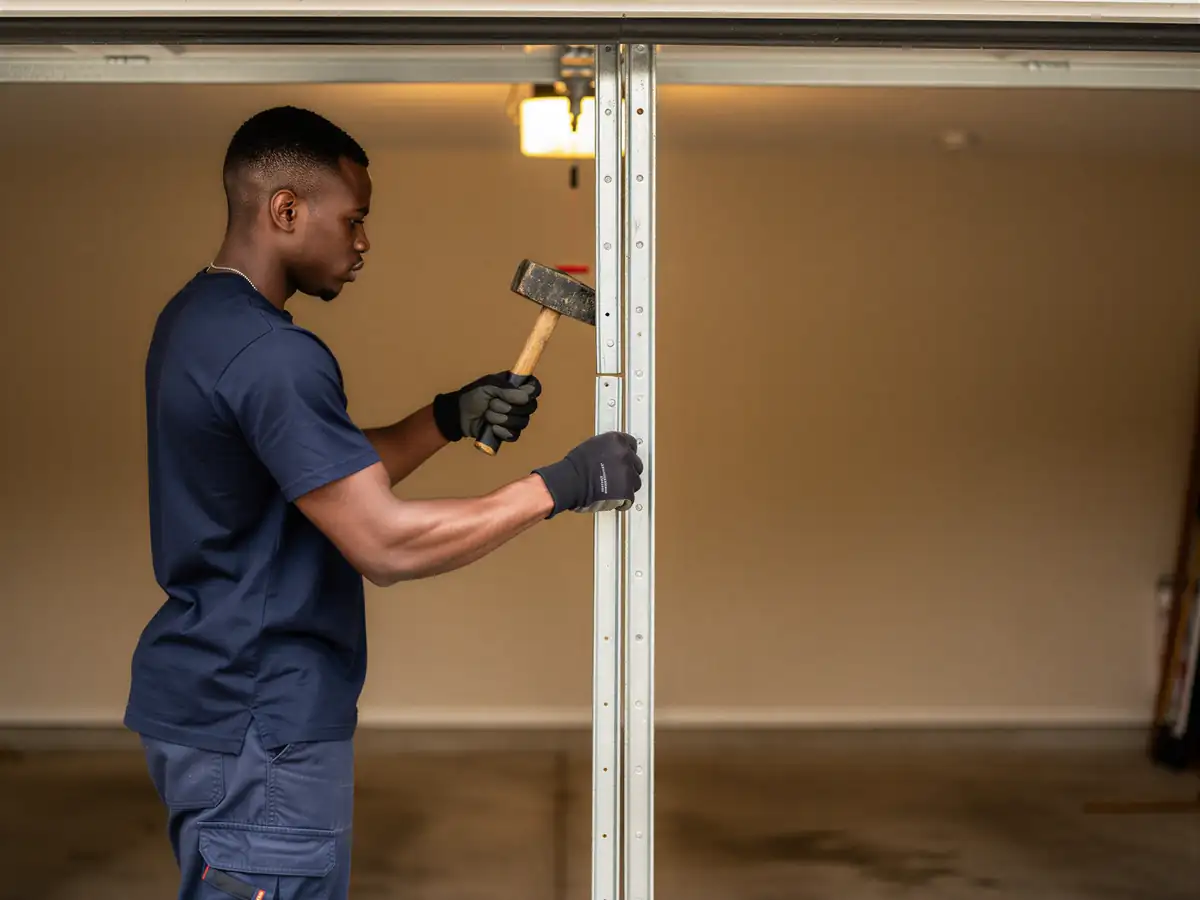
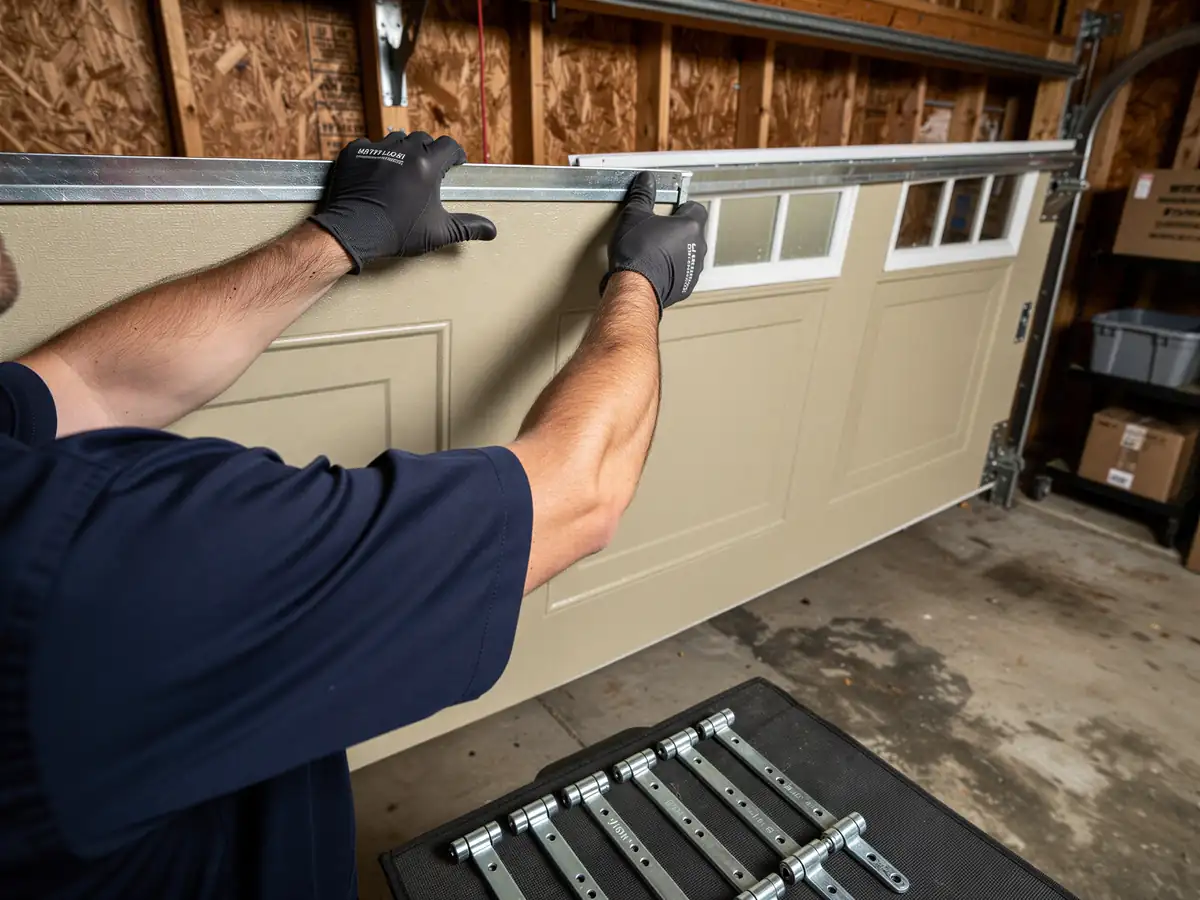
A straight swap on a section that's already in stock is usually a same-visit job once we're on site - unbolt the hinges, pull the old panel, set the new one, re-hang. Where it stretches out is sourcing: if your door is a 1980s or 90s model and the panel has to be special-ordered, that lead time sits outside our control and we'll tell you honestly what the supplier quotes us.
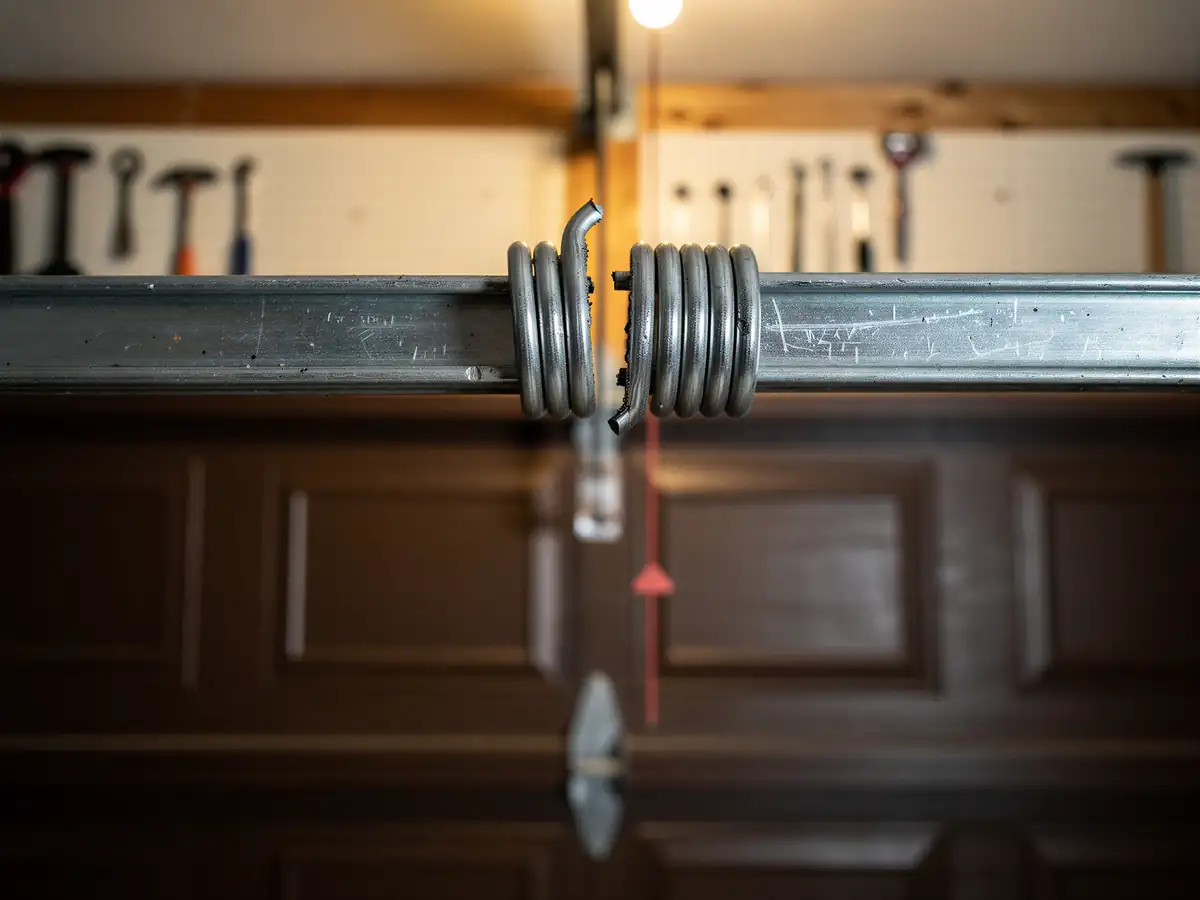
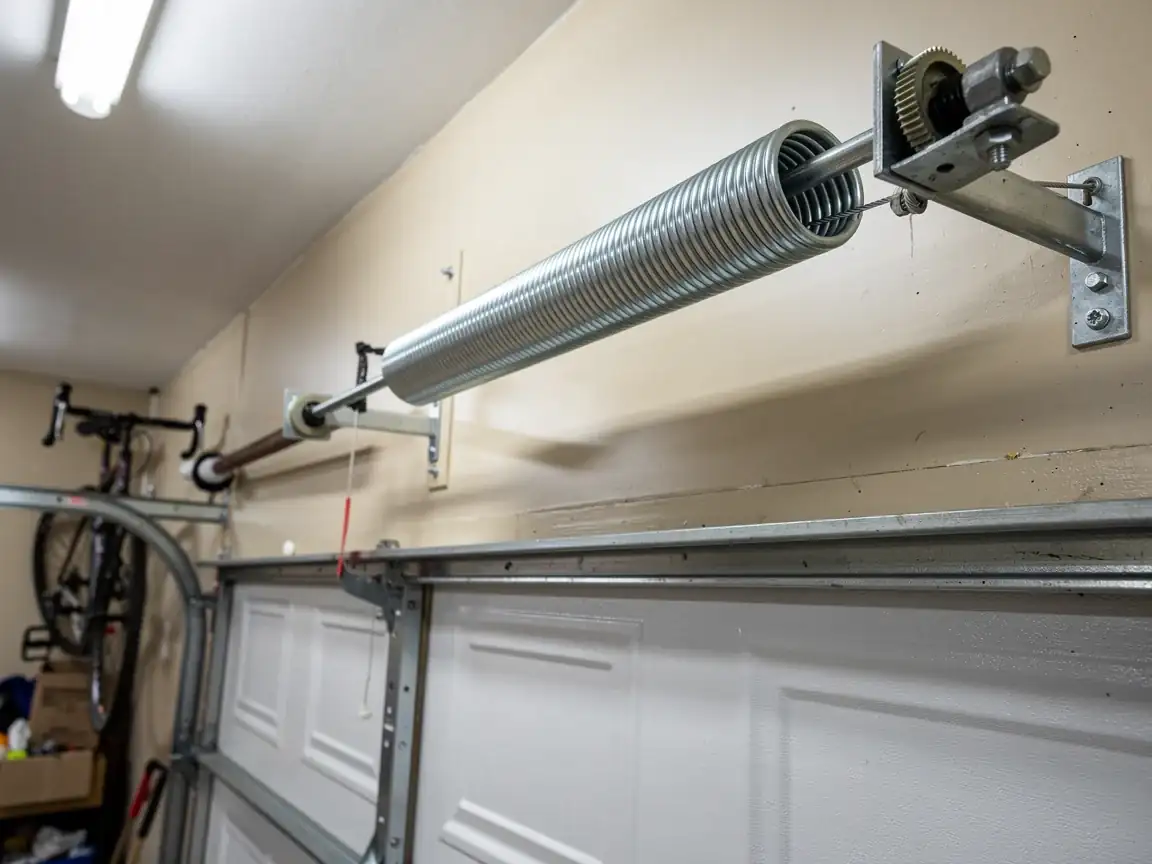
Double doors take longer than single doors simply because there's more hardware to pull apart and more weight to manage safely, especially on older torsion setups that weren't built to current spring standards. We won't rush a panel job to hit a number - getting the alignment wrong on reinstall is how you end up with a door that binds on the track six months later.
Why This Fails Locally
The service area sits in a mild temperate climate, which sounds like it should be easy on garage doors, and in some ways it is - we don't get the freeze-thaw cracking that tears up doors in colder regions. What we do get is steady sun exposure that bakes steel panels and dries out the wood doors still hanging on 1960s and 70s-built homes. Paint fades and chalks, steel panels oxidize at the seams, and wood panels on the older stock crack and warp at the edges where the finish wore thin first.
Because so much of the housing here dates to a narrow window - 1956 through 1999, median 1983 - a lot of these doors are hitting the same failure point around the same age. A panel that's been in full sun for 30-plus years doesn't fail because of one storm or one impact; it fails because the material finally gave out. That's different from a newer door with a single dented panel from a backed-into car. Both show up as a damaged panel, but the fix and the parts situation aren't the same.
The Symptom
Most calls start with something simple
A cracked panel after a bump, a section that's bowed out and won't sit flush, or a bottom panel that's rotted or rusted through at the edge where water sits longest. Sometimes it's cosmetic only - the door still opens and closes fine, the track and spring are solid, and it's just one bad panel pulling down the look of the whole door.
Other times the panel damage is a sign of something upstream
A roller that's been riding rough and finally bent the section, or a door that's been slightly out of square for years and finally cracked a seam. We check the whole door before quoting a panel swap, because replacing one section on a door that's misaligned just means you're back here in a year with a second cracked panel.