Can You Do This Yourself
Topanga's housing stock mostly dates to around 1971
Which is a good decade older than the 1983 median across the rest of the territory we cover. That matters here specifically: a house built in the early 1970s is more likely to still be running a chain-drive opener on the original rail than the belt or screw-drive units that showed up in neighborhoods built after 1983. Chain-drive units from that era can often be adjusted or re-lubricated without a tech, and travel-limit resets are usually within reach of a homeowner with the manual in hand.
Where we'd stop you
Anything involving the logic board, the capacitor on an older AC motor, or a door that's binding on the track and masking as an opener problem. Pulling an opener down off worn mounting brackets on a house that old is also not a one-person job if the bracket itself has rusted or pulled loose from the framing. If the opener runs but the door doesn't move smoothly, the opener usually isn't the actual problem - the door or its hardware is.
The Cost of This Job
We don't have a published price list to quote here, and we're not going to make one up. What we can tell you is what drives the number up or down on an opener call in an area like this one. Age is the first factor - with a median build year around 1971, a fair share of Topanga's openers are old enough that the original logic board or motor assembly is no longer made, which pushes the job toward full replacement rather than a part swap. Median household income here runs $142,553, a bit below the wider area's $146,404, which doesn't change our pricing but does shape what kind of replacement unit makes sense for a given household.
The honest limitation: if your opener is a legacy model from the early 1970s housing boom and the part that failed isn't stocked anywhere, we'll tell you straight that replacement is the cheaper and faster path, even though a repair sounds like it should cost less.
What the Repair Takes
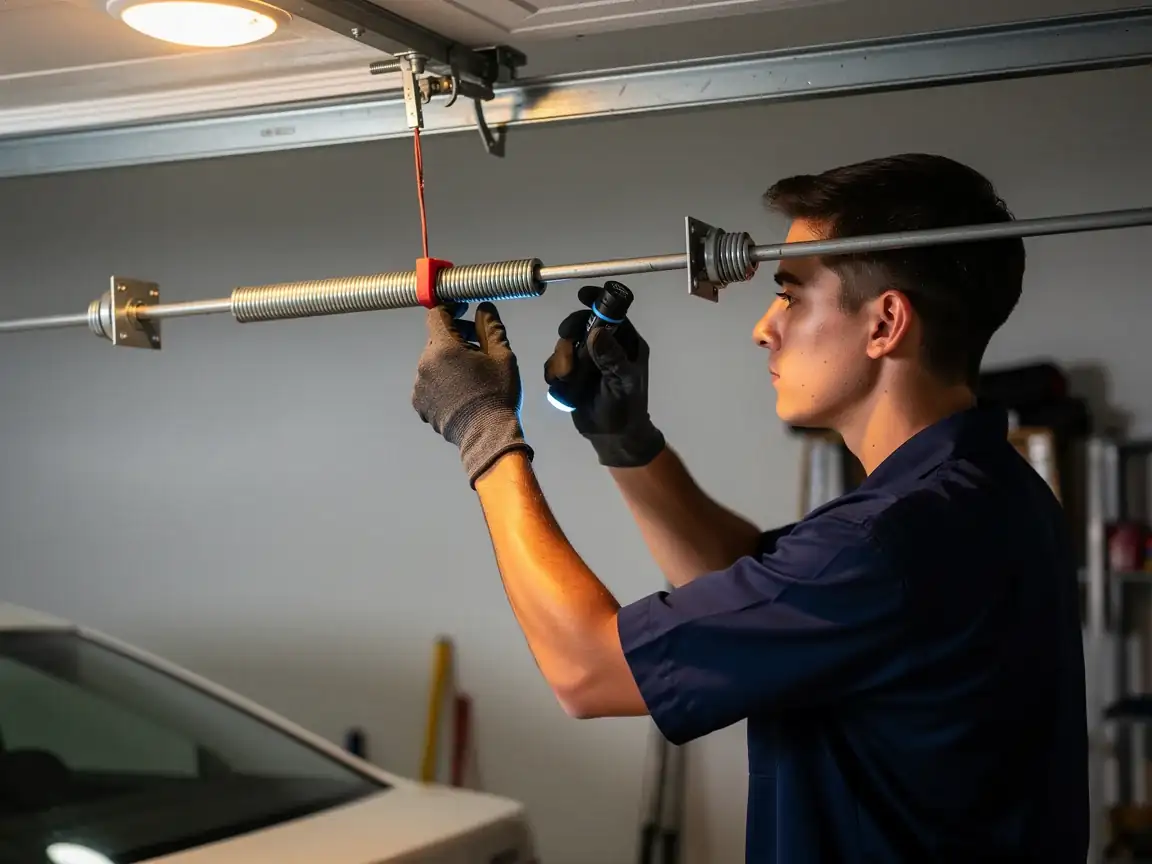
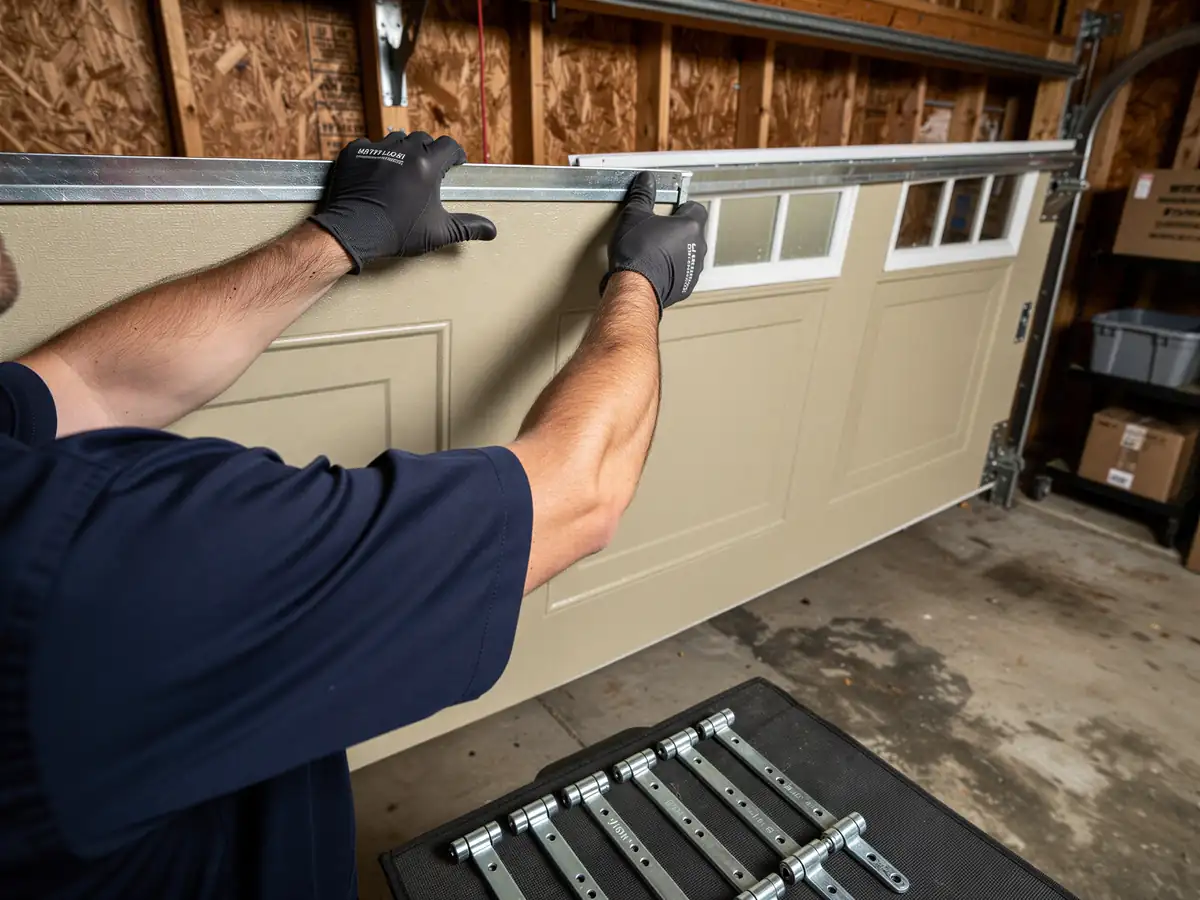
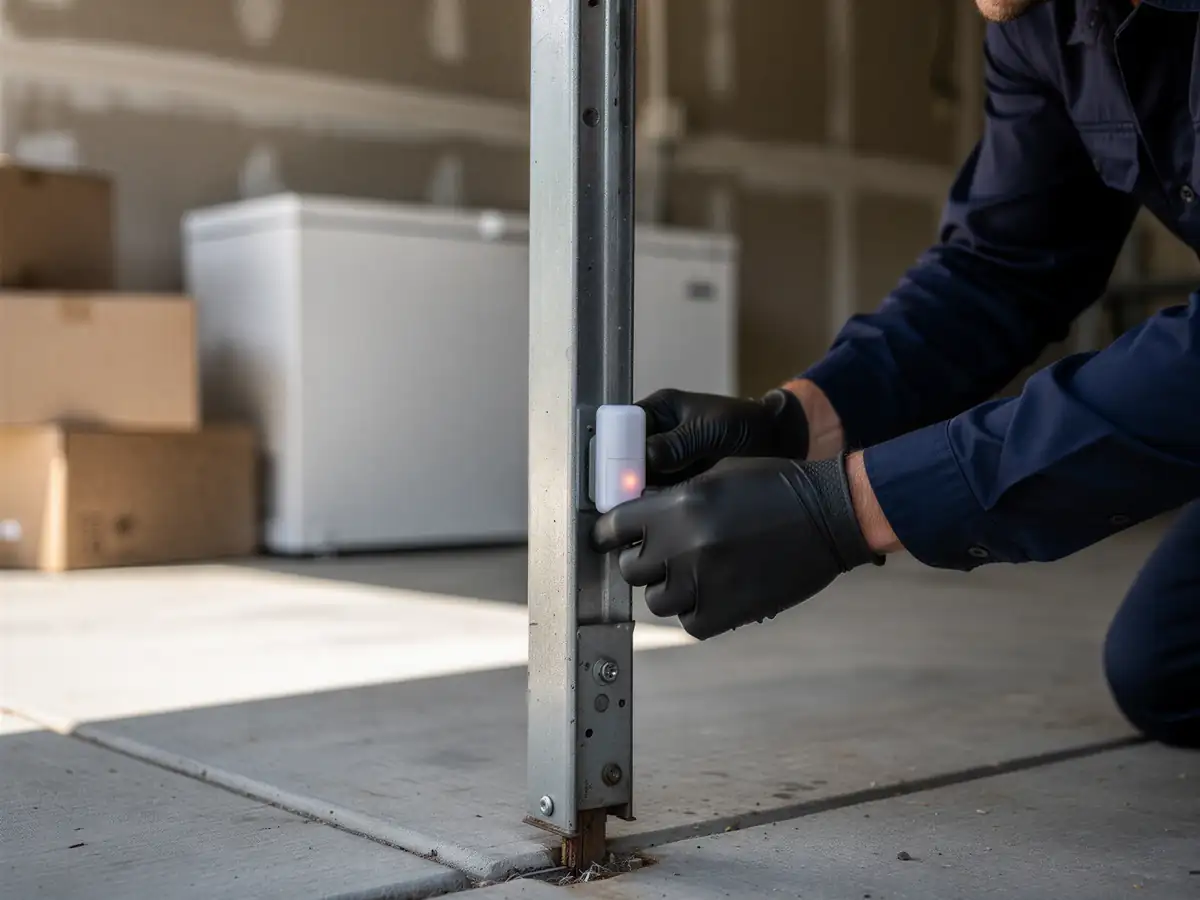
Most opener calls break down into one of three categories once we're looking at the unit: the motor or board has failed, the sensors are misaligned or wired wrong, or the drive mechanism - chain, belt, or screw - has worn out or come loose from the trolley. On a house from Topanga's 1971-era housing stock, we see the drive mechanism and the board go first, since both have been running two or three decades longer than the newer units common on the other side of the service area.
We travel out from Simi Valley, about 14 miles, with a stock of common opener parts on the truck, but a legacy board or motor for a unit that old isn't something anyone keeps on a shelf anymore. If that's what's failed, we'll tell you on the spot rather than stretch out a visit trying to force a fix that won't hold. The region's mild temperate climate means we're not fighting the freeze-thaw cycles that crack housings or plastic gears in colder parts of the country - wear here tends to be mechanical, from age and use, not weather damage.
Booking a Visit
We don't keep a branch or depot in Topanga
Every opener call out here is a dispatch from our shop in Simi Valley, roughly 14 miles away. With 3,098 households in Topanga, compared to the 69,002 across the full territory we serve, it's a smaller slice of our map, and we plan the trip accordingly rather than promising a same-day window we can't back up.
- 14 miles
- 3,098 households
When you call, tell us the opener's age if you know it, whether the lights blink a pattern when it won't run
And whether the door moves freely by hand with the opener disconnected. That one detail - door hand-tested, opener separate - saves a lot of guessing before the truck even leaves Simi Valley. You can see the rest of what we cover for the area on our Topanga garage doors page, and our main opener repair page for the home service area is at Simi Valley opener repair.