Can You Do This Yourself
Fillmore's housing stock centers on 1975
Almost a decade older than the 1983 median across the rest of the service area. That matters more than it sounds like it should. A door and opener installed in the mid-1970s was built to different rough-opening standards than anything going up in the 80s or 90s - narrower headroom in some cases, older jamb framing, and spring systems that were never updated to current torsion standards.
Swapping a door yourself on a house this age usually means you find a mismatch partway through
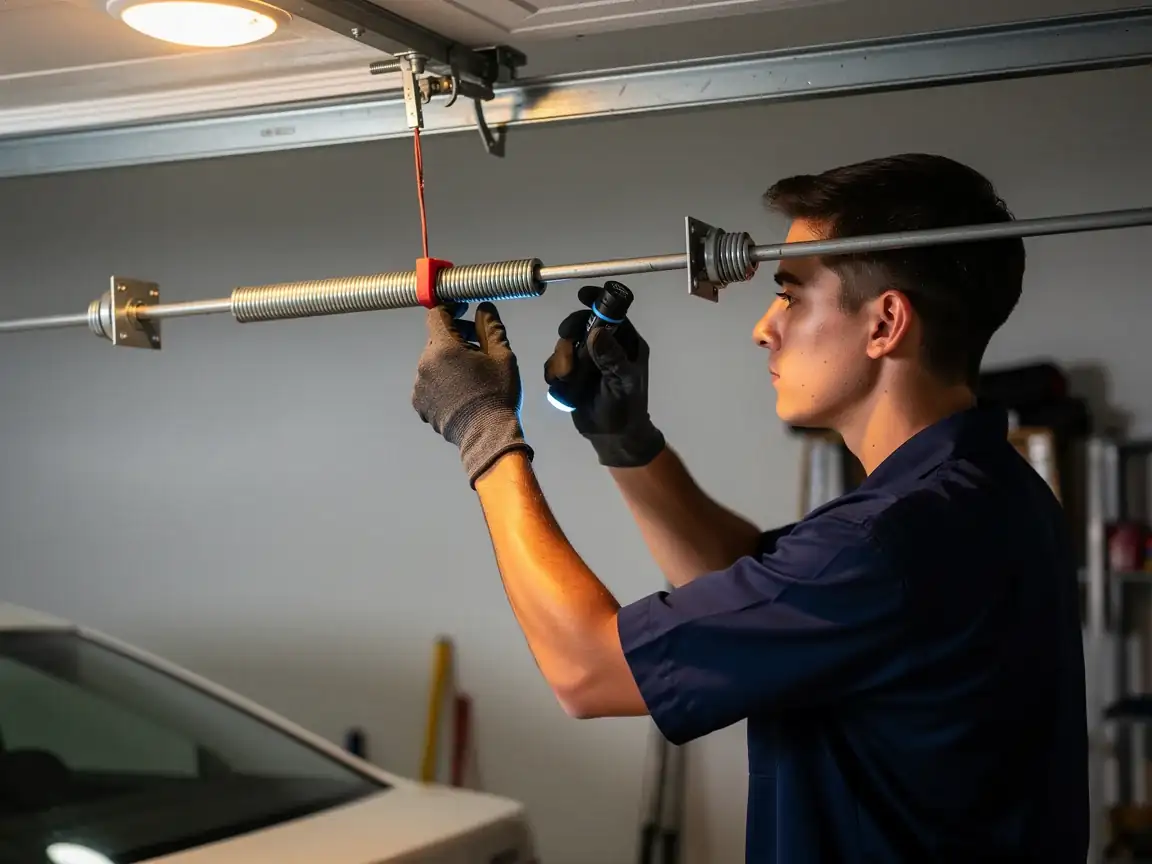
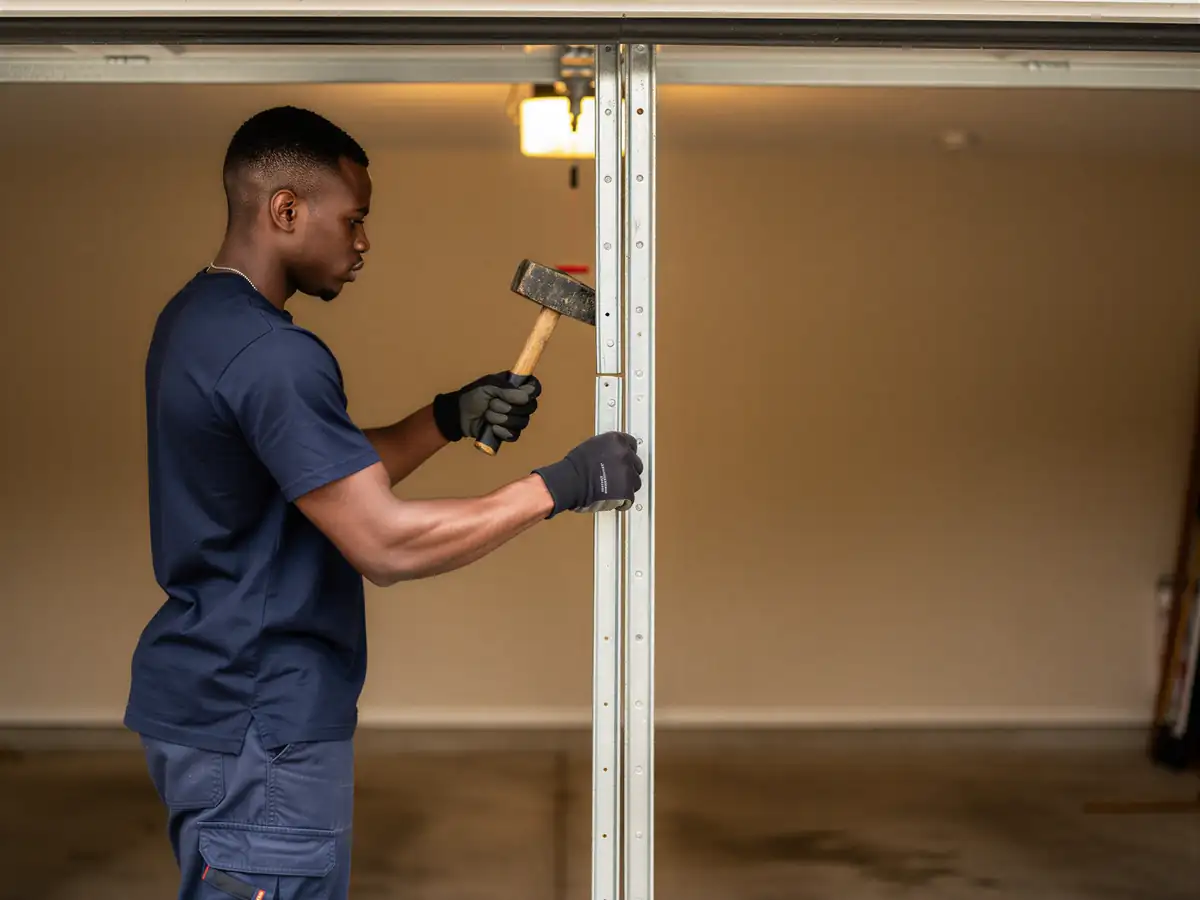
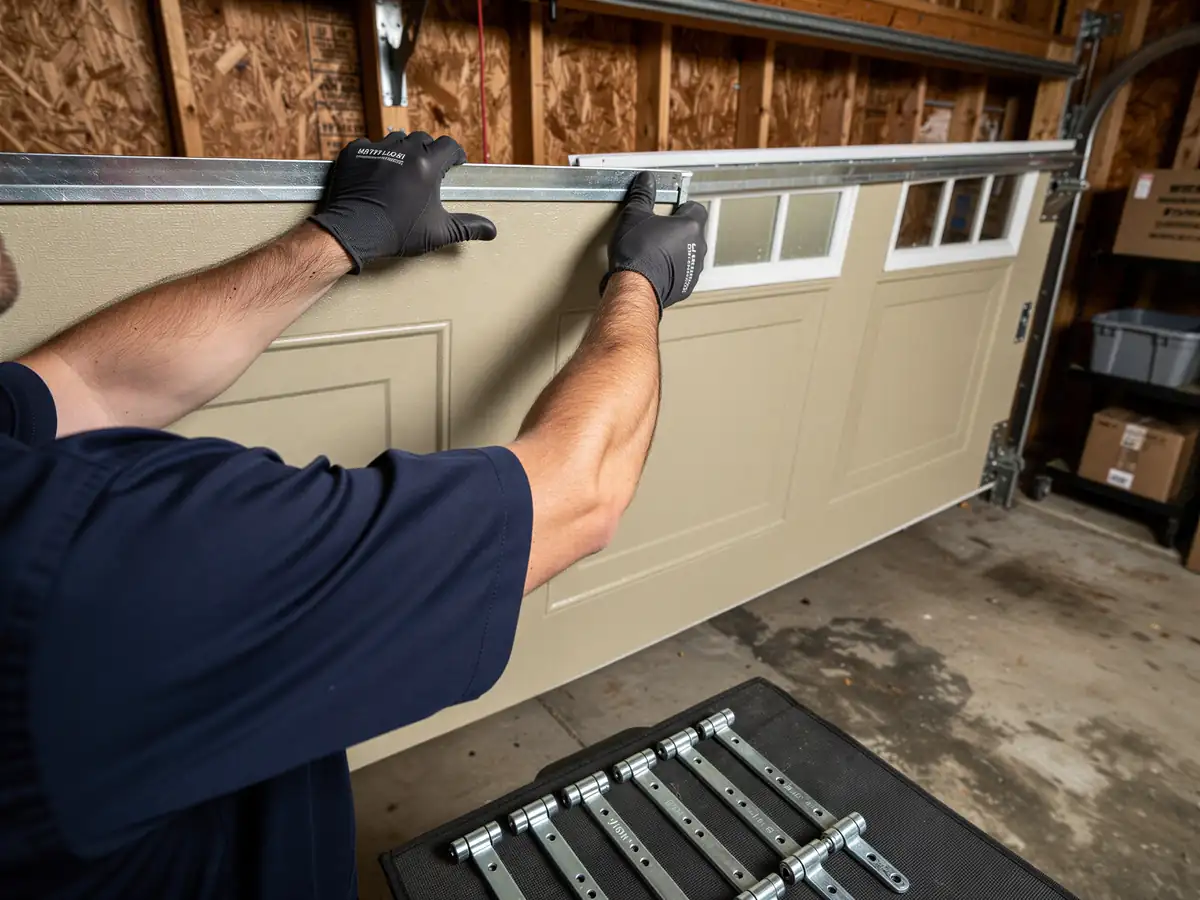
The new door doesn't sit flush, the track brackets don't line up with the original lag points, or the opener bracket has nothing solid to mount to. None of that is unsolvable, but it's not a bolt-on job either, and a torsion spring under full tension on an old jamb is not something to learn on. If you're comfortable with framing and you've swapped springs before, a straightforward replacement on a newer door is within reach. On a 1975-era opening, we'd rather you call first and let us tell you what we're actually looking at before you buy a door that won't fit.
The Cost of This Job
We don't post a flat price here because the job itself isn't flat - a straight swap on a standard opening costs less than a job where we're also rebuilding a jamb or upsizing hardware for an older rough opening, and Fillmore sees more of the second kind than the newer parts of the service area do.
Median household income here runs $90,343, noticeably below the $146,404 median across the wider service area, and that's worth saying plainly: we try to scope the job so you're not paying to upgrade things that don't need upgrading. If your existing track and opener mount are sound, we keep the job to the door and springs. If the jamb's been shimmed twice already by a previous owner, that's a conversation before we quote, not after. Ask for the breakdown in writing - door, hardware, labor - so you can see where the money's going rather than one number that could mean anything.
Parts We Carry
For a house built around 1975, the parts that usually need attention are the torsion spring system, the galvanized track, and the roller hardware - original steel rollers on a house this age are almost always due, regardless of what's happening with the door itself. We stock standard torsion springs sized for the common opening widths you see across these older Fillmore lots, plus galvanized track sections and nylon rollers as a quieter upgrade over the original steel.
The mild temperate climate here means we're not fighting humidity swelling or extreme cold cracking seals the way some regions do, so insulation specs matter less than fit and spring balance. What we don't stock on the truck is anything custom-width for a non-standard opening - those are special order, and if your 1975 opening was framed outside the common sizes, that part of the job waits on a supplier, not on us. We'll tell you up front if that's the case rather than let you assume it's a same-visit fix.
What the Repair Takes
We come out from Simi Valley, about 13 miles to Fillmore
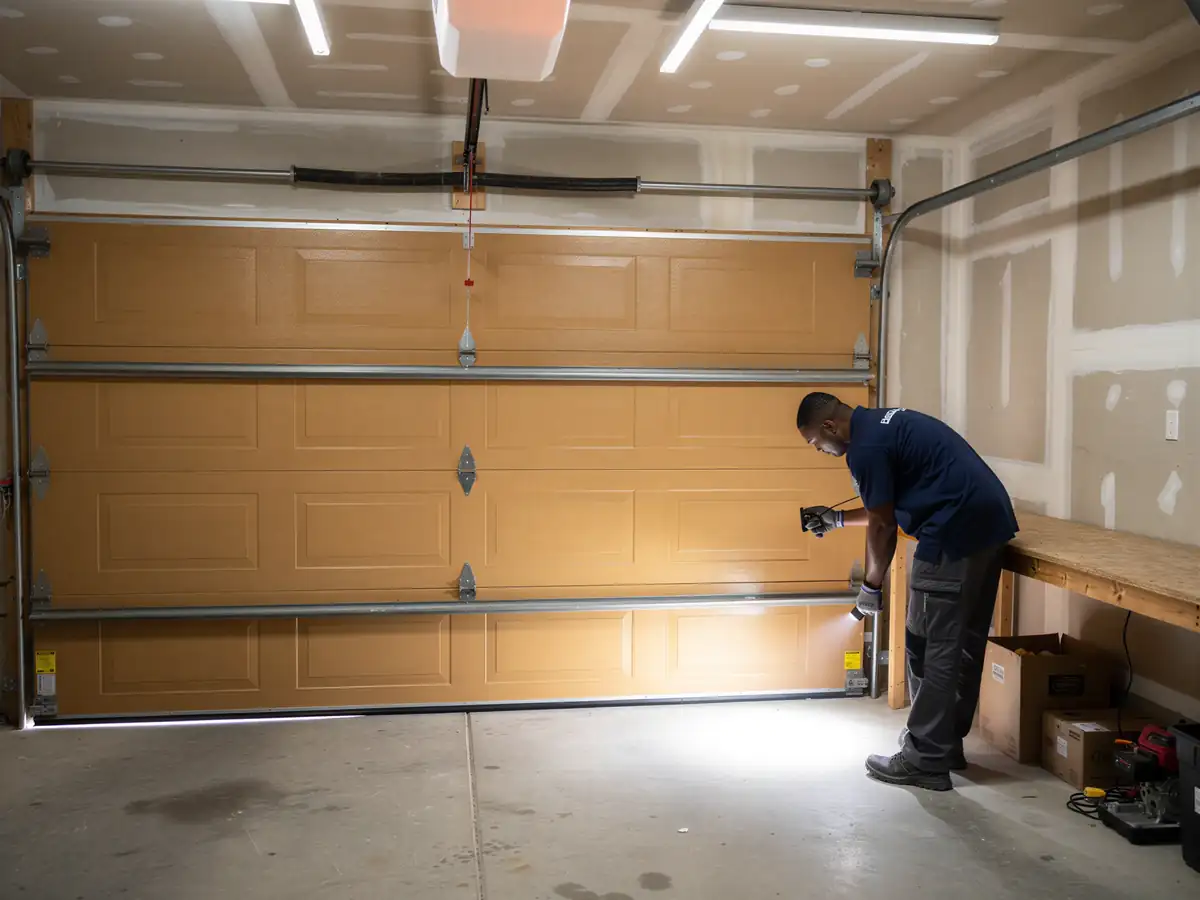
So the first thing on a new install is confirming the opening, the header clearance, and what the existing track and spring anchor points look like before the new door ever comes off the truck. On a 1975-era house that usually takes a bit longer than on newer stock, because we're checking whether the original framing can take current hardware as-is or needs shimming first.
- 13 miles
Once that's settled, the job itself is the door comes out
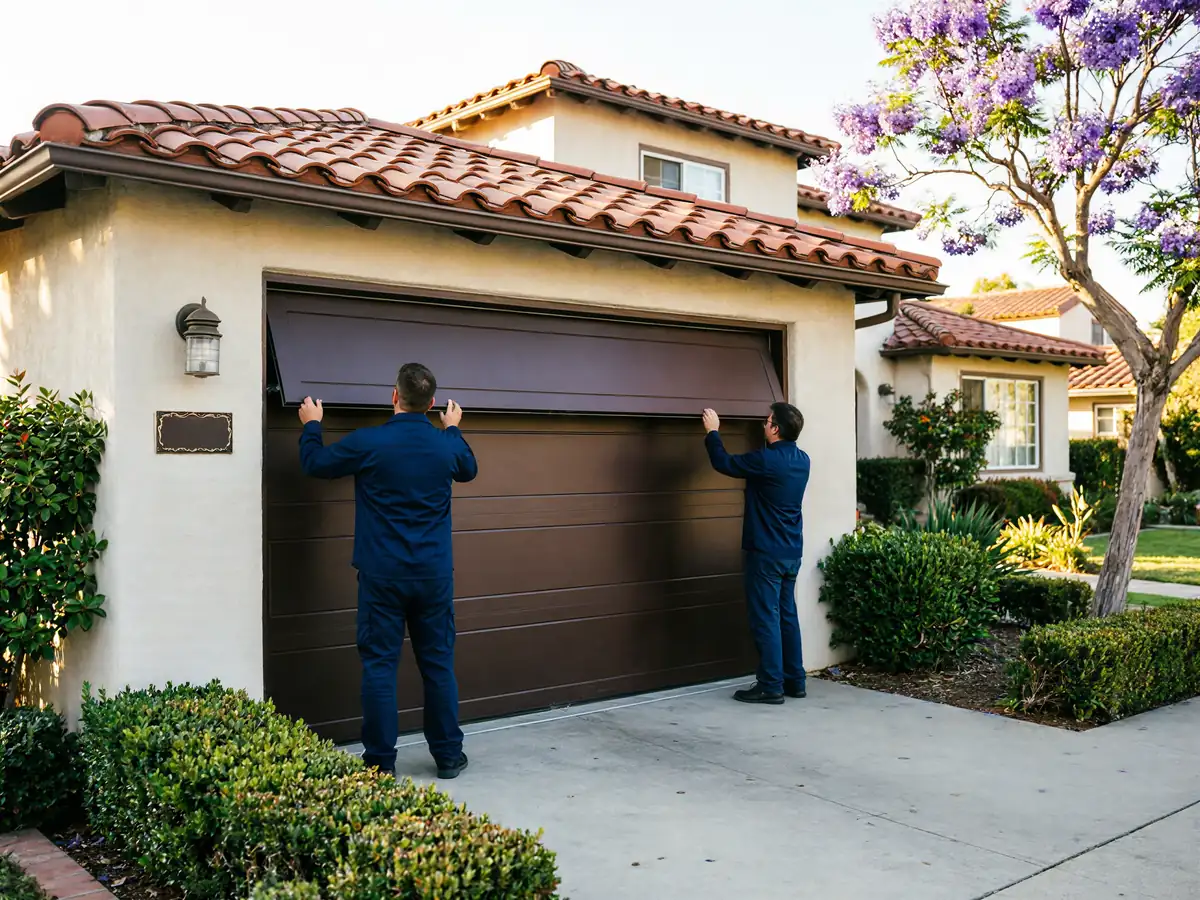
The track and spring system go in or get reused depending on condition, the new door goes up, and the opener gets mounted and balanced against the new weight. A standard install with no framing surprises is a single visit. If the jamb needs work, we'll say so at the inspection, not halfway through. You can see the rest of what we handle out of Simi Valley on our main installation page, and the general service rundown for Fillmore itself is on our area page.