Can You Do This Yourself
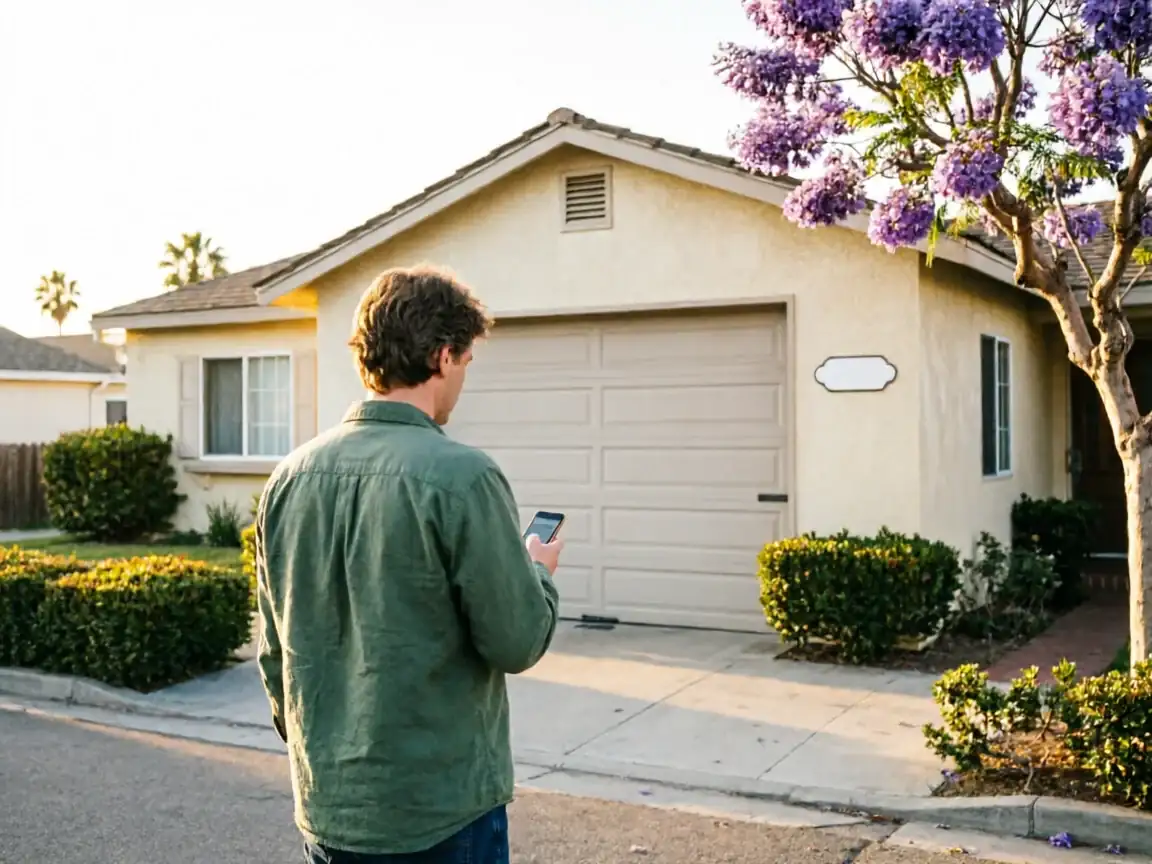
Most houses in Fillmore went up around 1975
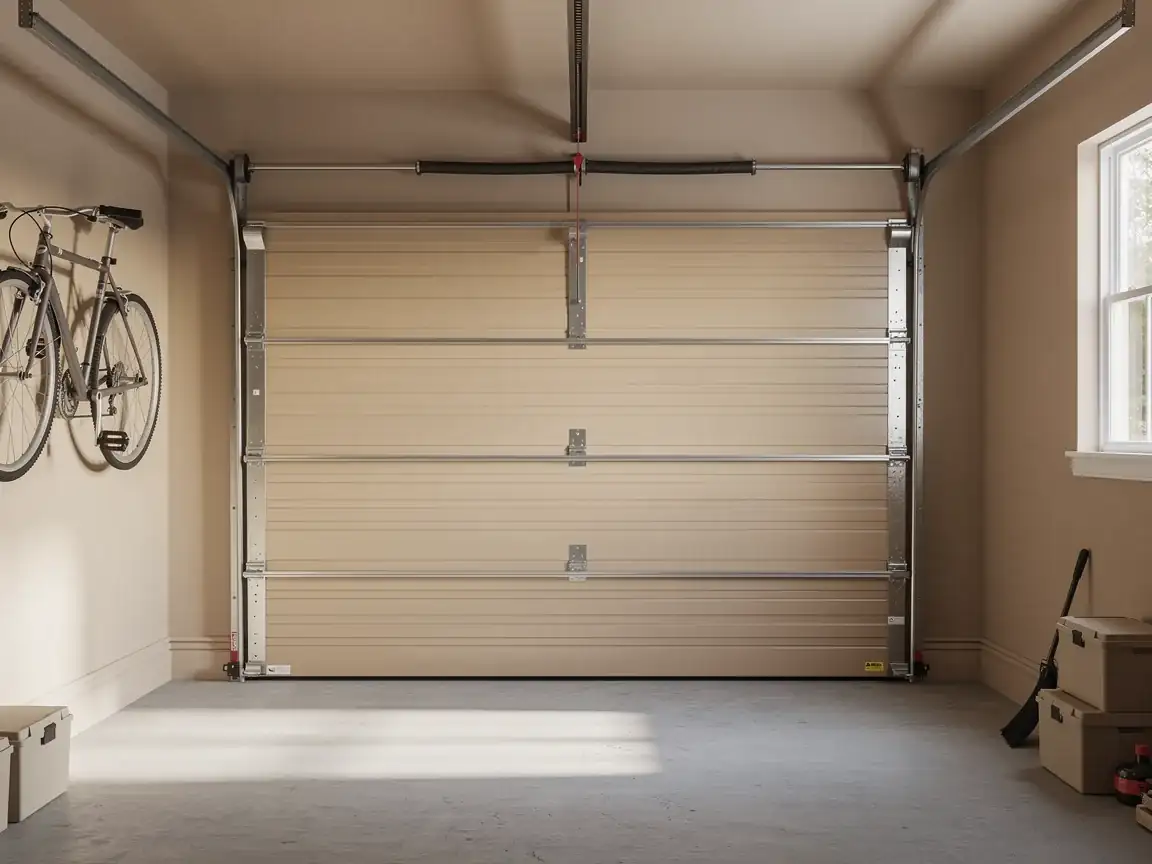
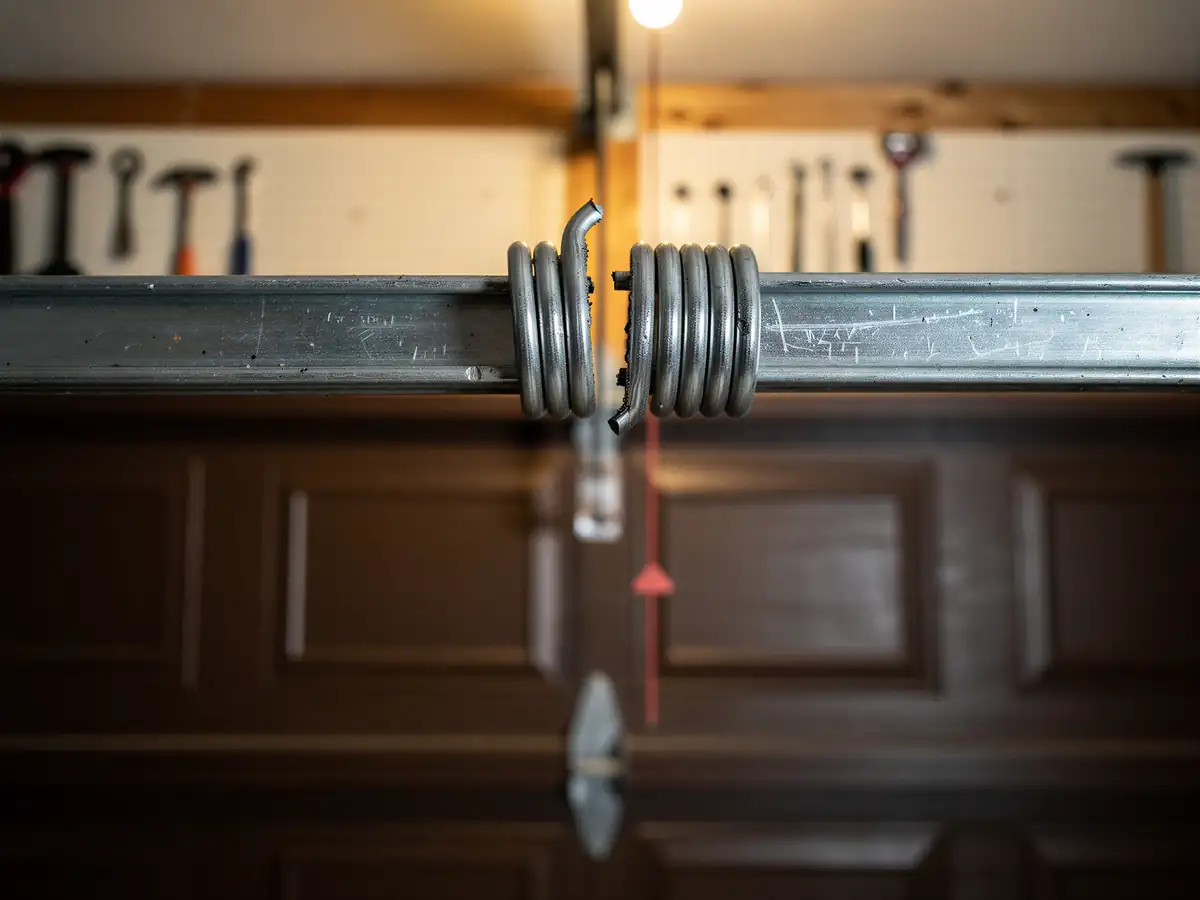
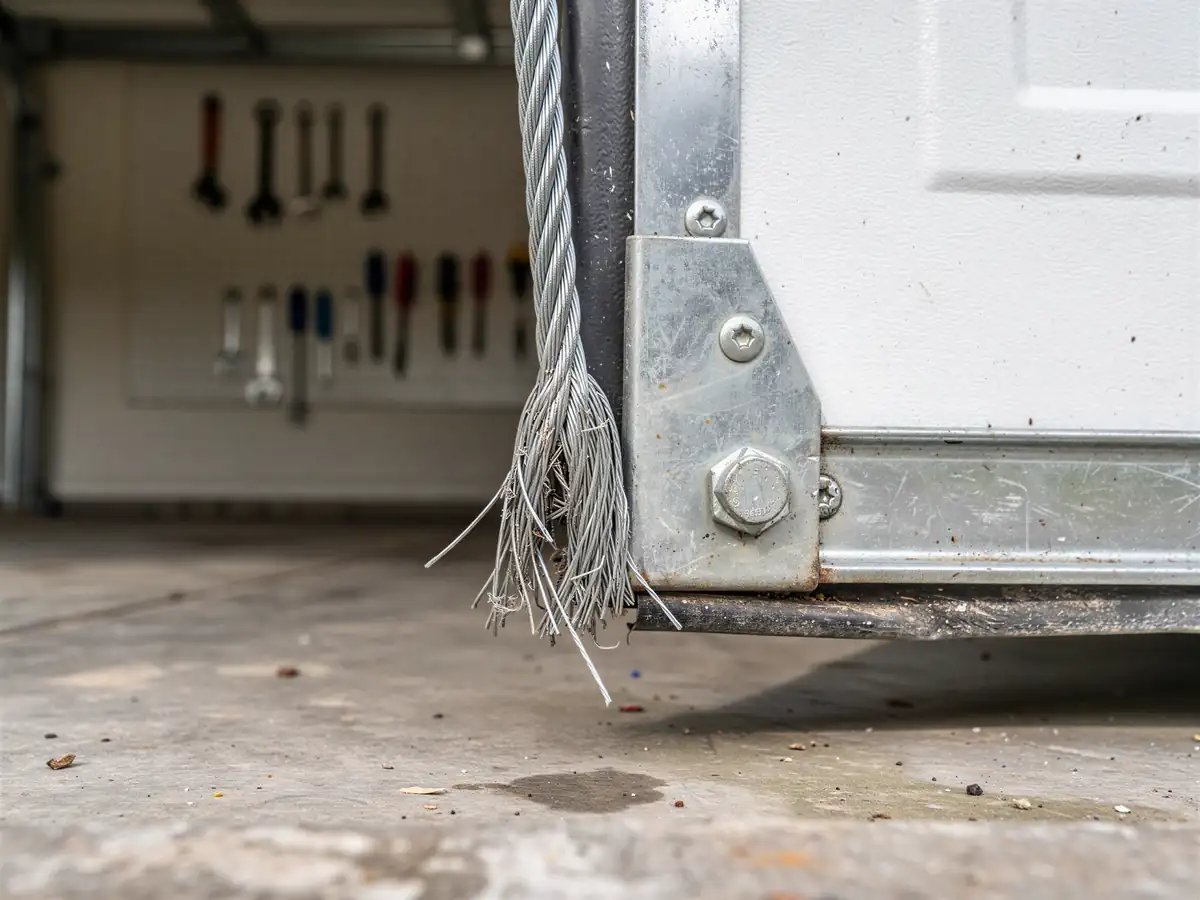
A few years before the wider service area's median of 1983. That matters here because a door that age usually still has its original lift cables, and those cables are under real tension even when the door is sitting still. If one has jumped the drum or frayed at the bottom roller bracket, the spring on that side is still loaded. Pulling the wrong thing loose lets the door drop or the cable snap back, and either one can break a hand or a windshield.
We're not going to tell you it's impossible
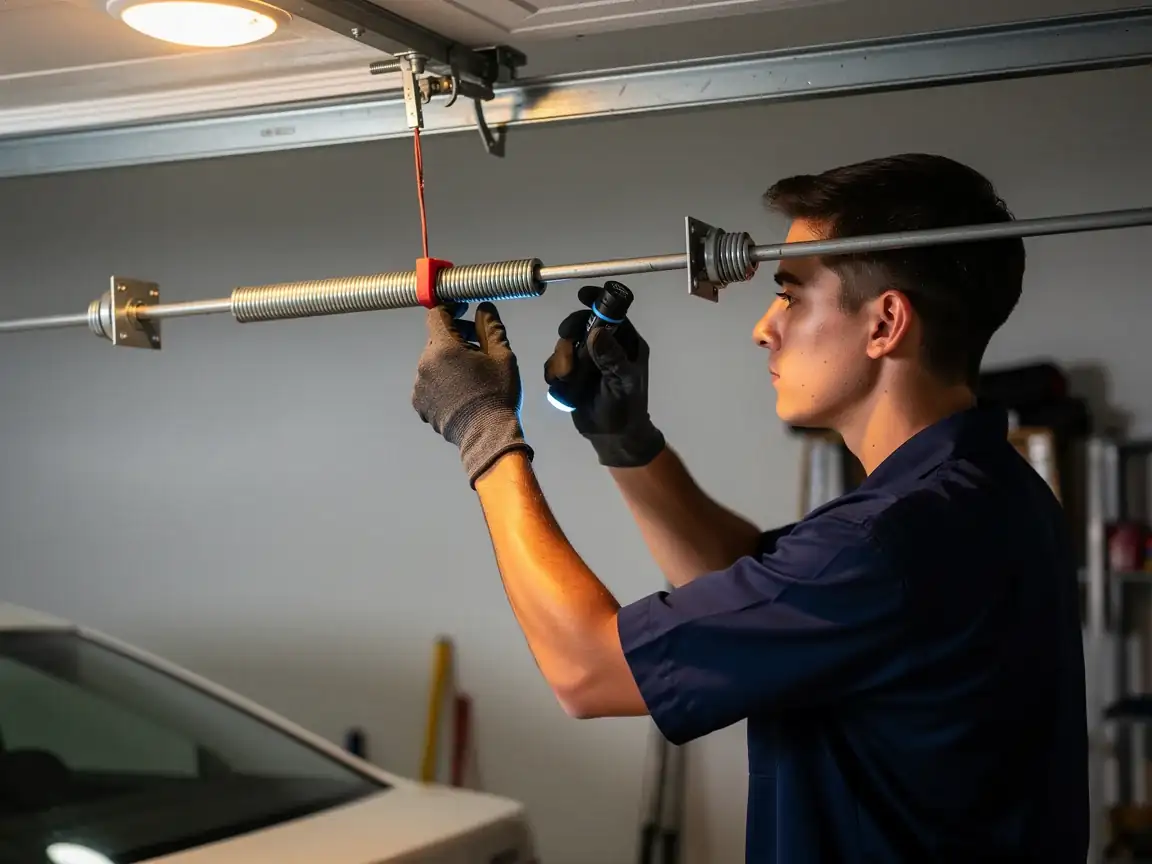
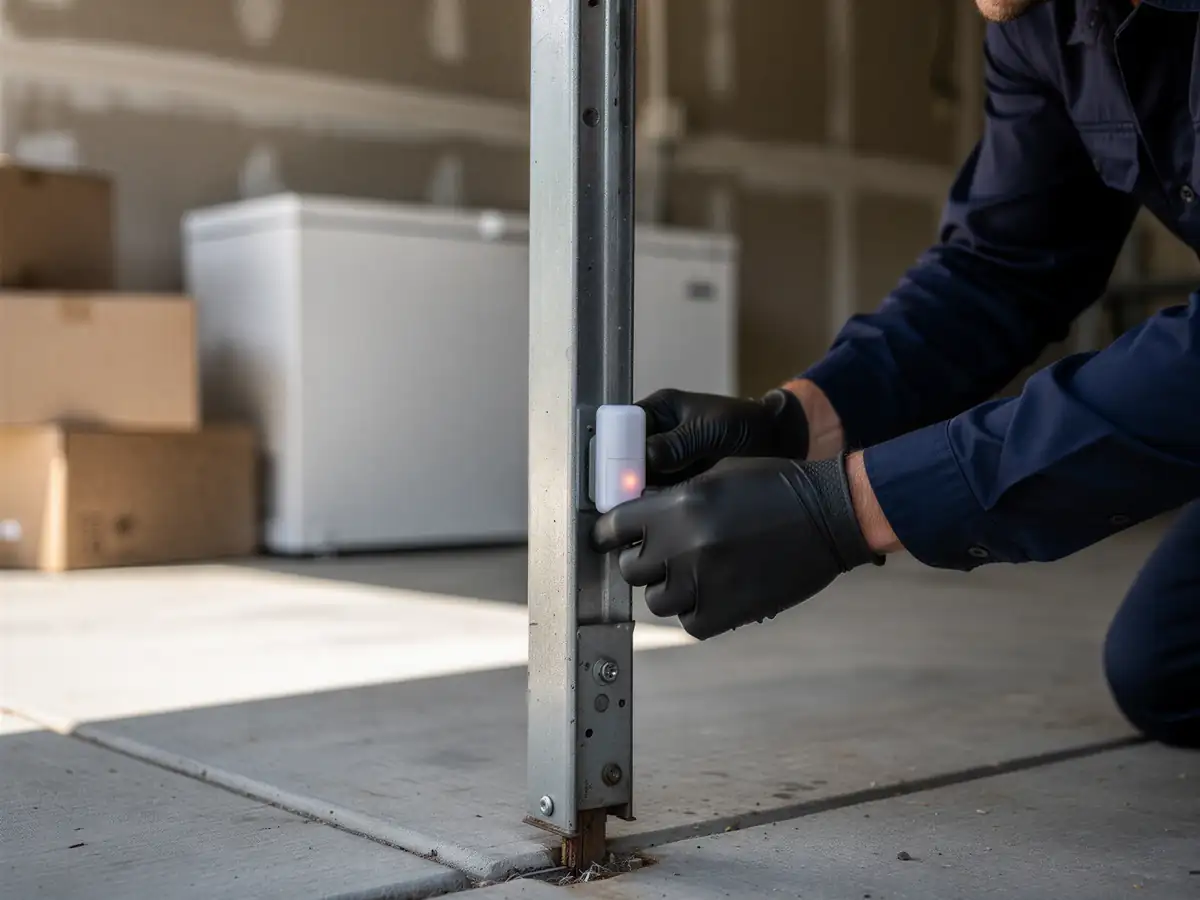
If the door is already down, the opener is disconnected, and you just want to look at the drum and the bottom bracket to see what's wrong, that's safe enough. What isn't safe is winding or unwinding anything attached to a torsion spring, or trying to re-seat a cable while the door is held up by the opener arm instead of the track. That's where most of the ER-trip stories start. If you get to the point of touching the spring side, that's the point to stop and call.
The Cost of This Job
We don't post Fillmore-specific pricing on this page, because with roughly 5,105 households here, cable jobs don't come in often enough to price separately from the rest of what we run from Simi Valley. The job itself - pulling worn cables, checking the drums for grooving, re-tensioning the spring, cycling the door - is a standard call. What changes the price is what the cable damage touched on the way out: a bent bottom bracket, a track knocked out of plumb, or a drum that needs replacing along with the cable.
Fillmore's median household income runs $90,343, well under the broader service area's $146,404, and we price the job the same regardless of zip code - parts and labor, not a location surcharge. For a general sense of what this repair runs, see our page on cable repair pricing out of Simi Valley.
Parts We Carry
Because the truck comes from Simi Valley, 13 miles out, we stock what covers the housing stock we actually see on that drive - galvanized aircraft cable in the common gauges, standard drums sized for 7-foot and 8-foot doors, and bottom brackets for both the older lag-bolt style and the newer bolted safety brackets. A door built around 1975 is old enough that the original cable and drum are both probably still in place, which is usually fine - these parts don't need replacing on a schedule, just when they show wear.
What we don't carry on the truck is every obsolete spring size or a cable cut to a non-standard length for a custom door. If a Fillmore door turns out to need something like that, it's a return trip once the part's ordered, not a same-visit fix. We'll tell you up front if that's the case rather than guess.
What the Repair Takes
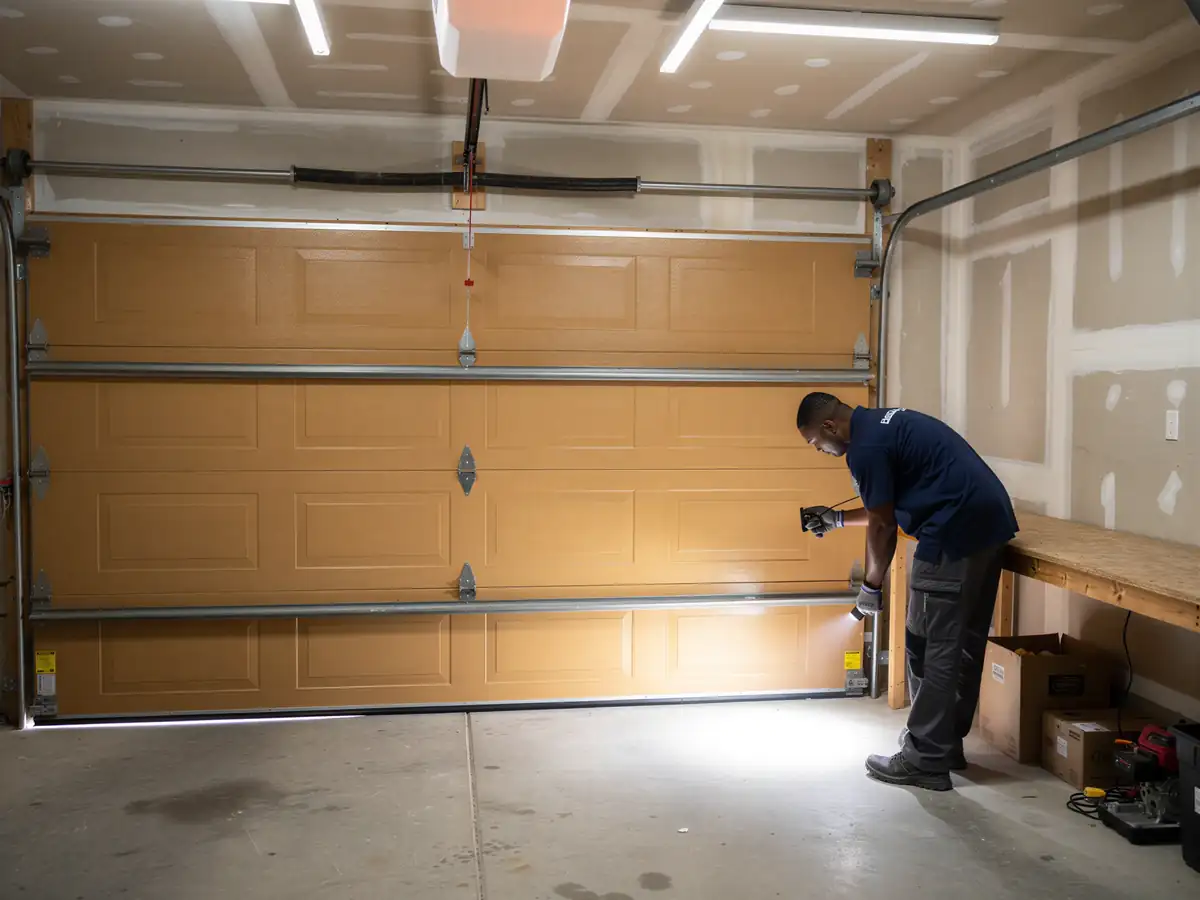
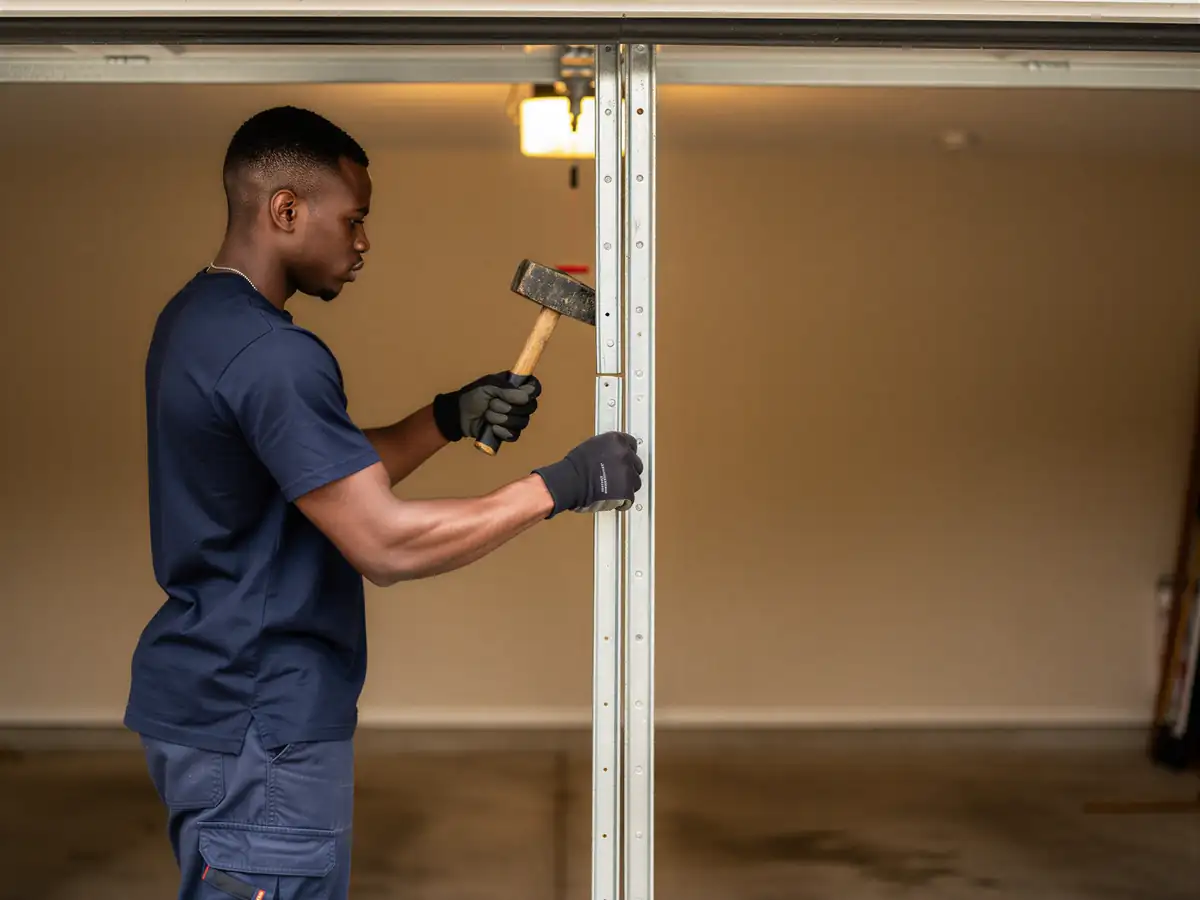
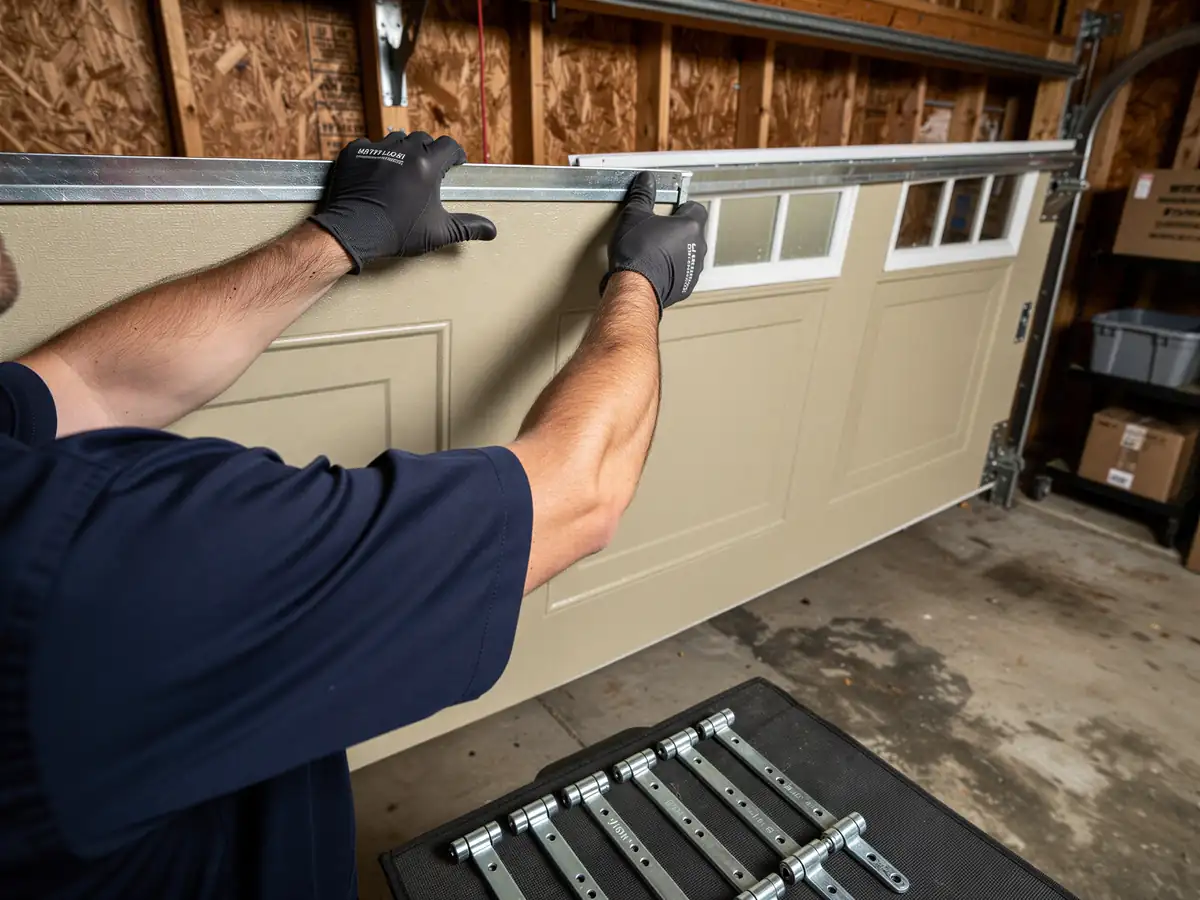
Once we're on site, replacing a snapped or frayed cable on a standard door is a short job
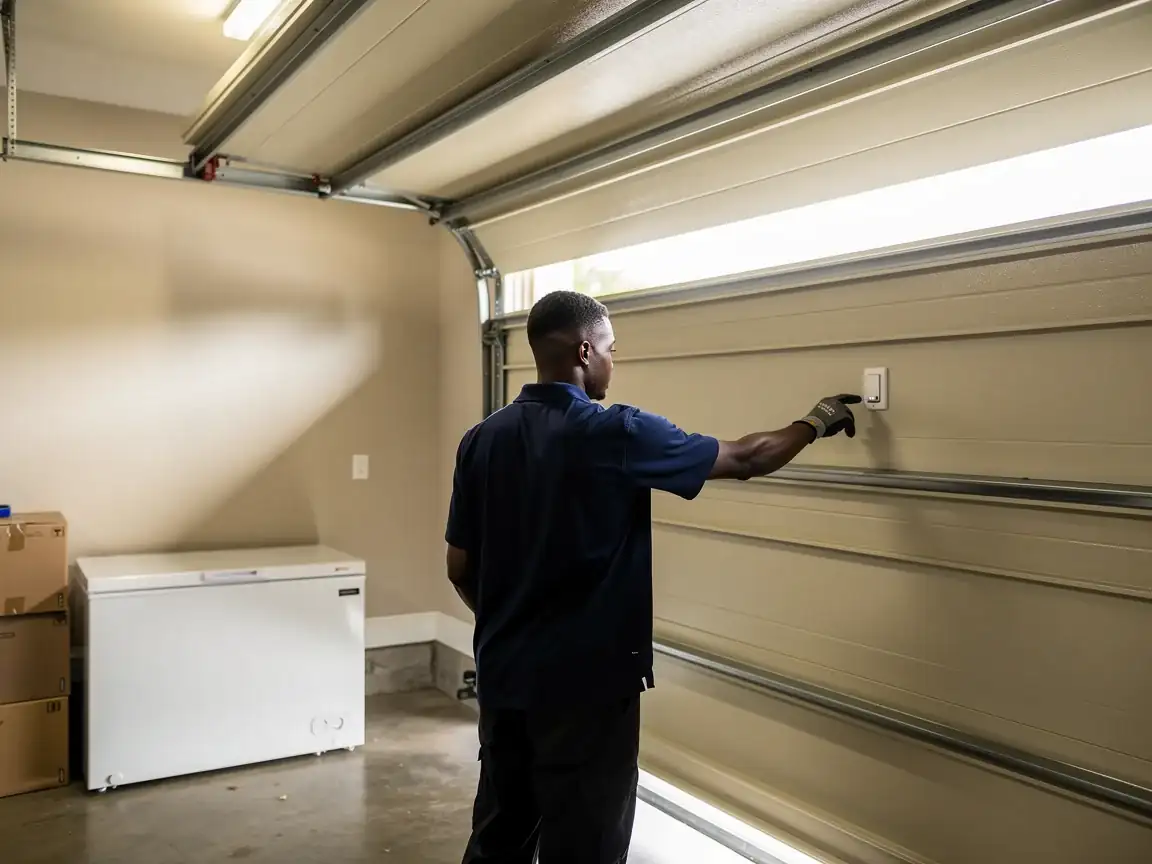
The spring gets unwound to a safe tension, the old cable comes off the drum and bracket, the new one goes on, and the spring gets re-tensioned and the door cycled a few times to check balance. Mild temperate weather out here means we're not fighting rust or ice on the hardware the way a shop in a harsher climate would, so corrosion usually isn't what's eating the cable - fatigue from age and cycle count is.
If the drum is grooved from the old cable riding wrong
Or the bottom bracket shows metal fatigue from whatever caused the break in the first place, those get replaced in the same visit if we're carrying the part, which we usually are. If the door is older and the opposite cable is close behind it in wear, we'll point that out - replacing both sides at once costs less in a return trip than waiting for the second one to go.